
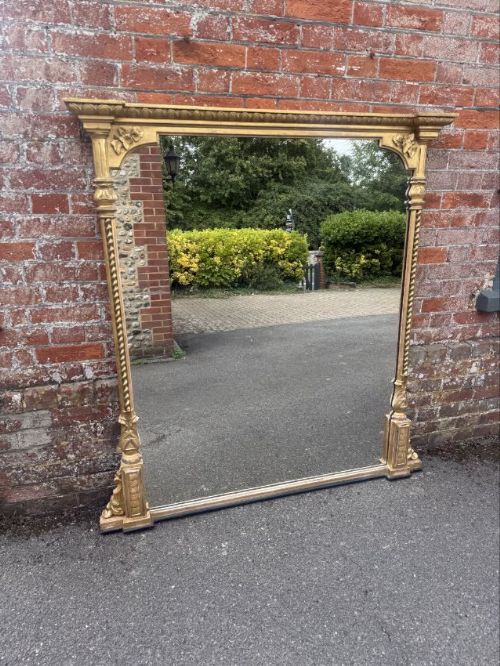
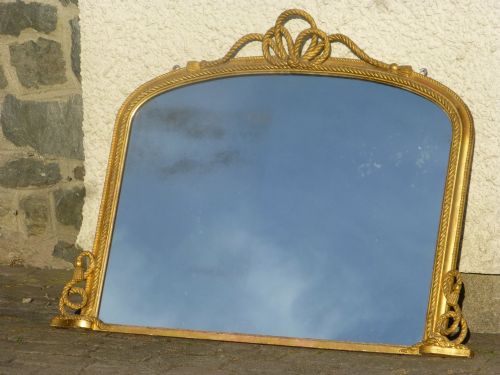
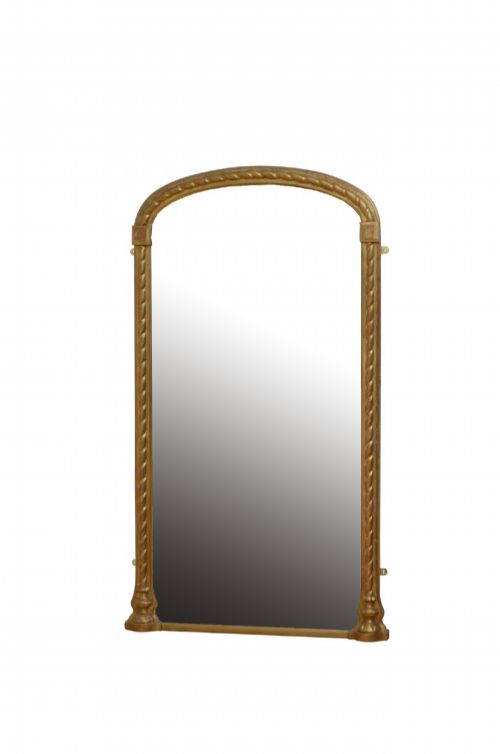


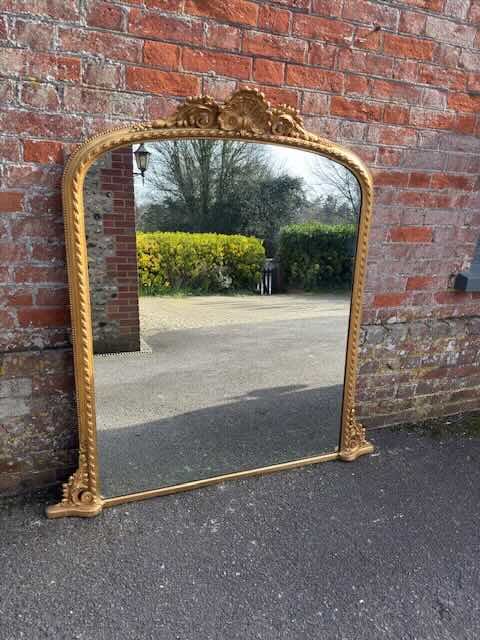


Regency Rope Twist Mirror
These regency rope twist mirror pieces are distinguished by their carved rope motifs and gilt surfaces, offering decorative presence for period interiors.
Regency Rope Twist Mirror
A regency rope twist mirror takes the form of wall mirrors, pier mirrors, and large overmantel mirrors designed to hang above mantelpieces or serve as leaner glasses. The pieces available span the nineteenth century, including the Regency and William IV periods, alongside later Victorian and Edwardian examples.
Most examples feature gilded frames, with arched tops, rectangular plates, or circular formats appearing frequently across the selection. The rope twist carving provides a distinctive border that frames the mirror glass.
Buyers encounter both single plate glasses and compartmental or triptych mirrors that divide the reflection into sections. These items originate primarily from English workshops of the period.
Materials and construction
Carved wood and gesso form the structural base for the gilded decoration on these frames. Artisans applied gold leaf or composition to achieve the bright reflective surface seen on the mouldings.
Mirrors utilise traditional glass plates set within rebated frames, sometimes accompanied by ebonised wood details or acanthus leaf ornamentation. The rope twist pattern is carved directly into the wooden moulding or formed in composition material before gilding.
Listings feature nineteenth century and Edwardian periods, utilising materials such as gesso, ebonised wood, and gold leaf.
Quality variations
The crispness of the rope twist carving and the depth of the gesso work distinguish finer examples from simpler production. Water gilding demonstrates a higher level of craftsmanship compared to standard oil gilding or later repairs.
Scale and proportion influence the visual impact, with grander architectural overmantel mirrors and water gilded pier glasses showing superior joinery and decorative detail than smaller, later variants.
The Regency Rope Twist Mirror Glossary
- Overmantel mirror
- A large mirror designed specifically to be hung or placed upon the mantelpiece above a fireplace. These frequently incorporate arched tops and wide frames.
- Giltwood
- Timber that has been covered with a thin layer of gold leaf or gold paint. It provides the characteristic metallic sheen on nineteenth century frames.
- Gesso
- A plaster mixture applied to wood frames to create a smooth surface for carving and gilding. It allows for intricate relief details such as rope twist motifs.
- Pier mirror
- A tall, narrow mirror designed to hang on the wall space between windows. They often feature architectural frames suited to nineteenth century rooms.
- Water gilding
- A traditional technique using liquid size to adhere gold leaf to gesso, which can then be burnished to a high gloss. This method indicates earlier craftsmanship.
Regency Rope Twist Mirror: Frequently Asked Questions
Where should a rope twist mirror hang?
These mirrors suit placement above a living room fireplace as an overmantel centrepiece or on a prominent wall space as a pier glass. Their scale allows them to reflect light and anchor the room's decorative scheme.
Larger arched or compartmental examples require substantial wall space and solid fixings to support their weight safely.
How do I identify a Regency mirror?
Regency mirrors date from the early nineteenth century and often display classical motifs, water gilding, and precise carved details such as acanthus leaves or rope twist borders.
Comparing the construction methods, backboards, and glass characteristics helps distinguish genuine period pieces from later Victorian or Edwardian revivals.
How do I care for giltwood frames?
Giltwood and gesso surfaces require gentle dusting with a soft, dry brush to avoid damaging the delicate gold leaf layer. Moisture and harsh cleaning products should be kept away from the gilding entirely.
Stable indoor humidity levels help preserve both the wooden substrate and the composition ornaments over time.