
Regency Picture Frame
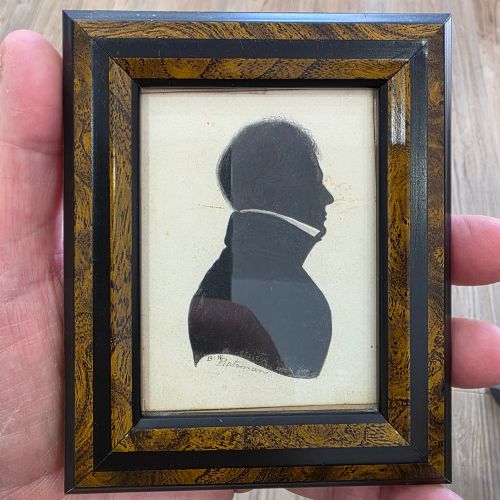
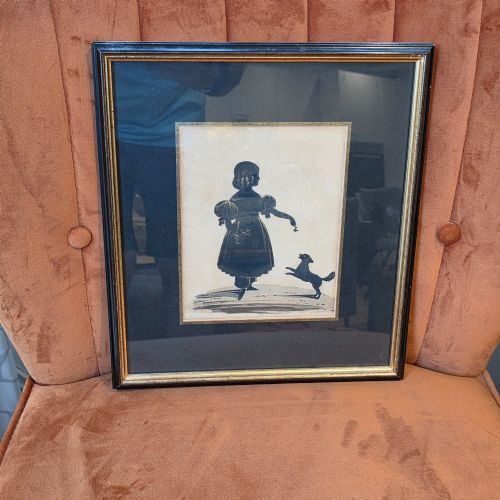
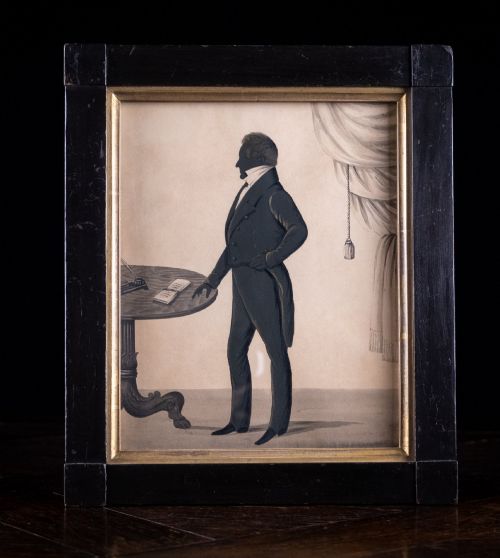
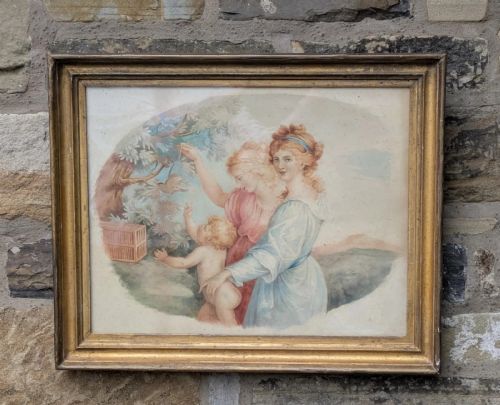
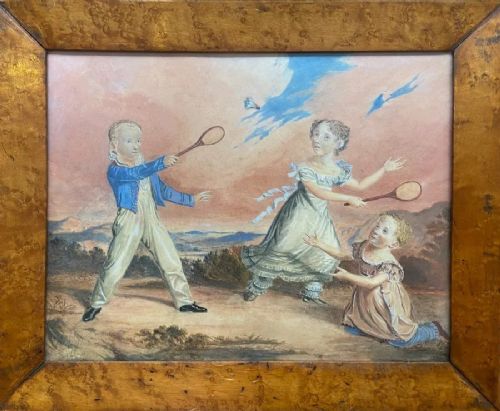
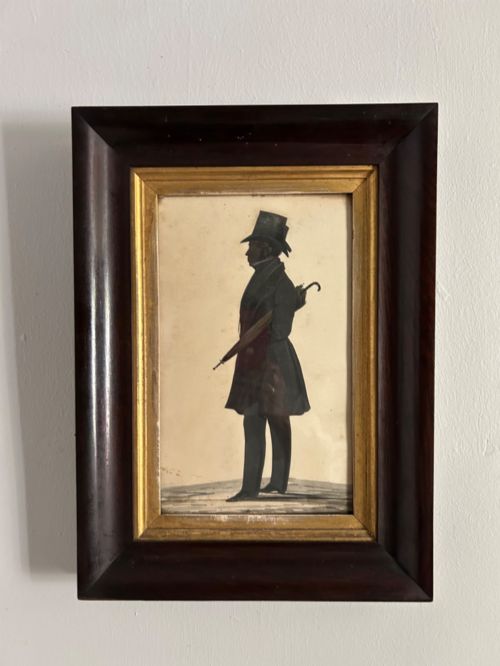
A regency picture frame brings together period elegance and domestic warmth, designed to hold miniatures, silhouettes, and watercolours.
Regency Picture Frame
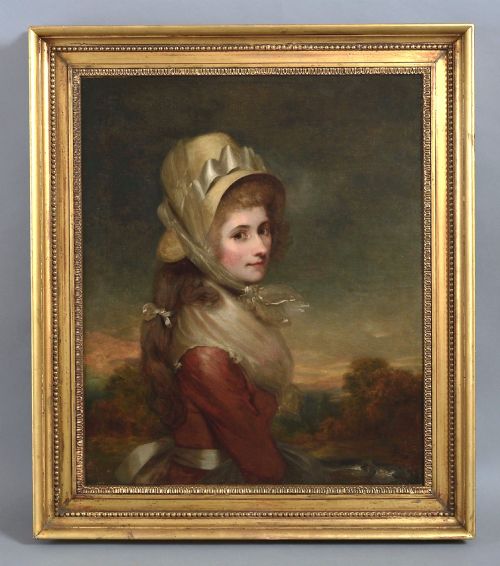
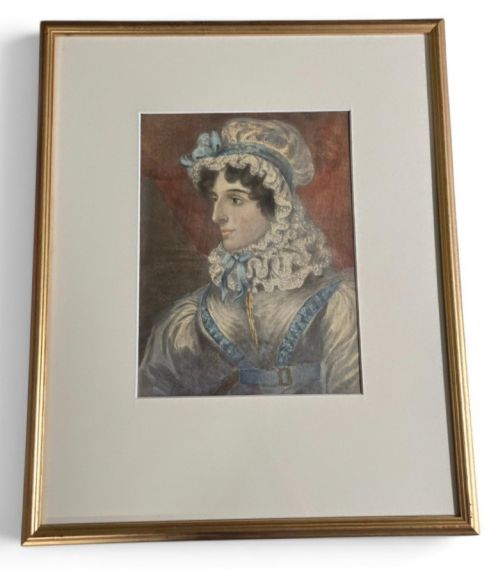
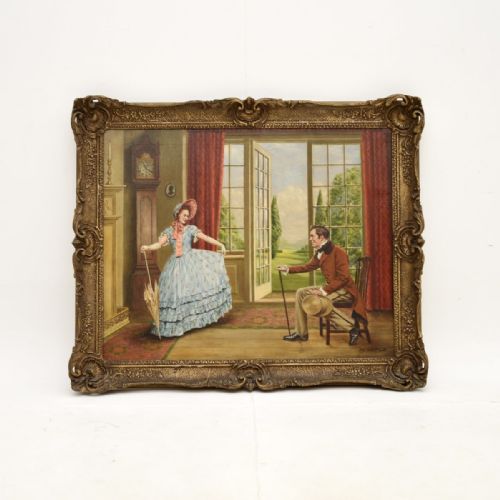
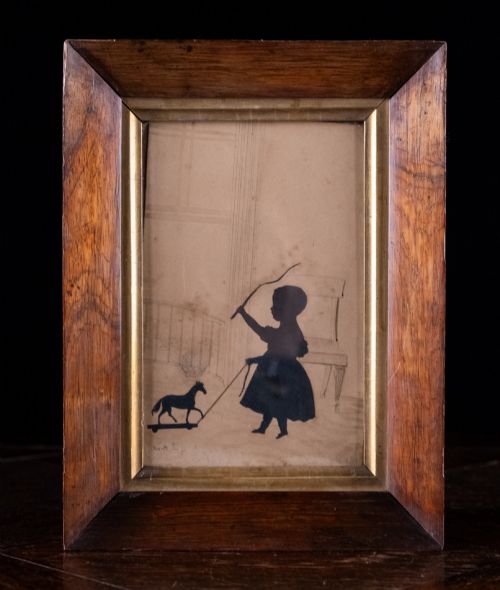
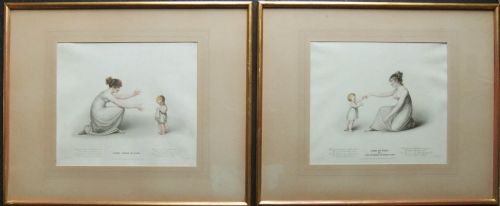
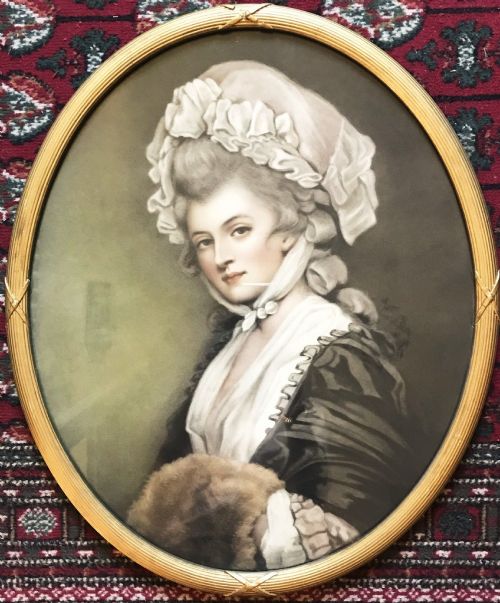
A regency picture frame surrounds historical artwork from the early nineteenth century, enclosing delicate works on paper, silk, and panel. These surrounds define the visual boundary of portraits, watercolours, and needlework pieces created during the Georgian and Regency eras.
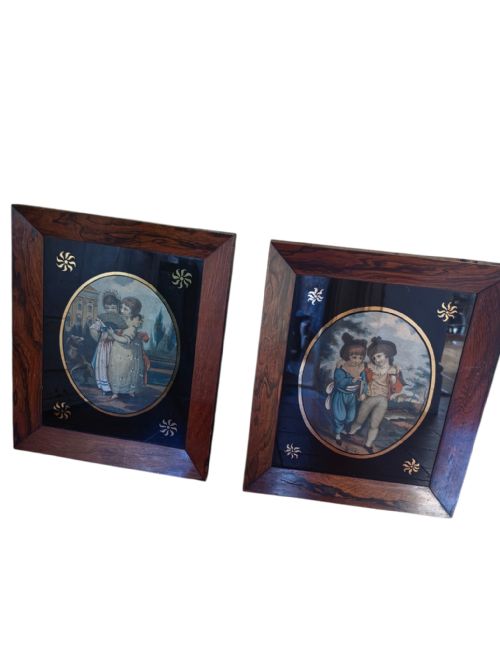
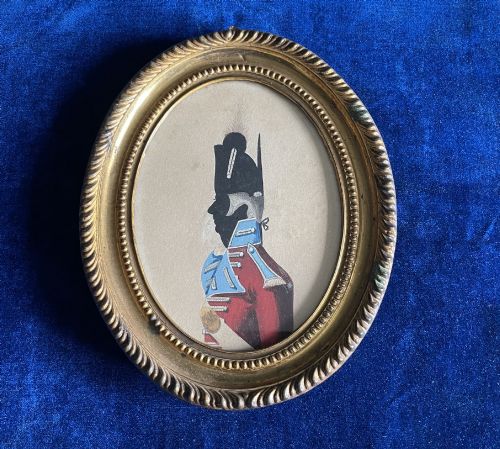
The selections encountered here range from simple mahogany mouldings to deep, circular gilt profiles and rich rosewood surrounds. Many pieces house original contents such as silhouettes, engravings, and embroidered samplers created in the period.
How they were made
Makers shaped timber cores from dense woods like mahogany and rosewood, often applying thin layers of gold leaf to carved wooden mouldings. These gilded surfaces catch light along inner slips and outer borders to frame the artwork within.
Glazing protected fragile paper items like watercolours, pencil sketches, and reverse glass prints from atmospheric damage. Joinery methods relied on precise corner mitres designed to withstand tension from wooden backing boards and tension pins.
Surviving needlework alphabets stitched by children in eighteen twenty-five preserve early domestic schoolroom patience.
What varies in quality
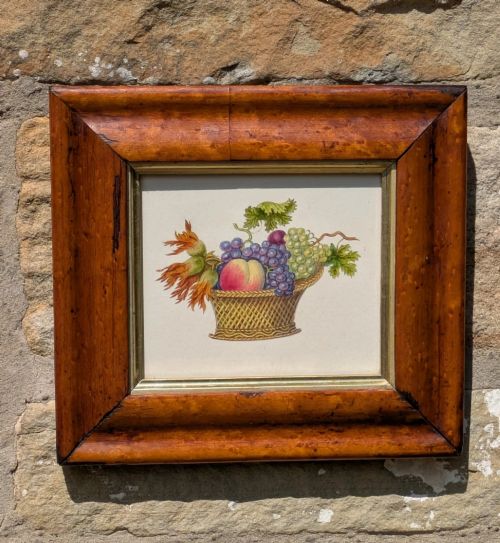
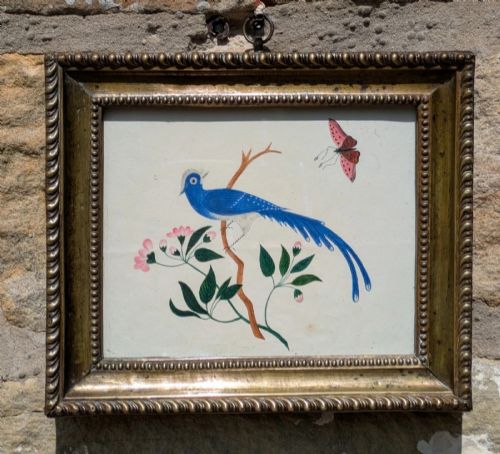
The depth of the moulding and the crispness of the applied gilding distinguish standard examples from finer commissions. Heavy gilt wood profiles retain complex plaster composition ornaments that hold sharp botanical or neoclassical motifs.
Original backing materials, intact glass panels, and undisturbed maker labels contribute significantly to the integrity of a piece. Retaining the original gilt slip inside a rosewood or mahogany frame indicates a higher degree of preservation.
The Hubard Gallery·William James Hubard·Augustin Edouart·Sir Martin Archer Shee·George Romney·Henry William Banbury·Adam Buck·John Ferneley Senior·T C Hofland
The Regency Picture Frame Glossary
- Giltwood
- Wood coated with a thin layer of gold leaf applied over a prepared gesso ground. This finish provides a warm, reflective surface characteristic of formal period decoration.
- Rosewood
- A dense, heavily figured tropical timber prized for its dark purple-brown grain and polished dark lustre. It forms the primary dark wood body of many fine nineteenth-century mouldings.
- Reverse glass print
- An image painted or transferred onto the underside of a glass sheet so the composition is viewed through the transparent pane. This technique protects the pigments from dust and moisture.
- Silk work
- Embroidery executed primarily in silk threads on a silk or linen ground, often depicting historical or pastoral subjects. These textile pictures require specialised shallow framing to prevent fabric sagging.
Regency Picture Frame: Frequently Asked Questions
What fits inside these frames?
Most of these surrounds hold period works on paper, including watercolours, pencil sketches, silhouette cuttings, and hand-coloured engravings.
Textile art such as silk work pictures and needlework samplers also appear frequently within these exact historical dimensions.
How do I hang a heavy frame safely?
Heavy gilt wood and dense rosewood mouldings require secure wall anchors and appropriate picture wire fixed firmly to the side stiles. Ensure the weight distribution relies on sturdy brass eyelets screwed into solid timber rather than the backing board.
Check that the internal rebate securely holds the glass and artwork before mounting the assembly on the wall.
Are the frames sold with art?
Many listings present the frame together with its original period contents, such as silhouette portraits or botanical watercolours. Some examples survive as empty surrounds originally designed to house mirrors or interchangeable prints.
Reviewing the individual description clarifies whether the artwork is an associated period piece or the original contents.
How do I clean period gilding?
Dust the surface gently using a soft, dry artist brush to remove particles without disturbing delicate gold leaf layers. Avoid liquid cleaners, damp cloths, and chemical solvents, which strip historical water-gilding from the wooden substrate.