



Regency Period Portrait Painting
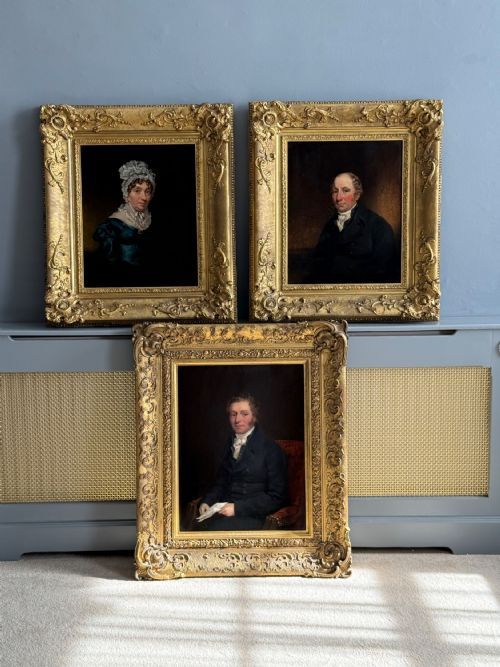
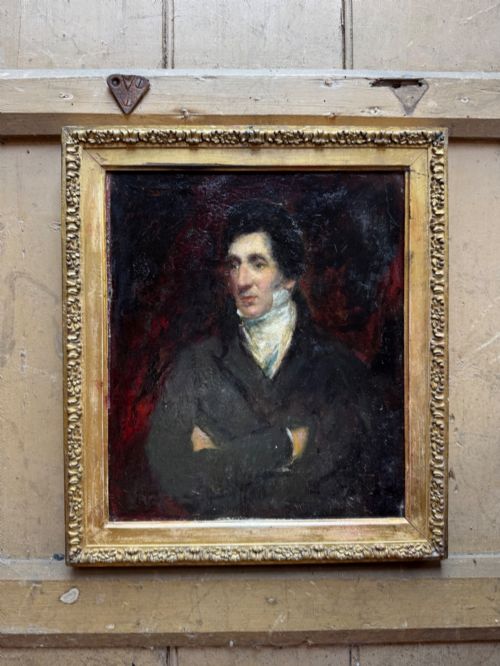
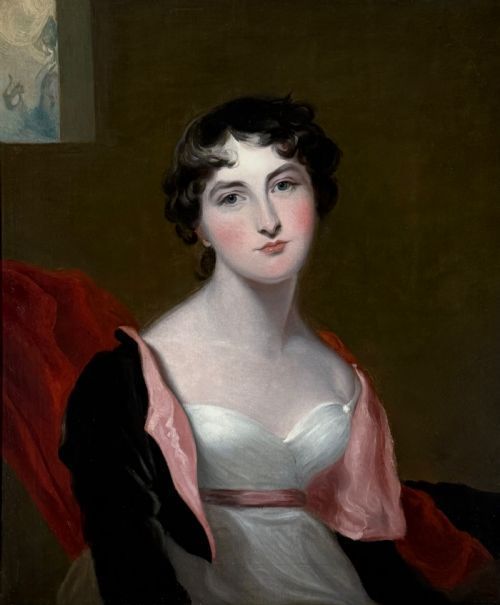
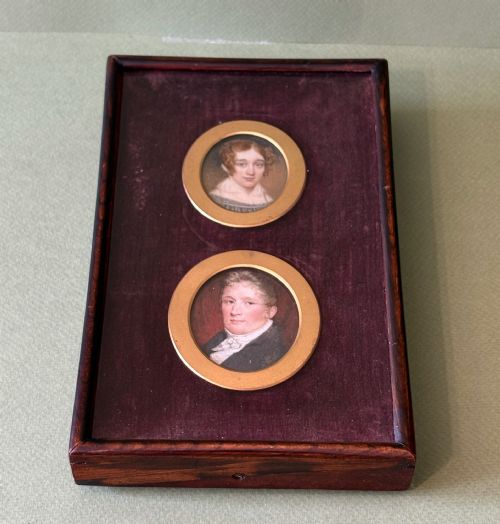
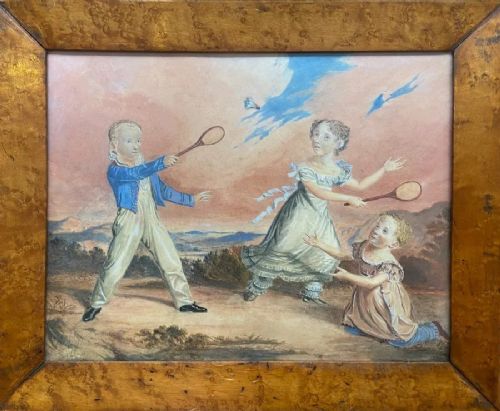
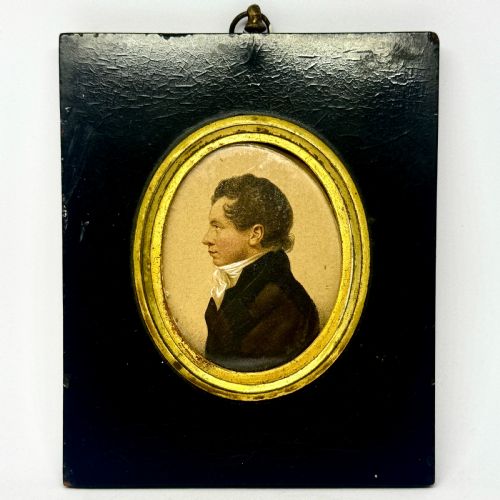
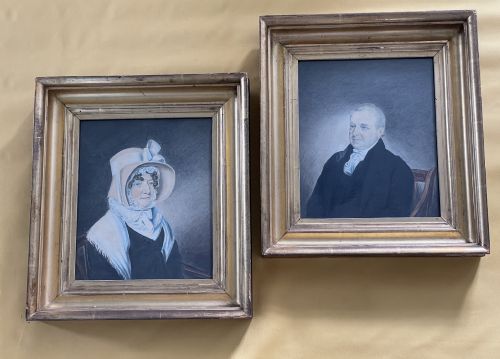
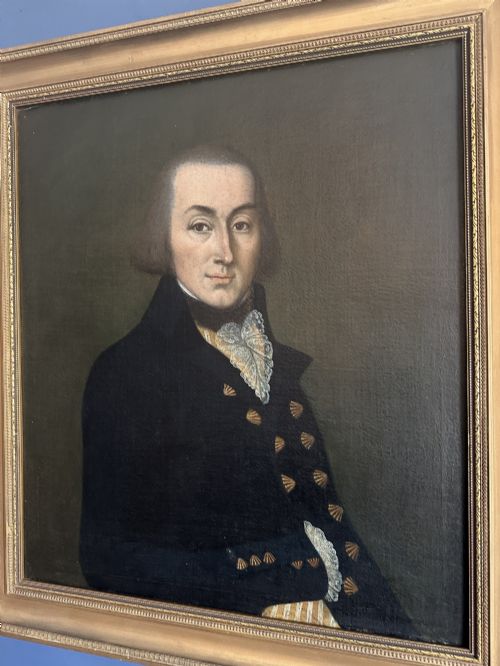
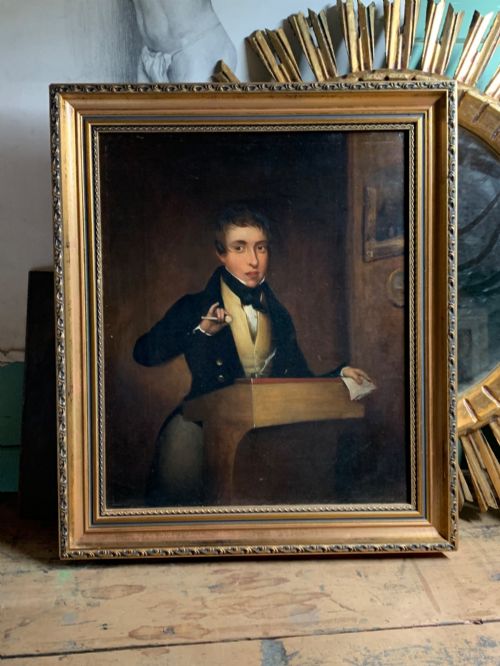
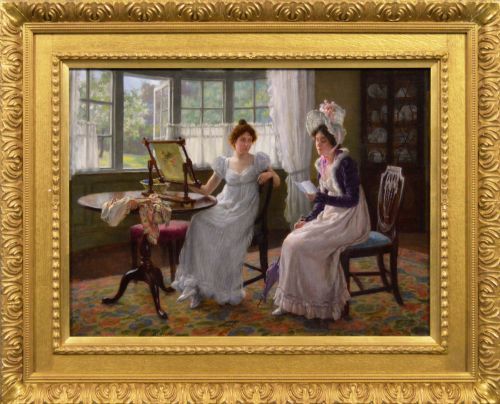
A regency period portrait painting brings character and fine oil paint to a wall, capturing subjects with striking clarity.
Understanding a regency period portrait painting
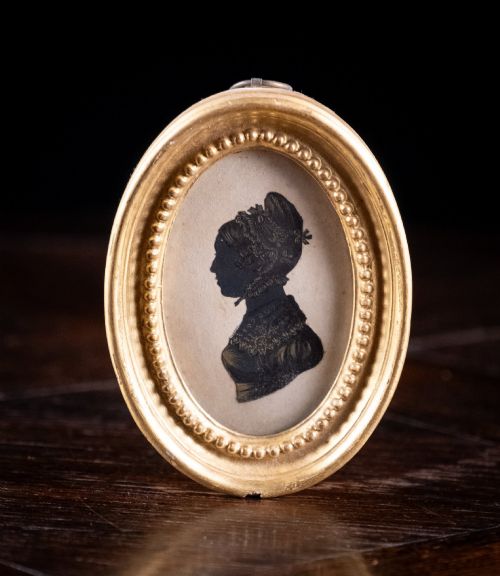
A regency period portrait painting captures individual likenesses through fine art painting and framed artwork, often rendered in oil paint or watercolour.
The pieces on this page span the nineteenth century and the Edwardian era, showing styles such as regency, early victorian, and grand regency.
Subjects range from notable figures like Vice-Admiral The Honourable Sir Henry Hotham to young subjects such as Master Charles William Lambton and Little Miss Murray.
Materials and construction
Finished artworks are housed in wood frames, frequently incorporating gilt and glass to protect and elevate the visual impact of the painting.
Assessing quality
Quality rests upon the precision of the brushwork and the fidelity of the likeness, distinguishing skilled hand execution from simpler output.
The integration of the frame, particularly the use of giltwood and wood moulding, contributes to the overall presence of the piece.
Sir Thomas Lawrence·Samuel Lane
The Regency Period Portrait Painting Glossary
- Oil Paint
- A slow-drying medium consisting of pigments suspended in a drying oil, allowing for rich blending and deep tones. It forms the primary surface for many fine art paintings.
- Watercolour
- A painting method in which the paints are made of pigments suspended in a water-soluble vehicle, typically applied to paper. This medium provides a lighter, more translucent effect than oil.
- Giltwood
- Wood that has been treated with a thin layer of gold leaf or gilt, frequently utilised in framing portraits from this era. It adds warmth and reflects light around the artwork.
- Canvas
- A durable plain-woven fabric used as a surface for oil painting, stretched across a wooden frame. It provides a stable and textured base for the artist's work.
Frequently Asked Questions
What periods do these portraits cover?
The listings encompass works from the nineteenth century and the Edwardian period. Styles range from early victorian to grand regency.
Paintings capture subjects from historical figures to children, reflecting the portraiture traditions of these eras.
What materials were used?
Artworks utilise oil paint or watercolour applied to canvas or paper. These traditional materials define the surface texture of each piece.
Frames incorporate wood, gilt, and glass to house and protect the artwork.
How should I hang a portrait?
Consider eye level placement in a room with controlled lighting to preserve the canvas and paper. Ensure the wall structure supports the weight of the wood and gilt frame.
Keep pieces away from direct sunlight to protect the pigments.
Are all pieces original paintings?
The selection includes original oil paintings and watercolours, alongside works created after notable artists. Each listing details the specific medium used.
Framed artwork varies between pieces, reflecting the period of the painting or subsequent framing.