
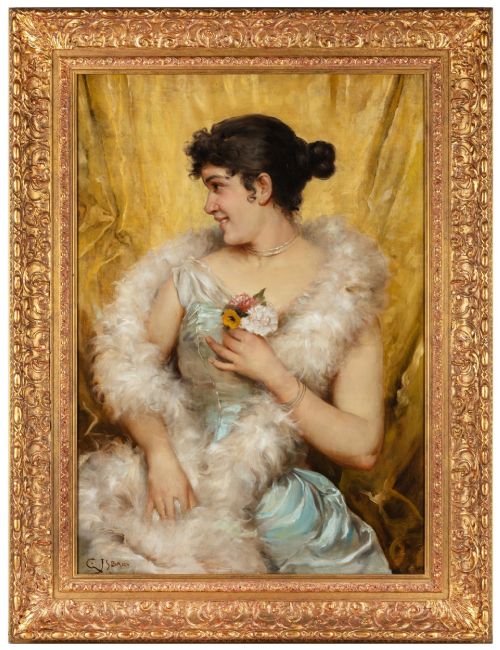
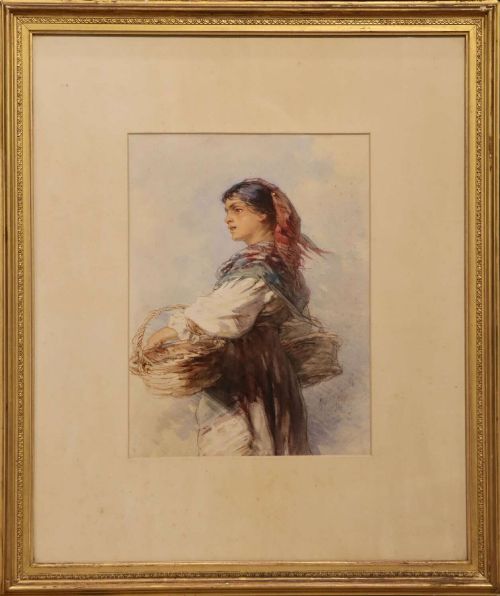
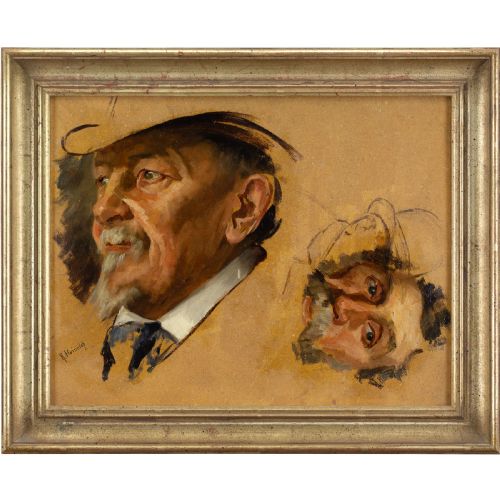
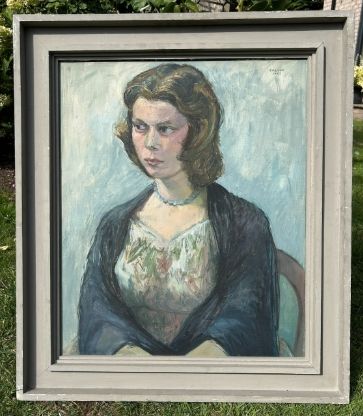

Signed Portrait Painting
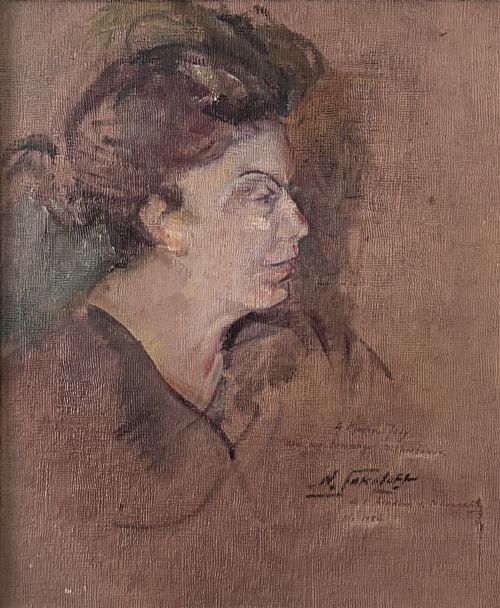
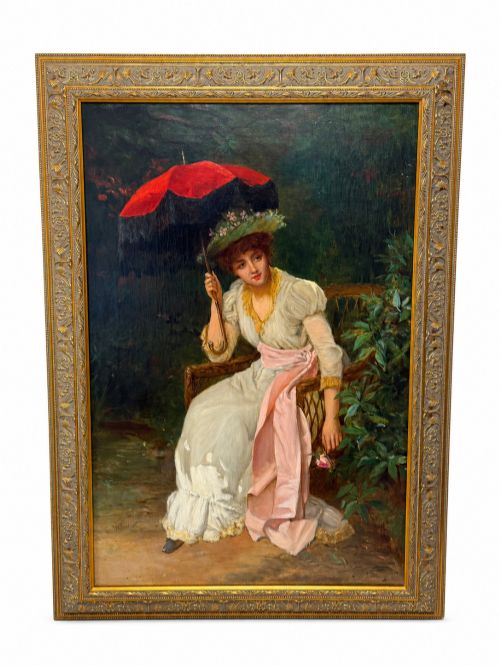
When you explore a signed portrait painting, you acquire an authenticated likeness capturing the distinct character of an individual from past centuries.
Signed Portrait Painting
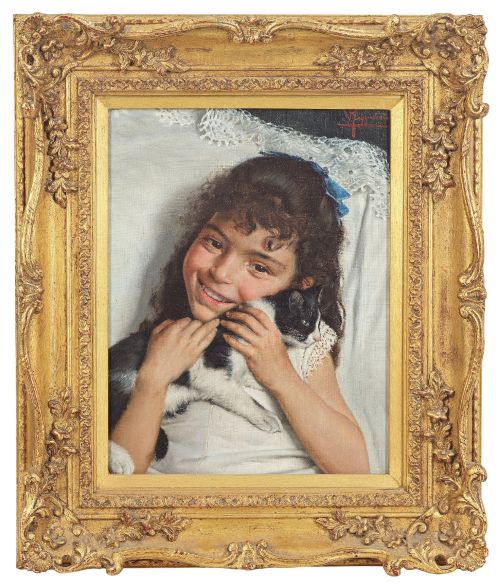
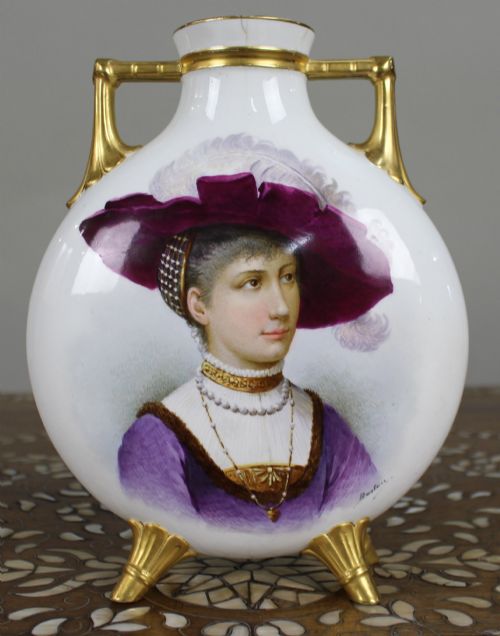
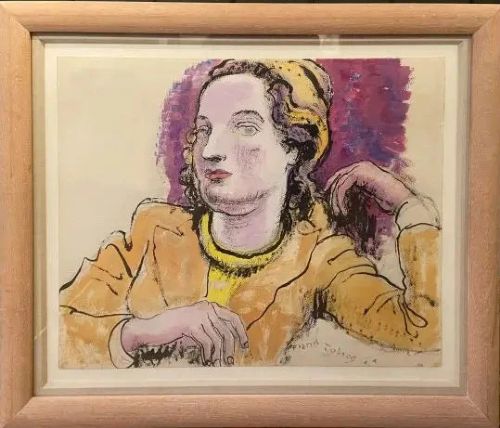
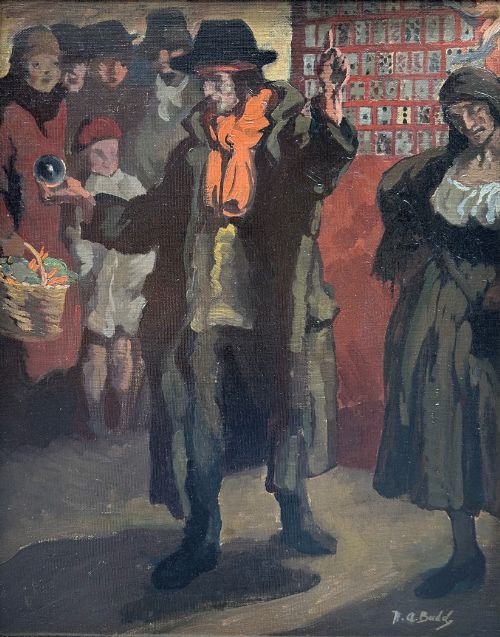
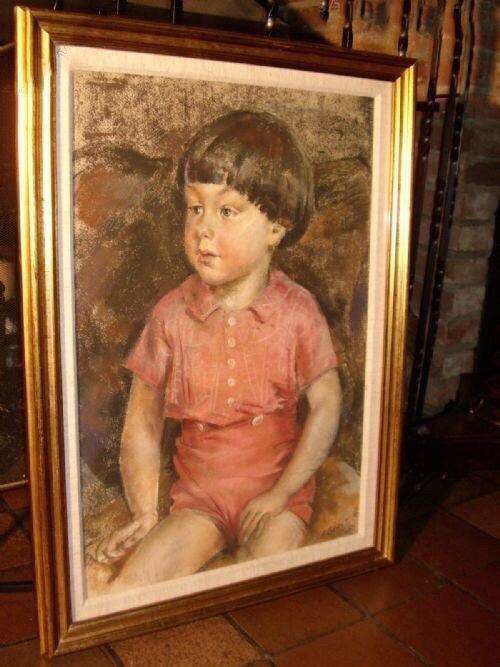
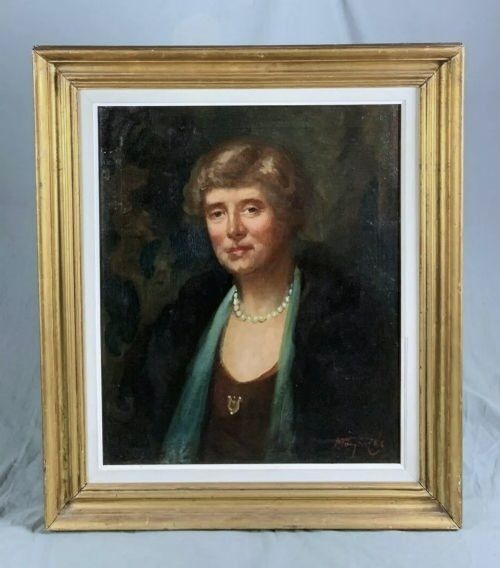
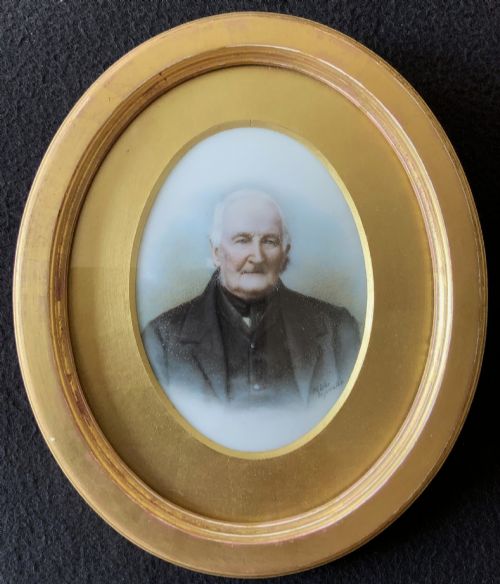
A signed portrait painting represents a direct link to historical sitters, ranging from Georgian nobility to Victorian society figures and mid-century subjects. These works span intimate watercolours on paper and delicate miniatures on glass up to grand oil paintings on canvas.
The pieces on this page emerge primarily from the eighteenth, nineteenth, and mid-twentieth centuries, executed by named artists who left their mark upon the canvas or paper. Buyers frequently encounter framed oil portraits and watercolours bearing visible signatures or contemporary inscriptions.
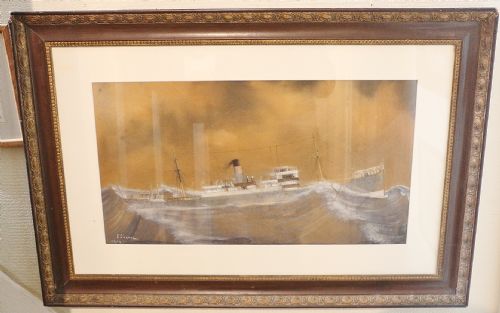
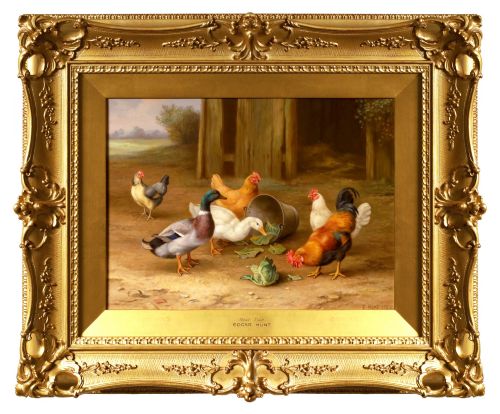
Beyond human subjects, the selection extends to animal portraiture, including prized horses and dogs rendered with the same meticulous attention given to human sitters. Each composition offers a window into the prevailing aesthetic and social standards of its specific era.
How They Were Made
Artists built these works using traditional grounds and supports, applying oil paint or watercolour across stretched canvas, wood panels, copper, and heavy paper. Brushwork ranges from tight, academic precision in Victorian pieces to looser, post-impressionist handling in twentieth-century examples.
Pigments were mixed manually by painters or sourced from early commercial suppliers, bound in oils or water-soluble mediums to achieve lasting depth of tone. Gilt frames, often contemporaneous with the artwork, completed the presentation and protected the edges of the canvas or panel.
Several cats and dogs share wall space with stern Victorian gentry, painted with just as much dignity.
What Varies in Quality
Quality rests upon the artist's ability to render facial expression, bone structure, and hands with anatomical conviction rather than mere formulaic repetition. Superior examples display confident draughtsmanship and subtle tonal gradations that impart genuine life to the sitter.
The prominence of the maker within historical records and the degree of finish in the surrounding drapery or background further distinguish accomplished works from standard studio output. Preservation of the original paint surface without extensive modern intervention maintains the integrity of the artist's hand.
G. J. S. Bary·Guido Bach·Vittorio Reggianini·Frank Dobson·Herbert Ashwin Budd·Trajan Hughes·William Oliver·Edgar Hunt·Charles James McCall·John Emms·Nicolaes Maes·Henri Vincent-Anglade·Septimus Scott·Basil Nightingale·William Williams·Lance Calkin·Philippa Maynard Romer·John Miers·Philip Naviasky·Sir Joshua Reynolds·John Vanderbank·John Downman·Godfrey Kneller·William Shuter·Henry Pickering
The Signed Portrait Painting Glossary
- Oil on canvas
- Pigment mixed with drying oil applied to a woven fabric support stretched across a wooden frame. This combination allows for rich blending and textured impasto.
- Watercolour
- Finely ground pigment suspended in a water-soluble binder, traditionally painted on paper. It creates luminous, transparent washes of colour.
- Portrait miniature
- A small, highly detailed painting executed on ivory, vellum, card, or glass. These portable likenesses were frequently worn as jewellery or kept in protective cases.
- Pinxit
- A Latin term meaning 'painted by', historically inscribed by the artist alongside their signature. It denotes authorship on eighteenth and nineteenth-century works.
- Provenance
- The documented history of ownership associated with an artwork. A clear chain of custody verifies the authenticity and age of the piece.
Signed Portrait Painting: Frequently Asked Questions
How do I identify the artist?
Look for visible signatures, monograms, or dates inscribed directly into the paint surface or written on the reverse of the canvas or panel. Contemporary exhibition labels and framing stamps also provide vital clues to authorship.
Compare the signature against known examples by recorded practitioners from the same period. Archival exhibition records and dealer listings often confirm the identities of listed artists.
Were these painted from life?
Many portraits were executed directly from sitting models in the artist's studio over multiple sessions. Commissioned works in particular required the subject to pose formally for the painter.
Some posthumous works or copies relied instead on earlier sketches, photographs, or existing miniatures. Commission records or family provenances frequently clarify the circumstances of the sitting.
How should I hang a portrait?
Position the painting at eye level on a stable wall away from direct sunlight and strong heat sources. Stable indoor humidity prevents the canvas or wooden panel from warping over time.
Ensure the hanging wire and wall fixings adequately support the combined weight of the artwork and its heavy gilt frame. Avoid damp spaces such as unheated exterior walls.
What does a signature tell us?
A verified signature confirms the specific hand responsible for the creation of the likeness and aids in dating the piece securely. It links the artwork to a documented career and body of surviving output.
Signatures must be evaluated alongside the materials, style, and period characteristics of the support. An authentic signature matches the medium and age of the surrounding paint layer.