


Regency Period Miniature Painting
Regency period miniature painting works capture intimate likenesses in watercolour, silhouette and enamel, bringing small-scale Georgian elegance into modern interiors.
Regency Period Miniature Painting
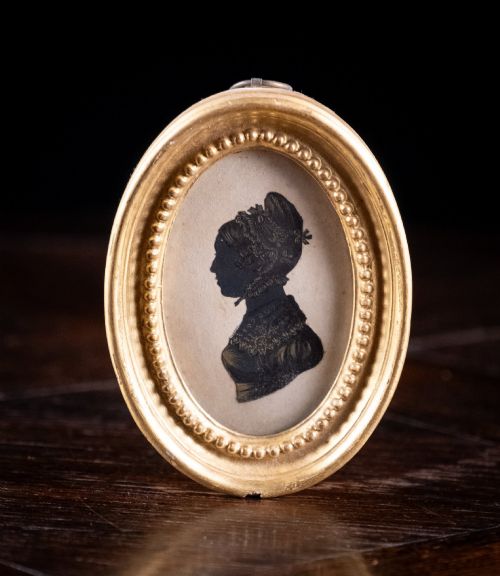
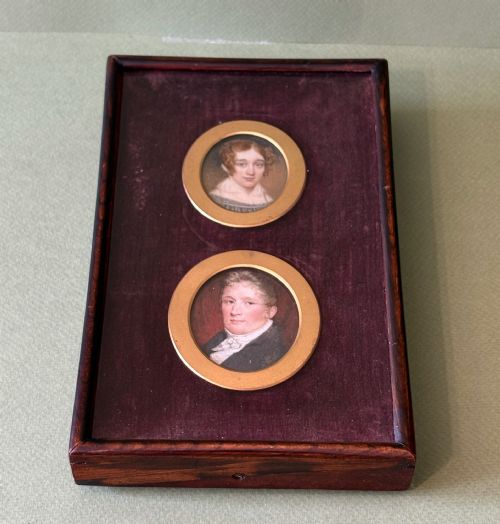
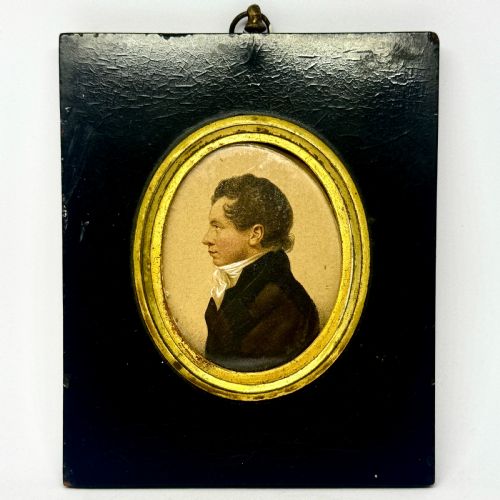
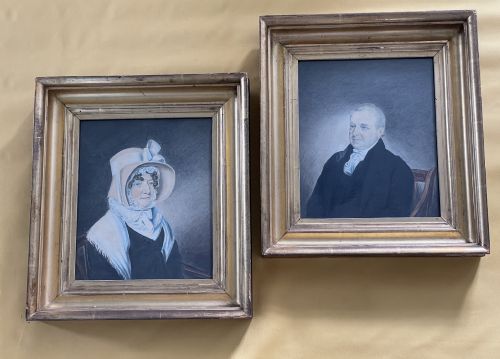
A regency period miniature painting presents an intensely personal likeness, often framed for intimate display on walls or mantelpieces. These works capture subjects ranging from young girls in white dresses to distinguished gentlemen.
The pieces on this page span the Regency, Georgian, and wider nineteenth-century eras, reflecting the sartorial details and artistic conventions of the period. Portrait miniatures and silhouette paintings dominate the selection, appearing singly or in pairs.
Origins trace directly to English makers working during the early decades of the eighteen-hundreds. Buyers encounter delicate watercolour studies alongside silhouettes painted on glass and enamel plaques.
Materials and construction
Artists executed these works using watercolour, ink, and gouache applied to paper or prepared surfaces. Skilled hands utilised gold leaf and fine brushwork to illuminate details such as lace collars and ribbons.
Framing materials include ebonised wood, gilt metal, brass, and gilt wood, often protected by convex glass. Silhouettes frequently utilise glass as a ground, combining black pigment with subtle touches of colour.
Sailors departing and returning found immortality on tiny enamel plaques, proving romance survived the roughest seas.
Markers of quality
The finesse of the brushwork and the psychological depth of the sitter distinguish superior examples. A master painter renders facial expressions and textile textures with extraordinary economy of line.
Original frames and protective glass contribute significantly to the integrity of a piece. The preservation of pigments, particularly delicate watercolours and gold leaf, marks the division between well-kept works and faded remnants.
Thomas Woolnoth·Emma Kendrick
The Regency Period Miniature Painting Glossary
- Silhouette
- A profile portrait filled in with a solid colour, typically black, and occasionally enhanced with white highlights or colour on glass. This technique gained immense popularity during the Georgian and Regency eras.
- Gouache
- An opaque watercolour medium containing a white pigment filler that allows for solid, matte areas of colour. Artists used it alongside traditional transparent watercolour to build density in miniature portraits.
- Ebonised
- Wood finished to resemble ebony through staining or painting dark. Frames treated in this manner provide a sharp, contrasting border that accentuates the lightness of the miniature within.
- Enamel plaque
- A small metal plate fused with vitreous glass powder under high heat, providing a glossy, durable surface for painted scenes. These pieces resist fading over centuries.
Regency Period Miniature Painting: Frequently Asked Questions
How were miniature portraits displayed?
These small works hung on walls in intimate groupings or stood on desks and mantelpieces where owners could admire them closely. Their portable nature meant families carried likenesses of loved ones during travel.
Frames were designed specifically to protect the delicate media from dust and light while complementing the interior aesthetics of Regency homes.
What is a silhouette painted on glass?
A reverse-painted silhouette involves applying dark pigment directly to the underside of a glass pane, sometimes adding gold leaf or subtle colour details. This method creates a brilliant depth and protects the painted surface from atmospheric damage.
When held to the light or set against a pale backing, the layered pigments achieve a luminous quality distinct from paper silhouettes.
How do I date a Regency miniature?
Costume details offer the most reliable clues for dating, such as the high-waisted muslin dresses worn by women or the specific cravats and coats favoured by gentlemen around eighteen-twenty. Hairstyles and framing styles also shift perceptibly between the Georgian and later nineteenth-century periods.
Inscribed details on the reverse or accompanying documentation occasionally provide precise years or sitter identifications.
Can I hang miniatures in sunlight?
Watercolours and organic pigments used in early nineteenth-century art are sensitive to ultraviolet light and will fade permanently if exposed to direct sun. Displaying them on interior walls away from windows preserves their original colour intensity.
Acid-free backing materials and sealed frames also protect the paper and painted surfaces from humidity fluctuations.