
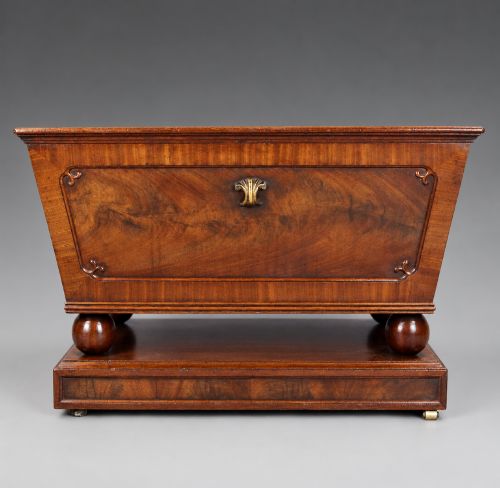
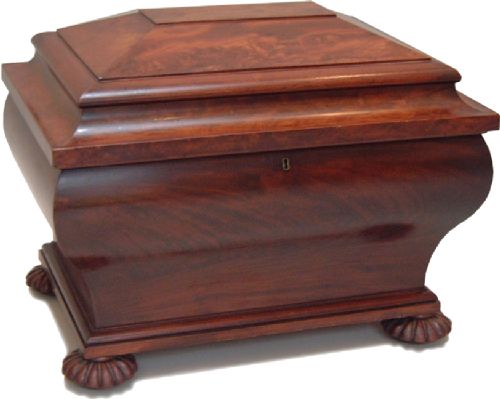
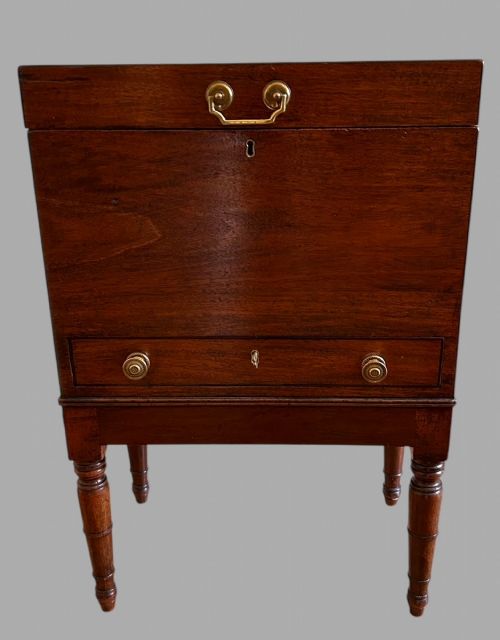
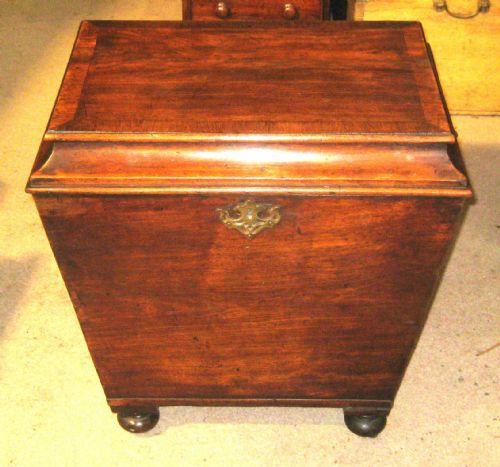


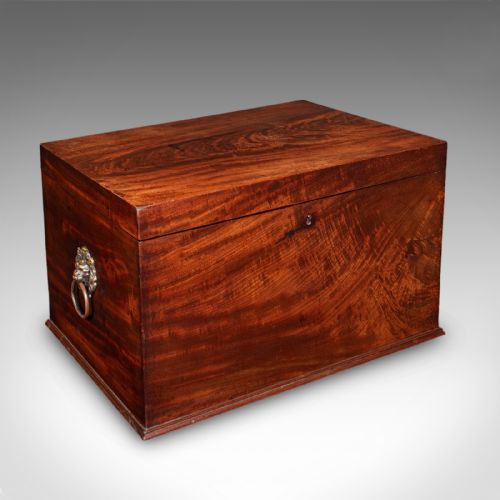


Regency Mahogany Wine Chest
A regency mahogany wine chest is a robust container built to keep bottles cool and secure during grand dinners.
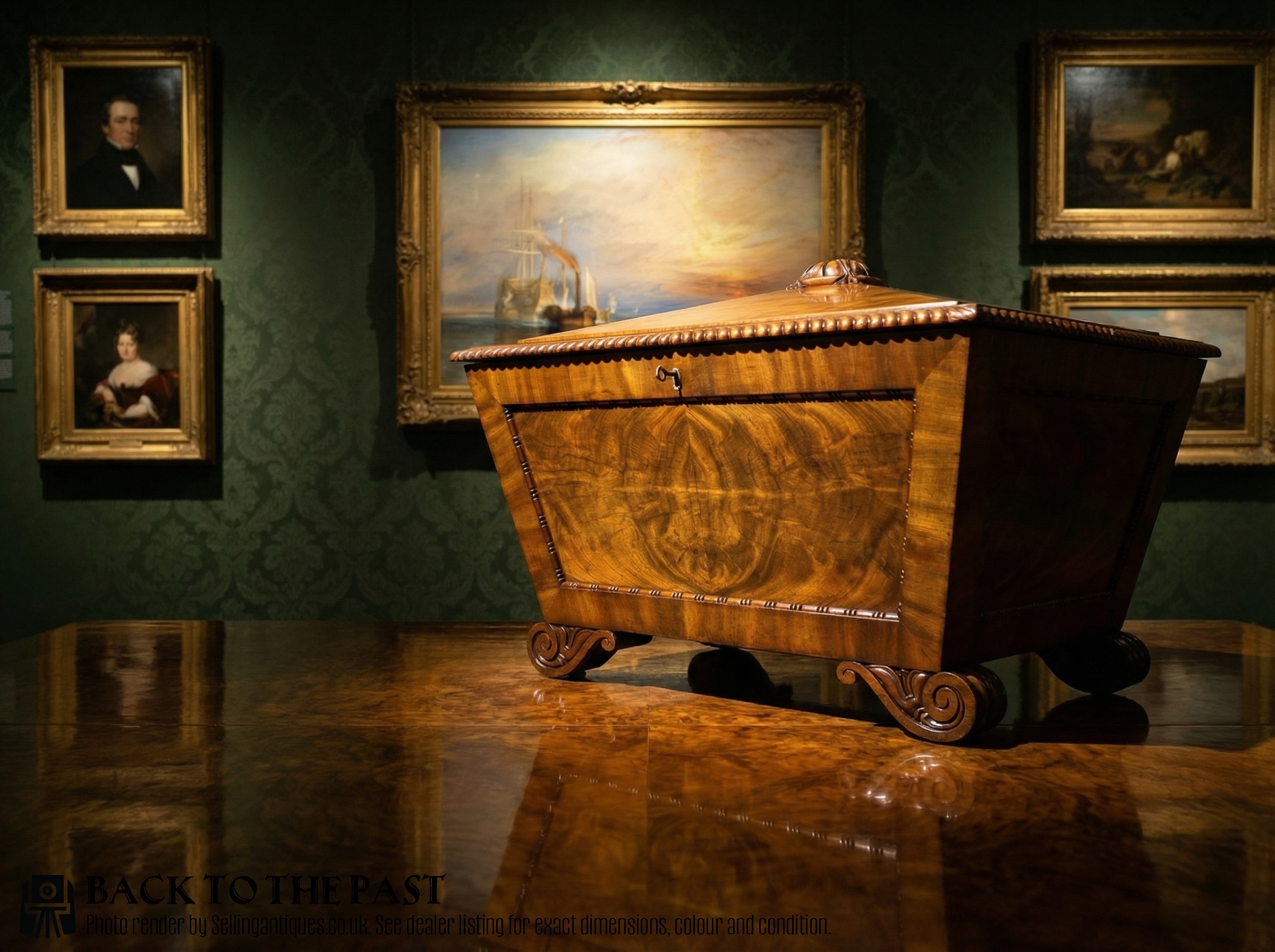
Regency Mahogany Wine Chest
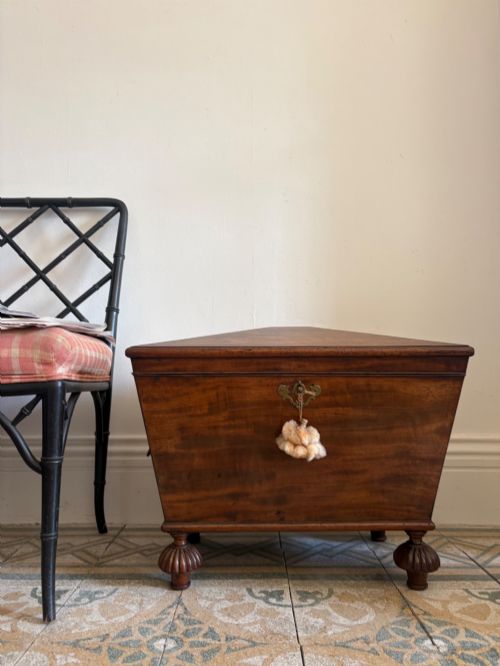
A regency mahogany wine chest principally takes the form of a sarcophagus shaped cellarette or wine cooler designed for formal dining rooms. These pieces originate predominantly from the nineteenth century, including the Regency and Georgian periods, alongside later revivals.
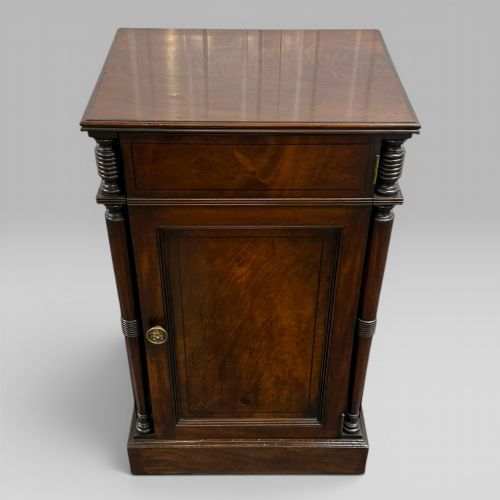
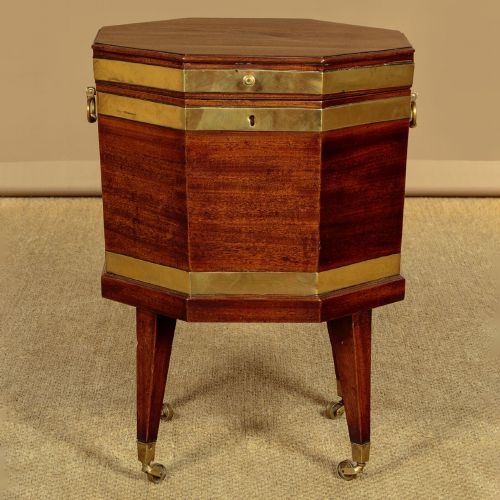
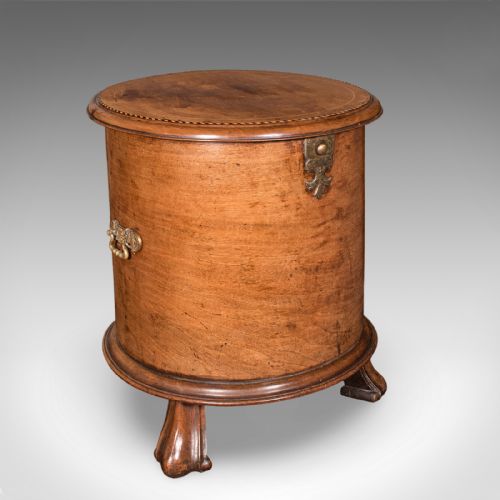
Buyers will encounter various structural formats on this page, ranging from grand sarcophagus bodies on paw feet to neat box cellarettes and plate warmer pedestals. Some items incorporate specialised storage arrangements such as internal lead liners for holding ice.
The materials span solid timbers and veneers with metal hardware, reflecting the practical needs of storing heavy glass bottles. Most examples adhere closely to classic Regency and William IV design vocabulary.
Distinctions in Quality
The standard of a regency mahogany wine chest rests on the choice of timber figure, such as highly figured flame mahogany veneers matched symmetrically across the lid and sides. Superior examples display crisp, hand-carved details and substantial brass or ormolu mounts rather than plain or cast substitutes.
Proportion and structural integrity distinguish finer workshops from standard production. Pieces demonstrating attribution to notable makers or exhibiting original internal lead liners retain greater historical completeness.
Regency Mahogany Wine Chest Retail Price Guide 2026
Typical asking prices for regency mahogany wine chest among the pieces listed under this phrase on Sellingantiques today, from the lower quarter to the upper quarter. They describe what is for sale here now, not the wider market.
Some nineteenth-century cellarettes double as impromptu storage boxes for unexpected household items.
Gillows·Thomas Hope·Gillingtons·T Feetham·Maples and Co
The Regency Mahogany Wine Chest Glossary
- Cellarette
- A lockable container used for storing wine bottles near the dining table. They frequently incorporate internal partitions to keep bottles separated.
- Sarcophagus
- A burial-chest shape adapted by Regency furniture designers for wine coolers and cellarettes, typically featuring a peaked lid and tapered body.
- Flame mahogany
- A highly figured tropical hardwood veneer displaying a distinctive flickering flame pattern. Cabinet makers reserved this timber for prominent exterior surfaces.
- Lead liner
- A protective metal insert placed inside wine coolers to hold ice and water safely. Original liners show evidence of period use.
- Ornaments and mounts
- Cast metal decorative elements applied to furniture. Ormolu specifically denotes gilded bronze detailing found on high-status pieces.
Regency Mahogany Wine Chest: Frequently Asked Questions
How were these chests used?
Servants filled the internal lead-lined compartments with ice and placed wine bottles inside to chill before dinner service. The heavy lids helped maintain the internal temperature during long meals.
Locked variants also kept expensive vintages secure from household staff when the dining room was unattended.
Where should I place one?
These low chests sit comfortably beneath sideboards, beside dining tables, or as freestanding statement pieces in a reception room. Their finished backs allow them to stand away from walls.
They also function effectively as low storage tables for books or blankets in living spaces.
How do I spot a true Regency piece?
Examine the timber selection, construction methods, and hardware style to determine age. True Regency items from the early nineteenth century utilise old growth mahogany and hand-cut joinery.
Later Victorian revivals and twentieth-century reproductions often employ different secondary woods and machine-made screws.
Do original lead liners matter?
Original lead liners confirm the primary function of the piece as a wet wine cooler rather than a dry storage box. Finding a chest with its period liner intact is uncommon.
Many liners were removed over the decades if the timber bottom suffered moisture damage.