



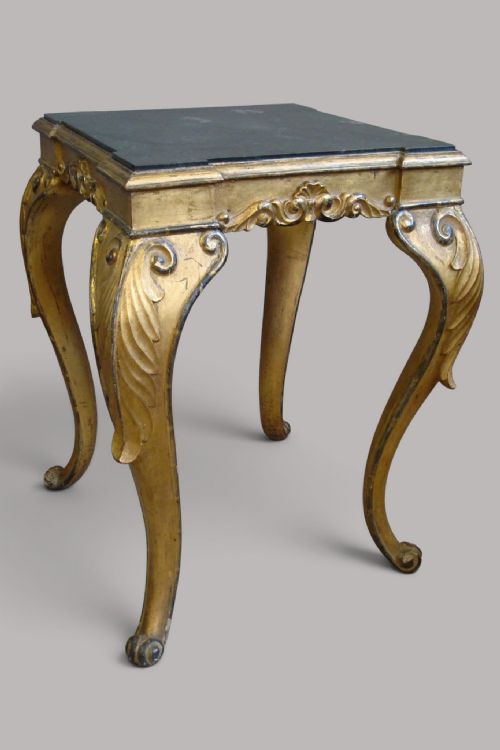




Regency Giltwood Furniture
Regency giltwood furniture brings sculptural neoclassical brilliance into a room through carved timber, gesso, and radiant gold leaf.
Regency Giltwood Furniture
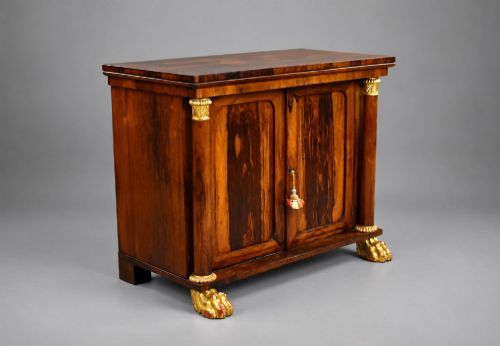
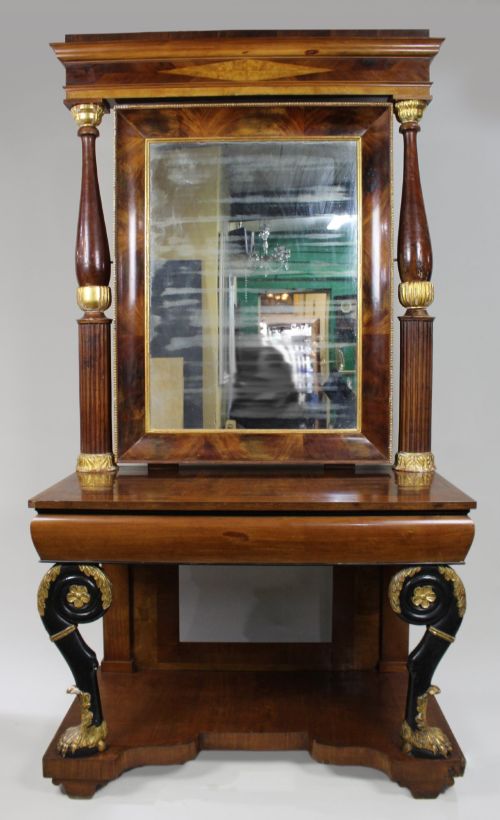
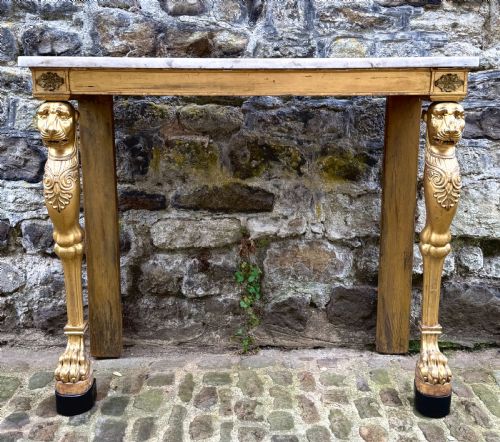
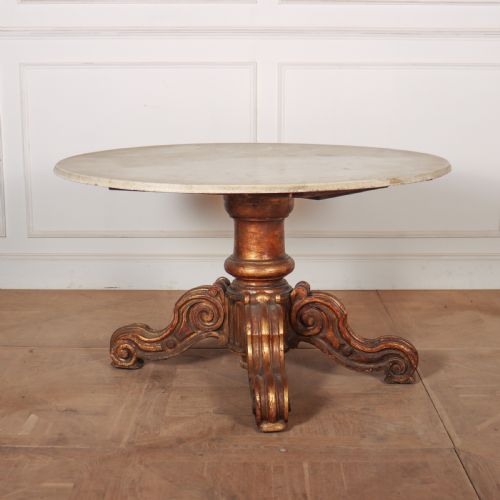
When you search for regency giltwood furniture, you encounter grand console tables, centre tables, window seats, and wall shelves shaped by Regency, Grand Regency, and Italian Empire aesthetics. These pieces combine architectural form with decorative gilding.
The versions most likely to meet you on this page span the Regency period and the later Regency Revival, extending into the nineteenth and early twentieth centuries. They appear alongside related forms such as pole screens and torcheres.
Makers and origins reach from English workshops to Irish establishments and Italian ateliers, utilising materials like rosewood, pollard oak, flame mahogany, and marble alongside traditional timber cores.
How they were made
Craftsmen built the structural carcases using timber, rosewood, walnut, and mahogany, often employing fine wood veneers and pollard oak to create rich textural contrast beneath the surface finishes.
Carved wooden details and gesso mouldings received applications of gold leaf to produce the characteristic giltwood finish, while other elements incorporated marble tops, glass panels, and cane work.
Regency Giltwood Furniture Retail Price Guide 2026
Typical asking prices for regency giltwood furniture among the pieces listed under this phrase on Sellingantiques today, from the lower quarter to the upper quarter. They describe what is for sale here now, not the wider market.
Current listings feature console tables, centre tables, window seats, and torcheres across the Regency and early twentieth century eras.
What varies in quality
Quality rests upon the crispness of the gesso carving and the depth of the gilding, where superior surfaces reflect light evenly across intricate neoclassical motifs.
Substantial proportions and the selection of dense timbers like rosewood or flame mahogany distinguish the more ambitious pieces from simpler revival items.
Strahan of Dublin
The Regency Giltwood Furniture Glossary
- Giltwood
- Wood carved and coated with gold leaf. This surface finish defines the brightest decorative objects of the Regency era.
- Gesso
- A plaster mixture applied to wood as a base for gilding. It allows craftsmen to model sharp relief ornamentation before applying gold leaf.
- Console table
- A wall table supported by brackets or legs. These pieces frequently feature marble tops and elaborate giltwood frames.
- Torchere
- A tall stand designed to hold a light. They often appear in matched pairs with neoclassical carved details.
- Pole screen
- An adjustable fireside screen with a vertical shaft. They shield inhabitants from hearth heat while displaying decorative panels.
Regency Giltwood Furniture: Frequently Asked Questions
What is regency giltwood furniture?
Regency giltwood furniture comprises decorative tables, seats, and stands finished with gold leaf over carved wood or gesso. These items stem from the Regency period and later revival movements.
They showcase neoclassical motifs and luxurious materials such as marble, rosewood, and mahogany.
How were console tables used?
Console tables stood against drawing room walls, often anchored with wall fixings or substantial legs. They served as display surfaces for decorative objects and mirrors.
Their marble tops provided durable and elegant service for lamps and ornamental urns.
What is a torchere stand?
A torchere is a tall, slender stand originally built to elevate candlesticks or oil lamps. In grand interiors, they illuminated dark corners of principal rooms.
Today they function as sculptural pedestals for vases and sculpture.
How do you date giltwood pieces?
Dating relies upon stylistic cues like neoclassical proportions, timber choices such as pollard oak or flame mahogany, and construction methods. Surviving labels also connect pieces to specific cabinetmakers.
Revival pieces from the nineteenth and twentieth centuries often emulate these earlier forms.