


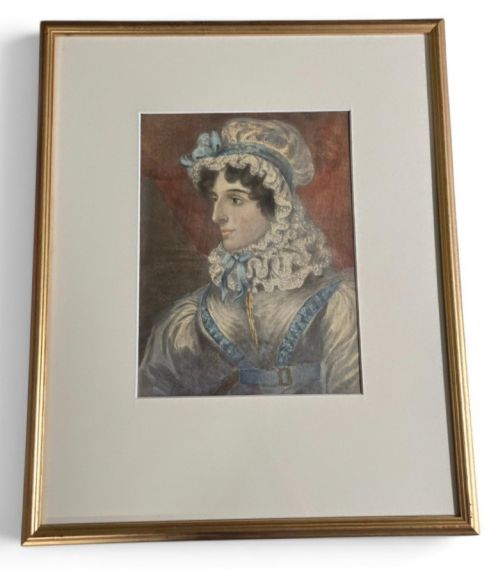
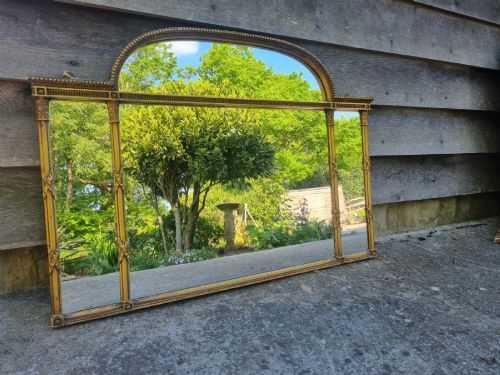
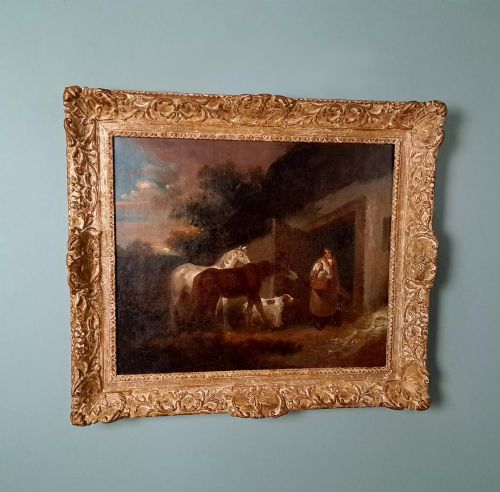
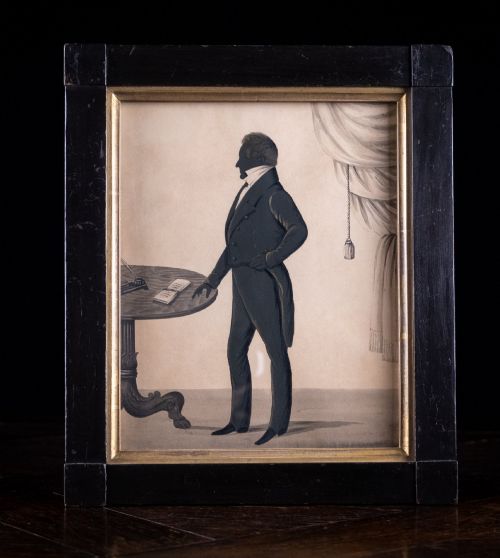
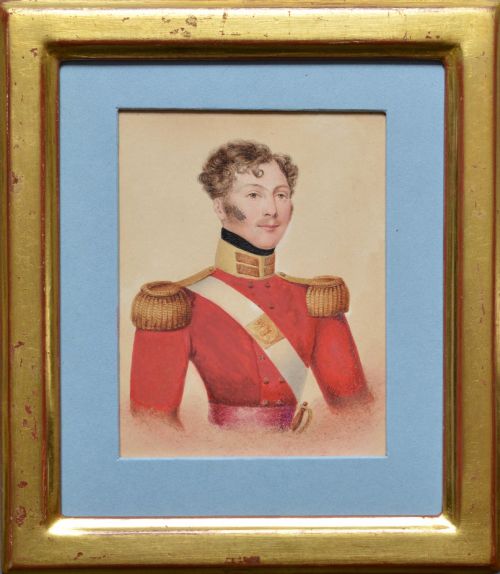
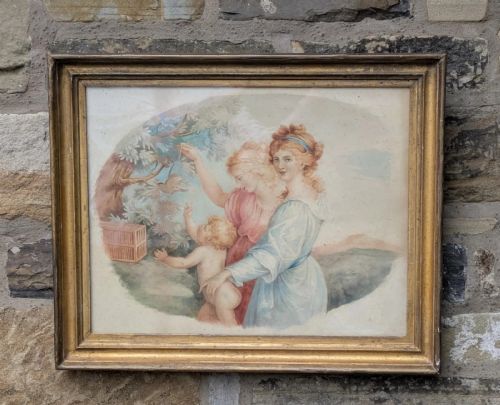
Regency Gilt Frame
When you search for a regency gilt frame, you encounter the gleaming surfaces and bold neoclassical lines that defined British interiors at the turn of the nineteenth century.
Regency Gilt Frame
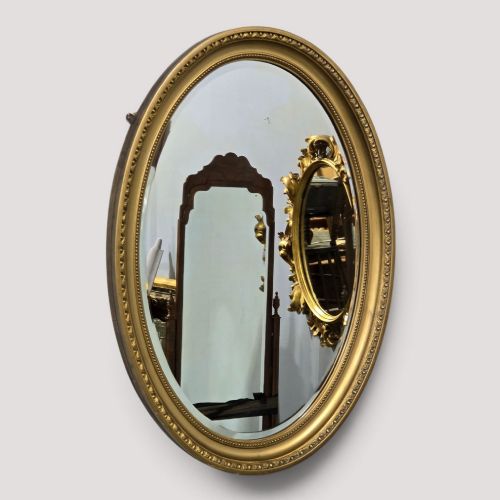
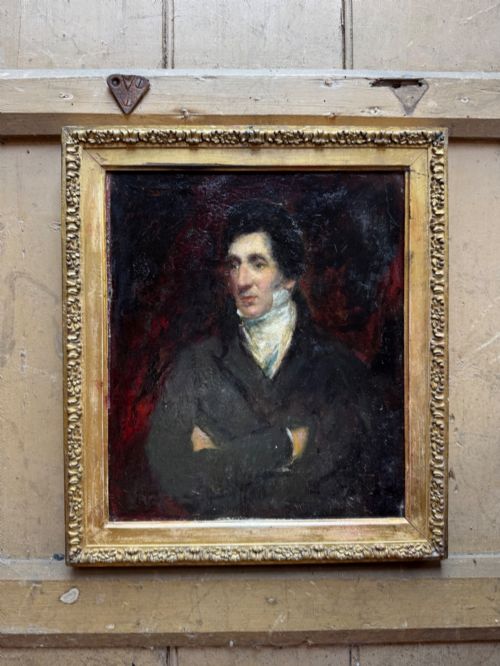
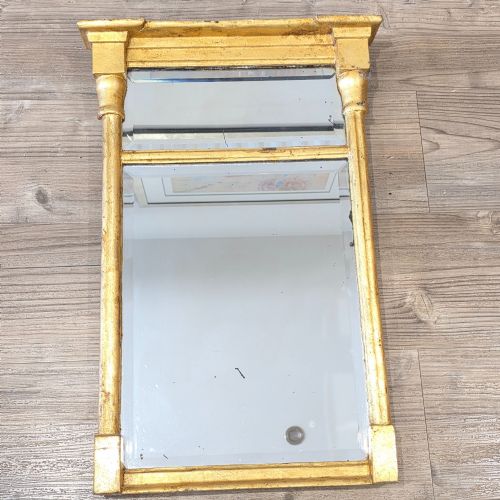
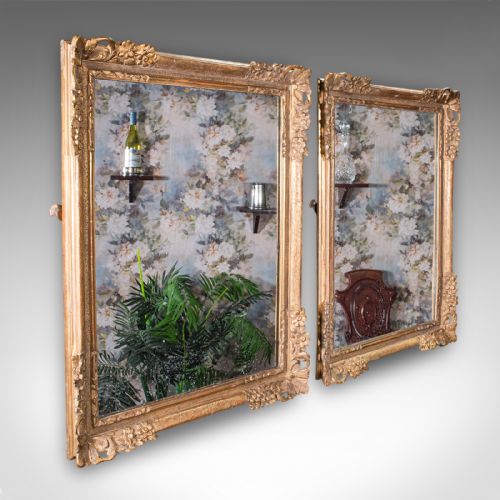
A regency gilt frame brings together the distinctive visual vocabulary of the early nineteenth century, encompassing circular convex mirrors, grand overmantels, and pier glasses designed to catch and amplify natural light. These pieces range from modest picture surrounds to massive architectural looking glasses, frequently executed in the neoclassical or later revival styles.
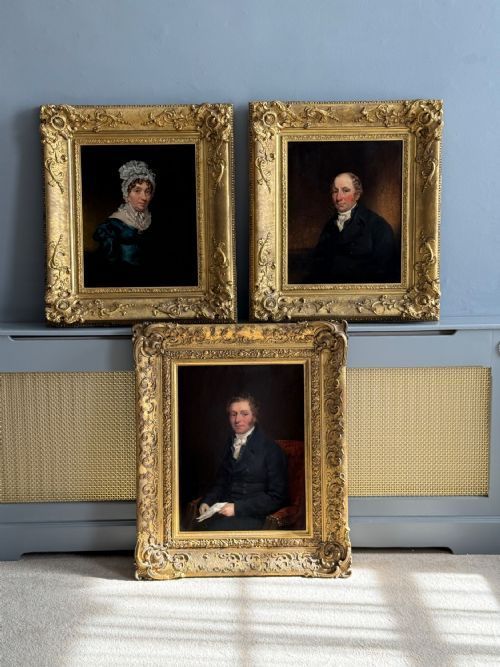
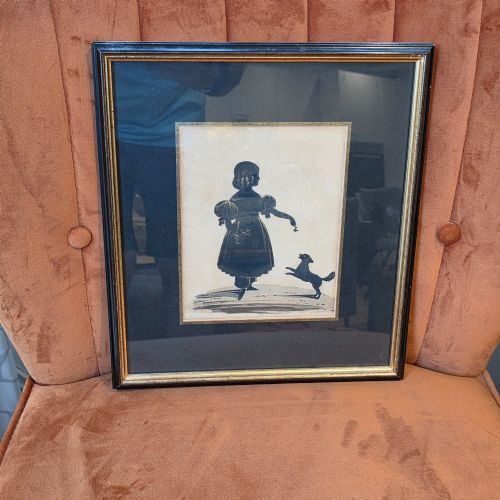
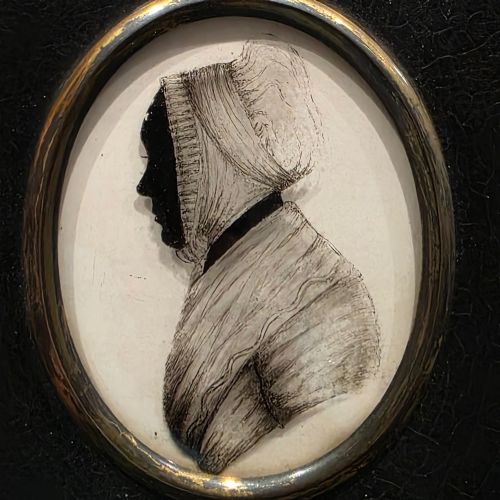
The objects listed under this description serve primarily as decorative focal points for principal rooms, housing everything from original silvered mirror plates and oil portraits to botanical watercolours and silk embroideries. Convex variants often incorporate ebonised reeded slips and elaborate crestings such as eagles, while rectangular formats rely on rope twist or column mouldings.
Buyers meeting these pieces on the market will find examples spanning actual Regency manufacture alongside later nineteenth-century revivals and early twentieth-century copies. The survivals demonstrate a clear preference for carved wood structures finished in gold leaf or composition gesso over a timber base.
How They Were Made
Makers constructed the foundational carcass of a regency gilt frame using native softwoods or hardwoods like pine, walnut, and rosewood, joined securely at the mitres to support the weight of heavy glass plates. Upon this timber base, artisans applied layers of gesso - a mixture of chalk and size - which provided a smooth, responsive surface for intricate carved or moulded ornamentation.
The brilliant metallic finish was achieved by applying thin sheets of gold leaf directly to a prepared bole, or through the application of liquid gilding on lesser examples. Convex mirror plates required specialised glass-blowing techniques to produce the curved surface necessary for wide-angle reflection, held securely within deep moulded rims often accented with ball garnishes.
Carved wooden details, rope twists, and classical reeding were frequently augmented with moulded composition ornaments pressed into place while pliable. These composite techniques allowed workshops to produce the rich ornamentation characteristic of the period with consistent depth and relief.
Listings feature items spanning the 18th century, the Regency period, and later 19th-century Victorian revivals.
What Varies In Quality
The standard of a regency gilt frame rests heavily on the crispness of its original ornamentation and the depth of the gilding itself. Finer examples display sharp, hand-carved wooden enrichment where lesser pieces rely entirely on heavy, uniform composition mouldings that soften over time.
The integrity of the surface finish distinguishes superior survivals, particularly those retaining their original gilding without heavy over-painting or chemical stripping. Original mirror plates containing foxing, distortion, or handwritten backing notes command greater interest than modern replacement glass.
Structural harmony also dictates value, seen in the balance of proportions between the frame profile, the inner ebonised reeded slip, and any architectural surmounts such as carved eagles or crest panels. Workshop execution by documented cabinet makers or frame specialists elevates an object above anonymous provincial production.
Miles And Edwards·The Hubard Gallery London
The Regency Gilt Frame Glossary
- Giltwood
- Timber carved and surfaced with real gold leaf. This material forms the primary aesthetic baseline for high-status nineteenth-century frames.
- Gesso
- A dense plaster mixture applied to wood frames to receive fine carving and gilding. It creates the smooth white base beneath the metallic leaf.
- Convex Mirror
- A circular looking glass with an outward-curving plate designed to reflect a wide field of view. These forms frequently feature integrated ball-bearing bezels.
- Overmantel
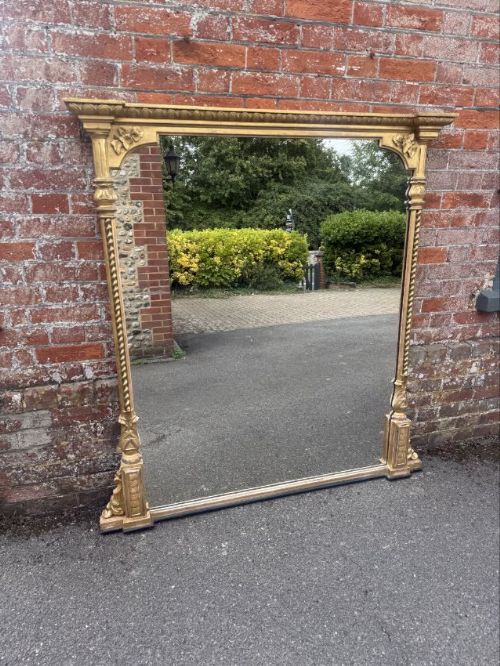
- A wide horizontal mirror or frame designed specifically to hang above a fireplace opening. They often incorporate multiple plates divided by classical columns.
- Ebonised Slip
- A thin, blackened interior moulding that separates the main gilt frame from the glass or canvas. It provides sharp visual contrast to the surrounding gold.
Regency Gilt Frame: Frequently Asked Questions
How do I date a gilt frame?
Dating relies on examining the construction timber, the composition of the gesso, and the style of assembly at the corners. Earlier pieces utilise hand-carved wooden details and older pine or hardwood carcasses.
Later Victorian and Edwardian revivals often employ machine-cut mouldings and brighter, modern metallic paints that lack the soft patina of genuine nineteenth-century gold leaf.
Are convex mirrors period correct?
Convex mirrors enjoyed immense popularity during the Regency era as functional and decorative centrepieces for dining rooms and drawing rooms. Their curved plates offered wide panoramic reflections of the surrounding interior.
Original examples from this period typically feature heavy carved frames, often adorned with eagle surmounts or candle arms known as girandoles.
What is an overmantel mirror?
An overmantel is a large, horizontal looking glass created to sit directly above a fireplace mantelpiece. They reflect firelight and brighten darker rooms during winter evenings.
These frames often feature column-supported sides or ornate rope-twist borders reflecting neoclassical and robust architectural tastes of the nineteenth century.
How should I clean antique gilding?
Cleaning antique gold leaf requires extreme caution because the metallic layer is exceptionally thin and easily abraded. Dusting should be performed gently with a very soft, dry brush.
Water, chemical solvents, and modern household cleaners must be avoided entirely, as moisture quickly dissolves the underlying gesso and historical bole layers.