








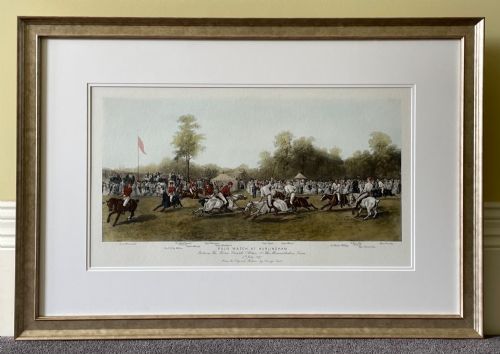


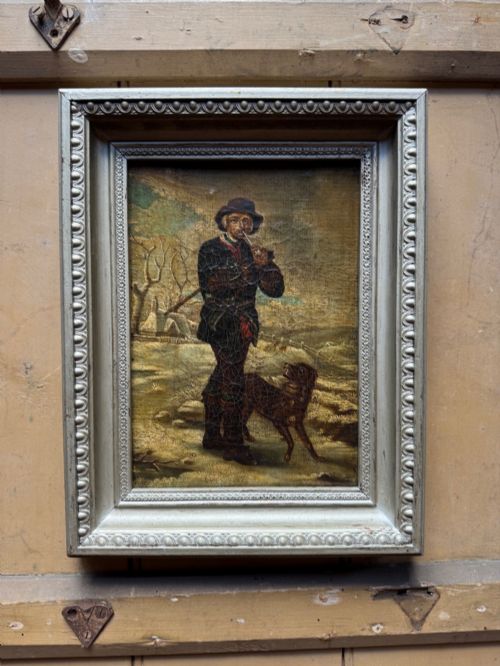
Traditional Gilt Frame
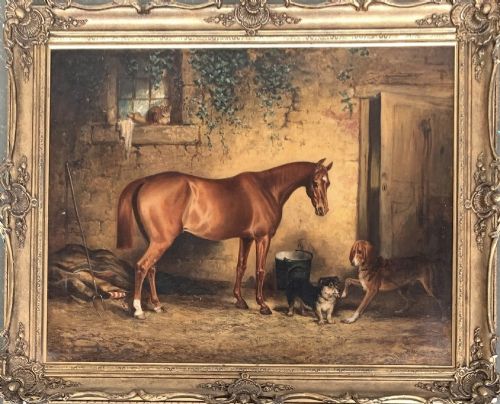
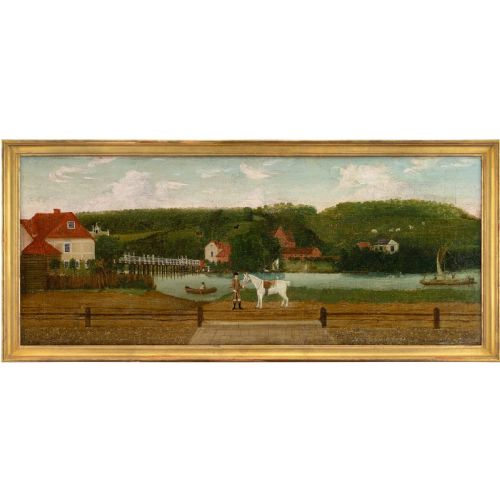
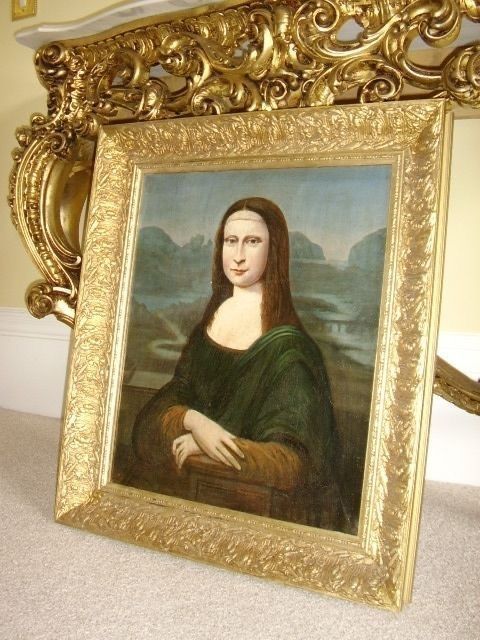
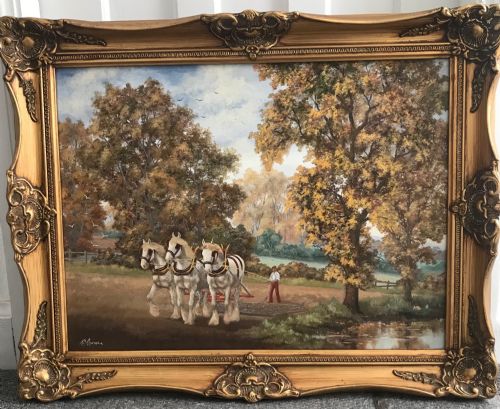
A traditional gilt frame holds a landscape, portrait or mirror, bringing warmth and metallic depth to a wall.
Traditional Gilt Frame
When you search for a traditional gilt frame, you encounter oil paintings, watercolours, mezzotints and wall mirrors dating from the eighteenth century through to the mid-twentieth century.
The selection on this page leans heavily towards nineteenth-century portraits and landscapes, alongside large Victorian overmantel mirrors and pier mirrors.
Pieces originate from British and European hands, spanning Georgian elegance, Regency restraint, Victorian ornamentation and later traditional country styles.
Materials and construction methods
Carved timber and wood form the structural foundation of these pieces, providing a stable base for the decorative surface layers.
Gesso is applied over the wood base to build up crisp relief details, mouldings and ornate carved motifs before gilding.
Real gold leaf or metal gilt finishes are laid over the prepared surfaces to catch the light and create a luminous metallic sheen.
A prized shorthorn bull shares wall space with serene lakes and maritime shipwrecks, proving cows had their moment in the gilded spotlight.
Distinctions in craftsmanship and preservation
The crispness of the carved wood and gesso ornamentation determines the calibre of the piece, separating deep hand-carved relief from softer, repetitive moulding.
The integrity of the gilt surface matters greatly, with superior examples retaining their original burnished metallic warmth rather than suffering from heavy modern repainting.
Structural stability in large overmantel and wall mirrors indicates how well the timber frame has withstood atmospheric changes over the centuries.
William Oliver·Richard Sebastian Bond·James Watson·William Beattie-Brown·Jozsef Molnar
The Traditional Gilt Frame Glossary
- Giltwood
- Wood that has been coated with gold leaf or a metallic finish. This material creates the signature reflective surface seen on traditional frames and mirrors.
- Gesso
- A plaster-like mixture applied to a wooden frame base. It provides a smooth, workable surface for intricate carved details and subsequent gilding.
- Overmantel Mirror
- A large mirror designed to hang specifically above a fireplace mantel. These pieces often feature substantial carved frames intended to anchor a room.
- Mezzotint
- A printmaking process of the intaglio family where tones are created by roughening the copper plate with a rocker. It yields rich, velvety darks suited to portraiture.
- Pier Mirror
- A tall, narrow mirror designed to hang on the wall space between two windows. They frequently incorporate Regency or Victorian styling.
Traditional Gilt Frame: Frequently Asked Questions
How do I date a gilt frame?
Dating relies on examining the construction methods of the underlying wood, the composition of the gesso layer, and the style of the carved ornamentation. Georgian and Regency pieces often show different moulding profiles and joinery compared to later Victorian iterations.
Matching the frame to the period of the oil painting, print or mirror glass it houses provides further confirmation, though frames and artwork are occasionally reunited later in their history.
What is the difference between gesso and giltwood?
Gesso is the foundational plaster mixture applied directly to the carved wooden substrate to build up decorative details and smooth the surface. Giltwood refers specifically to the finished timber object once gold leaf or metallic gilt has been applied over that prepared base.
Together, the timber, gesso and gilt layers form the composite structure characteristic of traditional frames.
How do I hang a heavy overmantel mirror?
Large carved wood and gesso mirrors require secure anchoring directly into wall studs or masonry using heavy-duty fixings suited to the substantial weight of timber and glass. Professional installation is strongly recommended for oversized pieces.
Ensuring the hanging wire or brackets engage with the structural frame rather than decorative trim alone protects the antique integrity of the piece.
Can I clean a traditional gilt frame?
Dusting gently with a soft, dry brush or feather duster helps maintain the surface without disturbing delicate gesso or fragile gold leaf. Moisture, commercial cleaning sprays and abrasive cloths should be avoided entirely to prevent stripping the metallic finish.
For significant build-up of grime, consulting a professional conservator ensures the antique surface remains undamaged.