





Heavy Gold Frame
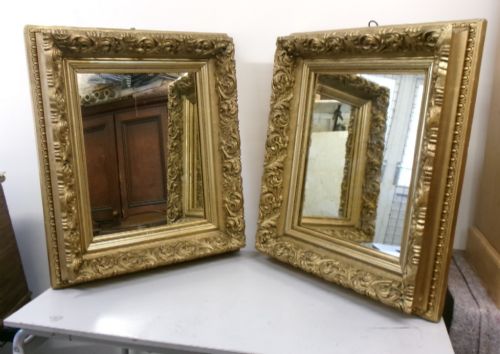
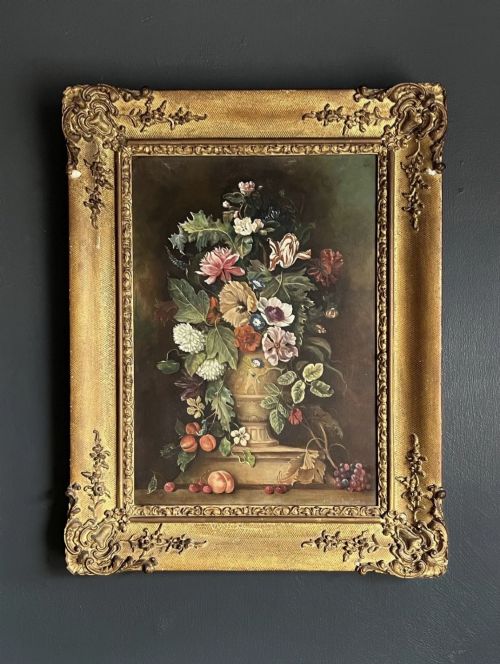
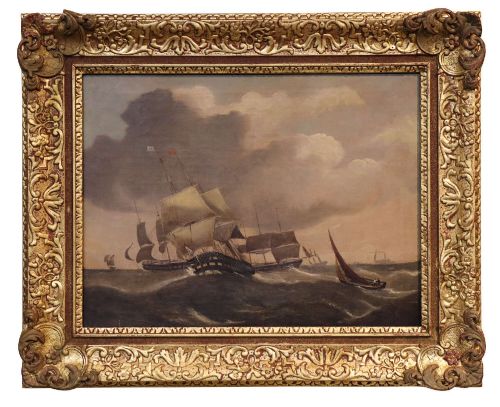
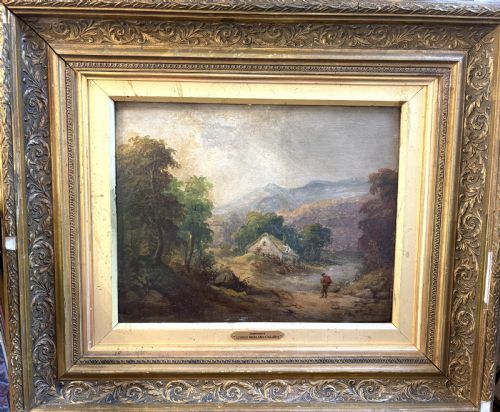
A heavy gold frame brings substance to a wall, housing Victorian oils, deep mirrors and detailed oil paintings.
Heavy Gold Frame
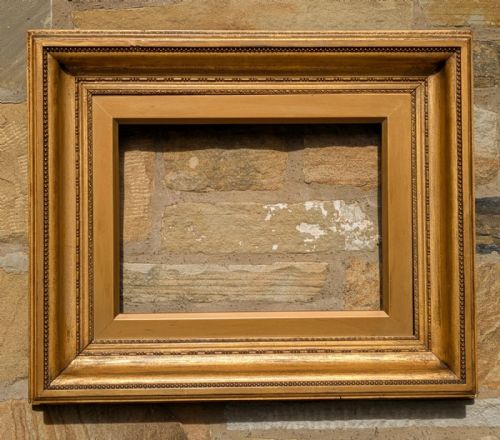
A heavy gold frame functions as a substantial border for oil paintings, wall mirrors and framed art. The pieces encountered here span the nineteenth century, including Victorian examples alongside earlier seventeenth and eighteenth-century items and mid-century works.
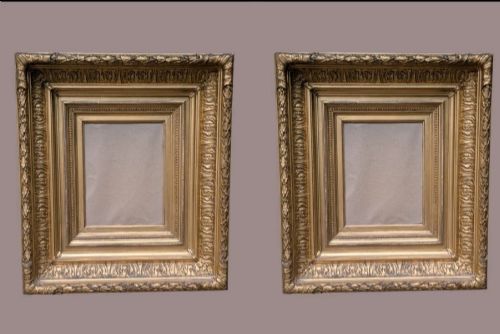
The selection encompasses deep Victorian gilt frames, picture frames for landscape or portrait oils, and large overmantle mirrors. Many house original oil paintings, marine scenes, animal portraits and botanical subjects.
Buyers frequently find substantial gilded timber surrounds, linen slips and ornate mouldings designed to hold canvas, board or glass plate securely. These objects range from empty framing housings to complete works of art set within decorative surrounds.
How they were made
Makers constructed these heavy gold frames using timber foundations carved or moulded into shape. Craftsmen then applied gesso layers, preparing the wooden surface to accept gold leaf or gilding.
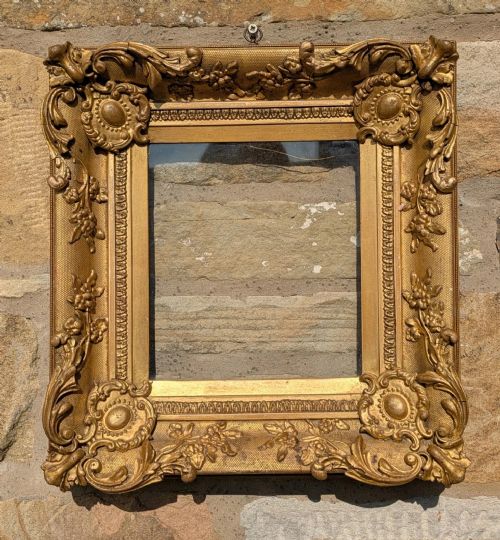
Surfaces often feature sand moulded gesso detailing, deep relief work or rococo revival scrolls executed in wood and plaster. Gilding techniques utilised gold leaf laid over the prepared base, while some pieces incorporated brass, oak, mahogany and glass.
Listings feature items from the seventeenth century through to the mid-twentieth century, predominantly utilising gesso, giltwood, wood and canvas.
What varies in quality
The depth of the moulding and the crispness of the carved or moulded gesso define the visual weight and presence of the piece. Deep Victorian frames with high-relief ornament and intact original gold leaf sit at the upper end of the range.
Construction methods also separate standard production from finer workshop output, particularly in the joinery of the wooden corners and the adherence of the gesso layer to the base. Original glass plates, linen slips and untouched gilded surfaces contribute significantly to the integrity of the object.
George Morland·Andre de Moller·W E Millner·Alexandre Decamps·Ralph Hedley RBA·Agnes Dundas
The Heavy Gold Frame Glossary
- Giltwood
- Wood that has been coated with gold leaf or gold paint. This finish provides the characteristic metallic sheen seen on antique frames and mirrors.
- Gesso
- A plaster mix applied to a wooden frame base to create a smooth surface for gilding. It allows craftsmen to carve or mould intricate relief details.
- Overmantle mirror
- A large wall mirror designed to hang above a fireplace mantel. These examples often feature heavy nineteenth-century frames.
- Linen slip
- An inner fabric border placed between the painting and the outer frame moulding. It acts as a visual buffer for oil paintings.
- Rococo Revival
- A nineteenth-century decorative style reviving eighteenth-century asymmetrical scrollwork and shell motifs. Frames from this period display deep, exuberant curves.
Heavy Gold Frame: Frequently Asked Questions
How do I hang a heavy gold frame safely?
These frames carry significant weight due to their dense wooden construction and thick gesso layers. Secure them directly into wall studs using appropriate fixings rated for heavy loads.
Ensure the hanging wire or brackets attached to the back match the mass of the piece. Professional framing hooks provide the necessary stability for large nineteenth-century mirrors and oil paintings.
Can I put a different picture inside?
Many frames accommodate standard canvas sizes or can be adjusted by a professional framer. Check the internal rebate measurements carefully before attempting a replacement.
Original oil paintings and historical mirrors often suit the specific frame they currently inhabit. Altering the contents may disrupt the historical pairing of art and surround.
What is the difference between gesso and giltwood?
Giltwood refers to the actual wooden object covered in gold leaf. Gesso is the underlying plaster preparation layer applied to the wood before gilding takes place.
Many antique pieces use a combination of both materials. The gesso holds the moulded relief decoration, while the gold leaf provides the outer metallic finish.
How do I clean an antique gilt frame?
Dust the surface gently with a soft, dry brush to remove loose particles. Avoid using water, chemical solvents or abrasive cloths on the fragile gilded finish.
Harsh cleaning methods can strip the thin gold leaf or damage the underlying gesso moulding. Consult a professional restorer if the surface requires deeper attention.
How do I date a Victorian gilt frame?
Examine the timber construction methods, corner joints and the composition of the gesso ornament. Victorian pieces often display deep mouldings and distinct revival styles like rococo.
Look for backboards, old labels or stamps that indicate the period of manufacture. Nineteenth-century examples generally feature heavier proportions than later twentieth-century reproductions.