
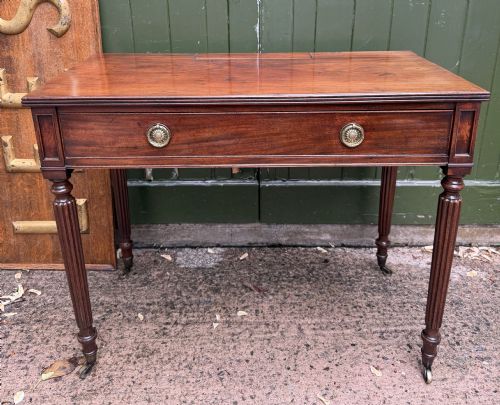
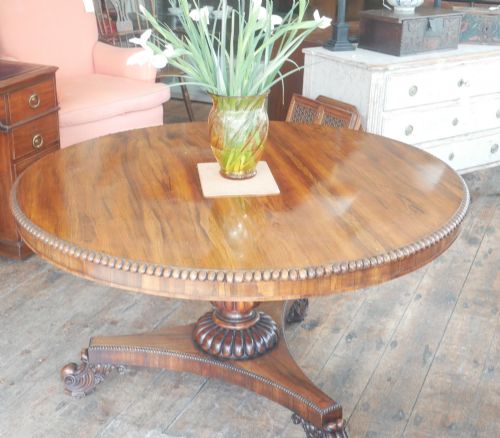
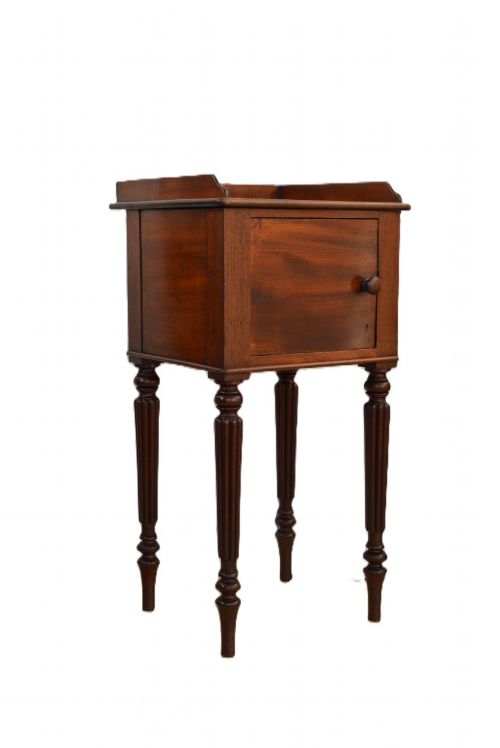

Regency Gillows Table
A regency gillows table represents the pinnacle of cabinet-making, combining restrained classical lines with exceptional practicality for formal or domestic interiors.
Regency Gillows Table
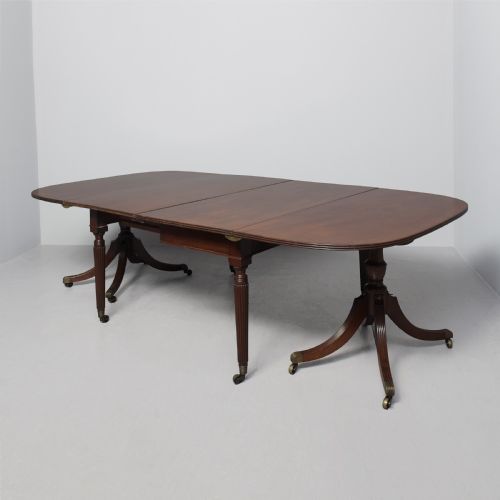
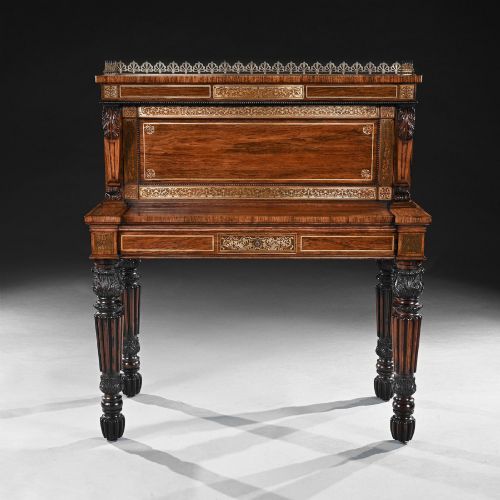
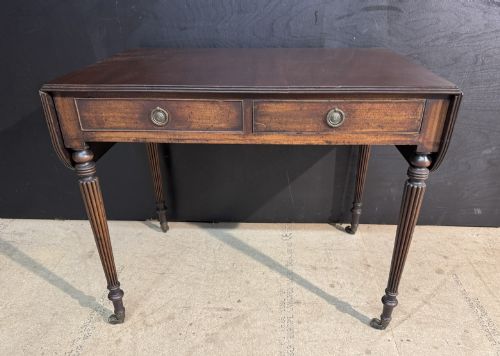
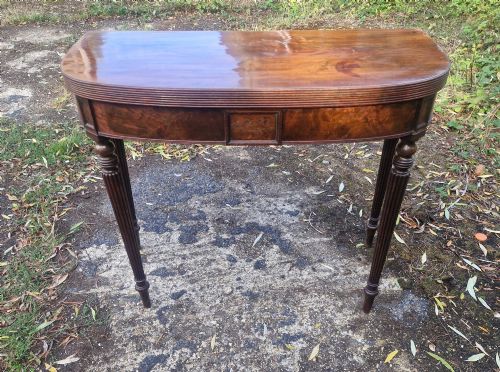
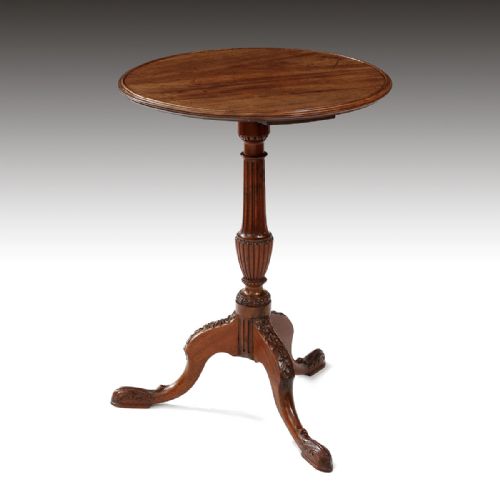
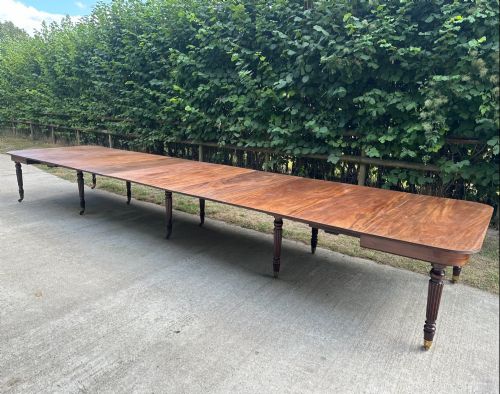
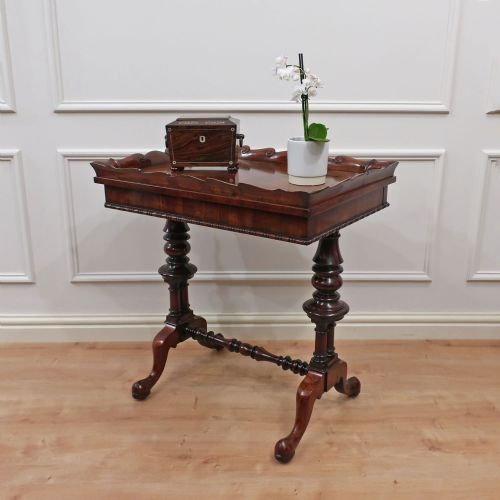
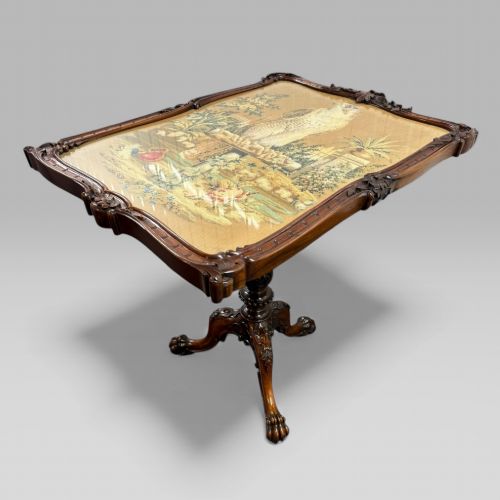
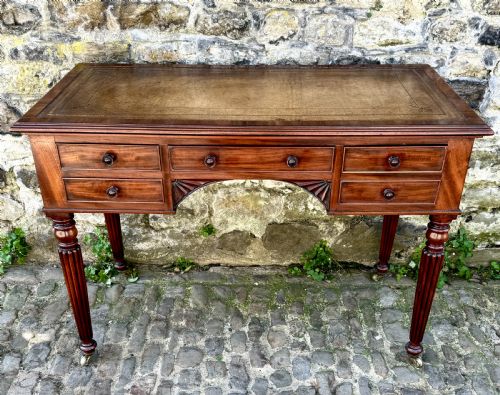
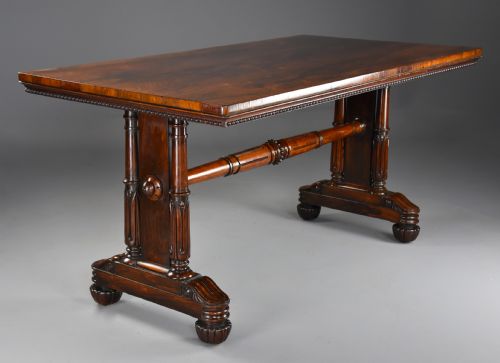
A regency gillows table encompasses a broad variety of domestic forms, ranging from massive extending dining tables and library desks to smaller pembroke, work, and occasional pieces. Most examples encountered belong to the Regency and William IV periods, reflecting the peak of the Lancaster and London workshops.
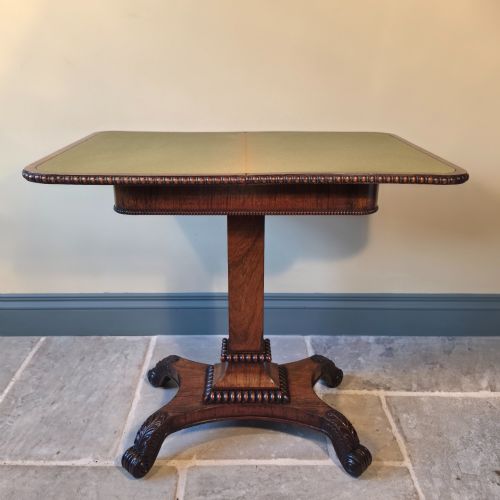
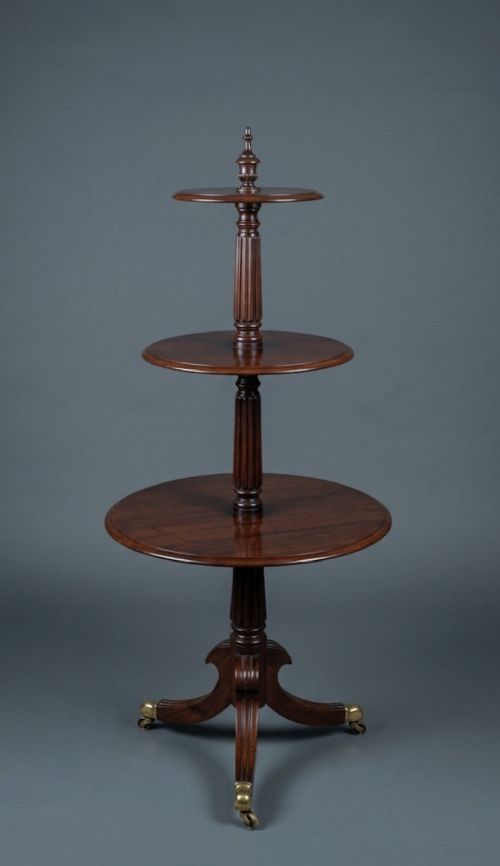
The firm produced numerous specialised designs, including card tables, sofa tables, and drum tables, often engineered with mechanical adjustments or drop leaves. These pieces served the functional demands of refined Georgian and Regency households while displaying a distinct architectural clarity.
Materials and construction
Timbers selected for a regency gillows table typically include solid mahogany and richly figured flame mahogany veneer, alongside exotic woods such as rosewood, satinwood, and thuyawood. Cabinet-makers employed precise joinery and sturdy secondary woods to ensure structural stability across large extending dining surfaces and pivoting table tops.
Brass mounts, inlaid stringing, and inset leather writing surfaces frequently complement the timber framework. Drawer linings often utilise oak or pine, and stamped signatures or specific workstation markings occasionally confirm the origin of the piece.
Some work tables doubled as games compendiums, concealing miniature compartments for cards and counters beneath modest sewing drawers.
Distinguishing quality and execution
The grade of a regency gillows table depends heavily on the selection of timber veneers and the crispness of carved details such as reeded legs or turned pillars. Superior examples display meticulous attention to internal construction, including numbered components on extending dining systems and accurately fitted brass hardware.
Attribution to the workshop often rests upon documented stamps, idiosyncratic leg profiles, or known design patterns from archival records. Pieces produced directly in the Lancaster or London workshops demonstrate a precision in execution that separates them from contemporary vernacular copies.
Gillows of Lancaster·Gillows Oxford Street Workshop
The Regency Gillows Table Glossary
- Reeded
- A decorative moulding consisting of parallel convex strips carved directly into the wood. This technique appears frequently on the legs of dining and side tables.
- Sofa table
- A rectangular occasional table designed to stand in front of a sofa, featuring drop leaves on either end. These usually incorporate two small drawers.
- Tilt top
- A table top mounted on a mechanism allowing it to be pivoted vertically when not in use. This conserved floor space in smaller rooms during the nineteenth century.
- Pembroke table
- A small drop-leaf table with hinged flaps on opposing sides, introduced during the eighteenth century and widely produced for breakfast or occasional writing.
- Albuera wood
- A dense tropical timber occasionally utilised for furniture during the William IV period. It yields a distinctive grain pattern on larger circular centre tables.
Regency Gillows Table: Frequently Asked Questions
How do I identify a stamped piece?
Makers often marked their output by impressing the name directly into the solid mahogany framing near drawer edges or underside rails. These stamps provide definitive confirmation of workshop origin.
Secondary indicators include specific numbering sequences on extending mechanisms and distinct construction habits typical of the Lancaster cabinet-makers.
What is an extending dining table?
An extending dining table utilises a central framework and removable leaves to adjust the surface area for hosting guests. These systems were engineered to operate smoothly without sagging across long spans.
Many surviving examples rely on screw mechanisms or drop-in sections supported by additional legs when fully expanded.
Where were these tables used?
Such furniture occupied formal public rooms, libraries, and private bedchambers within Regency domestic interiors. Larger dining and centre tables anchored principal reception rooms, while smaller pembroke and work tables functioned in private sitting spaces.
Library and writing variations catered to correspondence and estate management in dedicated study areas.
How do I care for rosewood surfaces?
Rosewood surfaces require stable indoor humidity levels and protection from direct sunlight to prevent timber splitting and fading. Regular dusting with a dry cloth preserves the polished finish.
Avoid placing damp items directly onto antique timber to protect the historic polish and underlying veneer.