

Regency Gentleman Portrait Painting
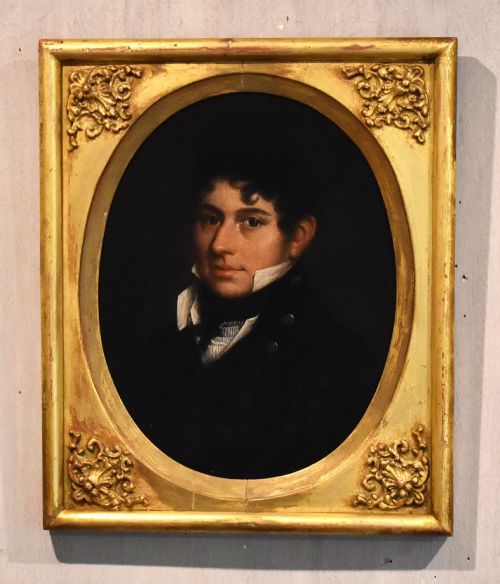
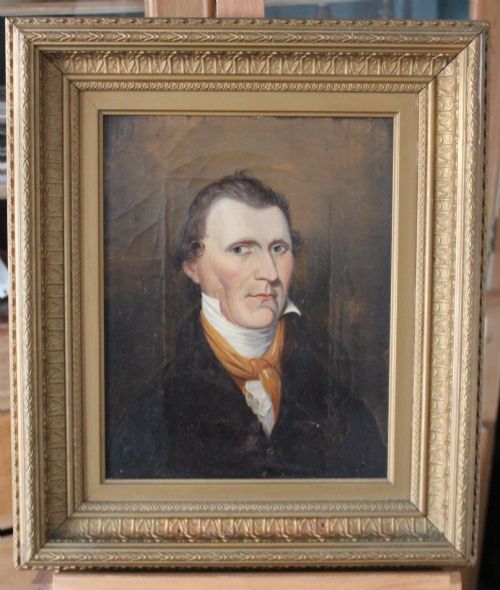
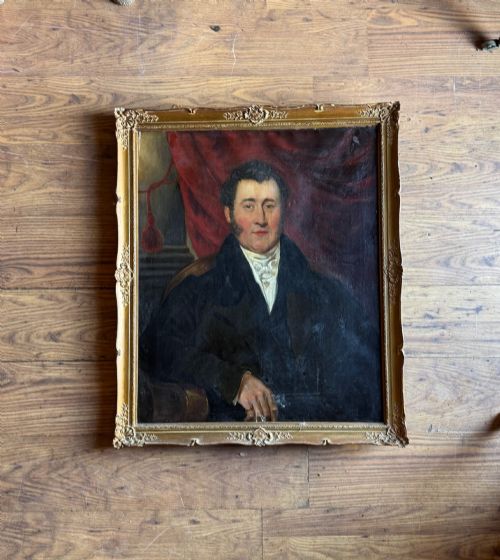
A regency gentleman portrait painting captures the distinct posture, dress, and bearing of an earlier era in oil or watercolour.
Regency Gentleman Portrait Painting
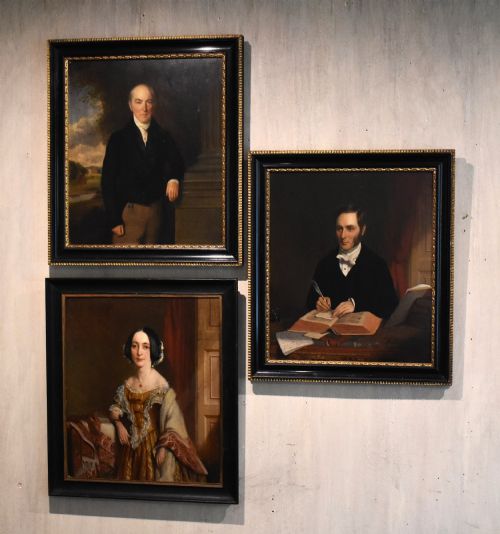
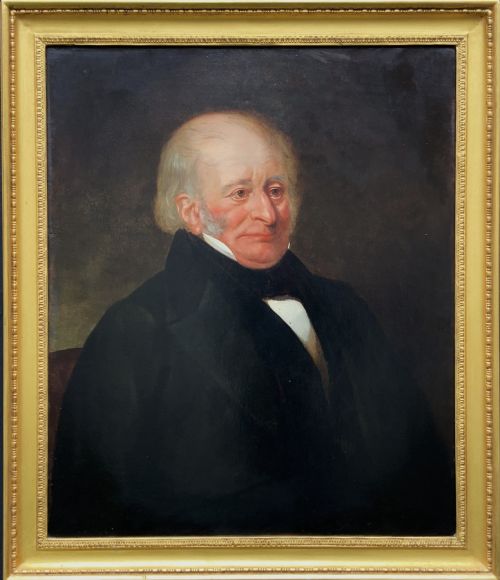
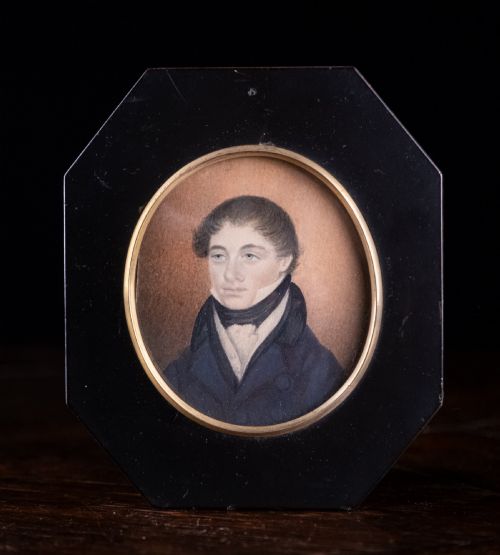
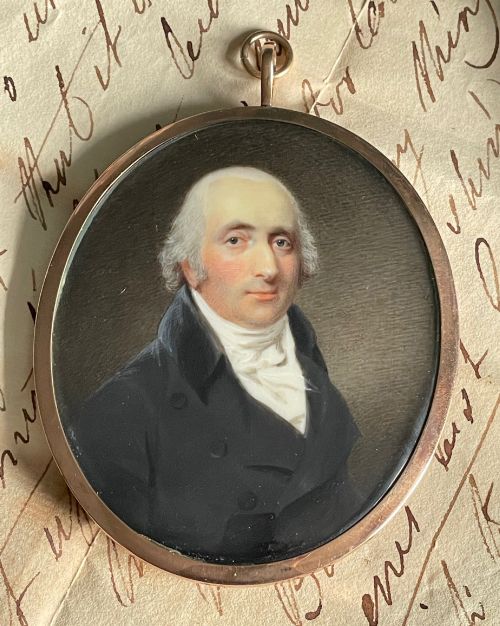
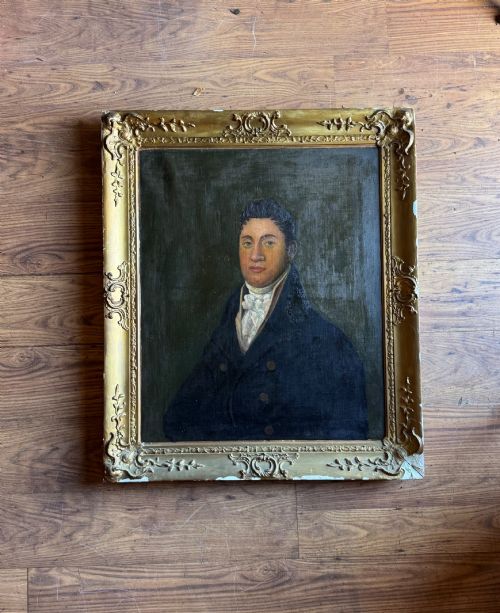
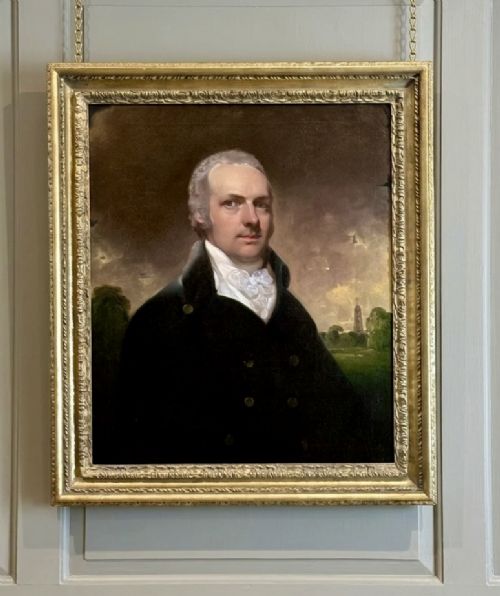
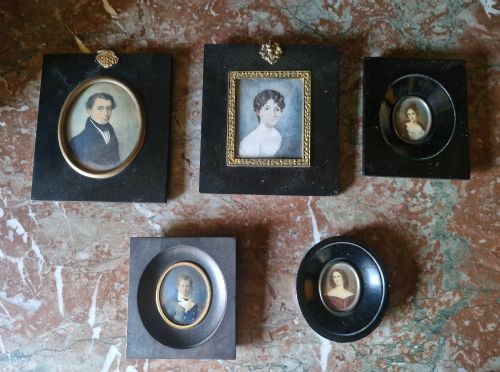
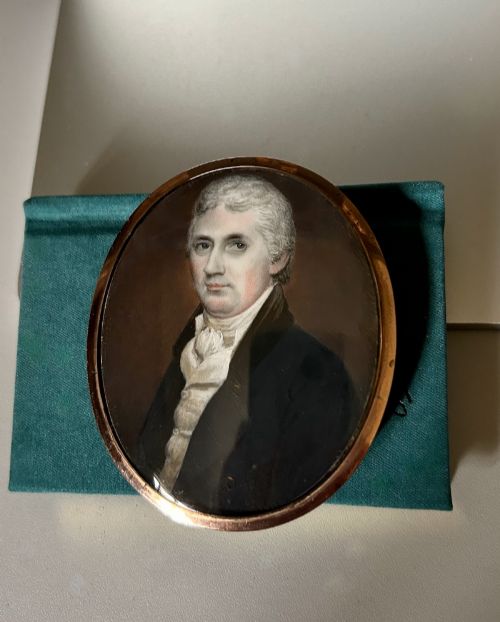
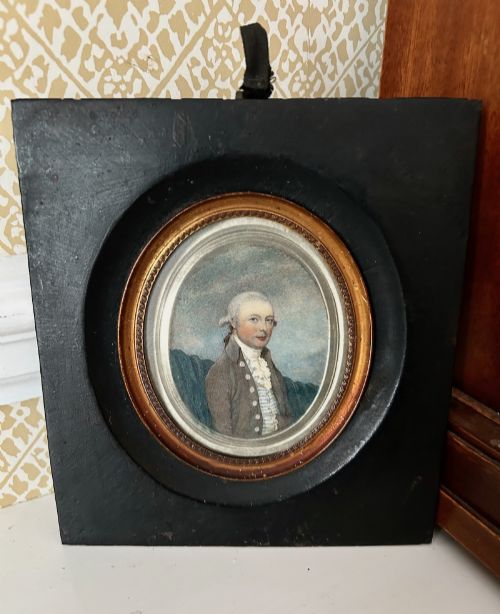
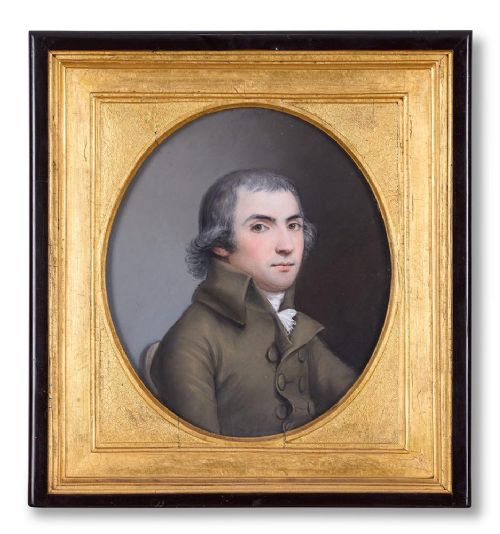
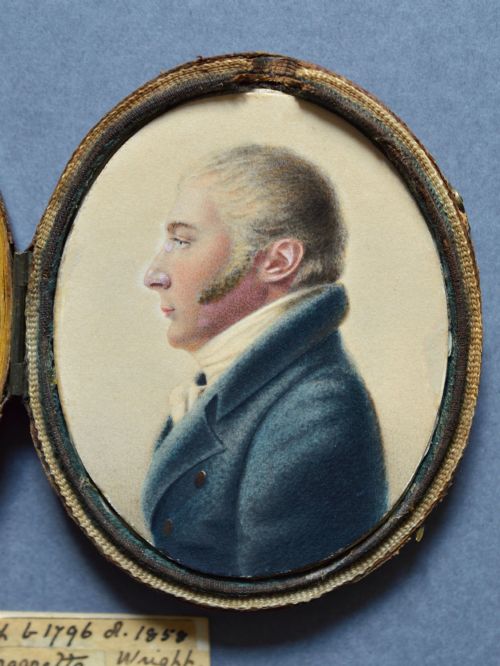
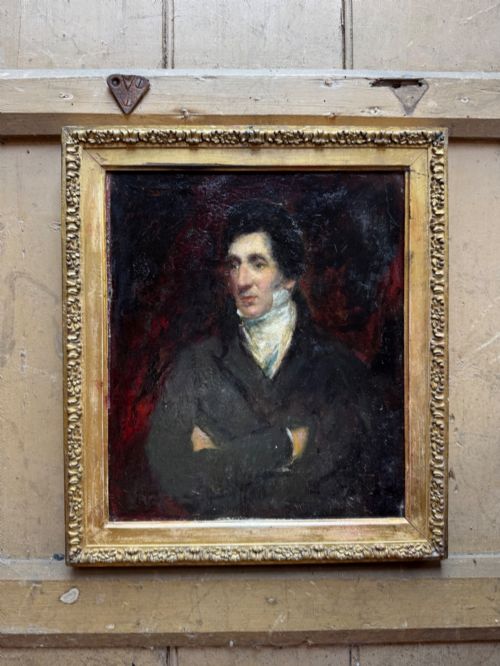
A regency gentleman portrait painting presents male subjects from the Georgian, Regency, and early Victorian periods. These works range from large oil paintings on canvas to intimate portrait miniatures framed in gold or giltwood.
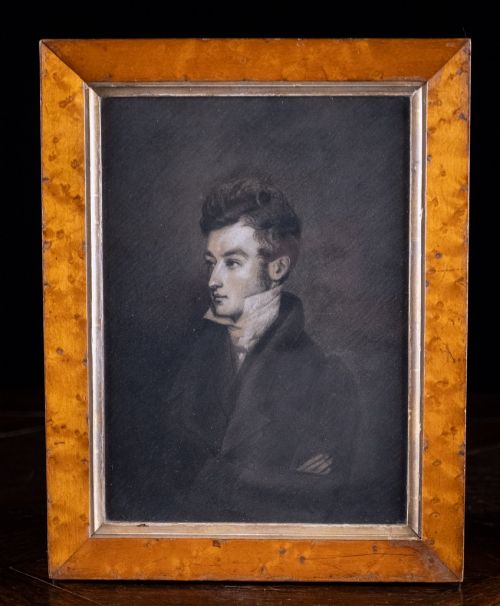
The most common examples on this page are oil on canvas or board and delicate watercolour portraits on paper. Subjects include military officers, country gentlemen, auctioneers, and named historical individuals.
Dating primarily from the late eighteenth and nineteenth centuries, these paintings often reflect regional British and Scottish schools of portraiture. Some pieces arrive as companion pairs or framed artwork ready for display.
Materials and methods
Artists painted primarily with oil on canvas or board, utilising pigments applied with layered brushwork to capture fabrics and facial expressions. Watercolour on paper served for smaller, more intimate depictions often executed with fine detail.
Frames played an integral role in presentation, utilising carved wood, giltwood, or gilt metal stands. Portrait miniatures frequently incorporated glass covers to protect the delicate paint and paper surfaces.
Regency Gentleman Portrait Painting Retail Price Guide 2026
Typical asking prices for regency gentleman portrait painting among the pieces listed under this phrase on Sellingantiques today, from the lower quarter to the upper quarter. They describe what is for sale here now, not the wider market.
Listings feature works spanning the 18th, 19th, and 20th centuries, executed in oil, watercolour, and silhouette.
Evaluating craftsmanship
The skill of the artist dictates the psychological depth and realism of the face, separating master portraitists from naive or provincial practitioners. Handling of light upon fabric and the subtlety of background detail reveal the hand of a trained academic painter.
The preservation of the original support, whether canvas or paper, along with the integrity of the period frame, influences the standing of the piece. Unrestored surfaces with stable pigment retention command greater appreciation among collectors.
SIR WILLIAM BEECHEY R.A·JAMES HOWE·George Watson·John C D Engleheart·Frederick Buck·George Hargreaves·Thomas Woolnoth·George Chinnery·George Engleheart·John Inigo Wright·Rolinda Sharples
The Regency Gentleman Portrait Painting Glossary
- Oil on canvas
- A painting medium where pigments are suspended in drying oils and applied to a stretched woven fabric support. This technique allowed artists to achieve rich colour depth and smooth tonal gradations.
- Portrait miniature
- A small, highly detailed painting executed on ivory, vellum, card, or paper, often designed to be worn or carried. These works required extraordinary precision using miniature brushes.
- Giltwood
- Wood that has been coated with a thin layer of gold leaf or gold paint. It frequently appears on nineteenth-century picture frames.
- Watercolour
- A painting method in which the paints are made of pigments suspended in a water-based solution. Paper serves as the primary support for these translucent works.
- Companion pair
- Two matching artworks created by the same hand to be displayed together. They often depict related subjects, such as a gentleman and a lady.
Regency Gentleman Portrait Painting: Frequently Asked Questions
What periods do these portraits cover?
The pieces span from the Georgian era through the Regency period and into early Victorian times. Most examples date from the late eighteenth century to the mid-nineteenth century.
A few later interpretations also appear, reflecting historical revivals from subsequent decades.
How were portrait miniatures displayed?
Miniatures were often housed in small gold frames, fitted behind protective glass, or mounted on gilt metal stands. Some were designed to be carried in pockets or worn close to the body.
Their intimate scale suited private domestic spaces rather than large formal galleries.
Are these paintings signed by the artists?
Some works bear the signature of the artist or carry attribution labels on the reverse. Others remain unsigned, representing the output of regional British or Scottish schools.
Attributions are typically determined through stylistic comparison and historical records.
How do I care for an antique portrait?
Keep paintings away from direct sunlight and sources of extreme heat to protect the canvas or paper. Maintain stable indoor humidity levels to prevent warping in wooden panels and gilt frames.
Dust gently with a soft, dry cloth without applying liquid cleaners to the painted surface.