



Regency Era Portrait Art
Regency era portrait art captures the likeness of figures from the period through oil, watercolour, and pastel.
Regency Era Portrait Art
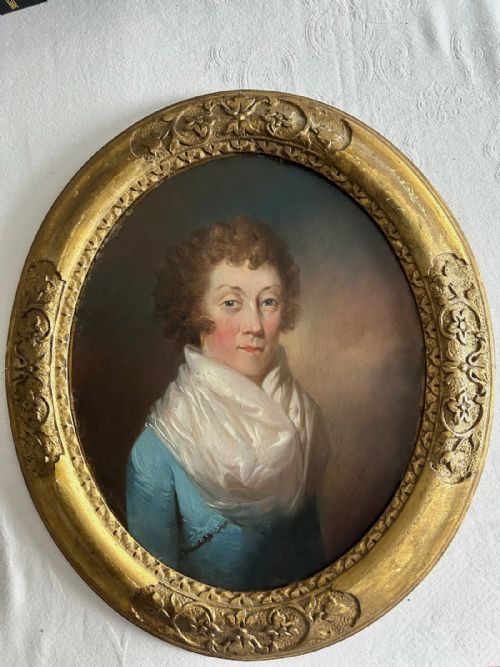
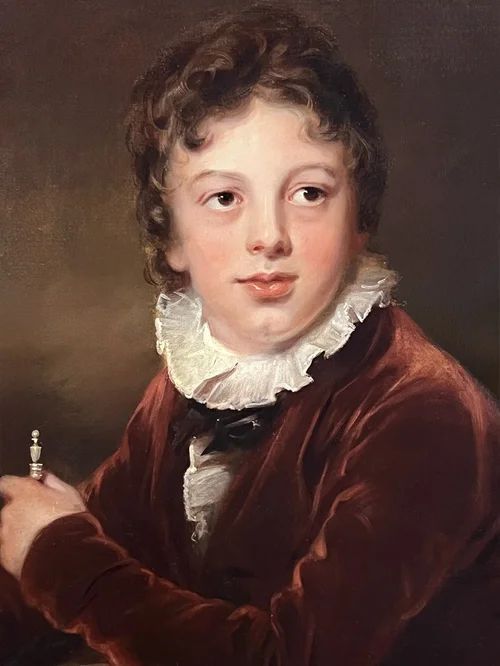
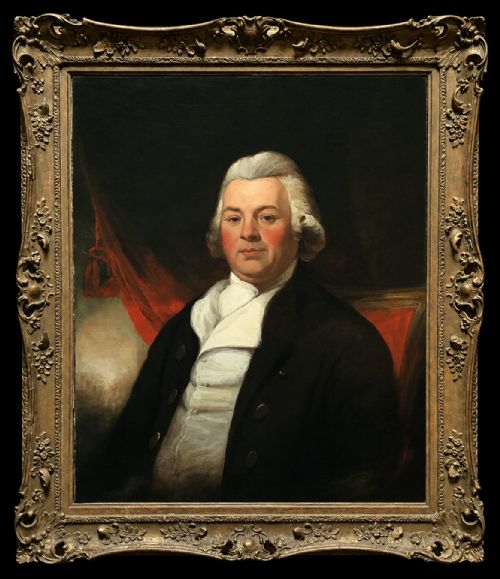
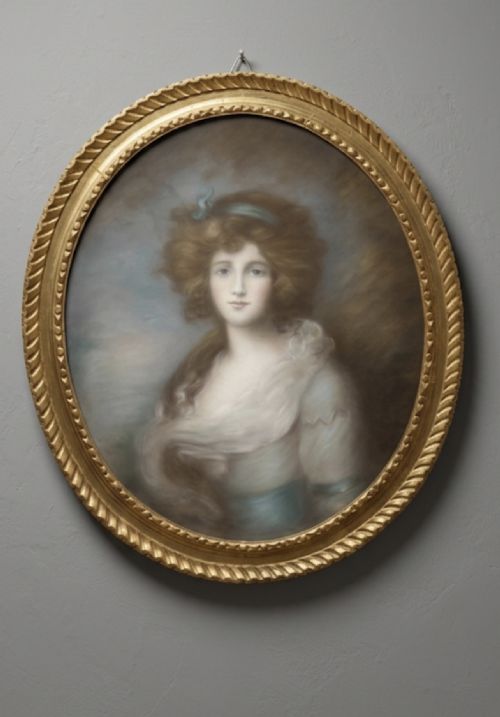
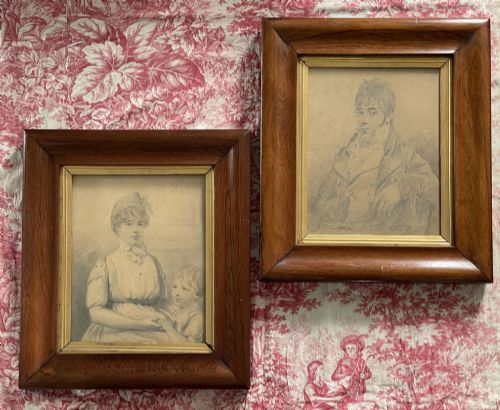
Regency era portrait art encompasses works produced during the early nineteenth century and the Regency period, capturing sitters in oil on canvas, pastel, and watercolour. These pieces range from formal oil paintings of distinguished gentlemen and ladies to delicate pencil sketches and miniatures.
The selections available include works by named artists and regional schools, spanning Georgian and French Empire styles alongside English Regency depictions. Buyers will find framed art, wall art, and fine art paintings that reflect the aesthetic of the era.
Materials and Technique
Artists of the period painted primarily with oil on canvas, while others worked in pastel, gouache, and graphite on paper. Watercolours were frequently employed for smaller portrait studies and miniatures.
Finished works were typically housed in wood frames, often with giltwood or gilt wood finishes and glass protection for works on paper. Metal embellishments occasionally appear on printed pieces from the period.
Materials recorded across the selection include oil on canvas, paper, giltwood, glass, wood, and watercolour.
Evaluating Quality
Quality rests upon the skill of the draughtsman or painter in capturing likeness, proportion, and the psychological depth of the sitter. Works by established Royal Academicians exhibit superior brushwork and compositional confidence compared to unsigned or primitive school pieces.
The preservation of the original medium, whether oil pigment, delicate pastel, or watercolour, determines the visual impact of the piece. Contemporary framing in period giltwood also influences the overall integrity of the surviving artwork.
SIR WILLIAM BEECHEY R.A·MARGARET SARAH CARPENTER·George Watson·Thomas Gainsborough·Samuel Raven·Sir Thomas Lawrence·Lady Francis Herbert·James Ward Ra·George Perfect Harding·William Robinson·John Opie·Stephanus Chiantor·Henry Hoppner Meyer·John Russell RA·George Clint
The Regency Era Portrait Art Glossary
- Regency
- A stylistic and historical period spanning the early nineteenth century, noted for classical restraint and elegance in portraiture. It follows the Georgian era.
- Oil on Canvas
- A painting medium where pigments are bound with drying oils and applied to stretched fabric. This technique allowed artists to achieve rich colour depth and smooth tonal gradations.
- Giltwood
- Wood carved and coated with gold leaf or metal powder to create a bright, reflective surface. It is commonly found on frames housing fine art paintings.
- Pastel
- A medium consisting of powdered pigment mixed with a binder and formed into sticks. It produces velvety surfaces that require glass protection.
- Miniature
- A small-scale portrait, frequently executed in watercolour on ivory or paper during this period. These intimate items were often kept in small travel cases or delicate frames.
Regency Era Portrait Art: Frequently Asked Questions
How do I identify a Regency portrait?
Look at the clothing, hair styling, and framing cues typical of the early nineteenth century. Sitters often wear neoclassical attire with characteristic collars and hairstyles of the period.
Paintings from this time frequently use oil on canvas or delicate watercolours, matched with period giltwood framing.
Where should I hang these portraits?
These works suit traditional living spaces, studies, or hallways where they can be displayed at eye level. Ensure they are placed away from direct sunlight to protect pigments on paper and canvas.
Pairing smaller watercolours together or hanging a large oil painting as a focal point creates a balanced period aesthetic.
Are these works original period pieces?
The selection comprises authentic nineteenth-century paintings, drawings, and prints created during the Regency and Georgian eras. Materials range from oil on canvas to graphite and pencil sketches.
Attributions often point to known British schools or specific artists active between eighteen hundred and the mid nineteenth century.
How are pastel portraits preserved?
Pastel works require glass protection because the pigment sits loosely on the paper support without heavy binding agents. Keeping them sealed prevents smudging and environmental degradation.
Humidity control is essential when living with works on paper and card from the early nineteenth century.