
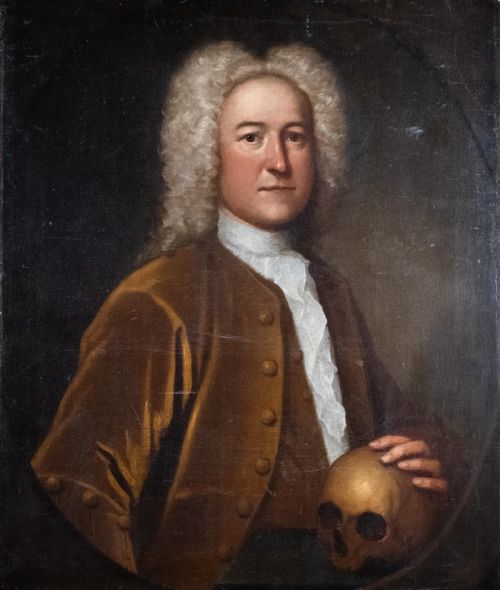


Brown Jacket Portrait Painting
These brown jacket portrait painting works capture sitters across centuries through oils and watercolours, offering an authentic glimpse into historical fashion and character.
Brown Jacket Portrait Painting
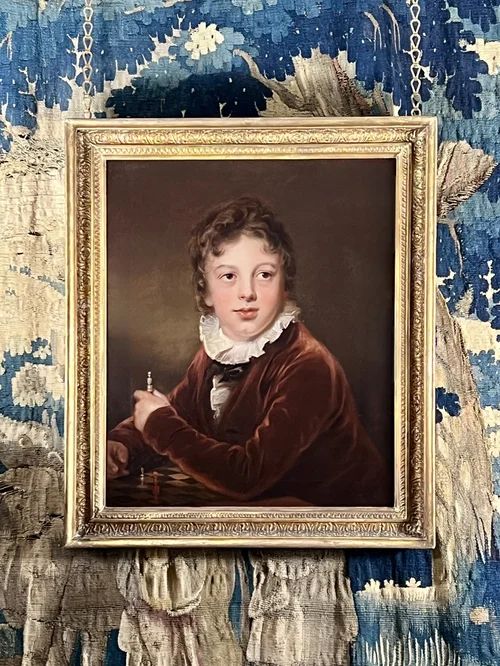
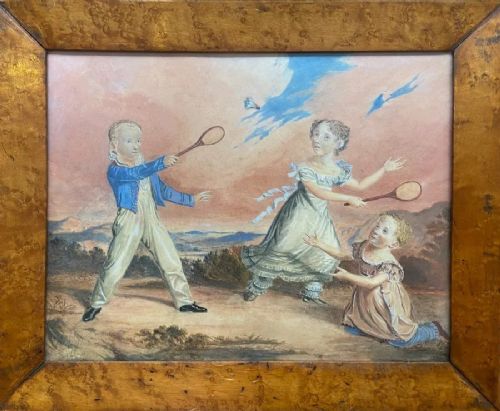
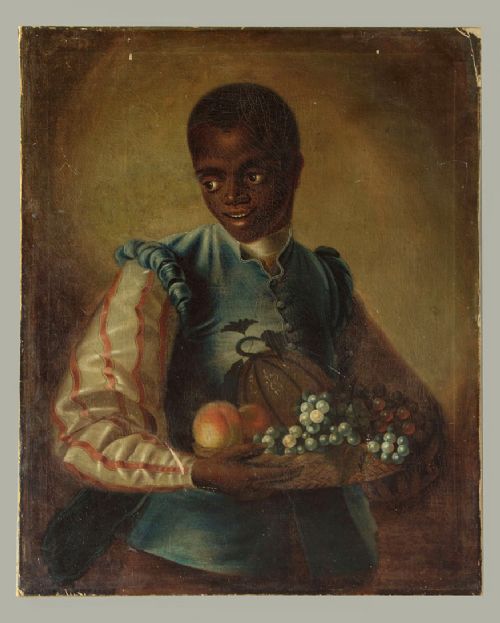
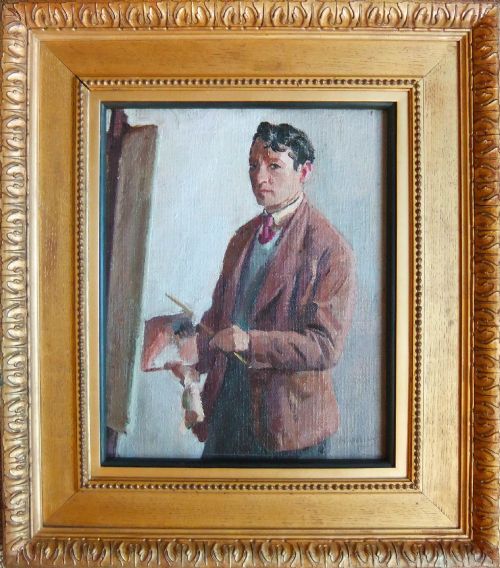
A brown jacket portrait painting depicts subjects ranging from distinguished gentlemen and servants to self-portraits and children with pets. These works span the early 18th century through the Victorian era and into the 20th century, capturing shifts in artistic approach from formal academic portraiture to impressionism.
The pieces on this page utilise traditional supports such as canvas, wood panel, and paper, housed in materials like giltwood frames. Most examples present intimate portrayals of individuals, whether anonymous sitters or identified historical figures.
The selection encompasses diverse regional schools and movements, including early Georgian, Regency, and 20th century impressionism. Buyers encounter both meticulous academic rendering and looser, more expressive brushwork depending on the period.
Materials and technique
Giltwood frames frequently accompany these paintings, providing period-appropriate presentation that complements the tones of the subject's attire.
The listings span from the early 18th century to the mid-20th century, utilising oil, canvas, paper, and watercolour.
Assessing quality
The handling of light and shadow across the fabric of the brown jacket distinguishes more accomplished works from simpler regional pieces. Superior portraiture captures psychological depth in the sitter's expression alongside confident brushwork in the costume.
The preservation of the original paint surface and the condition of the underlying canvas or panel significantly influence the integrity of the piece. Period frames that match the age of the painting add considerable cohesion to the work.
Philip Naviasky·Edouard Julien·Sir Thomas Lawrence·Sidney Riesenberg·John Russell
The Brown Jacket Portrait Painting Glossary
- Oil on panel
- A painting executed on a flat wooden board rather than stretched fabric. This support provides a rigid surface often favoured by earlier artists.
- Giltwood
- Wood carved and covered with a thin layer of gold leaf. It is commonly found on traditional picture frames surrounding historical portraits.
- Canvas
- A heavy woven fabric stretched over a wooden frame to serve as a painting support. It has remained a standard foundation for oil paintings for centuries.
- Impressionism
- A 19th-century art movement characterised by relatively small, thin, yet visible brush strokes. It prioritizes accurate depiction of light in its changing qualities.
Brown Jacket Portrait Painting: Frequently Asked Questions
How do I date a portrait painting?
Dating relies primarily on the style of clothing, hair, and the framing materials used. Details such as the cut of a brown jacket often reflect the prevailing fashion of a specific decade.
Examining the canvas preparation, stretcher bars, and any inscriptions on the reverse provides further chronological clues.
Where should I hang these paintings?
These historical portraits suit traditional living spaces, libraries, or studies where their rich tones can complement period interiors. They function well as focal points above mantelpieces or within gallery walls.
Direct sunlight and excessive moisture should be avoided to protect the fragile paint layers and paper supports.
Are these portraits always signed?
Many historical works remain unsigned, particularly those originating from regional schools or earlier centuries where attribution was less formalized. Signatures, when present, appear in corners or on the reverse of the canvas.
Unsigned pieces are often attributed to specific makers or periods based on stylistic analysis and historical records.
What is the difference between panel and canvas?
Wood panels offer a rigid, stable surface that was standard for early portraiture before stretched canvas gained widespread popularity. Panels can sometimes show subtle wood grain through thin layers of paint.
Canvas provides a flexible, textured support that accommodates larger compositions and responds differently to environmental changes.