
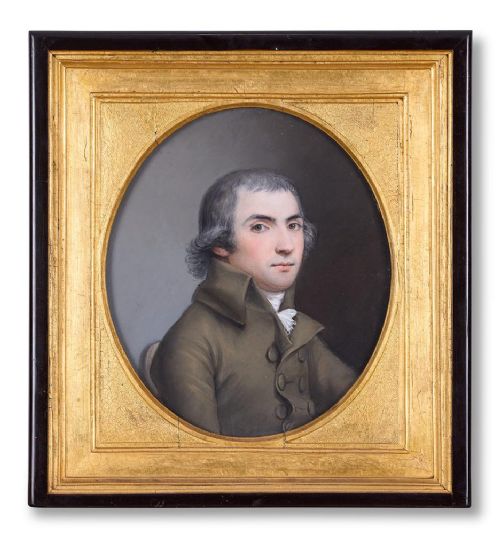


Antique Male Portrait Miniature
An antique male portrait miniature is a small painted likeness of a gentleman, prized for its intimate scale and fine brushwork.
Antique Male Portrait Miniature
An antique male portrait miniature brings small-scale likenesses of gentlemen into focus, spanning Georgian, Regency, and 19th-century periods. These works capture specific sitters, ranging from named figures like George IV and Prince Albert to anonymous gentlemen and self-portraits.
The format typically manifests as watercolour paintings on paper or framed portrait miniatures housed behind glass. Collectors encounter silhouettes alongside detailed watercolour and oil studies, often set within traditional frames.
Pieces from this selection showcase British and Continental schools, reflecting the stylistic shifts from Georgian restraint to Victorian fine art and Baroque revival. Each miniature offers a direct window into the dress and appearance of past eras.
Materials and construction
Enclosing these delicate works required robust framing materials, frequently combining brass, glass, and ebonised wood. Backings and surrounds often incorporate velvet and leather to protect the painted surface.
Materials represented across the works include lapis lazuli, brass, velvet, leather, and ebonised wood.
Assessing quality
The housing contributes significantly to the overall merit, with original brass bezels, velvet linings, and ebonised wood frames preserving the integrity of the work. Evidence of a named sitter or a documented artist elevates the historical interest of the piece.
F. Flor·Flor & Findel·George Hamilton Barrable
The Antique Male Portrait Miniature Glossary
- Silhouette
- A solid dark profile portrait, typically cut from paper or painted in black pigment against a pale background. This technique was popular for capturing likenesses before the widespread adoption of photography.
- Watercolour
- A paint consisting of pigment suspended in a water-based solution, applied to paper to create translucent layers. It served as the principal medium for detailed portrait miniatures.
- Ebonised wood
- Timber treated to resemble ebony, providing a dark, polished finish. It frequently forms the frames of 19th-century miniature portraits.
- Continental School
- A term used to describe artists trained or working in mainland Europe rather than Britain. These works often display distinct regional approaches to portraiture.
- Regency
- The period in British history from 1811 to 1820, characterised by distinct fashions and refined portrait styles. Miniatures from this era focus on understated elegance.
Antique Male Portrait Miniature: Frequently Asked Questions
How were portrait miniatures displayed?
These small paintings were typically hung in intimate spaces, kept on desks, or carried in pockets by their owners.
Many featured protective cases or were designed to be worn as personal mementos close to the wearer.
How do I identify a Georgian miniature?
Georgian pieces often feature softer watercolours on paper, depicting sitters in the distinctive powdered hair and attire of the 18th and early 19th centuries.
The framing and materials, such as early brass mounts and simple ebonised wood, help confirm the period.
Are all miniatures painted in watercolour?
While watercolour on paper is the most common medium seen in these portraits, oil paintings also appear in smaller formats.
Silhouettes provide another variation, using black profiles rather than full colour.
How should I care for an antique miniature?
Keep these fragile works out of direct sunlight to prevent the watercolour pigments from fading over time.
Maintain stable indoor humidity to protect the paper, glass, and wooden frames from environmental damage.