



Late Georgian Wall Art
Late georgian wall art brings period interiors alive through oils, textiles, and engravings made to hang and catch the light.
Late Georgian Wall Art
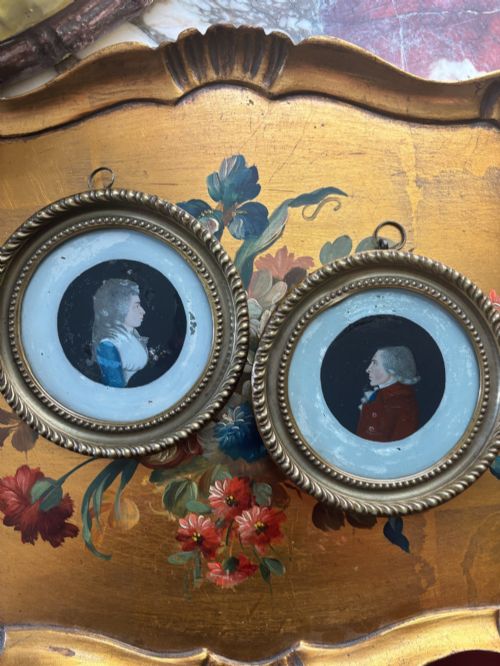
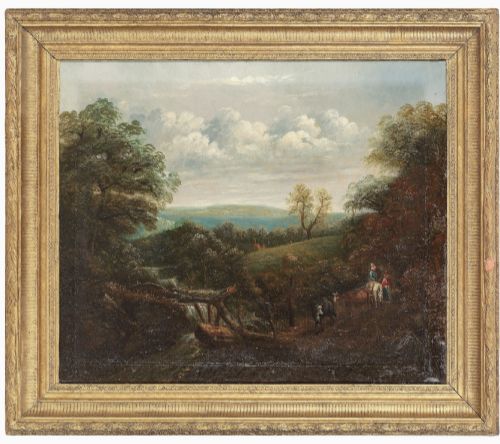
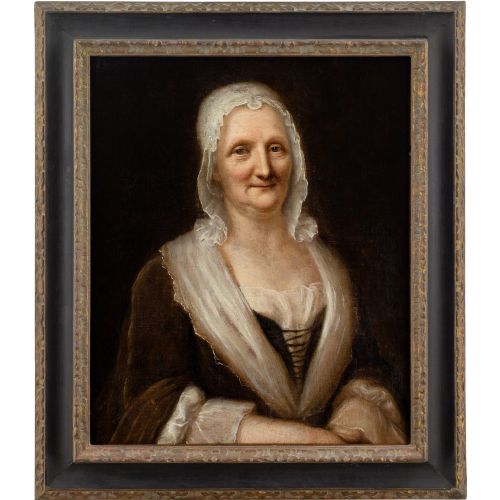
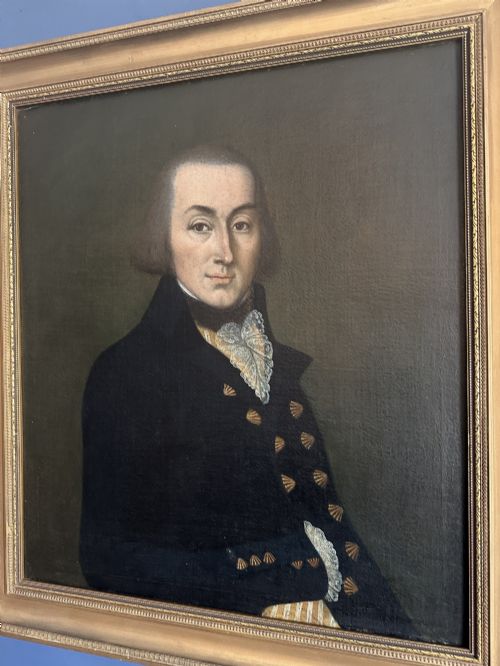
When you search for late georgian wall art, you encounter oil paintings, reverse painted mirrors, silk pictures, and framed engravings dating from the eighteenth and early nineteenth centuries. These pieces reflect the aesthetic tastes of the Georgian and Regency eras, spanning pastoral scenes, portraits, and urban landscapes.
You are most likely to meet oil paintings on canvas alongside framed textiles, samplers, and works on paper within this selection. The assortment ranges from provincial English works to French tapestries and Chinese export pieces.
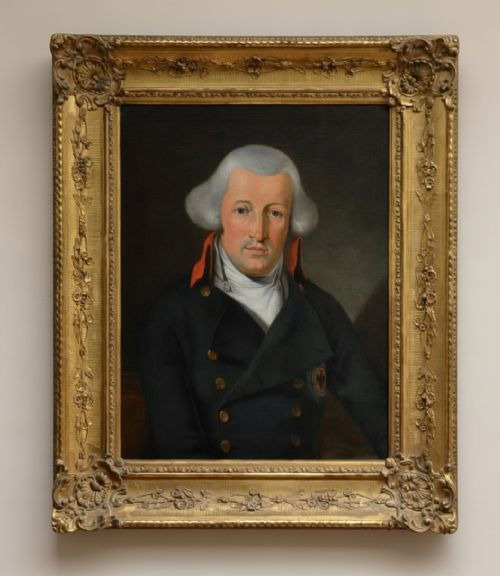
The assortment includes portraits of gentlemen and high-ranking officers alongside botanical prints and landscape views. Each piece offers a distinct window into the visual culture of the period.
Materials and methods
Makers utilised oil on canvas, gouache, pencil, and watercolour for painted works, applying pigments to prepared surfaces and paper. Frames often incorporate carved pine, giltwood, and gold leaf, constructed with scroll mounts and rectangular profiles.
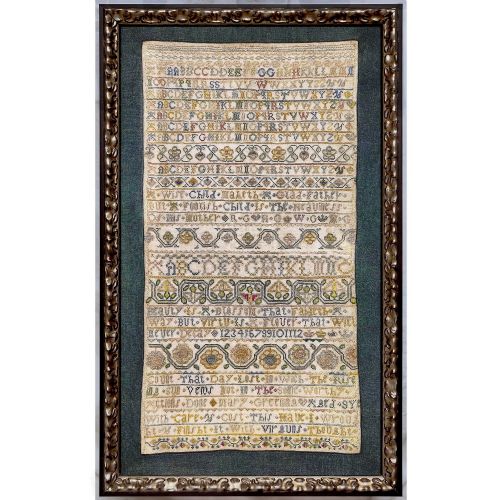
Textile works rely on silk, wool, and canvas, employing techniques such as long stitch and band sampler stitching. Reverse painted mirrors and glass pictures use specialised paint application behind glass plates to achieve luminous decorative finishes.
Mary Greening and Susan Mary Williams stitched their names into history using needle and thread on enduring band samplers.
Assessing quality
The distinction between tiers rests upon the execution of the primary medium, whether it is the brushwork in an oil painting or the precision of stitches in a silk picture. Superior examples display confident handling of form and expression, particularly in portraiture and landscape depth.
Frame construction and material preservation also dictate standing, with original giltwood and carved pine surrounds adding significant character. The integrity of the underlying surface, from untouched canvas to well-preserved reverse glass, determines the overall standing of the piece.
Mary Greening·Susan Mary Williams·Bartholomeus van Burgindis·Lemuel Francis Abbott
The Late Georgian Wall Art Glossary
- Giltwood
- Wood carved and coated with gold leaf or a gold-coloured metallic preparation. This finish provides a reflective and ornate border for mirrors and paintings.
- Reverse glass painting
- A technique where the artist paints directly onto the back of a glass panel so the image is viewed through the front. This method creates a glossy, protected surface finish.
- Sampler
- A piece of embroidery or needlework produced as a demonstration or test of skill. They frequently record alphabets, motifs, and the maker's name alongside dates.
- Stipple engraving
- A printmaking method where the image is built up using dots rather than continuous lines. This technique allows for subtle tonal gradations, especially in portraits.
- Long stitch
- An embroidery technique using parallel long stitches to cover canvas areas. It creates smooth, textured fields of colour in historical textile pictures.
Late Georgian Wall Art: Frequently Asked Questions
What defines late georgian wall art?
These pieces comprise paintings, prints, mirrors, and textiles produced during the late eighteenth and early nineteenth centuries. They capture the portraiture, landscape, and decorative sensibilities of the Georgian and Regency periods.
Materials range from oil on canvas and paper to silk thread and reverse-painted glass. They were created to ornament domestic interiors with sophisticated visual narratives.
How should I hang these pieces?
Ensure your wall supports the weight of the heavier framed oils and gilded mirrors safely. Keep them away from direct sunlight to protect delicate silk threads and oil pigments from fading.
Maintain stable room humidity to preserve wooden frames and canvas integrity. Grouping works by scale helps create a balanced period display.
How do I identify a period frame?
Period frames often feature hand-carved pine, gesso, and gold leaf construction with distinct joinery. Look for signs of age in the gilding and the backboards.
Scroll mounts and specific moulding profiles help distinguish eighteenth-century surrounds from later revivals. Original frames complement the artwork they enclose.
Were these works meant for homes?
Wealthy patrons commissioned portraits, landscapes, and tapestries to adorn the reception rooms and parlours of substantial townhouses and country estates. Smaller engravings and samplers often decorated more intimate private spaces.
They served both as displays of personal taste and as educational exercises in the case of needlework. Their survival reflects generations of domestic care.