



Regency Drop Leaf Breakfast Table
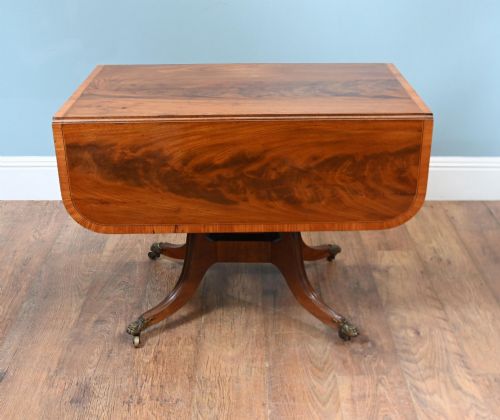
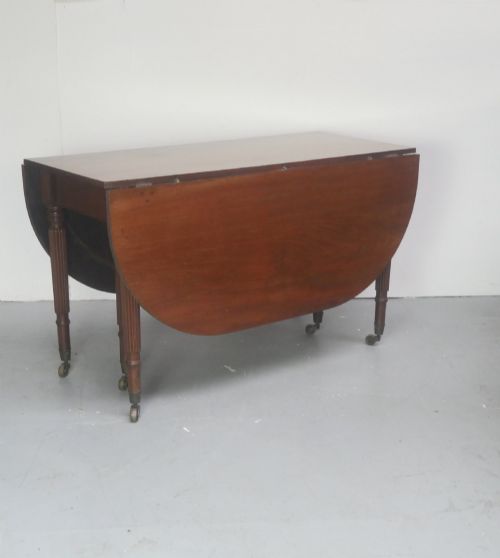
A regency drop leaf breakfast table offers compact utility and fine mahogany surfaces that fold away neatly when not in use.
Regency Drop Leaf Breakfast Table
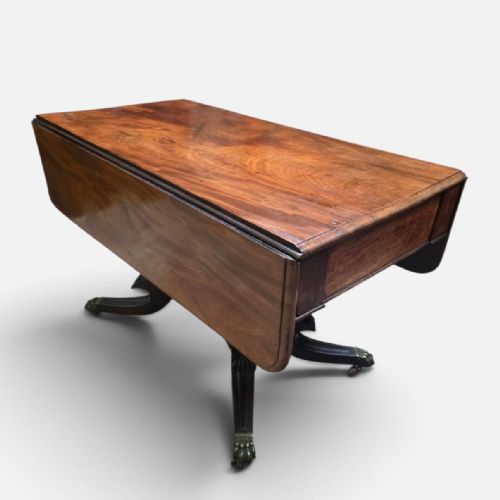
A regency drop leaf breakfast table combines a central support with hinged flaps that raise to create a larger surface for dining or morning meals. These pieces span the Regency, Georgian, and wider nineteenth-century periods, capturing an era of flexible domestic furniture.
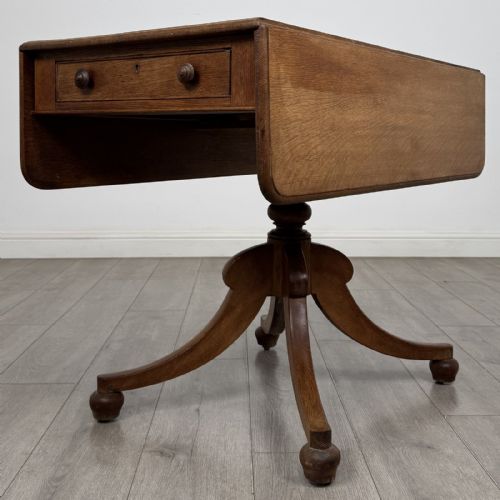
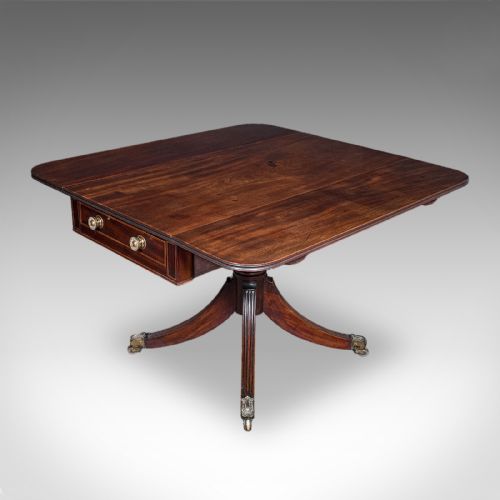
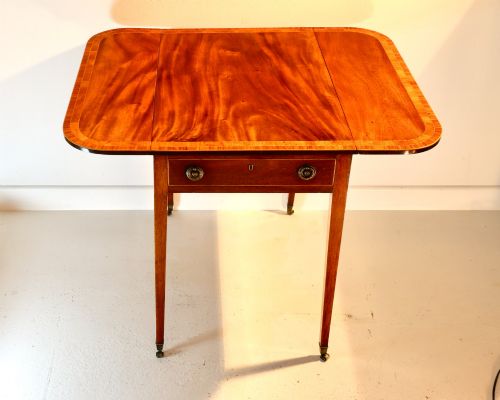
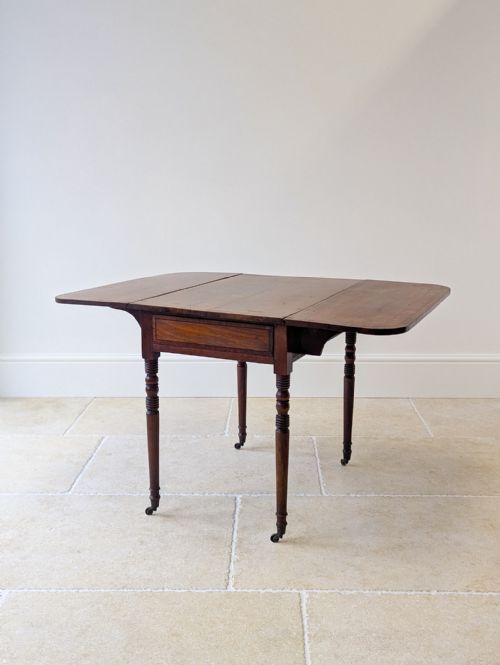
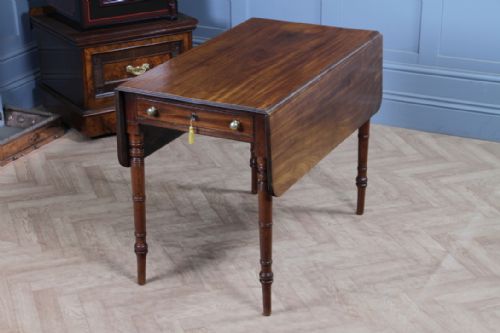
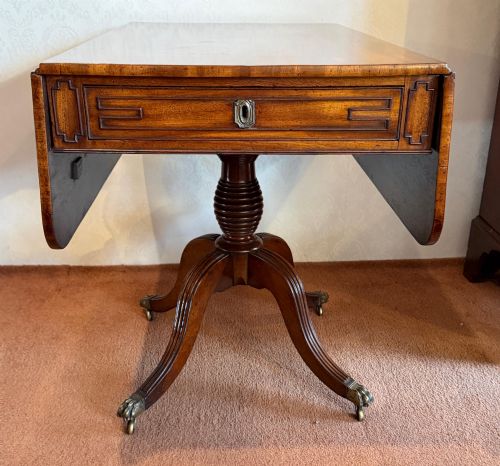
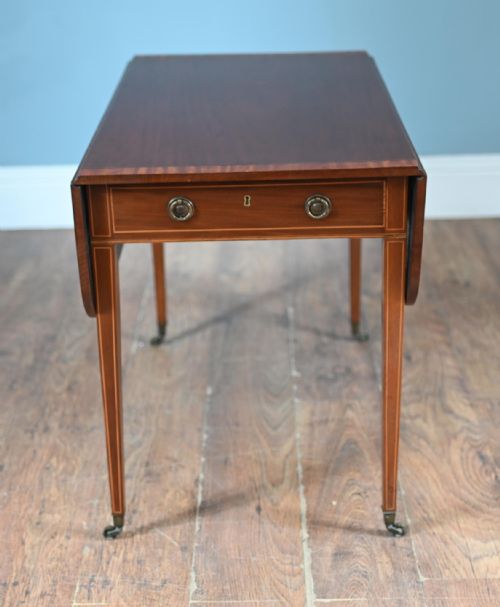
Buyers will most frequently encounter mahogany Pembroke tables and pedestal drop-leaf formats on this page. Pieces often feature fitted drawers, cross-banding, and four-seat or six-seat capacities suitable for everyday rooms.
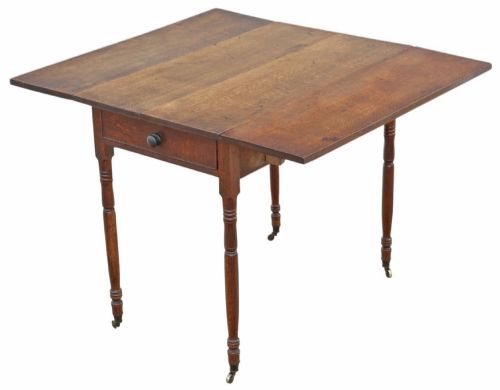
Origins stretch from English workshops to Scottish makers, maintaining traditional proportions designed for adaptability. The forms range from simple oak kitchen versions to elegant satinwood supper tables.
Materials and construction
Cabinet makers relied heavily on solid mahogany and wood veneers, frequently highlighting finely figured grains across the table top and drop leaves. Secondary accents of satinwood, boxwood inlay, and ebony provide contrasting border details.
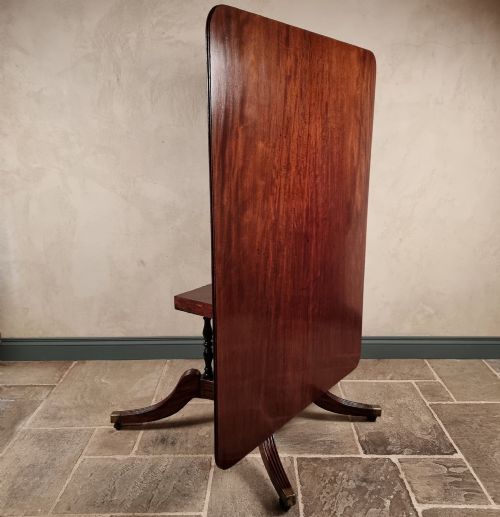
Pedestal columns anchor many designs, sometimes incorporating brass inlay or resting upon outward-curving legs fitted with castors. Iron components reinforce internal joints, while oak appears in functional kitchen and utility variants.
Regency Drop Leaf Breakfast Table Retail Price Guide 2026
Typical asking prices for regency drop leaf breakfast table among the pieces listed under this phrase on Sellingantiques today, from the lower quarter to the upper quarter. They describe what is for sale here now, not the wider market.
Available forms include dining tables, Pembroke tables, console variants, and pedestal supper tables.
Judging quality in these tables
The choice of timber sets the baseline for quality, distinguishing plain cuts from richly figured mahogany and plum pudding grain. Fine examples utilise precise cross-banding and delicate boxwood or ebony stringing to frame the leaves.
Structural stability in the drop-leaf mechanism and the central pedestal determines longevity and daily usability. Superior pieces retain original brass fittings, working drawer keys, and smooth hinge movements that keep the leaves level when raised.
Morison of Ayr·Duncan Phyfe
The Regency Drop Leaf Breakfast Table Glossary
- Pembroke table
- A small rectangular table featuring two hinged drop leaves on opposing sides, often equipped with one or more end drawers.
- Cross-banding
- A decorative border of veneer laid around the perimeter of a table top with the grain running perpendicular to the centre.
- Pedestal table
- A table supported by a single central pillar rising from a stable base rather than four corner legs.
- Satinwood
- A durable, yellowish timber prized for its smooth sheen and utilised for fine cabinet work and inlay.
- Stringing
- Thin lines of contrasting wood inlay used to outline drawers, edges, and table surfaces.
Regency Drop Leaf Breakfast Table: Frequently Asked Questions
How do I seat six people at a drop leaf table?
Drop leaf tables provide extra surface area by raising hinged flaps on either side of the main top. This allows the furniture to function as a compact side table normally and expand for meals.
Larger Regency formats accommodate multiple guests comfortably once fully extended. Pedestal designs offer the added advantage of unobstructed legroom around the base.
What is the difference between a Pembroke table and a breakfast table?
Pembroke tables typically feature drop leaves along with a narrow drawer beneath the top. They were traditionally used for writing or light dining.
Breakfast tables often emphasise pedestal supports and larger proportions designed specifically for morning dining. Both forms utilise folding leaves to save space between uses.
How can I tell a Regency table from a Georgian one?
Regency pieces often display classical architectural influences, brass inlay, and pedestal columns reflecting early nineteenth-century tastes. Mahogany and rosewood veneers dominate this phase.
Georgian examples tend towards earlier proportions, sometimes utilising oak or plain mahogany with straight legs and simpler stretcher bases. Stylistic overlaps occur frequently around the turn of the century.
Where should I place a drop leaf table in my home?
These tables adapt well to dining rooms, kitchens, and central hallways where floor space fluctuates. Folding down one or both leaves allows the piece to rest flush against a wall as a console.
Lifting the leaves creates an instant dining surface or breakfast setting. Centre pedestal versions also function effectively in the middle of a room.