



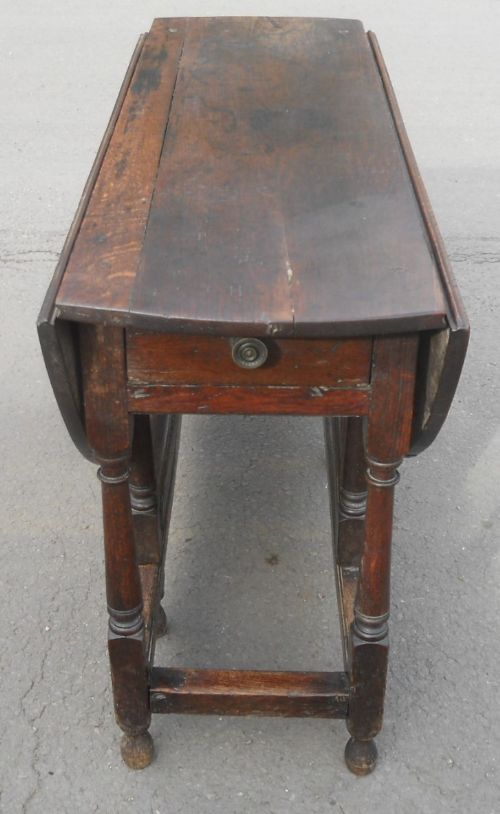
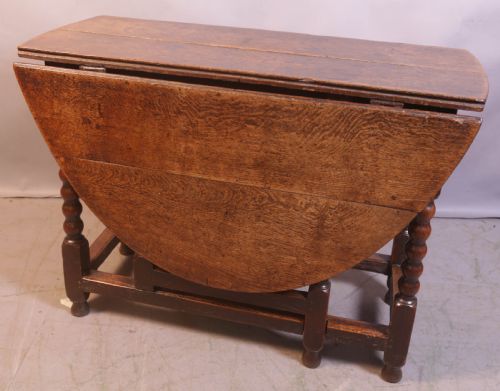

Small Extension Dining Table
A small extension dining table offers flexible seating in a compact room through clever drop leaves, gatelegs, or leaves.
Small Extension Dining Table
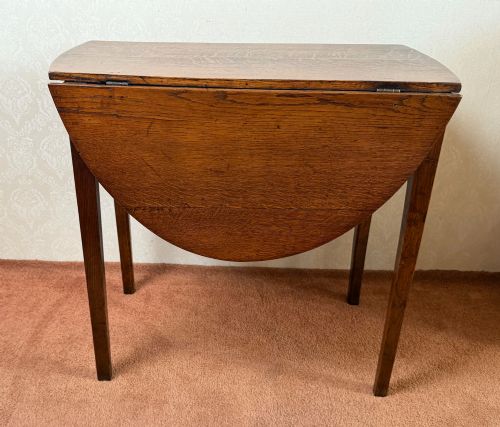
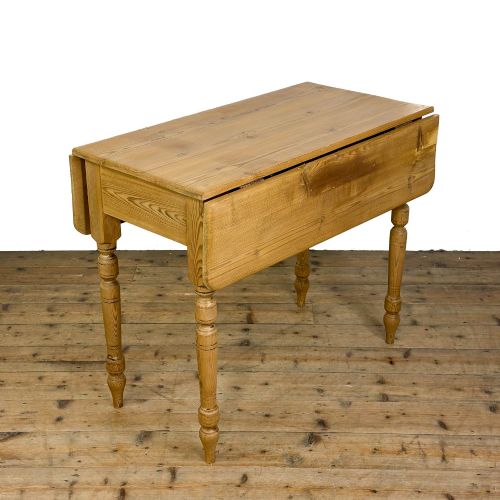
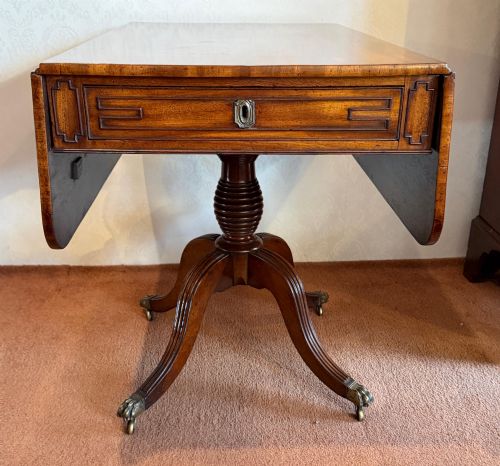
A small extension dining table serves everyday needs while expanding to accommodate guests when required. These pieces appear in forms such as drop-leaf tables, gateleg tables, and Pembroke tables.
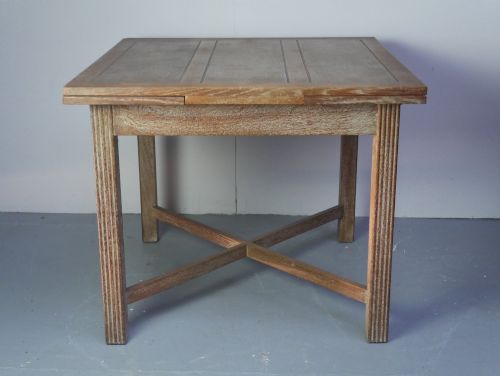
The selections span centuries, featuring styles from the seventeenth century and Jacobean Revival through to the Victorian era, Regency period, and nineteen-twentys Art Deco and rustic country designs. Oak and mahogany dominate the examples, supplemented by pine and limed oak.
Drop-leaf and gateleg configurations are the most common formats on this page, allowing the sides of the table to fold down when floor space is at a premium.
Materials and Construction
Surfaces received various treatments, from traditional polishing on mahogany to liming on oak and painted finishes on pine or bleached scrub tops. Hinges and gateleg pivots allowed hinged flaps to drop smoothly and lock securely into place when raised.
Small Extension Dining Table Retail Price Guide 2026
Typical asking prices for small extension dining table among the pieces listed under this phrase on Sellingantiques today, from the lower quarter to the upper quarter. They describe what is for sale here now, not the wider market.
The listings feature four distinct wood types: oak, mahogany, pine, and limed oak.
Judging Quality
Quality rests on the choice of timber and the precision of the joinery, particularly where leaves meet the fixed centre top. Finer examples display well-figured mahogany or richly grained oak, whereas utilitarian pieces rely on simpler pine.
The integrity of the folding mechanism dictates daily practicality. Solid gateleg supports and sturdy hinges separate standard furniture from superior cabinet work that remains rigid when fully extended.
Heals
The Small Extension Dining Table Glossary
- Drop-leaf table
- A table with a fixed centre section and hinged flaps on either side that fold down when not in use. This design saves floor space in smaller dining rooms.
- Gateleg table
- A table featuring hinged legs that swing out like a gate to support the drop leaves when raised. It provides sturdy reinforcement for extending tables.
- Pembroke table
- A small rectangular table with two hinged drop leaves on opposite sides, usually fitted with one or more small drawers. They originated in the eighteenth century as versatile breakfast or writing tables.
- Barley twist
- A type of decorative wood turning resembling the shape of a twisted rope or barley sugar stick. It is frequently seen on the legs of seventeenth-century and revival furniture.
- Scrub top
- A plain wooden tabletop designed to be scrubbed clean with water and abrasive brushes. These appear on traditional kitchen and work tables.
Small Extension Dining Table: Frequently Asked Questions
How do drop leaf tables work?
Drop leaf tables use hinged flaps attached to a fixed central top, which fold down to minimise the footprint of the furniture. When more surface area is needed, the leaves lift and are supported by swing-out legs or wooden brackets.
This mechanism allows a compact piece to transform into a larger dining surface quickly, making it ideal for multi-use rooms.
Where should I place a small extension table?
These tables fit well in kitchens, breakfast rooms, or compact dining spaces where permanent large furniture would block movement. With the leaves dropped, they function as side tables or console surfaces against a wall.
Pulling them out into the room and raising the leaves creates an immediate dining setup for guests.
How do I identify a Victorian table?
Victorian tables often feature darker mahogany or bleached scrub tops, reflecting the period's preference for practical yet stylish domestic furniture. Details like turned central columns or specific Pembroke drawer configurations help distinguish them from earlier Georgian or later revival pieces.
Examining the underside fixings and wood patination also provides clues to the nineteenth-century manufacturing date.