



Regency Cupboard with Shelves
A regency cupboard with shelves brings orderly display and concealed storage together in a single compact footprint.
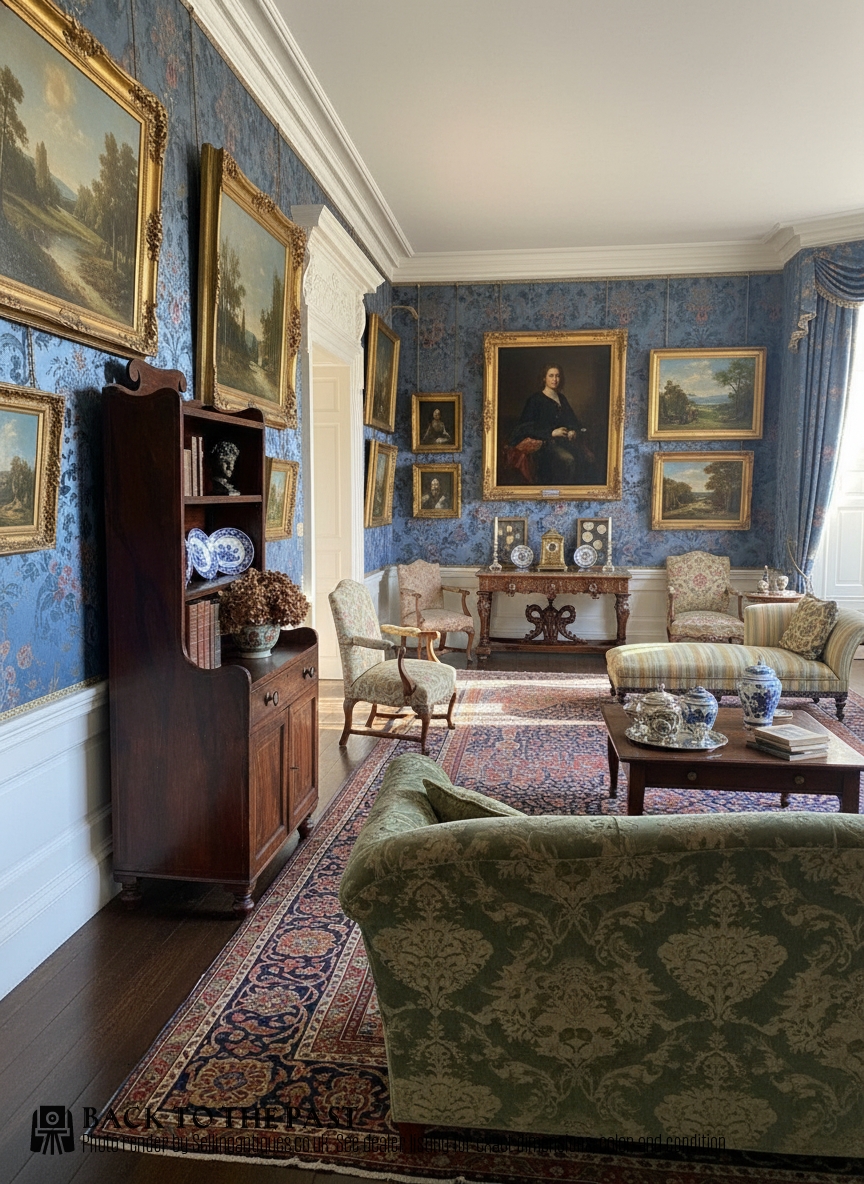
Regency Cupboard with Shelves
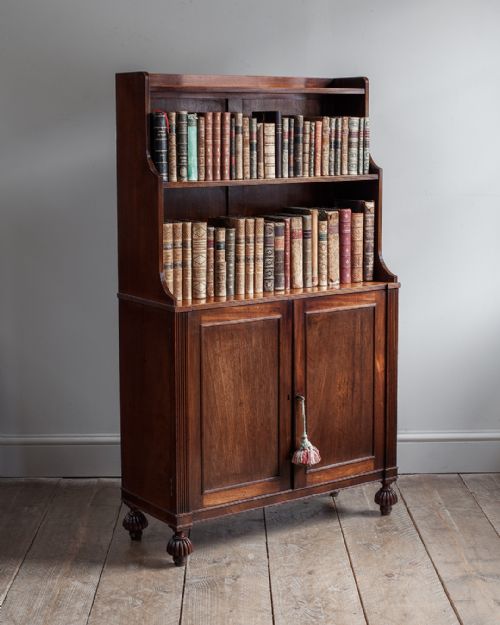
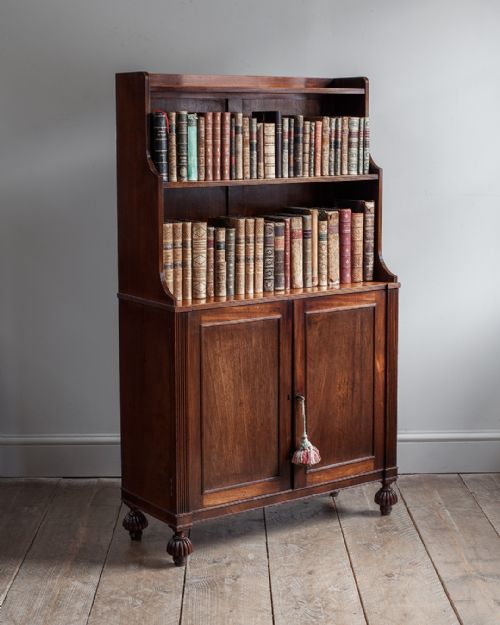
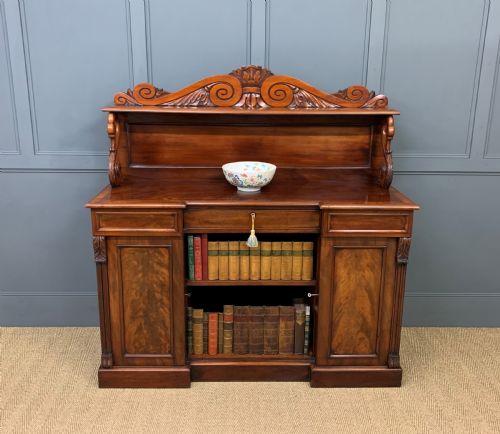
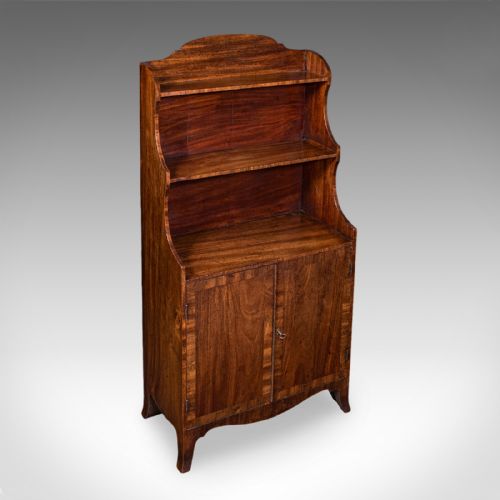
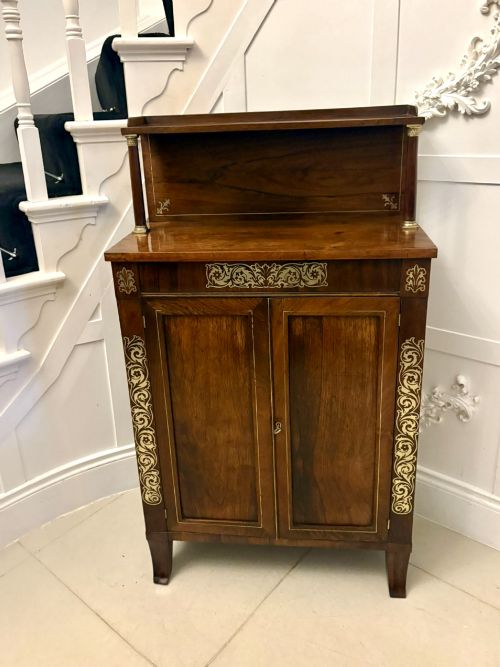
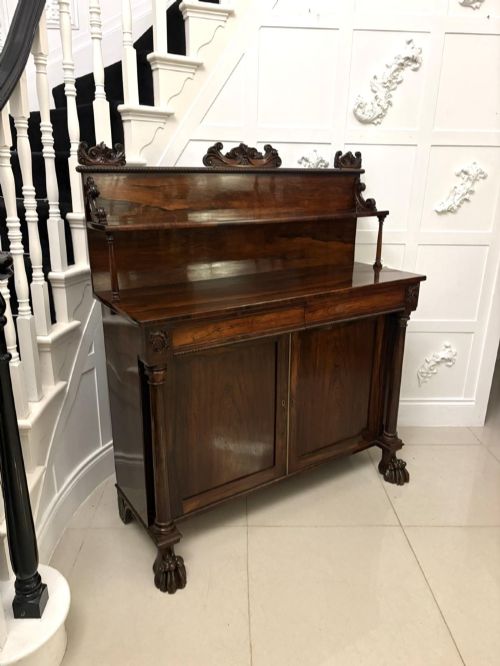
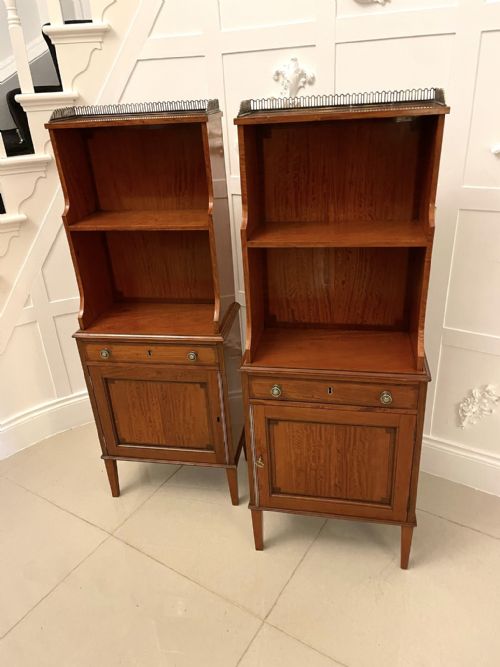
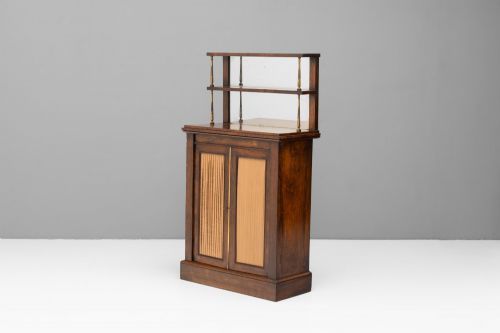
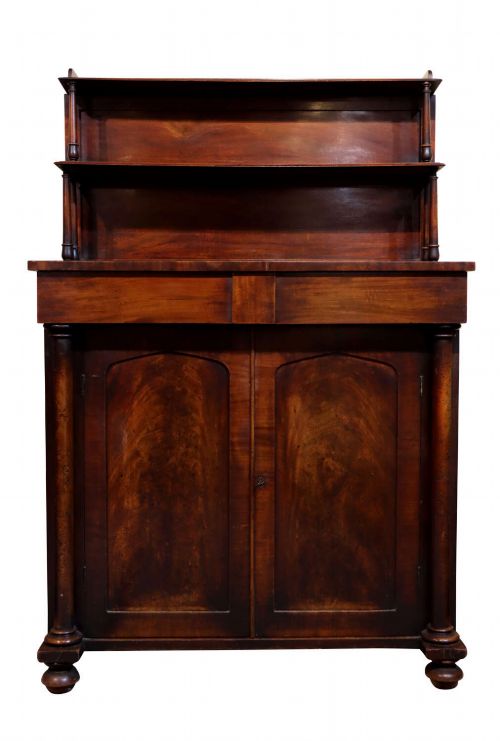
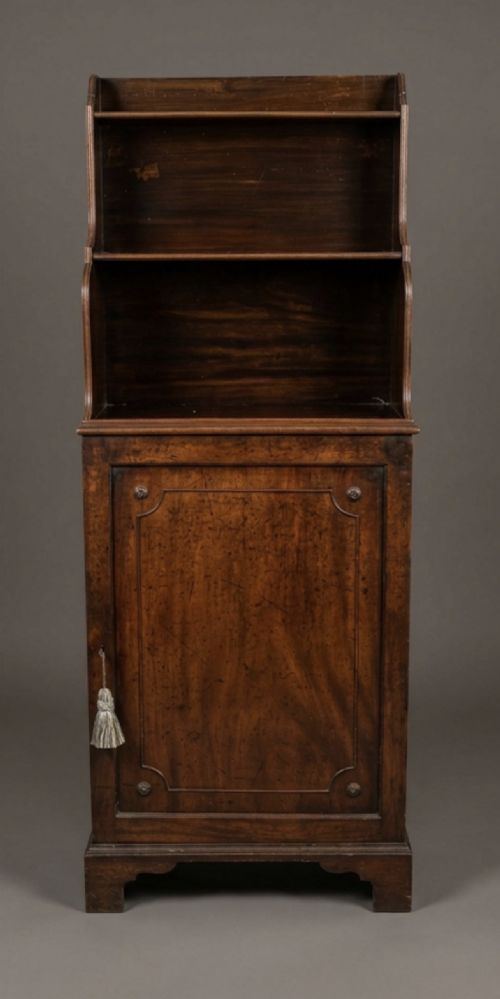
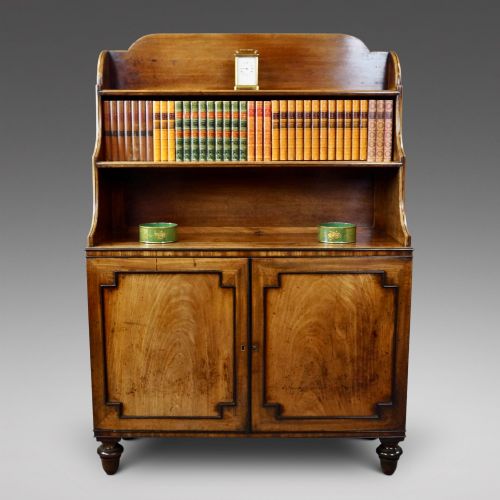
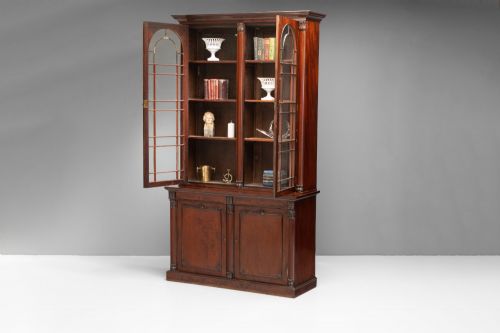
A regency cupboard with shelves encompasses a variety of practical furniture forms designed for domestic storage and display, most frequently appearing as chiffoniers, side cabinets, and waterfall bookcases. These pieces combine enclosed lower cupboards with open or tier-shelved upper sections, serving living spaces and libraries alike.
The materials and periods span the Regency era alongside Georgian, William IV, and Victorian iterations, though solid and veneered timbers dominate the selection. Buyers regularly encounter mahogany, flame mahogany, rosewood, and satinwood constructions, occasionally enhanced with brass inlay or painted simulated finishes.
Most examples hail from the nineteenth century, ranging from neat, small-scale cabinets to taller dwarf bookcases and serving cupboards. They provide versatile surface and shelf space suited to housing books, tableware, or display objects.
How they were made
Cabinet makers utilised dense hardwoods such as mahogany and rosewood, frequently applying flame mahogany veneer over secondary timbers to achieve striking grain patterns on door panels and drawer fronts. Satinwood and walnut also appear in specific iterations, paired with brass details for contrast.
Construction relied on traditional joinery methods to build stable carcasses for side cabinets and chiffoniers, incorporating adjustable shelves and tier-backed superstructures. Surfaces received polished finishes, while some items featured painted simulated rosewood or grained treatments.
Some nineteenth-century makers cleverly painted common timbers with simulated rosewood grain to trick the eye.
What varies in quality
Quality rests in the selection of timber figures, where richly marked flame mahogany veneer or well-matched rosewood elevates a standard side cabinet into a superior piece. The crispness of brass inlay and the refinement of carved or turned supports similarly separate utilitarian items from finer workshop output.
Proportion and scale dictate the desirability of these cupboards, with neat, compact chiffoniers and dwarf bookcases commanding particular attention for their elegance. Original finishes and intact shelf backs further distinguish the better examples found on the market.
Gillows
The Regency Cupboard with Shelves Glossary
- Chiffonier
- A low cabinet featuring an enclosed cupboard base beneath one or more open shelves or a tiered back. This form became popular during the Regency and William IV periods for storing books and serving small items.
- Flame mahogany veneer
- A thin slice of mahogany cut from the fork of the tree, displaying a characteristic flickering flame pattern. Cabinet makers applied this to prominent surfaces like doors and drawer fronts for visual impact.
- Waterfall bookcase
- A tiered set of open bookshelves where each successive shelf steps back from the one below, creating a cascading profile. These pieces often incorporate a small cupboard section at the base.
- Simulated rosewood
- A painted or grained surface finish applied to a secondary timber to imitate the dark grain and rich colour of genuine rosewood. This technique allowed makers to achieve an expensive look using more accessible woods.
- Dwarf bookcase
- A low, open-fronted piece of furniture designed to hold books below eye level while providing a useful top surface. They frequently include adjustable shelves to accommodate varying book heights.
Regency Cupboard with Shelves: Frequently Asked Questions
What is a regency cupboard with shelves?
A regency cupboard with shelves is a nineteenth-century storage piece that combines an enclosed lower cabinet with open upper shelving or tiers. These versatile items functioned primarily as chiffoniers, side cabinets, or bookcases in period interiors.
They offer both concealed storage and display space within a compact footprint, making them suitable for smaller rooms and living areas.
How do I date a chiffonier?
Dating a chiffonier involves examining the primary woods, construction methods, and stylistic details such as brass inlay or turned supports. Pieces from the Regency and William IV eras often feature flame mahogany veneers or rosewood alongside specific architectural motifs.
Later Victorian and Edwardian examples may display different proportions, secondary timbers, or graining techniques that point to nineteenth-century or turn-of-the-century production.
Are the shelves adjustable?
Many bookcases and cabinets from this period feature adjustable shelves to accommodate books of varying heights. Mechanisms typically involve traditional wooden ratchets or pin systems within the interior.
Fixed shelves also appear frequently in older chiffoniers and side cabinets, particularly in smaller tier-backed superstructures.
Where were these cabinets used?
These cabinets served multiple functions in nineteenth-century homes, appearing in libraries, dining rooms, and parlours. The lower cupboards stored household goods or table linen, while the upper shelves held books and decorative objects.
Serving cupboards and chiffoniers were often placed against dining room walls to assist with serving food and displaying silver.