
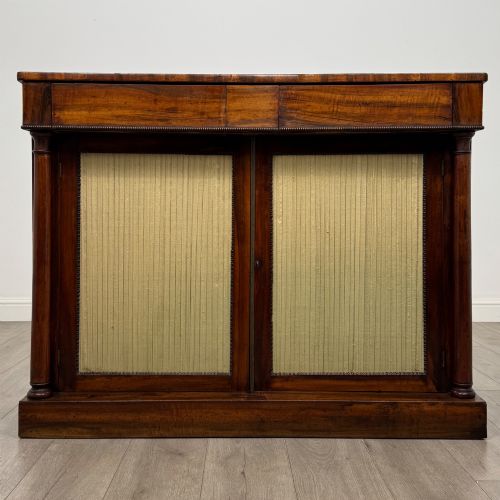
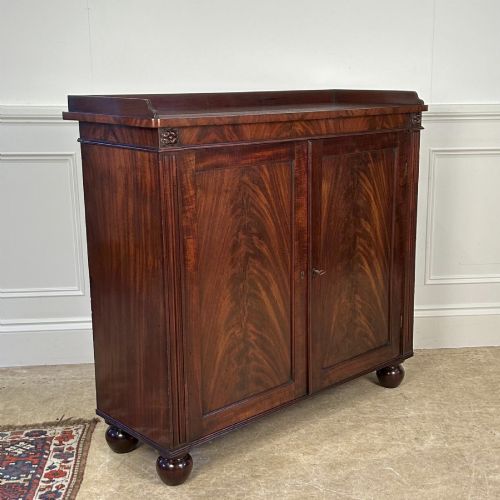
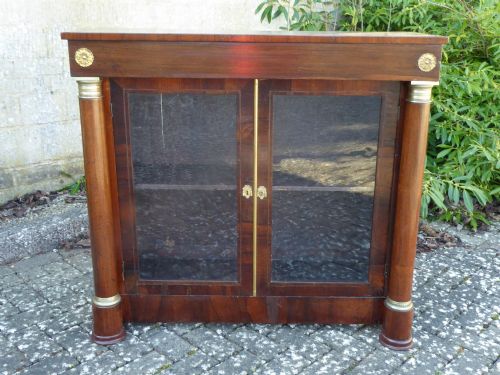
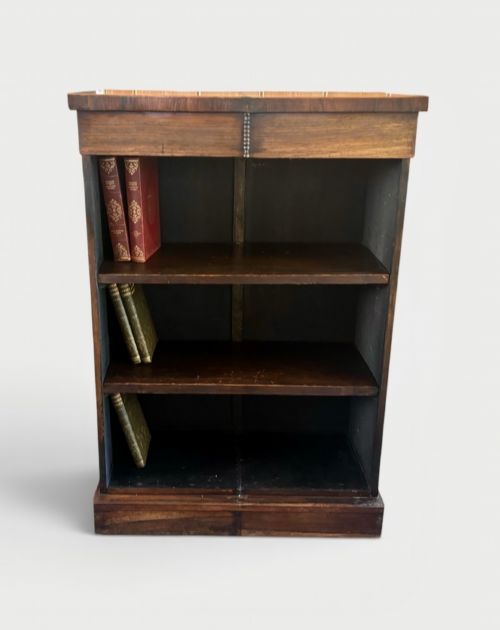
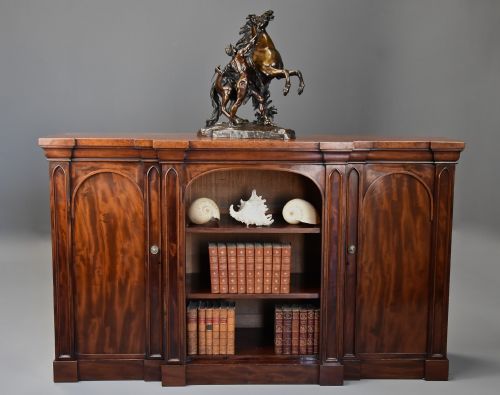


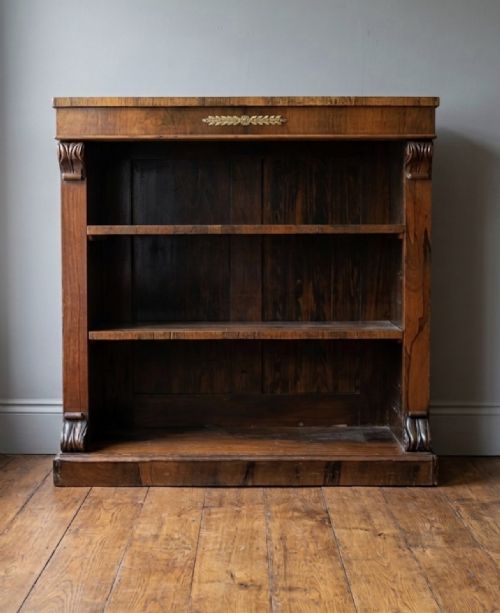


19th Century Dwarf Bookcase
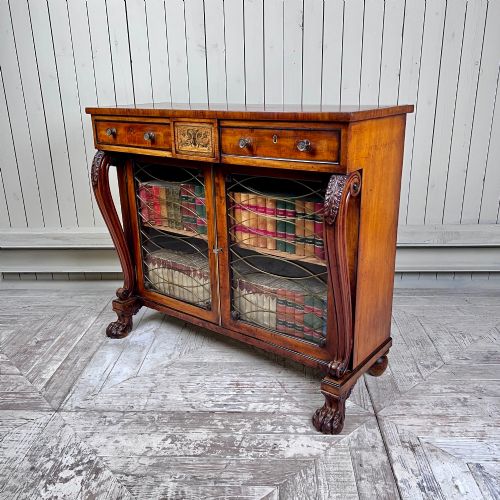
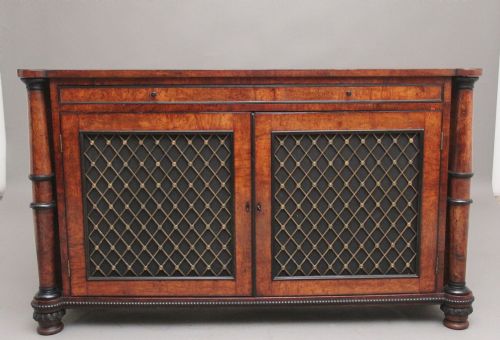
A 19th century dwarf bookcase brings low timber storage and display to a room, offering surface space above compact shelving.
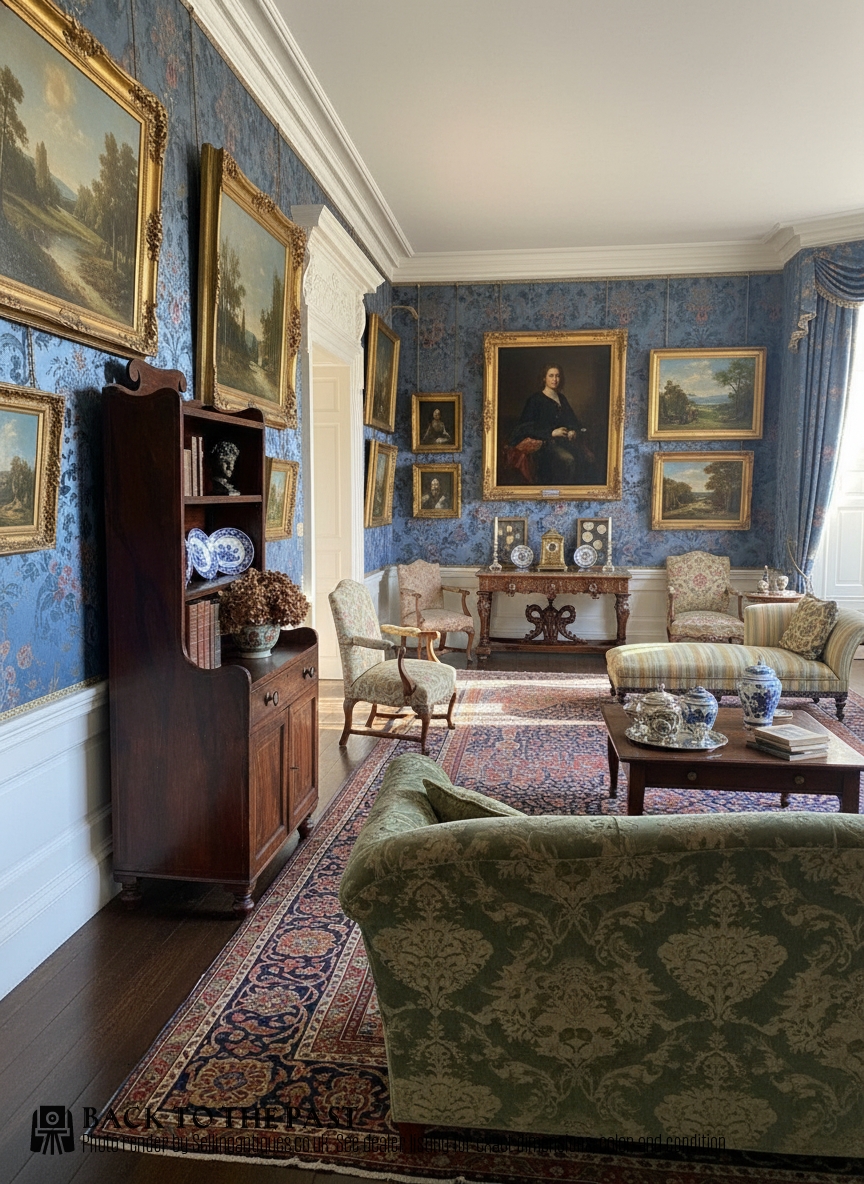
19th Century Dwarf Bookcase
A 19th century dwarf bookcase provides low-level shelving or cabinet storage, commonly encountered in Regency, Victorian, and William IV styles. Buyers seek these pieces for their compact proportions, which fit beneath windows or along walls without overwhelming a domestic interior.
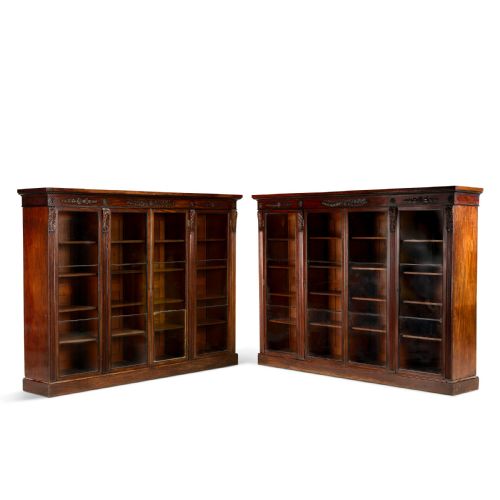
The material palette spans mahogany, rosewood, oak, walnut, and exotic timbers such as gonçalo alves and amboyna. Forms range from open adjustable library shelves to glazed or fabric-backed cabinets and chiffoniers.
Origins include British workshops of the Georgian, Regency, and Victorian eras, alongside occasional examples from continental or Qing Dynasty traditions. Pieces frequently incorporate brass mounts, inlays, or Gothic and breakfront influences.
Materials and Construction
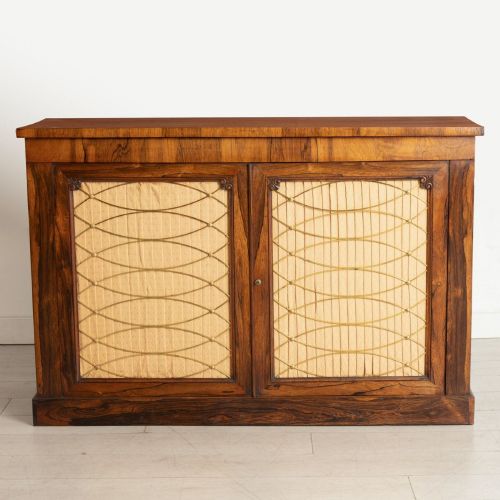
Cabinetmakers utilised solid timbers and veneers, applying flame mahogany, pollard oak, burr walnut, and rosewood over secondary woods. Surfaces frequently display intricate brass inlay, gilt-bronze mounts, or carved detailing.
Interiors often integrate adjustable shelving supported on timber or metal ratchets, alongside glazed doors fitted with glass panes or cupboard sections backed with pleated fabric.
Listings feature woods including mahogany, rosewood, oak, walnut, maple, amboyna, ebony, and gonçalo alves.
Design and Material Quality
Quality rests in the selection of timber figures, from richly grained rosewood and flame mahogany to exotic amboyna and gonçalo alves. The refinement of brass inlay, gilt mounts, and carved architectural motifs distinguishes superior workshop production.
Structural execution, such as breakfront proportions, original grained finishes, and properly functioning adjustable shelving mechanisms, separates standard utility furniture from exceptional cabinet work.
Gillows·Shoolbred & Co
The 19th Century Dwarf Bookcase Glossary
- Dwarf bookcase
- A low bookcase designed to sit beneath dado height or window level. These pieces combine upper display shelves with compact storage.
- Breakfront
- A cabinet front where the central section projects forward from the flanking wings. This configuration creates architectural depth in larger side cabinets.
- Chiffonier
- A low sideboard or cabinet equipped with enclosed lower cupboards and frequently featuring shelves or a mirror above. In nineteenth-century interiors, these served both display and storage functions.
- Gonçalo alves
- A dense tropical hardwood prized for its striking decorative grain patterns. Cabinetmakers utilised this timber for high-status Regency furniture.
- Pollard oak
- Oak timber taken from trees that have been pollarded, producing a dense cluster of branches and a distinctive knotted grain. It creates highly decorative veneers on nineteenth-century cabinets.
19th Century Dwarf Bookcase: Frequently Asked Questions
Where should I place a dwarf bookcase?
These low cabinets suit placement along living room walls, beneath windows, or in hallways where tall furniture would block light and sightlines.
Their reduced height allows the surface top to hold lamps, clocks, or decorative objects while keeping books within comfortable reach.
Are the shelves adjustable?
Many nineteenth-century examples incorporate adjustable shelving systems using wooden or metal supports.
This adaptability allows the interior to accommodate volumes of varying heights, a common feature in nineteenth-century library furniture.
How do I distinguish Regency from Victorian examples?
Regency pieces often display classical proportions, brass inlay, rosewood veneers, and gilt-bronze mounts influenced by ancient Greek and Roman design.
Victorian cabinets tend to show heavier proportions, darker oaks or walnuts, and stylistic revivals such as Gothic or Jacobean influences.