
Painted Regency Cabinet
A painted regency cabinet brings together the clean lines of the early nineteenth century and the lively surface decoration of British porcelain and timber.
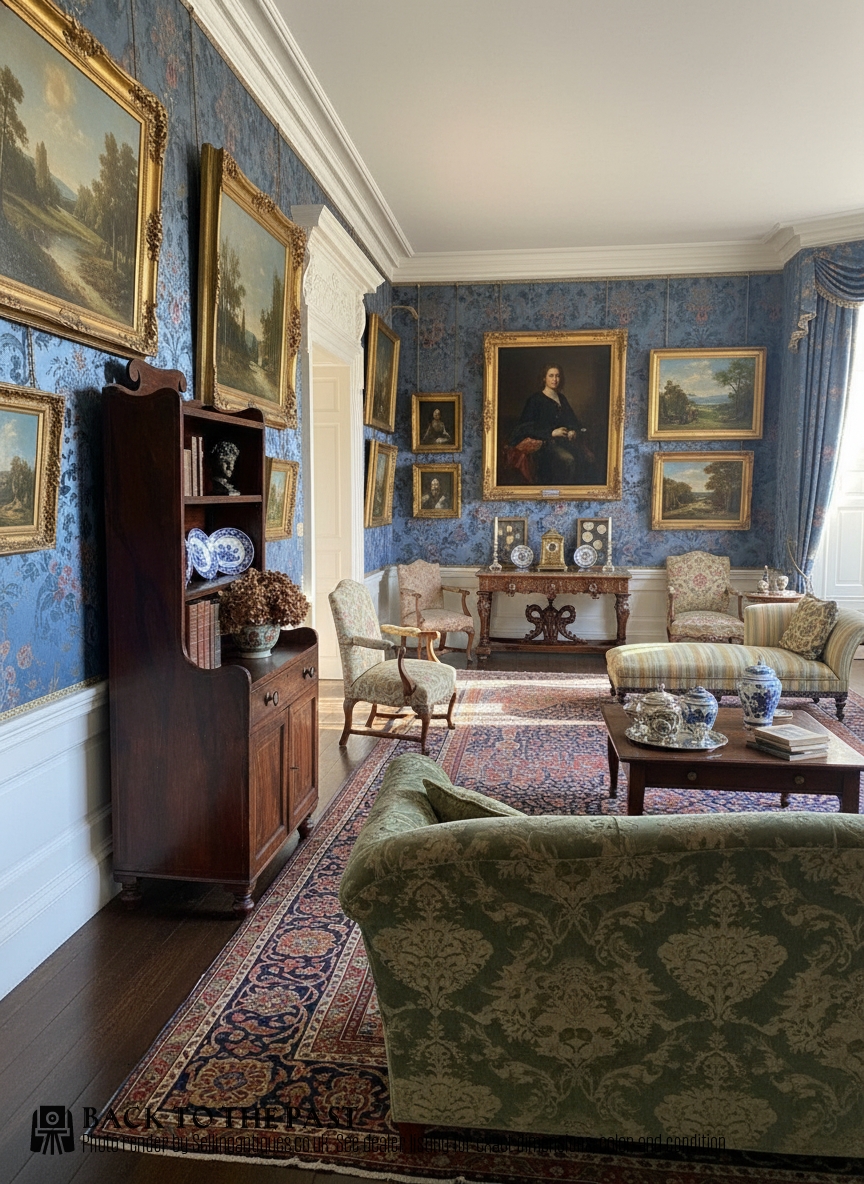
Painted Regency Cabinet
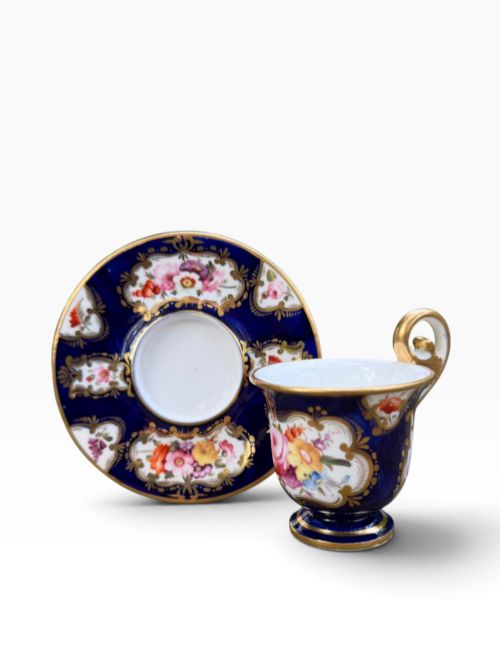
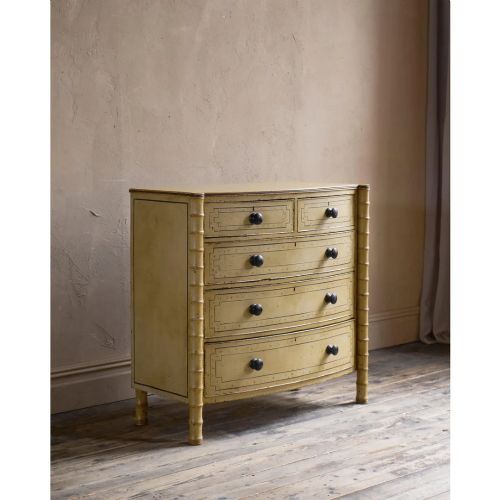
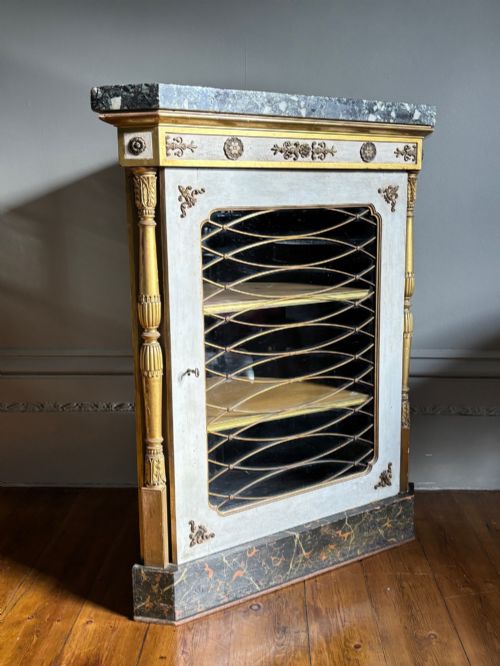
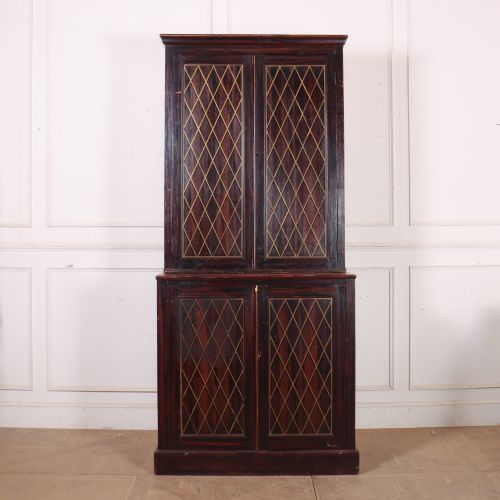
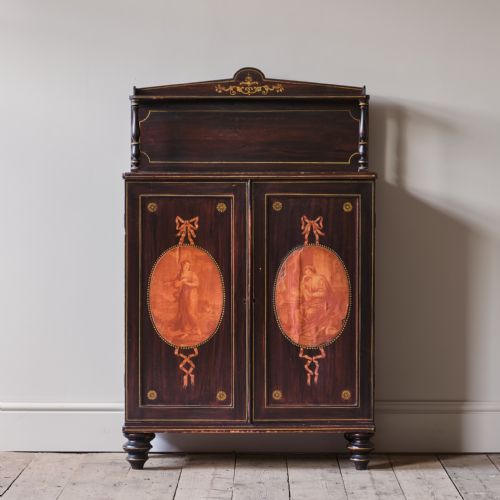
When you search for a painted regency cabinet, you find a distinct blend of storage furniture and porcelain tablewares spanning the Georgian and nineteenth-century periods. The items range from timber side cabinets and bookcases finished in simulated paint, faux bamboo, and pen-work to porcelain cabinet plates and cups intended for display.
The painted regency cabinet group includes architectural pieces such as corner cupboards, chiffoniers, and marble-topped stands alongside smaller porcelain serving dishes and cabinet trios. These pieces draw on neoclassical, Chinoiserie, and English country house styles, reflecting the decorative tastes of the era.
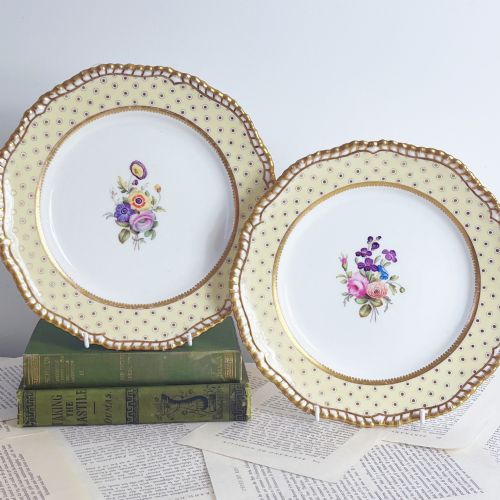
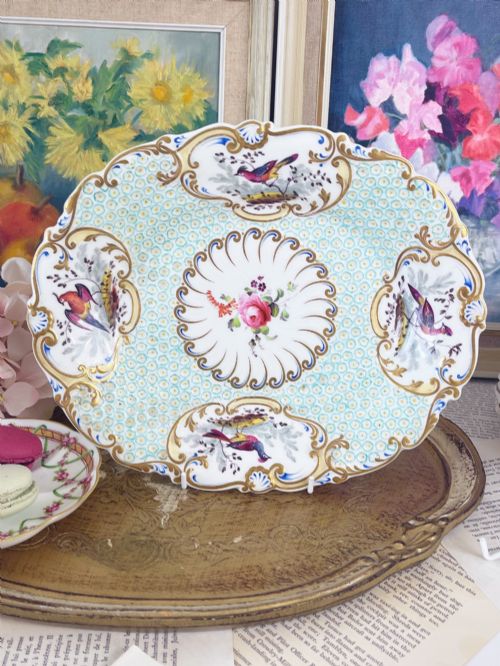
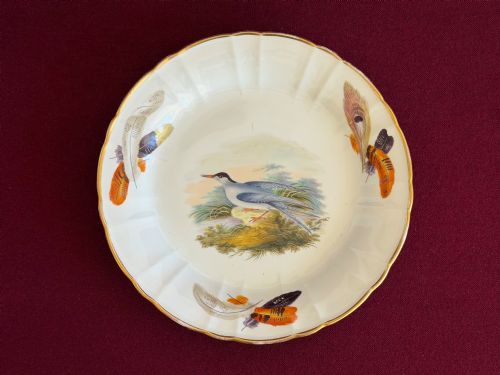
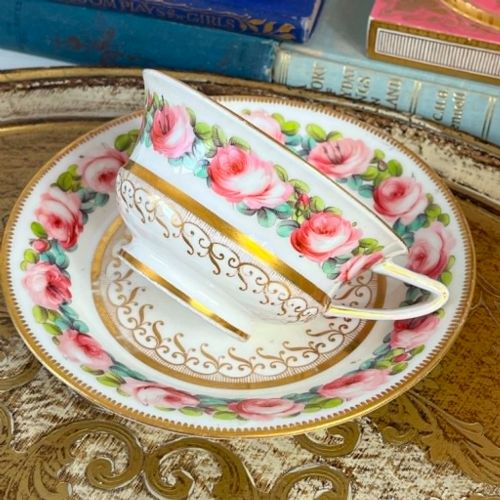
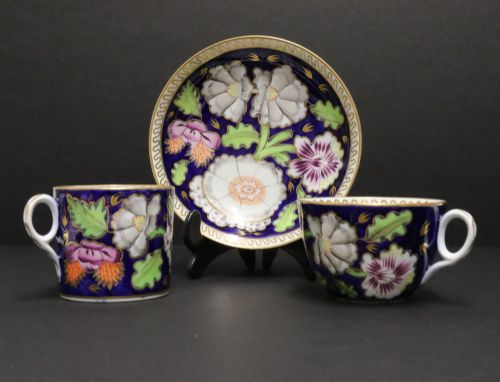
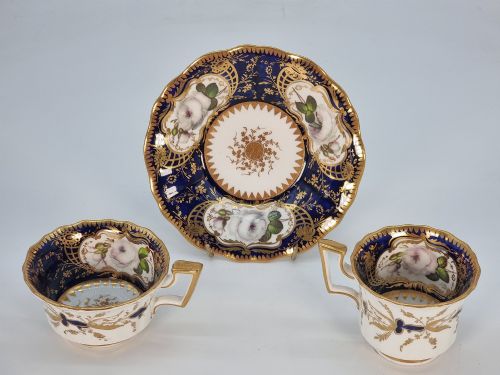
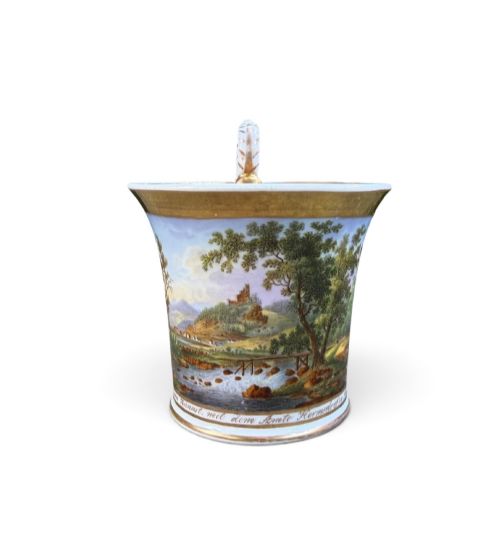
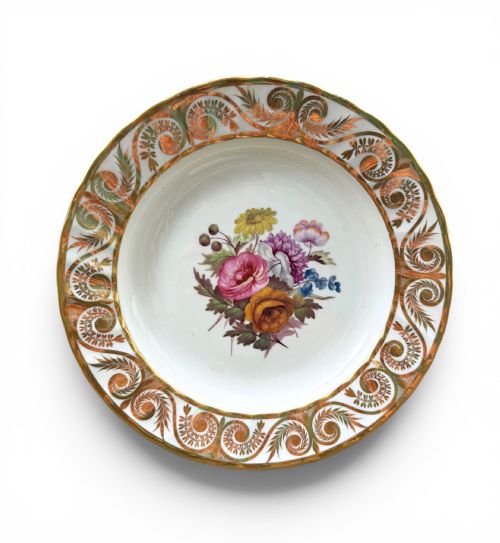
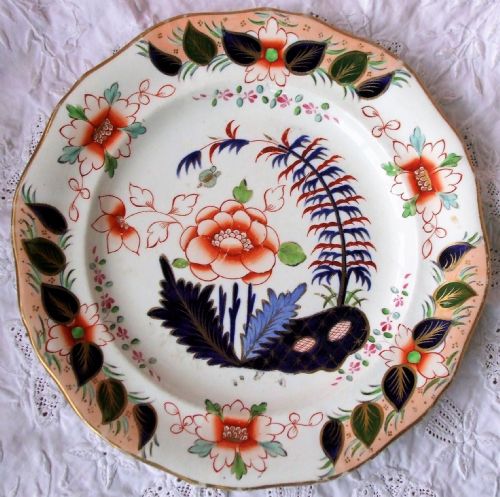
You are most likely to meet timber side cabinets with hand-painted details or porcelain cabinet plates from English makers like Worcester, Coalport, and Spode. They demonstrate how domestic furniture and ceramics shared a common vocabulary of botanical illustration, topographical views, and armorial decoration.
How they were made
Makers utilised native and imported woods such as pine, finished with specialised ground paints to simulate exotic timbers like rosewood or to create faux marble effects. Artisans applied pen-work, gold leaf, and hand-mixed pigments directly onto prepared timber surfaces.
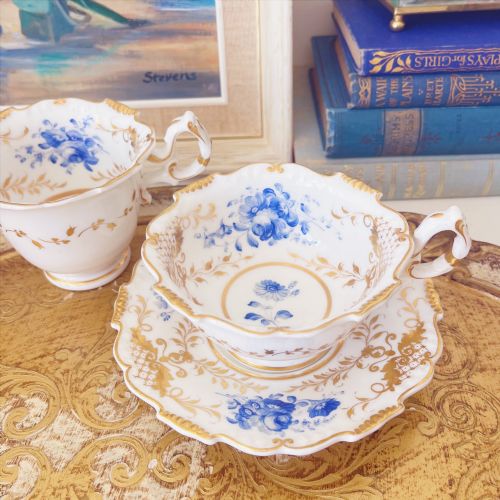
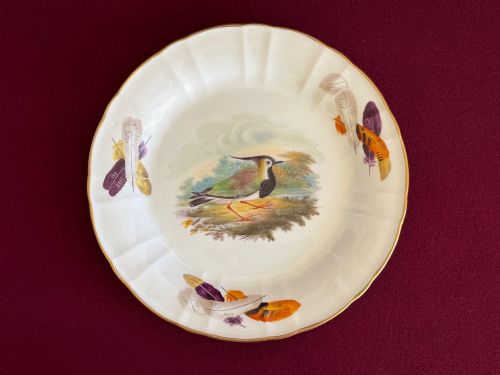
Porcelain items relied on refined bone china and felspar pastes shaped into plates, cups, and serving dishes before receiving hand-painted enamels. Firing techniques fixed botanical subjects, birds, and topographical scenes onto the ceramic body with considerable precision.
Listings feature items from the 19th Century, Regency, and Georgian periods, employing porcelain, enamel, gold leaf, wood, brass, gilt, and paint.
What varies in quality
The standard of a painted regency cabinet rests on the precision of the brushwork and the fidelity of the decorative scheme, whether botanical, topographical, or armorial. Superior examples display confident, individual hand-painting rather than mechanical repetition.
Material preparation and the survival of original painted surfaces dictate value across both timber furniture and porcelain wares. Pieces retaining undisturbed ground paint, gilding, and clear maker attribution sit at the upper end of the range.
Spode·H & R Daniel·Wedgwood·Davenport·Newhall·Coalport·Berlin·Derby·Bloor Derby·Barr Flight and Barr·Minton·Chamberlain Worcester·Ridgway·Samuel Astles·Meissen·Nantgarw
The Painted Regency Cabinet Glossary
- Cabinet plate
- A decorative ceramic plate intended primarily for display rather than dining use. These items often feature detailed hand-painted botanical or topographical subjects.
- Pen-work
- A decorative technique using fine ink lines on a prepared timber surface to simulate marquetry or engraving. It is typical of refined small furniture from the regency period.
- Chinoiserie
- A European artistic style reflecting Chinese motifs and landscapes. It appears frequently in the painted decoration of cabinets and porcelain from this era.
- Armorial
- Bearing heraldic crests or coats of arms. Such decoration denotes pieces commissioned specifically for landed families.
- Chiffonier
- A low-standing cabinet or sideboard equipped with shelves or drawers. Regency versions often feature painted wood finishes or marble tops.
Painted Regency Cabinet: Frequently Asked Questions
What is a painted regency cabinet?
It is a piece of furniture or porcelain from the early nineteenth century featuring hand-painted decoration, ranging from timber side cabinets to ceramic cabinet plates.
These items reflect the neoclassical and Chinoiserie tastes prevalent during the regency and georgian periods.
How were these cabinets used?
They served as decorative storage in principal rooms, holding books, porcelain, or personal items while enhancing the interior scheme.
Corner cupboards and chiffoniers provided practical display space for the fine ceramics produced by contemporary factories.
How do I identify a regency piece?
Look for characteristic design elements such as classical proportions, simulated rosewood paint, pen-work, and specific porcelain body types.
Maker marks and stylistic details like botanical painting help date pieces to the early nineteenth century.
Are painted ceramics part of this group?
Yes, porcelain cabinet plates, cups, and serving dishes share the category due to their decorative function and period of manufacture.
Factories like Worcester and Coalport produced these wares alongside furniture decorated in complementary styles.