


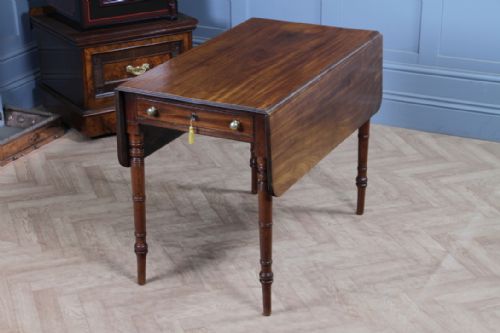

Regency Console Table Drawers
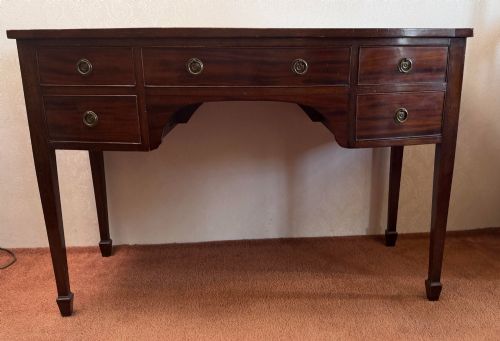
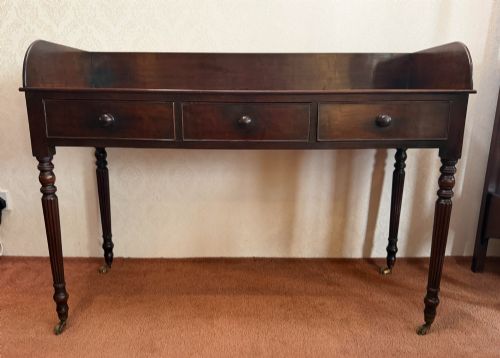
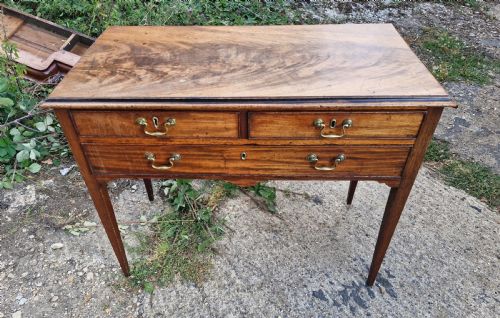
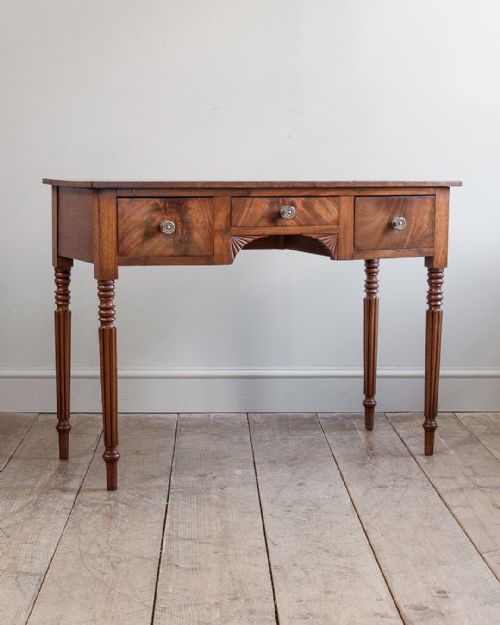
Regency console table drawers are practical mahogany and rosewood furnishings designed for storage and display, offering clean lines and traditional craftsmanship that suit modern interiors.
Regency Console Table Drawers
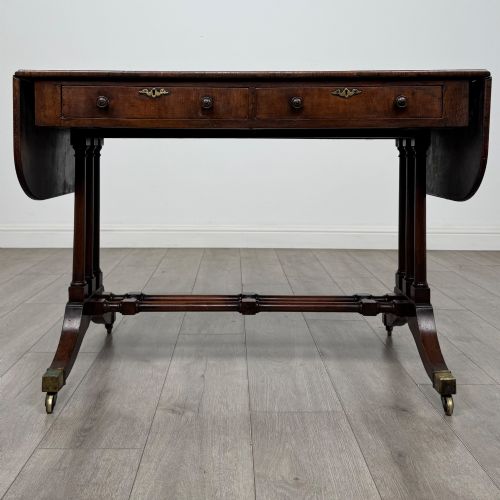
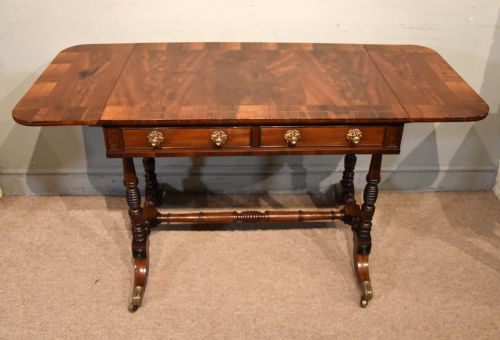
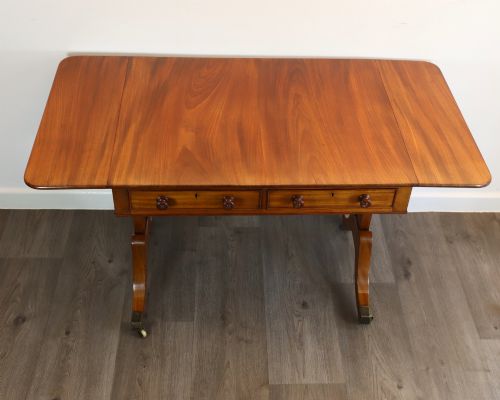
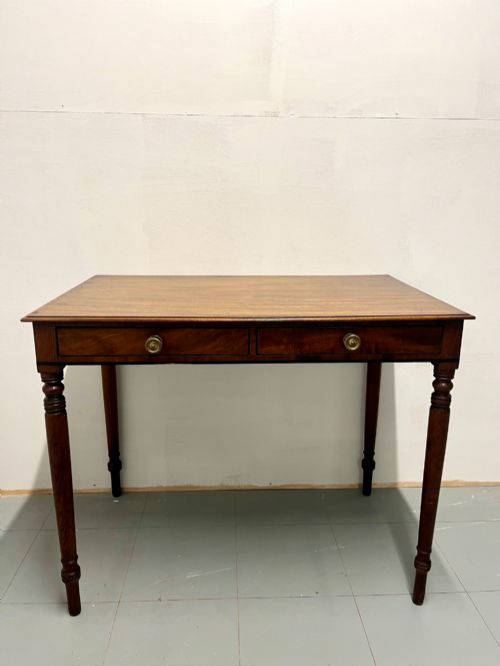
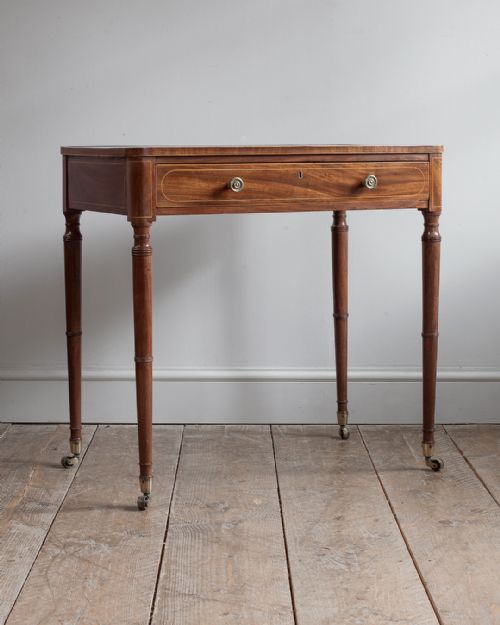
When you search for regency console table drawers, you encounter a selection of side, sofa, writing, and console tables primarily originating from the nineteenth century, Georgian, and Regency periods.
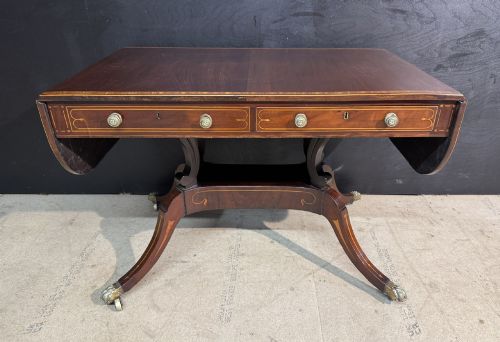
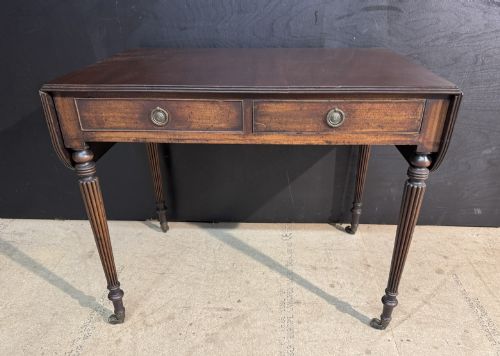
The pieces on this page are most commonly constructed from mahogany, rosewood, and oak, often featuring single or multiple drawers designed for practical use in hallways, libraries, and living rooms.
Makers and craftsmen of these eras produced various forms including Pembroke tables, bowfront side tables, and extending sofa tables, reflecting both formal and occasional domestic functions.
How they were made
Makers utilised solid timbers and veneers such as mahogany, rosewood, and yew wood, often incorporating contrasting boxwood and wood inlay to define the borders and surfaces.
Metal components played a structural and decorative role, with brass mounts, inlay, and handles fitted to drawers and legs during the Regency and George IV periods.
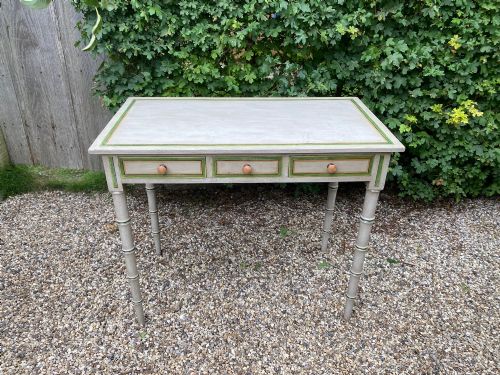
Certain examples incorporate painted wood finishes, including faux bamboo and hand-painted geometric tops, demonstrating alternative decorative techniques alongside traditional polishing.
Some tables feature clever secret drawers hidden beneath the polished tops, perfect for keeping stray keys out of sight.
What varies in quality
The selection of timber grain, particularly figured mahogany and rosewood, distinguishes standard utility pieces from higher-tier examples produced during the Regency and Georgian eras.
Refinement in secondary details such as brass inlay, hand-painted decoration, and precise drawer construction marks the distinction between ordinary furniture and exceptional craftsmanship.
The Regency Console Table Drawers Glossary
- Console table
- A table designed to be fixed against a wall, or freestanding in later adaptations, often featuring drawers for storage. These pieces were frequently utilised in entrance halls and principal reception rooms.
- Sofa table
- A rectangular occasional table with drop leaves on either side and drawers integrated into the frieze. They were originally designed to stand in front of a sofa.
- Bowfront
- A curved front section on a cabinet or table, popular in Georgian and nineteenth-century design. This profile softens the rectangular geometry of the furniture.
- Pembroke table
- A small drop-leaf table with hinged flaps on both sides and typically one or more drawers. They offered versatile surface area in smaller rooms.
- Frieze
- The horizontal band situated beneath the tabletop, which frequently houses the drawers. It often receives decorative treatments such as brass inlay or figured veneer.
Regency Console Table Drawers: Frequently Asked Questions
Where should I place a console table?
These tables sit comfortably in hallways, living rooms, or behind sofas where surface space and storage are required. Their shallow depth allows them to occupy narrow passages without obstructing movement.
Freestanding versions also function effectively in the centre of a room when finished on all sides.
How do I identify a Regency table?
Regency pieces typically display classical proportions, dark timbers like mahogany or rosewood, and restrained brass mounts or inlay. They date from the early nineteenth century and often feature sabre legs or pillar supports.
Construction details such as hand-cut dovetails in the drawers help confirm the period.
What is the difference between a sofa table and a side table?
Sofa tables feature drop leaves on the short sides and are traditionally designed to sit alongside upholstered seating. They generally include drawers accessible from both sides or a single operational side.
Side tables lack the drop leaves and are built strictly to stand against a wall or function independently.
Can I use these tables for writing?
Many tables from this era served dual purposes as writing desks or occasional writing tables. Their drawer configuration often accommodated writing materials and documents.
Checking the height and knee clearance ensures comfortable daily use as a desk.