



Regency Carved Hall Seat
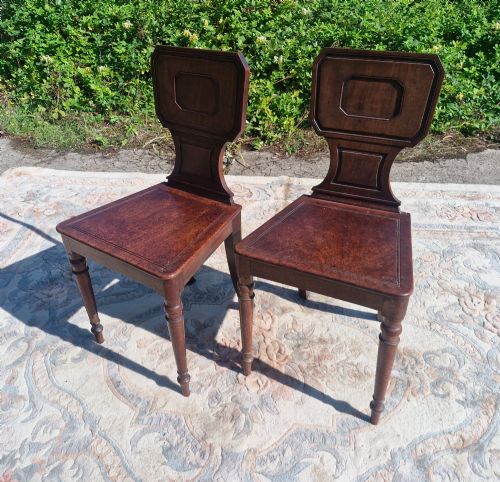
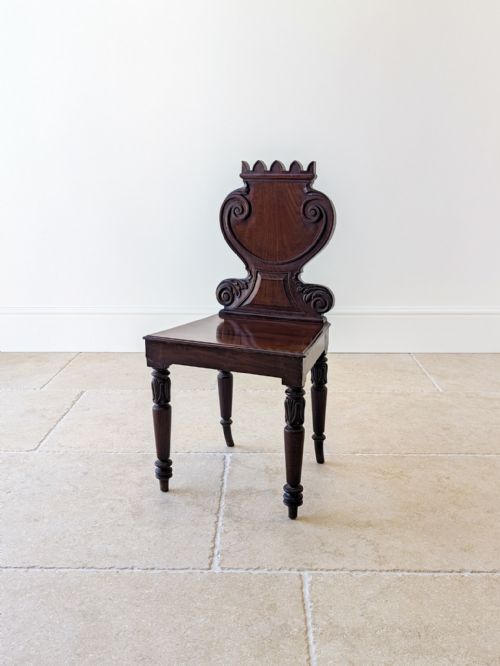
A regency carved hall seat commands attention in an entrance hall, offering solid timber construction and distinct period carving.
Regency Carved Hall Seat
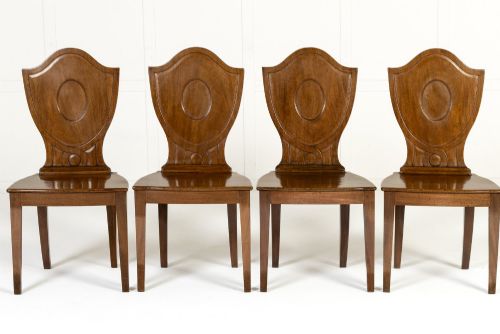
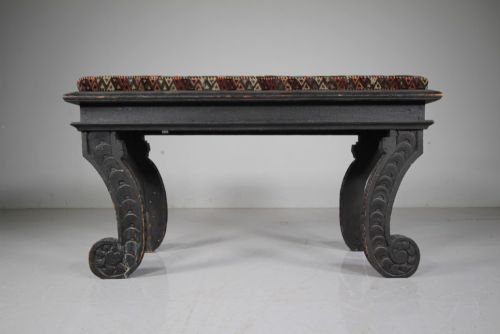
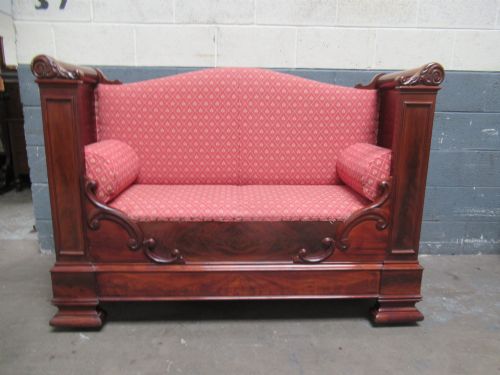
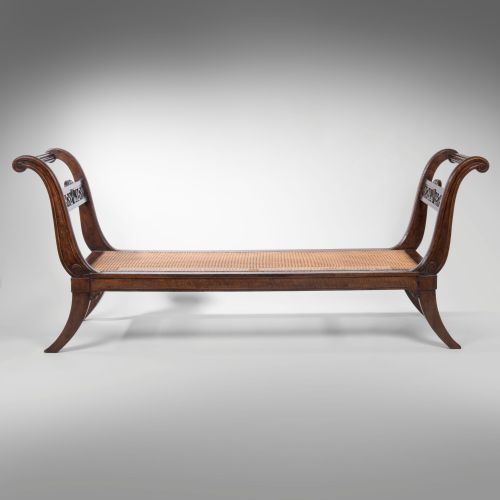
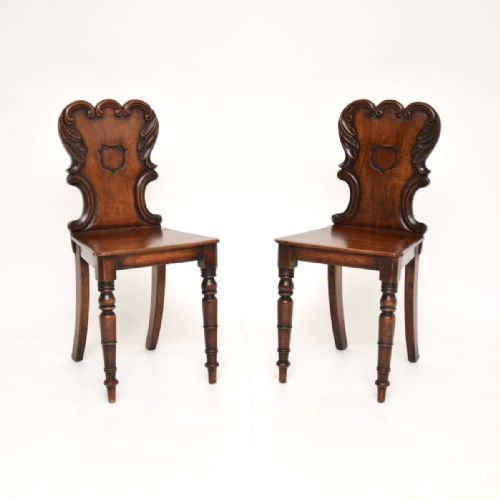
A regency carved hall seat brings architectural presence to an entrance hall or reception space, drawing on classical design motifs from the early nineteenth century. Buyers searching for a regency carved hall seat encounter various seating forms including rigid armorial hall chairs, padded window seats, and long mahogany benches.
The material record spans the Regency, George IV, and William IV periods, alongside later Victorian revivals reaching into the early twentieth century. Mahogany dominates the surviving forms, complemented by oak, painted pine, walnut, and occasional giltwood details.
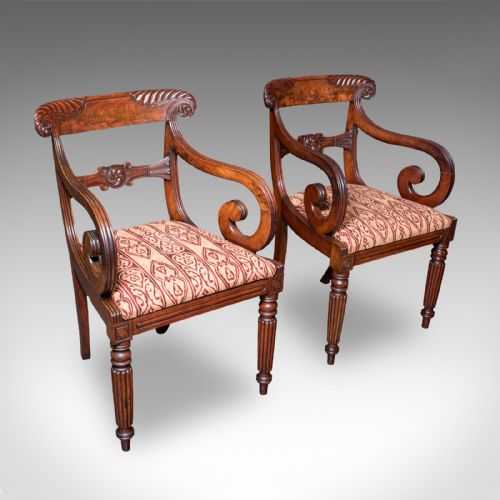
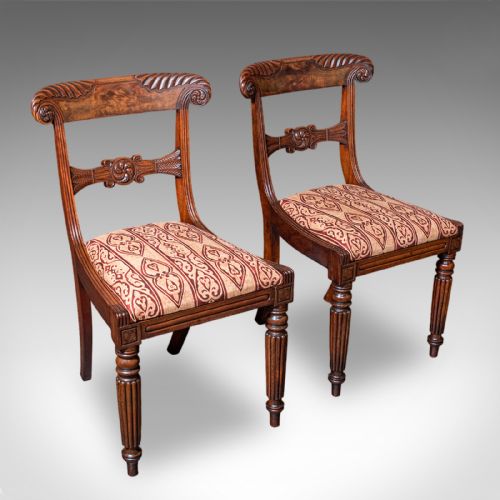
Most examples function as rigid timber seating with carved backrests, though occasional variants include cane panels, fabric upholstery, or brass accents. Pairs and sets frequently appear alongside single armchairs and window benches.
Materials and Technique
Cabinetmakers constructed these seats primarily in solid mahogany and oak, employing traditional joinery to withstand heavy daily use in entranceways. Timber surfaces often display carved decoration directly into the wood, ranging from simple shell motifs to complex heraldic crests and shield backs.
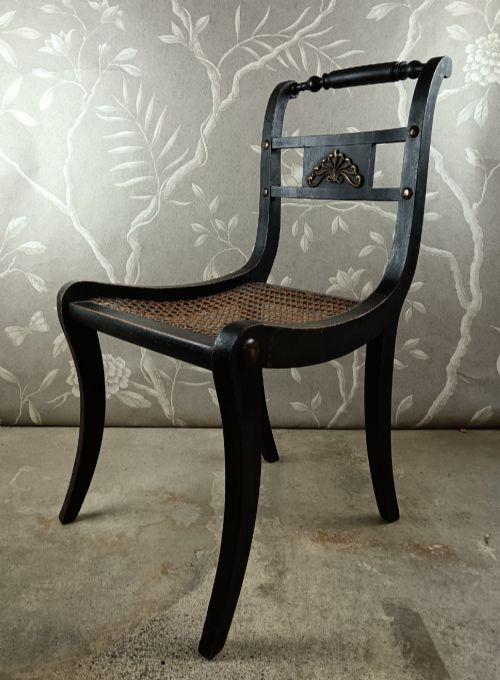
Specialised variations incorporate turned sabre legs, X-frames, or ebonised finishes to mimic heavier classical forms. Where seating surfaces are not carved from solid timber, makers utilised woven cane or stretched fabric over internal frames.
Country house hall seats often served as covert storage for damp umbrellas tucked beneath the framework.
Craftsmanship and Distinction
The distinction between standard utility seating and high workshop output lies in the crispness of the timber carving and the selection of figured mahogany. Workshops known for documented output demonstrate superior proportion and deeper relief work on shield backs and armorial panels.
Structural integrity depends on the original joinery remaining tight without excessive replacement timber in the legs or back rails. Surface finish also plays a role, with untouched patination on the wood separating well-maintained examples from heavily stripped pieces.
Gillows
The Regency Carved Hall Seat Glossary
- Armorial
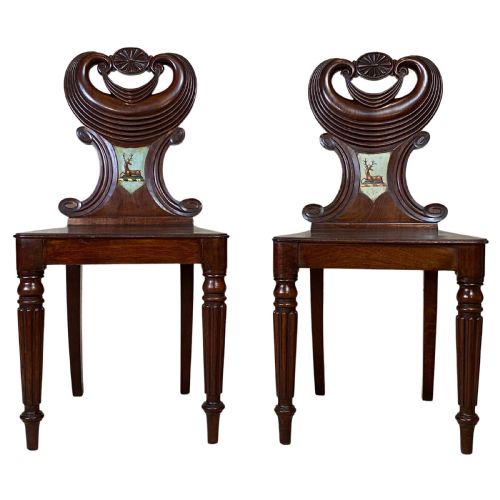
- Bearing a family coat of arms or crest. These carved or painted emblems indicate bespoke commission for a specific country house.
- Sabre leg
- A curving, outward-splaying leg tapering towards the foot. This form derives from ancient Greek klismos chairs and characterises Regency seating design.
- Pelta back
- A shield or crescent-shaped chair back resembling an ancient Greek shield. This classical motif appears frequently on formal hall chairs.
- X-frame
- A cross-shaped structural support resembling the letter X. It underpins many window seats and benches from the Regency period.
- Cane
- Woven split rattan used for seat panels. This lightweight material provided flexible support in warm reception rooms.
Regency Carved Hall Seat: Frequently Asked Questions
Where did these seats go in a house?
These seats stood in entrance halls, corridors, and reception rooms to accommodate visitors waiting for appointments.
Their rigid wooden construction discouraged guests from lingering too long in cold passageways.
Are hall chairs comfortable to sit on?
Most hall chairs were designed for upright posture rather than relaxation, featuring solid timber seats and carved backs.
Some variants softened the experience with drop-in fabric pads or woven cane panels.
How do I date a Regency seat?
Dating relies on identifying specific stylistic markers such as sabre legs, reeding, and classical motifs like pelta or shield backs.
Matching the timber species and construction methods to early nineteenth-century workshop practices confirms the period.
Why do many hall chairs feature crests?
Peerage families and landed gentry commissioned hall chairs carved or painted with their specific heraldic crests or armorial bearings.
This displayed the household lineage to arriving guests before they entered the main reception rooms.