
Solid Wooden Hall Seat
A solid wooden hall seat offers a striking architectural presence in an entryway, combining sturdy utility with period character.
Solid Wooden Hall Seat
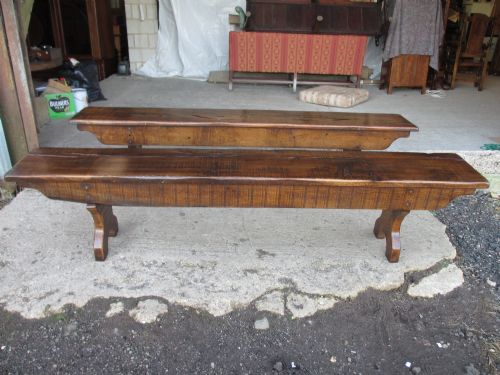
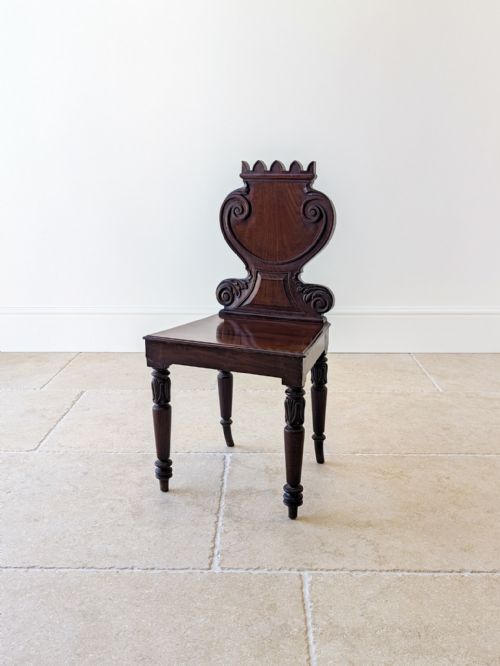
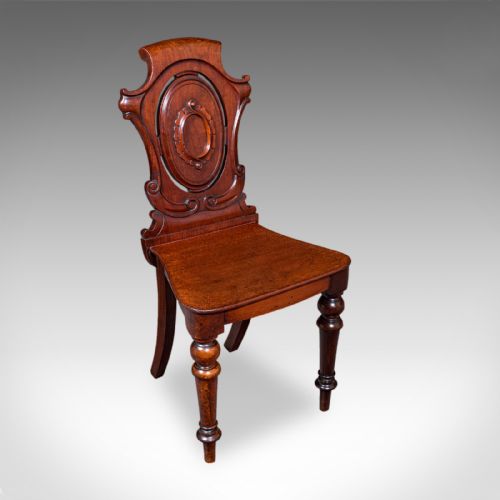
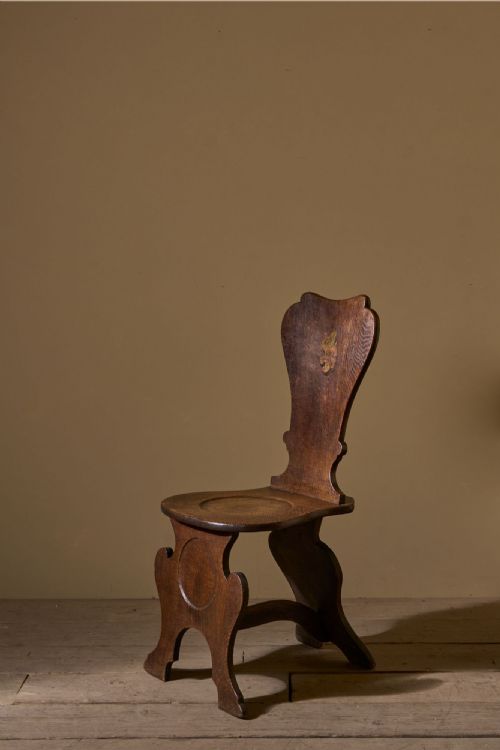
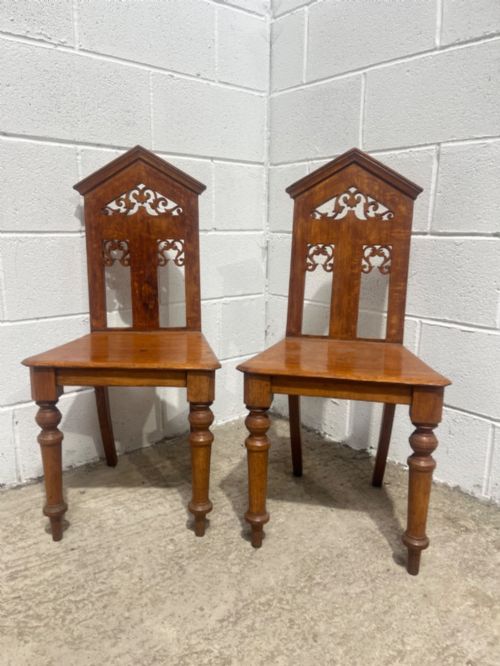
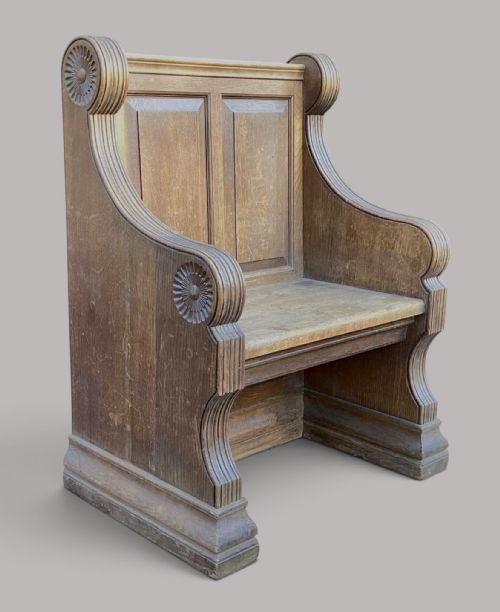
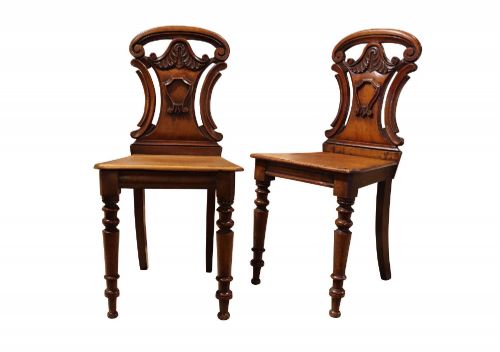
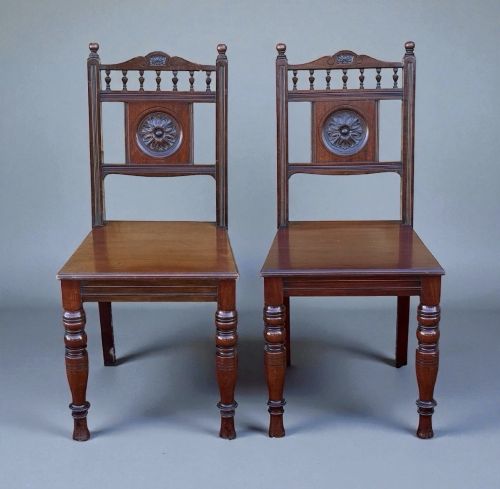
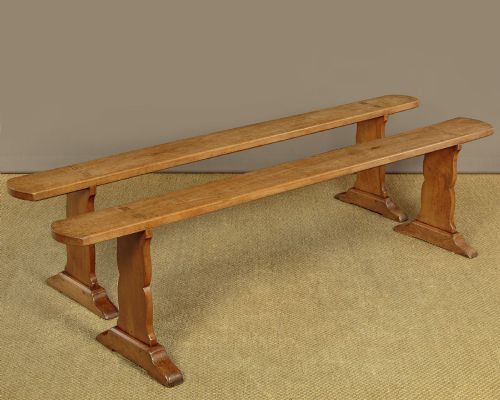
A solid wooden hall seat encompasses benches, chapel thrones, and individual hall chairs designed for grand or utilitarian entryways. Buyers searching for a solid wooden hall seat encounter diverse forms ranging from 18th-century oak sgabello chairs to expansive 19th-century oak benches and mahogany window seats.
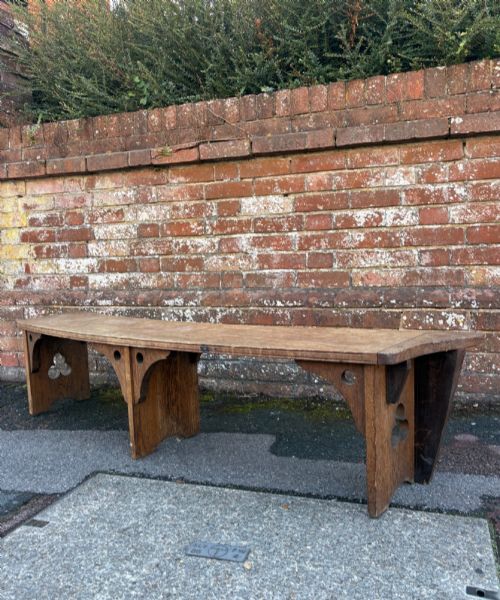
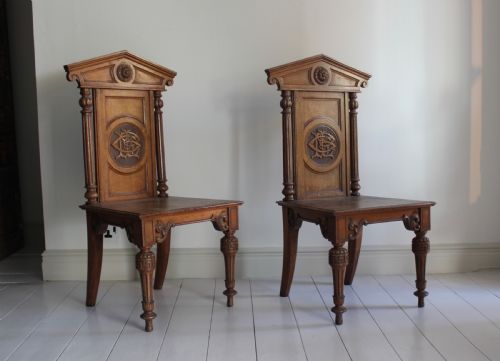
The materials span native timbers like oak, elm, and walnut alongside imported hardwoods such as mahogany and satinwood. Many examples reflect historical revival movements, displaying Gothic, Jacobean, or Arts and Crafts characteristics through trefoil carvings, shield backs, and architectural forms.
Assessing quality and craftsmanship
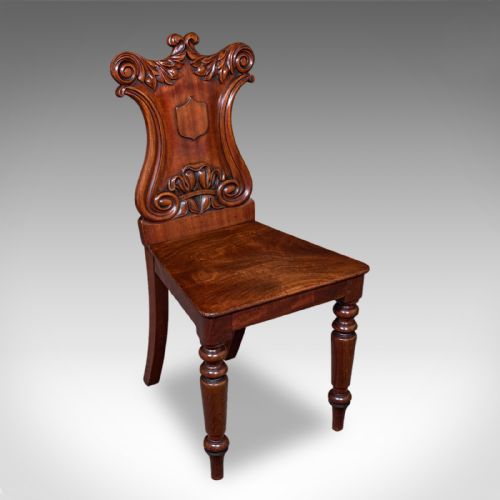
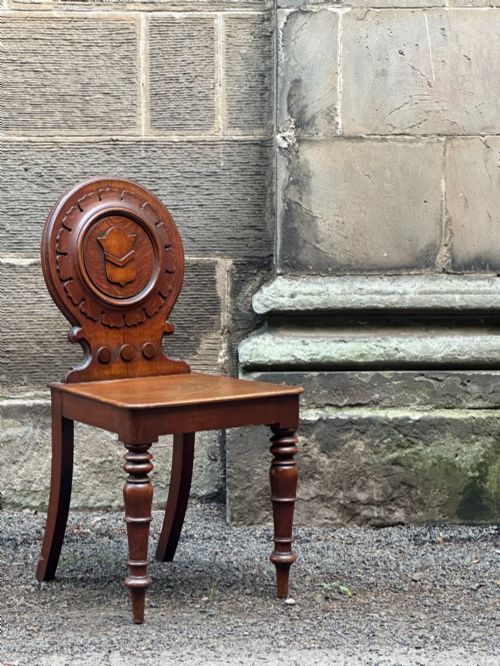
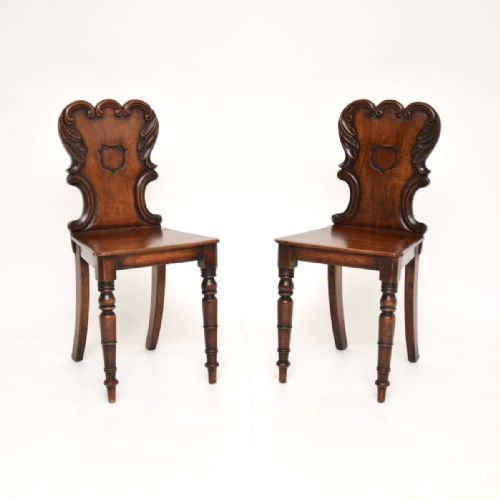
Superior examples distinguish themselves through the depth and crispness of hand carving, particularly on shield backs and trefoil supports. The selection of figured timber, whether highly grained mahogany or quarter-sawn oak, dictates the visual impact of the piece.
Proportion and structural integrity separate standard utility seating from masterworks designed for prominent reception spaces. The integration of architectural details, such as curved Pugin-style frameworks or solid satinwood construction, elevates specific pieces.
Listings feature timbers including mahogany, oak, walnut, elm, cherrywood, and satinwood across the 18th, 19th, and early 20th centuries.
Gillows
The Solid Wooden Hall Seat Glossary
- Sgabello
- An Italian Renaissance-style chair featuring a wooden seat and solid trestle supports, often heavily carved. These portable seats gained popularity in grand halls during earlier centuries.
- Pelta back
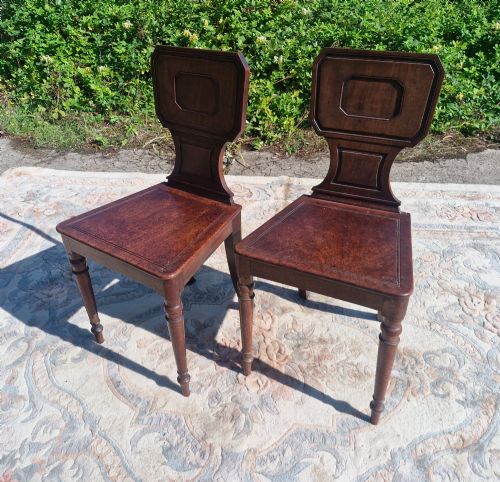
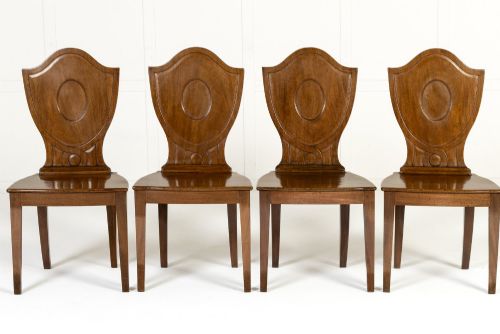
- A shield or crescent-shaped chair back resembling an ancient Greek shield. Cabinetmakers carved this classical motif into mahogany hall seating.
- Shield back
- A chair back designed in the contour of a heraldic shield. This form appeared frequently on mahogany and oak seating during the Georgian and Victorian periods.
- Trefoil
- A three-leaf graphic ornament derived from Gothic architecture. Carvers frequently pierced this shape into the wooden supports of Arts and Crafts benches.
Solid Wooden Hall Seat: Frequently Asked Questions
Where were hall seats placed?
These seats stood primarily in entrance halls, corridors, and reception rooms of substantial houses. Guests used them briefly while waiting to be announced.
Servants also utilised them for practical duties near the main entrance.
How do I date an oak bench?
Dating relies on stylistic clues like Gothic revival arches or Arts and Crafts trefoil carvings. Construction methods such as pegged joints and timber selection offer further chronological evidence.
18th-century versions display simpler joinery compared to ornate Victorian interpretations.
What is a chapel throne?
A chapel throne is an imposing wooden seat with high architectural backs, originating from ecclesiastical settings. These pieces feature substantial framework and solid oak construction.
They bring a monastic aesthetic into domestic entrance halls.