
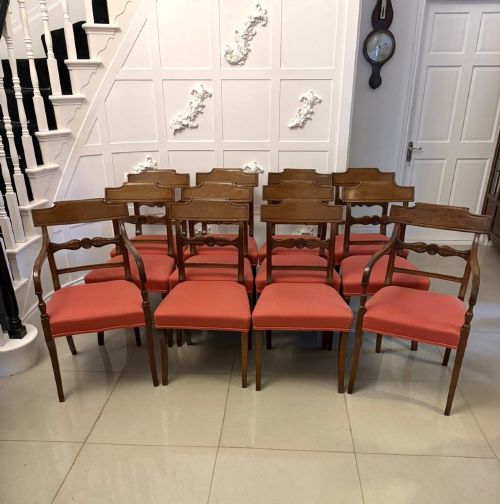
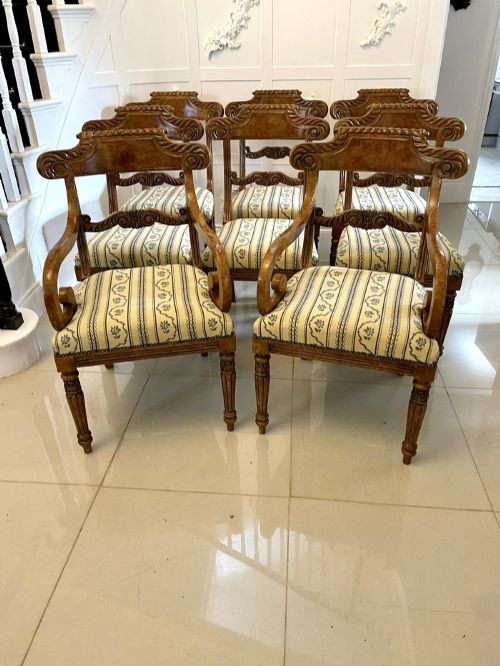
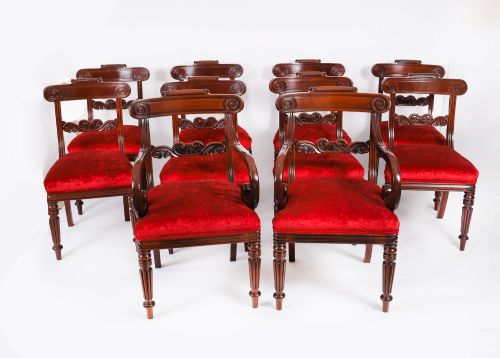
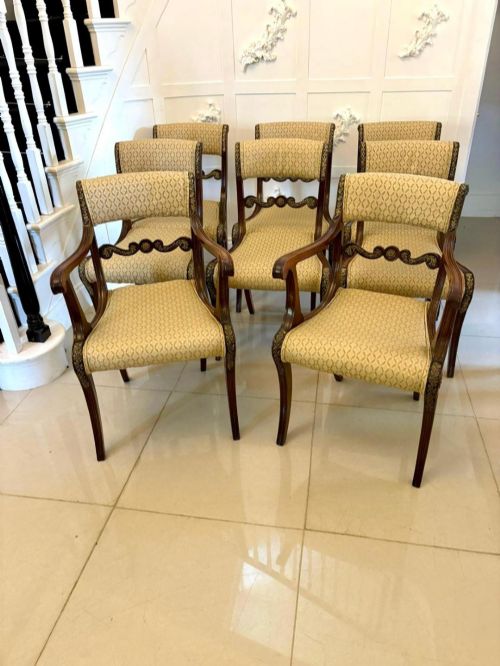

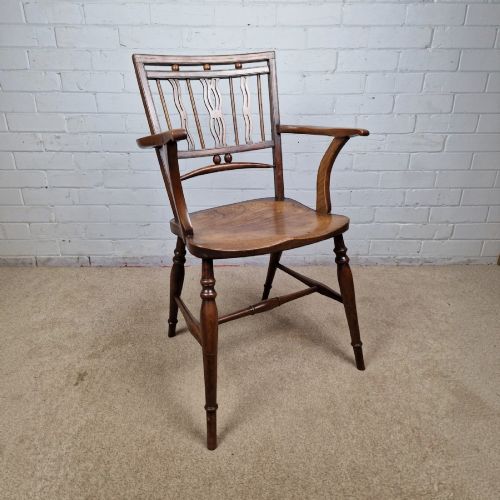
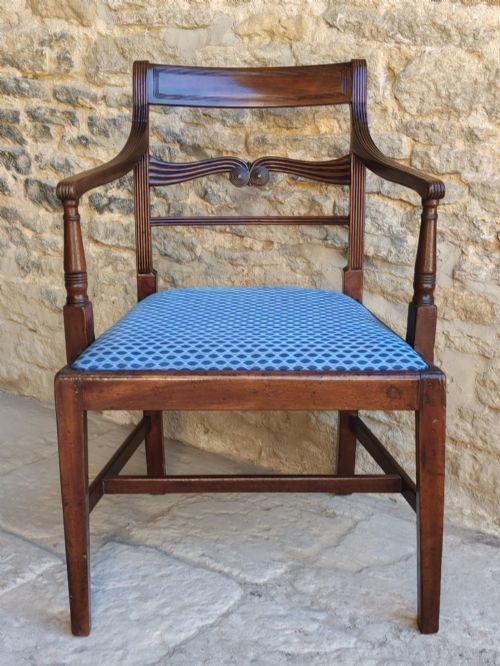
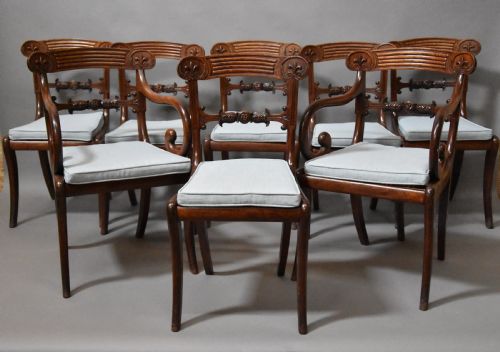
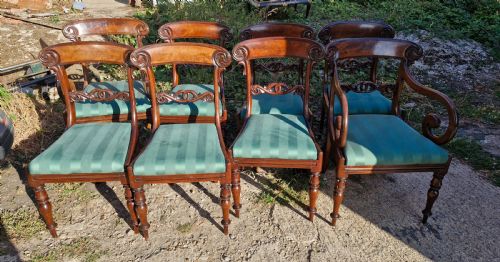
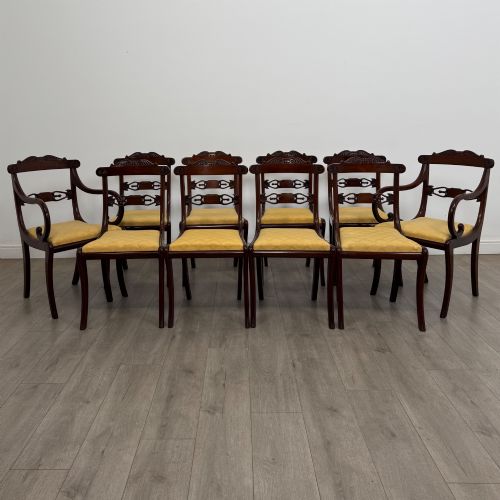
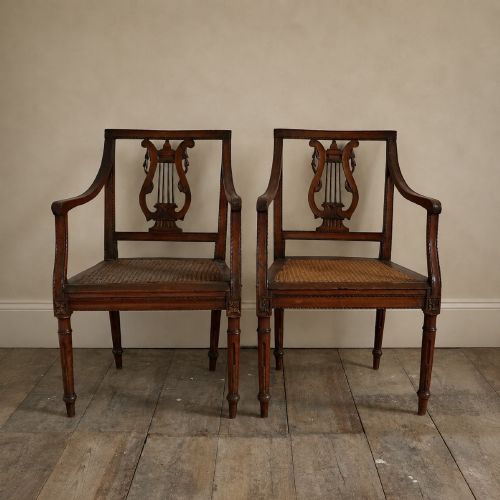
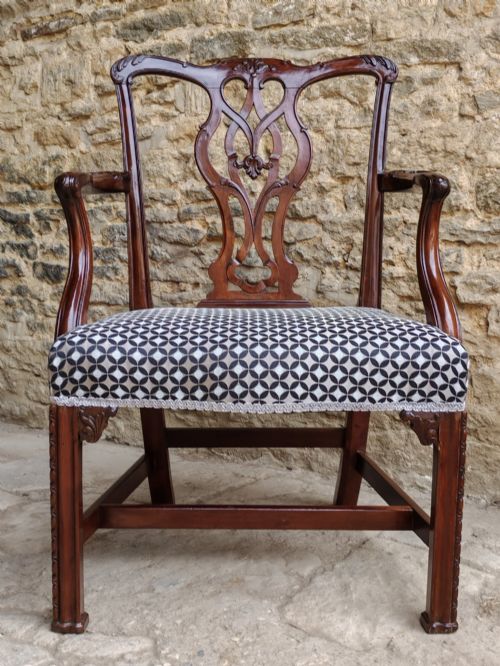
Regency Carved Carver
Regency carved carver chairs provide generous seating with defined armrests, combining period elegance and functional design for modern interiors.
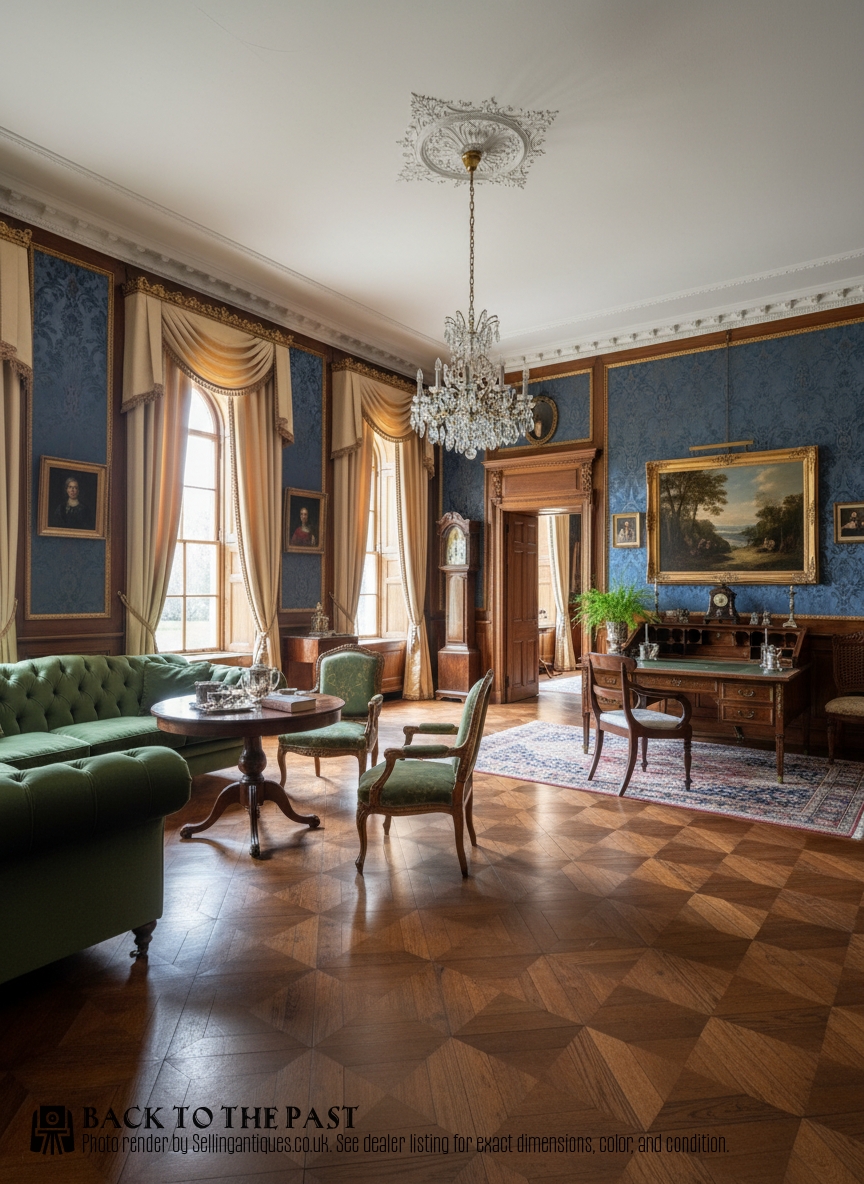
Regency Carved Carver
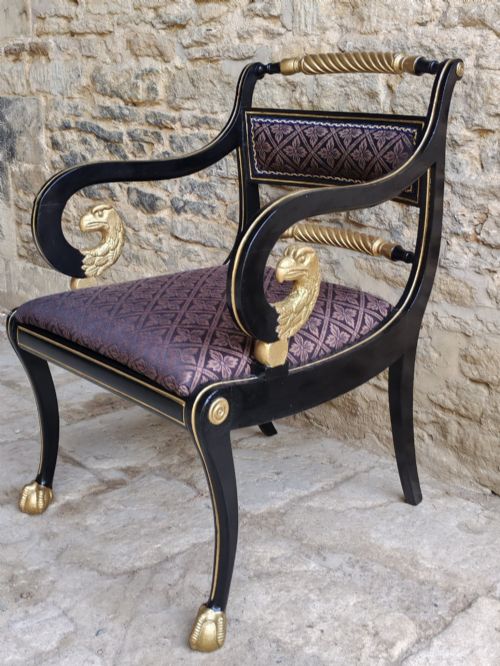
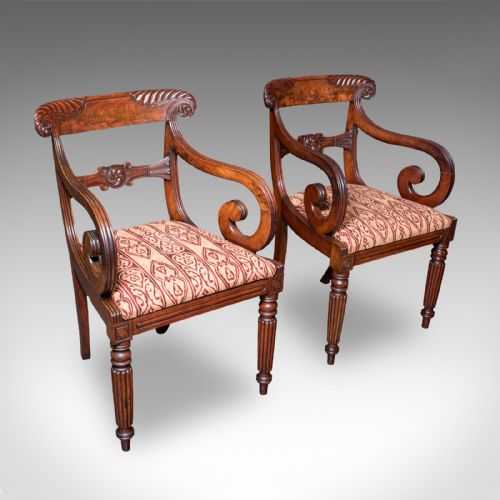
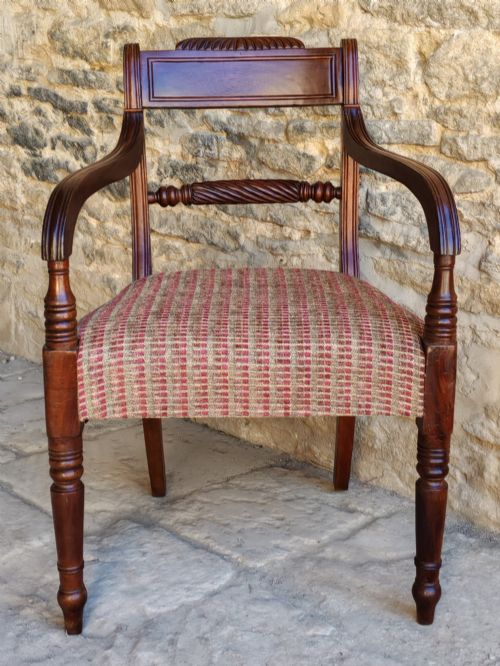
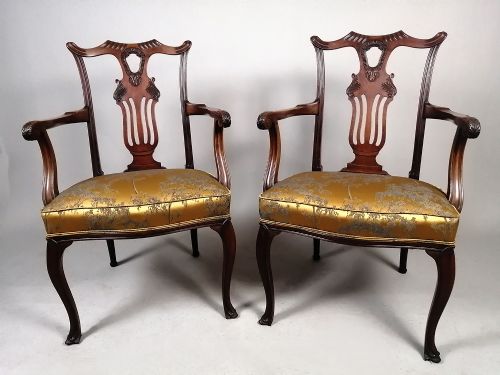
A regency carved carver is a formal arm chair designed to sit at the head of a dining table or serve as an occasional seat in a reception room. These pieces originate primarily from the Regency period, though variations span from Georgian times through to later revivals.
While many examples date directly to the early nineteenth century, the evidence includes later adaptations from the Edwardian era and the twentieth century. These later interpretations adopt the classic aesthetic while employing alternative woods such as faux birds eye maple.
Evaluating Craftsmanship
The refinement of the carved details separates standard seating from exceptional examples. Crisp execution on backsplats, scroll arms, and reeded legs demonstrates superior hand tool proficiency by the maker.
Originality of components influences the standing of a piece within the range. Retaining authentic upholstery foundations, matching timber grains across a set, and minimal structural alteration preserve the integrity of the design.
Listings feature pieces spanning the Georgian, Regency, and Edwardian periods, constructed predominantly from mahogany with fabric, velvet, and cane seating.
Gillows
The Regency Carved Carver Glossary
- Carver
- An armchair designed specifically for use at the head and foot of a dining table. These pieces feature integrated armrests to distinguish them from standard side chairs.
- Regency
- A design period spanning the early nineteenth century characterised by classical restraint and influences from ancient Greece and Rome. Furniture from this era often utilises dark timbers and clean lines.
- Ropeback
- A chair back design featuring carved wooden members twisted to resemble knotted rope. This motif appears frequently on dining and elbow chairs from the early nineteenth century.
- Sabre leg
- A chair or table leg that curves outward in a concave sweep reminiscent of a cavalry sword. This form provides stability while maintaining a light silhouette.
- Bar back
- A horizontal wooden slat forming the upper section of a chair back, often shaped for lumbar support. This feature is common on dining seats from the Regency and William IV periods.
Regency Carved Carver: Frequently Asked Questions
What is a carver chair?
A carver chair is an armchair traditionally placed at either end of a dining table. It provides armrests for the host or guests of honour while matching the surrounding side chairs.
These pieces function equally well as standalone seating in studies, bedrooms, or reception rooms. Their sturdy arm construction offers additional comfort compared to standard dining seats.
How do I date a Regency chair?
Dating relies on examining timber selection, joinery techniques, and stylistic motifs such as sabre legs or brass inlay. Earlier pieces from the Regency and Georgian eras exhibit dense mahogany and hand-cut joinery.
Later revival pieces from the Edwardian period or the twentieth century often utilise different finishing methods or alternative woods. Comparing the construction details against known period examples clarifies the manufacturing era.
Can I use these chairs daily?
These chairs are structurally robust enough for regular daily use provided the joints remain tight and stable. Mahogany frames offer lasting durability for dining or desk environments.
Periodic checks of the upholstery foundations and cane seating ensure the pieces stay comfortable and secure. Gentle maintenance preserves the polished wood surfaces over years of use.
What is a ropeback design?
A ropeback design incorporates carved wooden rails twisted to imitate the texture of nautical rope. This decorative motif gained popularity during the early nineteenth century.
Craftsmen used this feature to add visual interest to the top rail or backsplats of dining and elbow chairs. It remains a distinctive marker of period aesthetic preferences.