


Regency Cabinet Plate
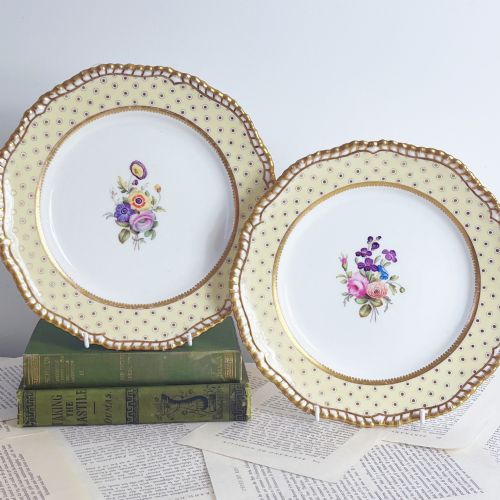
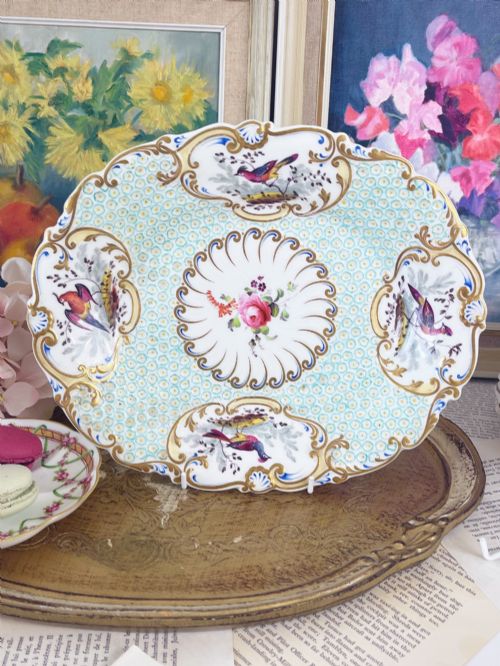
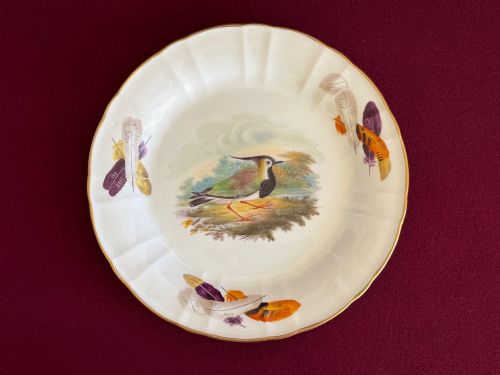
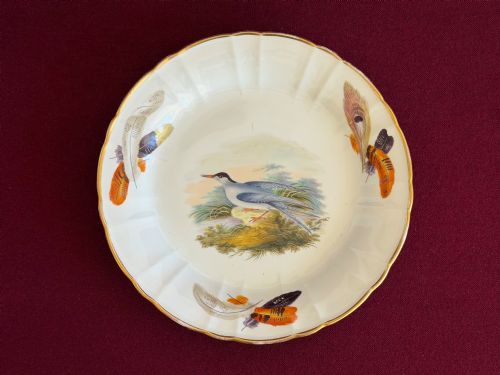
When you search for a regency cabinet plate, you are looking at finely painted porcelain and ironstone designed for display.
Regency Cabinet Plate
A regency cabinet plate represents the height of early nineteenth century ceramic production, intended more for visual display in a cabinet or on a sideboard than for dining use. The versions most commonly met on this page originate from esteemed English factories spanning the late eighteenth to the early nineteenth centuries, encompassing the Georgian and Regency periods.
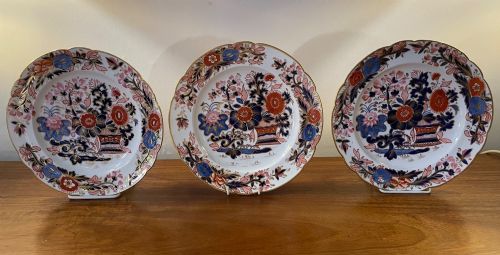
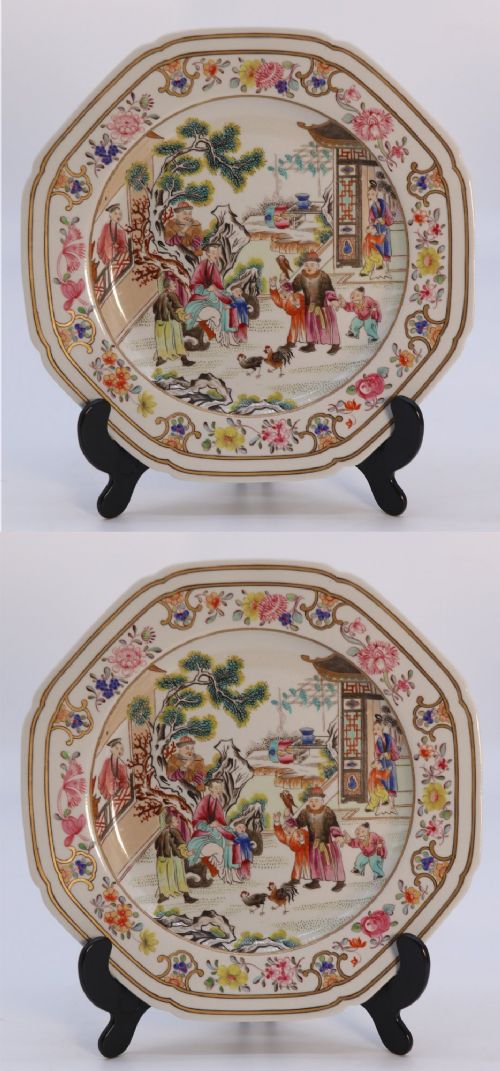
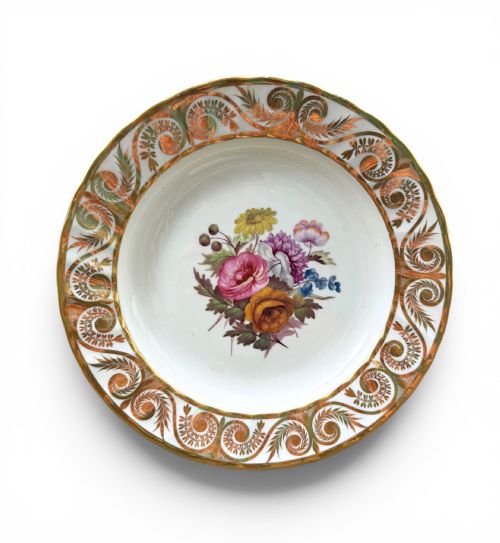
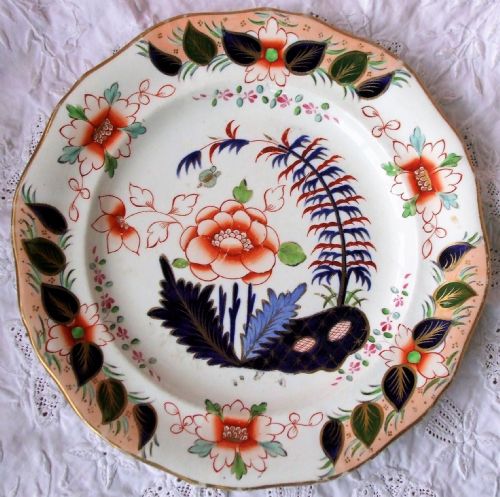
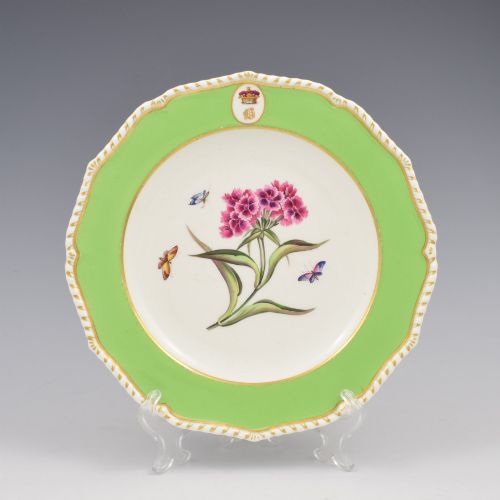
These pieces frequently take the form of dessert plates, serving dishes, or armorial plates featuring botanical studies, topographical scenes, or intricate Asian-inspired patterns such as Imari and Chinoiserie. Makers utilised diverse forms including octagonal shapes and shell-moulded edges to create decorative impact.
Collector interest focuses on the painted detail, whether depicting fancy birds, armorial bearings, or specific botanical specimens labelled on the reverse. The presence of identifiable patterns links these plates directly to major workshops of the era.
Materials and production methods
Factories employed bone china, porcelain, ironstone, and earthenware as the primary ceramic bodies, shaping them into plates and dishes before applying meticulous handpainted designs. Artisans integrated gold leaf, gilt, and enamel highlights to accent botanical motifs, armorial crests, and transfer-printed landscapes.
The firing process required precise temperature control, particularly for delicate bodies like bone china and stone china, ensuring a stable canvas for subsequent enamelling. Guild decorators and specialised artists applied polychrome palettes and gilded borders by hand, often recording pattern numbers or decorator signatures on the reverse.
Listings feature porcelain, ironstone, and earthenware bodies decorated with enamel and gold leaf across the Georgian and Regency periods.
Distinctions in quality
The standard of painting heavily dictates the standing of an individual piece, separating standard transfer-printed items from plates bearing bespoke handpainted botanical studies or armorial commissions by named artists. The crispness of the gilding and the complexity of the enamel palette also demonstrate the original cost and ambition of the manufacture.
Provenance and factory attribution elevate specific examples, particularly where pattern names, noble crests, or documented decorators can be verified through historical records. The integrity of the ceramic body and the precision of the moulding, such as sharp octagonal edges or cleanly formed shell dishes, further distinguish superior examples.
Spode·H and R Daniel·Wedgwood·Derby·John Davenport·Bloor Derby·Barr Flight and Barr·Chamberlain Worcester·Minton·Coalport·Flight Barr and Barr·Ridgway·Nantgarw·New Hall·Mason
The Regency Cabinet Plate Glossary
- Armorial plate
- A ceramic plate decorated with a coat of arms, crest, or heraldic device pertaining to a specific family or noble house. These pieces were frequently ordered as part of extensive bespoke dining and dessert services.
- Bone china
- A type of soft-paste porcelain containing bone ash, developed in England to create a strong, brilliantly white ceramic body suitable for delicate forms and fine painting. It allowed manufacturers to produce thinner walls while maintaining structural durability.
- Imari palette
- A decorative style inspired by Japanese export porcelain, utilising a distinctive colour scheme of underglaze cobalt blue, iron red, and abundant gold leaf. English factories adopted this aesthetic widely during the Regency period.
- Ironstone
- A heavy, durable earthenware patent ceramic designed to resist chipping while offering a smooth surface for transfer-printing and enamelling. Mason's and other Staffordshire potteries popularized this material for robust yet decorative tablewares.
- Spode Felspar
- A refined porcelain body introduced by the Spode factory incorporating feldspathic rock, which produced a translucent and stable ceramic. It provided an exceptional surface for botanical and topographical painting.
Regency Cabinet Plate: Frequently Asked Questions
What is a regency cabinet plate?
A regency cabinet plate is an ornamental ceramic plate produced during the early nineteenth century, featuring handpainted botanical, topographical, or armorial designs intended for display rather than everyday use.
These pieces reflect the artistic priorities of Georgian and Regency craftsmanship, often incorporating rich gilding and enamel work.
How were these plates used originally?
While some formed parts of larger dessert or dining services for wealthy households, many were acquired specifically to be showcased in cabinets, on sideboards, or mounted on walls.
Plates decorated with specific family crests or handpainted botanical specimens served as conversation pieces that demonstrated the owner's cultivation and social standing.
How do I identify the maker?
Makers are typically identified through painted or impressed factory marks found on the underside of the ceramic body, alongside pattern numbers or titles of the painted scenes.
Stylistic elements such as distinct handle forms, specific enamel palettes, and characteristic gilding techniques also help attribute pieces to factories like Worcester, Derby, or Spode.
How should I care for antique porcelain?
Antique porcelain and ironstone require gentle handling, avoiding sudden temperature changes and abrasive cleaning materials that might harm the delicate overglaze enamels or gold leaf.
Displaying them securely in stable cabinets protects the historical surfaces from accidental impact and environmental wear.