


Regency Brass Candlesticks
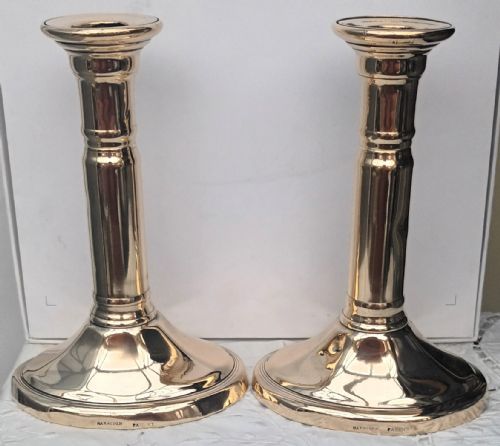
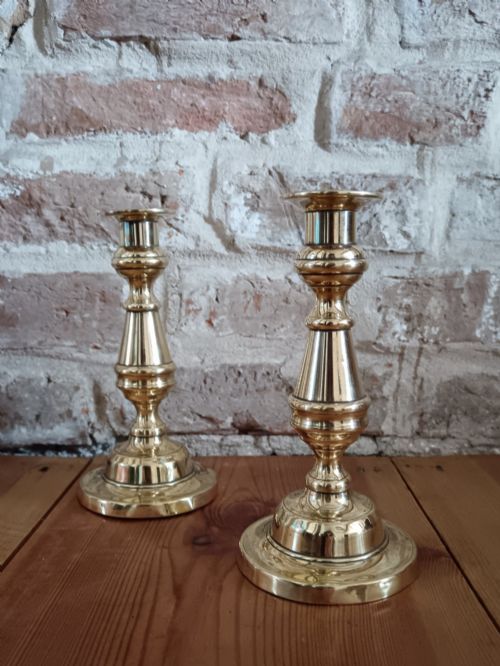
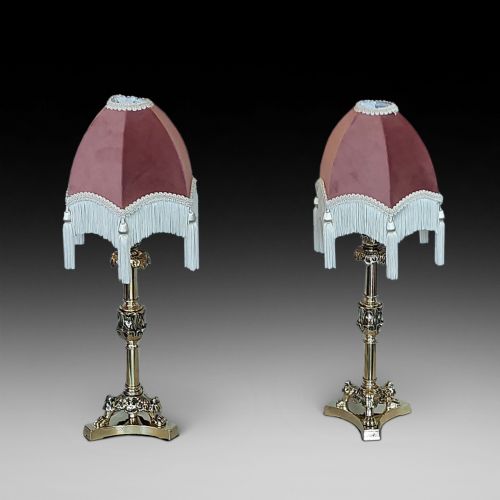
Regency brass candlesticks are cast lighting pieces from the Georgian, Regency, and nineteenth-century periods that bring period illumination and form to a room.
What regency brass candlesticks are
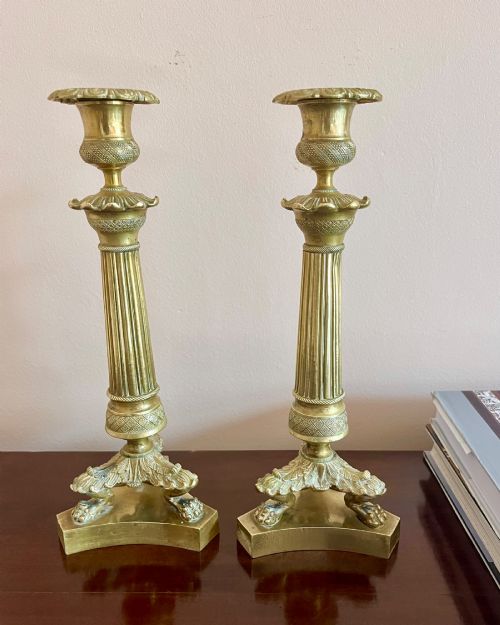
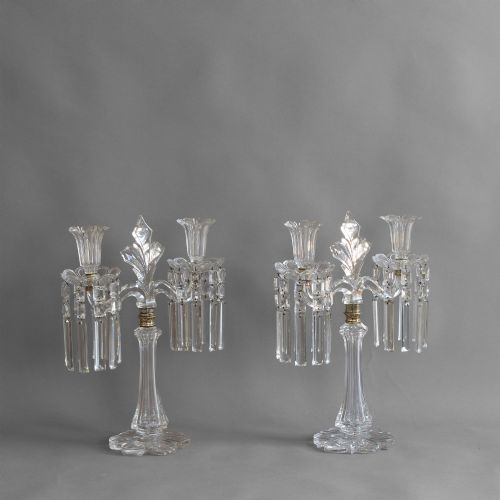
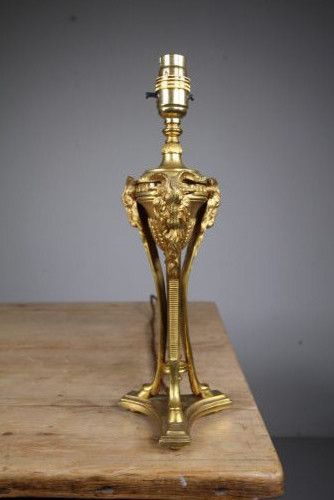
Regency brass candlesticks are domestic lighting fixtures produced across the eighteenth, nineteenth, and Regency periods in various forms. The selection includes tall examples, church candlesticks, and telescopic variations.
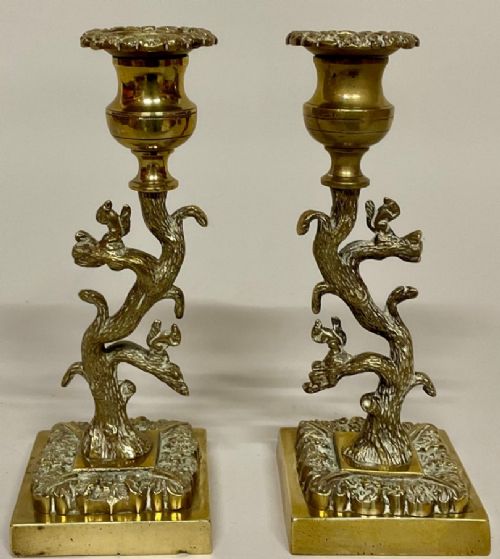
Buyers frequently encounter pairs of pieces reflecting Georgian, Empire, and Regency stylistic influences. These items utilise the enduring warmth of brass to create functional decoration for mantelpieces and tables.
How they were made
The pieces on this page are constructed entirely from brass and cast brass, utilising traditional foundry techniques of the period. Molten metal was poured into moulds to form the weighted bases, stems, and sockets.
Ornate detailing and clean architectural lines were achieved through meticulous hand-finishing and lathe-turning after the initial casting process was complete.
Retail Price Guide 2026
Typical UK retail prices for regency brass candlesticks, calculated from the Sellingantiques database of over a million retail prices indexed since 2003. This retail price guide relies exclusively on Sellingantiques data; no external sources or auction records are used, so the figures do not describe the wider market.
What varies in quality
Quality in these lighting pieces lies in the crispness of the cast ornamentation and the structural balance of the stem. Ornate examples depend on deeply defined detailing rather than soft, worn surface decoration.
The weight of the cast brass and the proportional harmony between the base, column, and nozzle distinguish the finer examples from standard production pieces.
The Regency Brass Candlesticks Glossary
- Brass
- An alloy of copper and zinc used extensively for durable domestic metalware throughout the Georgian and Regency eras. Its warm golden hue patinates richly over centuries of handling.
- Cast brass
- A manufacturing method where molten alloy is poured into a mould to create solid components with complex shapes. This technique allows for heavy, durable forms with intricate decorative relief.
- Telescopic
- A form featuring an adjustable sliding mechanism within the stem to alter the height of the light source. This functional variation was particularly useful on writing desks and reading tables.
- Empire
- A neoclassical style originating in France that influenced British design during the Regency period. It incorporates military motifs, classical columns, and bold geometric symmetry.
- Nozzle
- The upper cup of a candlestick designed to hold the base of a wax taper or candle securely. In earlier pieces, this component is often cast integrally with the upper stem.
Frequently Asked Questions
How do I clean brass candlesticks?
Dust the surface gently with a soft dry cloth to preserve the historic patination accumulated over generations. Avoid modern chemical polishes that strip away the mellow depth acquired through age.
Allow the metal to retain its natural character rather than attempting to achieve a bright, factory-new shine. Gentle handling ensures the original surface remains undisturbed.
Were these made as pairs?
Many examples survive as matching pairs intended to balance mantelpieces or side tables symmetrically during the Regency period. Single items also appear from sets that became separated over time.
Matching pairs generally command stronger interest from collectors who wish to display them in formal arrangement. Examining the casting marks helps confirm whether two pieces originated from the same workshop.
How do I date a brass candlestick?
Dating relies on observing stylistic markers, construction seams, and the composition of the base metal. Georgian and Regency pieces often feature distinct casting methods and weight distributions compared to later reproductions.
Compare the form and proportion against documented examples from the eighteenth and nineteenth centuries. Subtle wear patterns on the underside provide additional clues to age.