



Regency Bone China Cup
A regency bone china cup brings tactile elegance to the table, pairing fine porcelain bodies with vibrant hand-painted enamel and burnished gold leaf.
Regency Bone China Cup
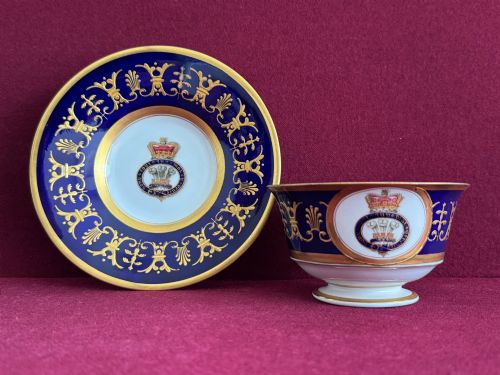
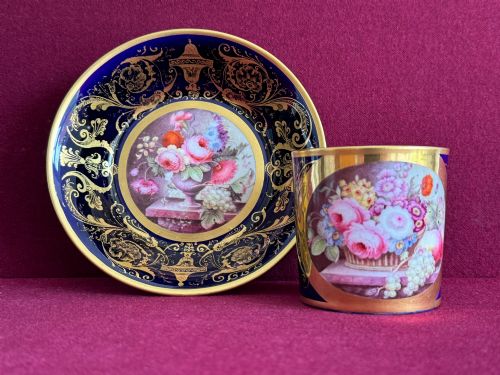
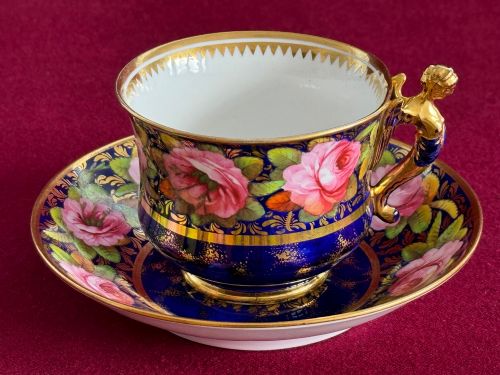
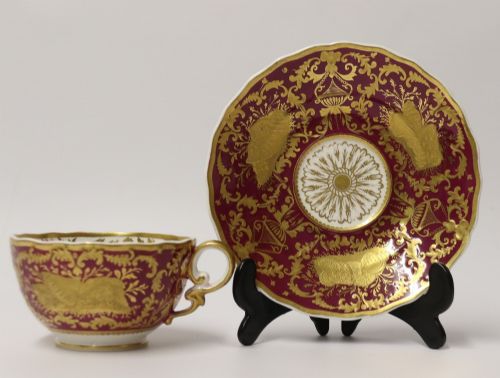
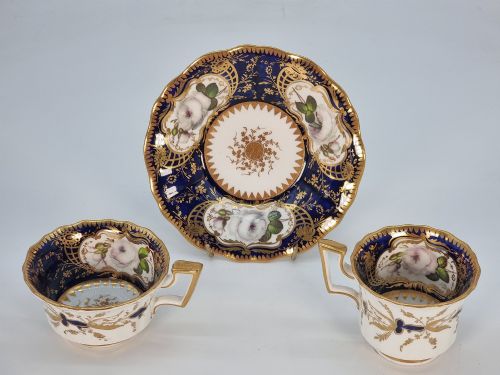
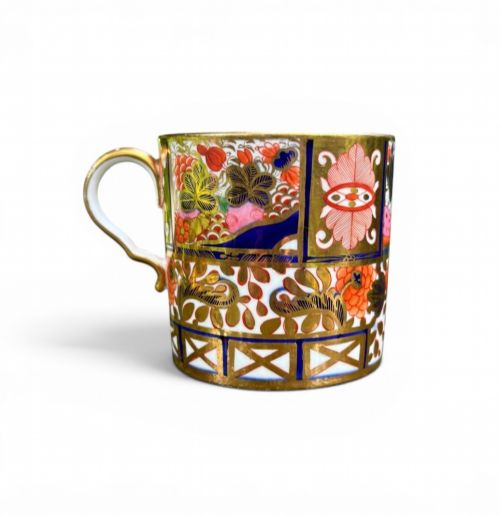
A regency bone china cup encompasses tea cups and saucers, coffee cans, cabinet cups, and trios created during the early nineteenth century and the wider Georgian era. These forms reflect the refined social rituals of their period, designed for both display in cabinets and use at the tea table.
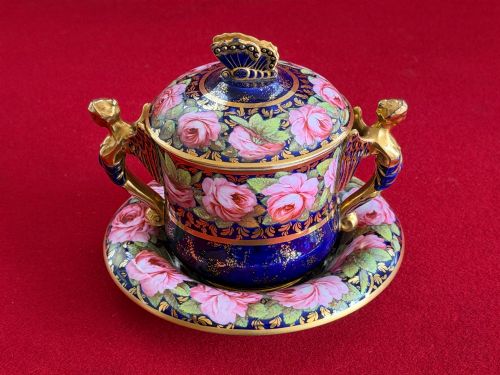
The most common versions met on this page include Spode, Minton, and Worcester productions from roughly 1800 to 1830. Pieces range from straightforward teacups to elaborate chocolate cups with covers and specialised lemonade beakers.
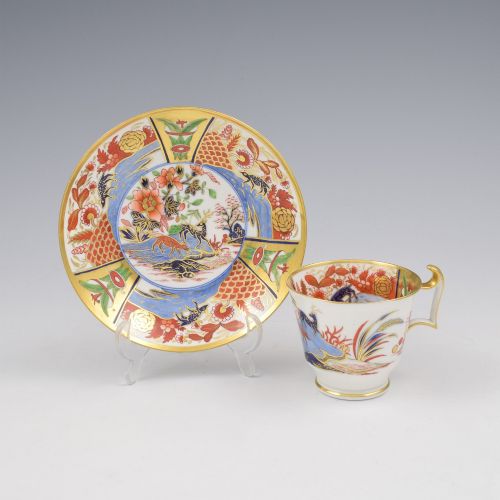
Makers of this era employed specific regional styles, moving from neoclassical simplicity towards richer, more exuberant patterns influenced by Imari palettes and botanical studies.
Materials and Manufacture
Potters constructed these vessels using refined porcelain and bone china bodies, shaped on wheels or pressed into moulds to achieve thin, translucent walls. Artisans then applied enamel glazes to create smooth, glossy surfaces ready for decoration.
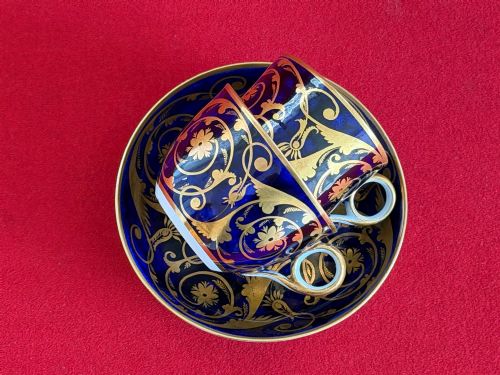
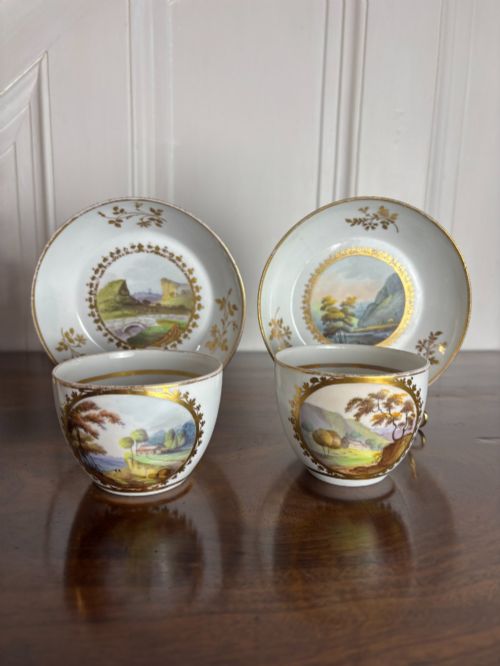
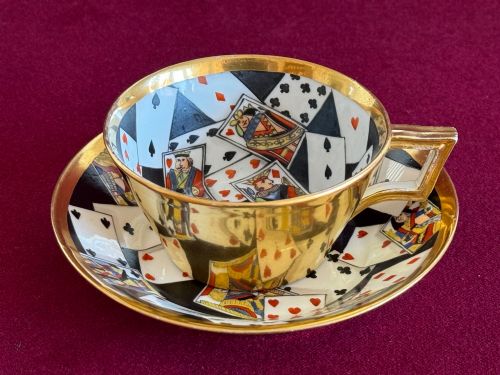
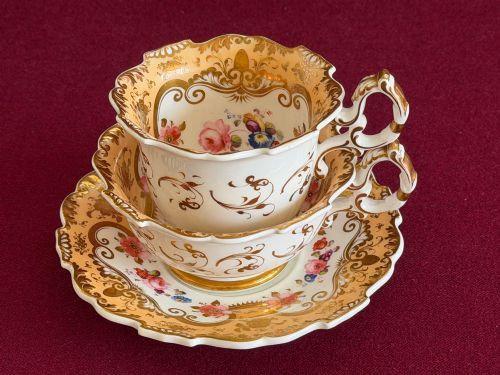
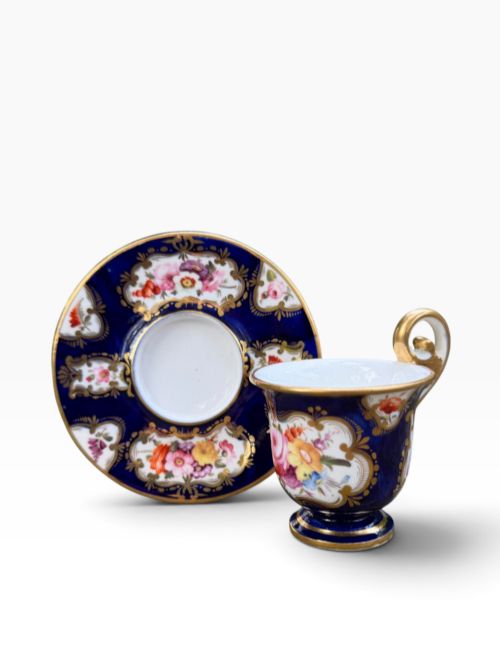
Decoration relied on hand-applied enamel glaze and gold leaf gilding, frequently fixed by a second firing in the kiln. Painters added detailed landscapes, floral motifs, and border patterns directly onto the white ground.
Regency Bone China Cup Retail Price Guide 2026
Typical asking prices for regency bone china cup among the pieces listed under this phrase on Sellingantiques today, from the lower quarter to the upper quarter. They describe what is for sale here now, not the wider market.
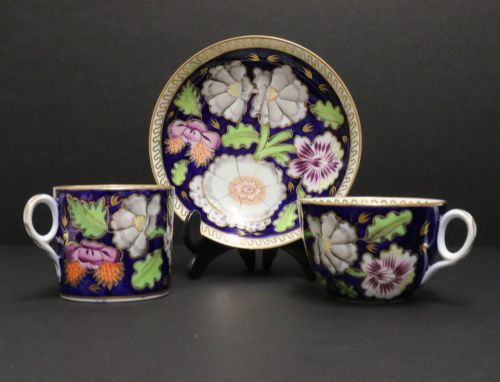
Potters decorated these cups with patterns bearing charming historical names like "Crazy Cow" and "Bengal Tiger."
Factors of Quality
Quality separates through the precision of the hand-painting and the crispness of the porcelain moulding. Finely executed botanical scenes or landscape miniatures by known decorators indicate superior workshop output.
The application and burnishing of the gold leaf gilding also distinguish finer examples. Thick, hand-chased gold work requires greater skill than simple banded lines.
Spode·Minton·H and R Daniel·Coalport·Flight Barr and Barr·Davenport·New Hall·Derby Porcelain·Yates·Barr and Barr
The Regency Bone China Cup Glossary
- Bone china
- A type of porcelain incorporating bone ash, resulting in a strong, highly white and translucent body. It allowed makers to produce thinner walls than traditional hard-paste porcelain.
- Coffee can
- A straight-sided cylindrical cup designed specifically for drinking strong black coffee during the Georgian and Regency periods. They frequently appear paired with a matching saucer.
- Cabinet cup
- A decorative cup intended primarily for display in a cabinet rather than regular service at the table. These pieces often feature more elaborate handles and hand-painted scenes.
- Trio
- A matched set consisting of a teacup, a coffee cup, and a saucer. They provided versatility for serving different hot beverages.
- Gilding
- The application of gold leaf or gold powder to the ceramic surface for decoration. Artisans often burnished the fired gold to achieve a bright, reflective finish.
Regency Bone China Cup: Frequently Asked Questions
What is a regency bone china cup?
A regency bone china cup is a tea or coffee vessel produced during the early nineteenth century, characterised by fine ceramic bodies and hand-painted decoration.
These pieces reflect the neoclassical and decorative tastes of the Georgian and Regency periods, utilising porcelain, bone china, and gold leaf gilding.
How do I date these cups?
Dating relies on stylistic clues, pattern numbers, and manufacturer marks found on the base of the porcelain. Different factories operated under specific partnerships during distinct years, such as Flight, Barr and Barr.
Comparing the handle shape, floral motifs, and border designs against known production periods helps narrow down the decade of manufacture.
Were coffee cans used for tea?
Coffee cans were specifically shaped as straight-sided cylinders for drinking coffee, while teacups featured wider, flared bowls. The narrower shape of the can helped retain the heat of strong roasted coffee.
Despite their distinct original purposes, surviving trios often group a coffee can alongside a teacup and a shared saucer.
Can I use antique cups for tea?
While these pieces were originally created for daily dining and social rituals, their age and delicate enamel glazes mean many collectors prefer to keep them for display.
Hand-washing in warm water without abrasive detergents is essential if handled, as nineteenth-century gold leaf and enamel can wear over time.