




Regency Architect Desk
A regency architect desk is a sophisticated piece designed for drafting and study, offering adjustable surfaces and refined proportions that suit any period interior.
Regency Architect Desk
When you search for a regency architect desk, you encounter specialist furniture spanning the Regency, Late Georgian, and George III periods. These items combine practical workspaces with mechanisms for reading, drawing, and cartography.
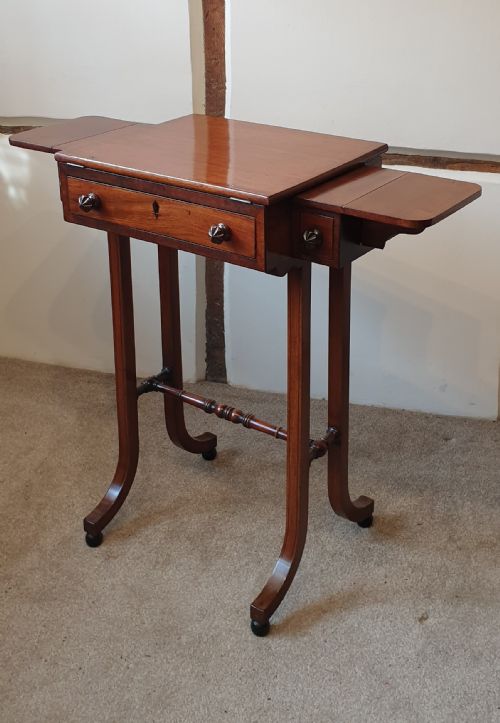
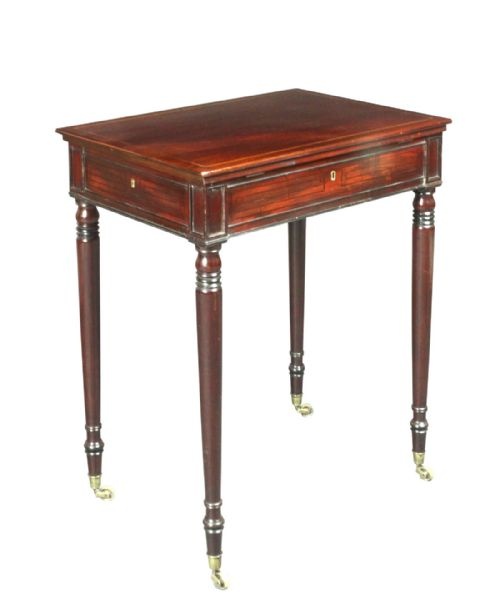
The pieces on this page appear primarily as mahogany and rosewood writing tables, library tables, and reading tables. Many incorporate adjustable stands, plan drawers, or riser mechanisms suited to technical work and study.
Origins trace directly to English cabinet makers of the early nineteenth century and the wider Georgian era. You will find double-sided examples alongside metamorphic designs built for professional draftsmen and libraries.
How they were made
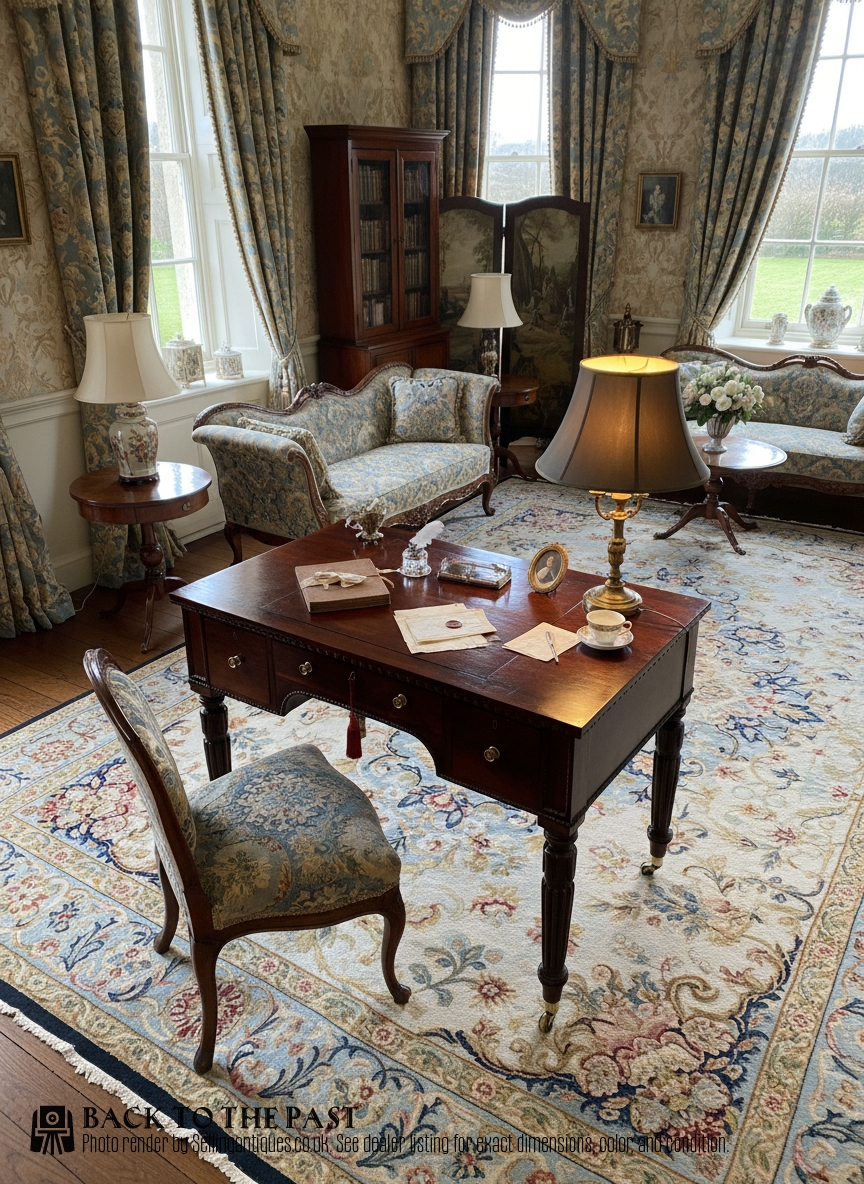
Construction relies heavily on dense timbers such as mahogany and rosewood, frequently accented with boxwood stringing and brass fittings. Surfaces often feature inset leather writing panels designed for daily use.
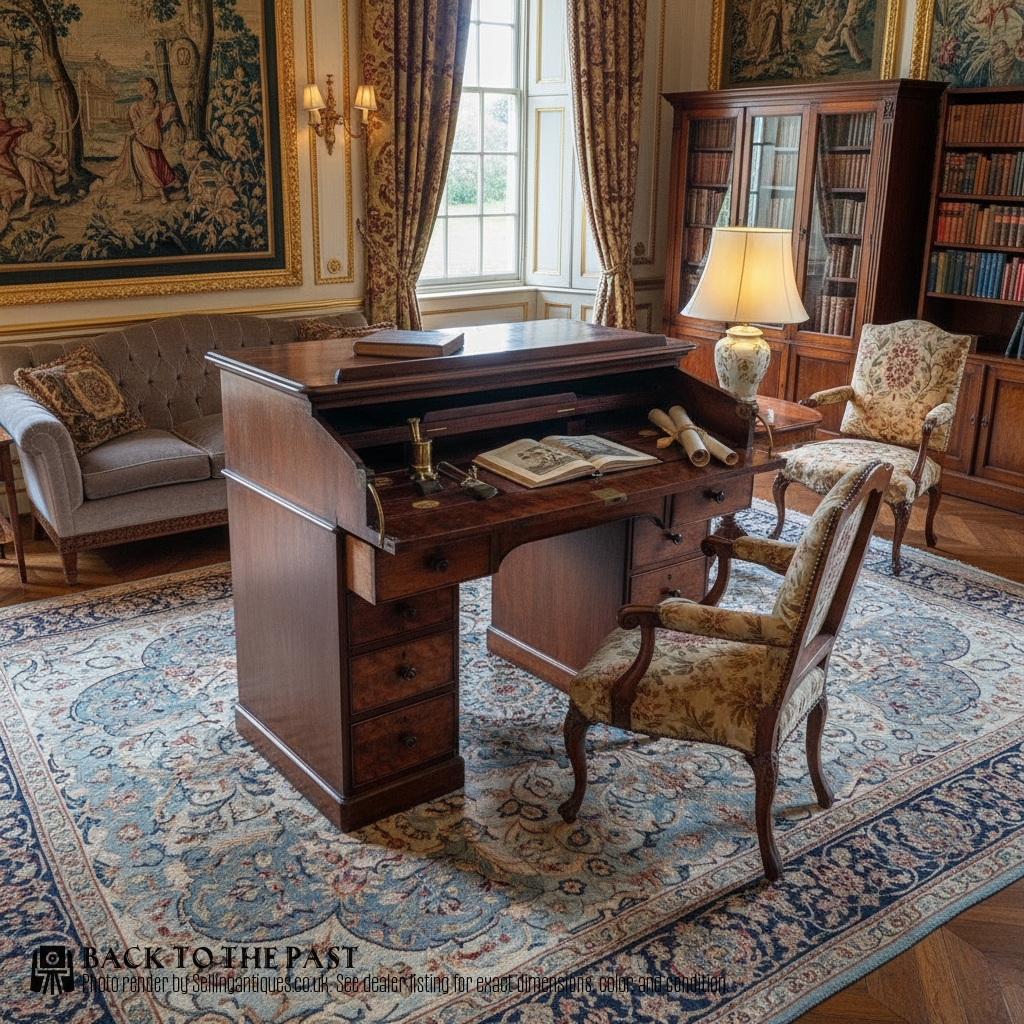
Joinery and mechanical ingenuity define the build quality, utilising internal risers, ratchets, and plan drawers to allow height and angle adjustments. The integration of brass castors and hinges permits movement while preserving structural stability.
Draftsmen needed proper light, so some of these tables hide cunning plan drawers deep enough to swallow a whole map of London.
What varies in quality
Differentiation across the range rests on timber selection, cabinet-making skill, and the complexity of internal mechanisms. Finer examples display superior grain figures in the mahogany or rosewood alongside crisply turned legs and finely fitted drawers.
Attribution to known workshops elevates a piece, as seen in documented productions by makers such as Gillows. The precision of the adjustable reading stands and the retention of original brass hardware further distinguish superior items.
Gillows
The Regency Architect Desk Glossary
- Metamorphic
- Furniture designed to transform from one form of use to another, such as a table converting into a drafting desk.
- Riser desk
- A specialised writing table featuring an adjustable mechanism to raise the working surface for standing or drawing.
- Stringing
- A narrow inlay of contrasting timber, such as boxwood, used to outline panels and tabletops.
- Library table
- A large freestanding table designed for central placement in a room, often fitted with drawers on multiple sides.
Regency Architect Desk: Frequently Asked Questions
What is a regency architect desk?
A regency architect desk is a specialised nineteenth-century writing table featuring adjustable surfaces, plan drawers, and reading stands.
These pieces were constructed during the Regency and Georgian periods for draftsmen, cartographers, and scholars.
How do adjustable reading stands work?
Adjustable reading stands utilise internal wooden ratchets and brass supports to raise and angle the writing surface.
This mechanism allowed draftsmen and readers to alter the slope of their work for comfort and precision.
What woods were used for these desks?
Cabinet makers primarily utilised dense hardwoods such as mahogany and rosewood for the main structure and tabletops.
Secondary materials included boxwood for decorative stringing and brass for handles, hinges, and castors.
Are these desks double sided?
Certain examples are built as double-sided reading or library tables with drawers accessible from multiple directions.
This configuration allowed the furniture to sit in the centre of a room rather than against a wall.