



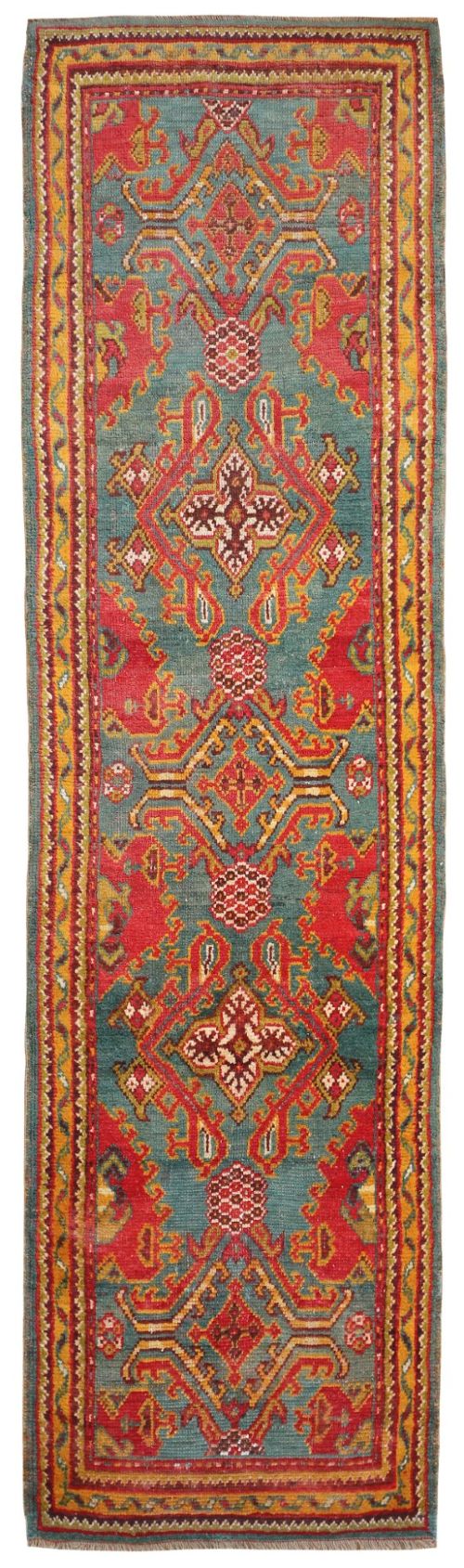
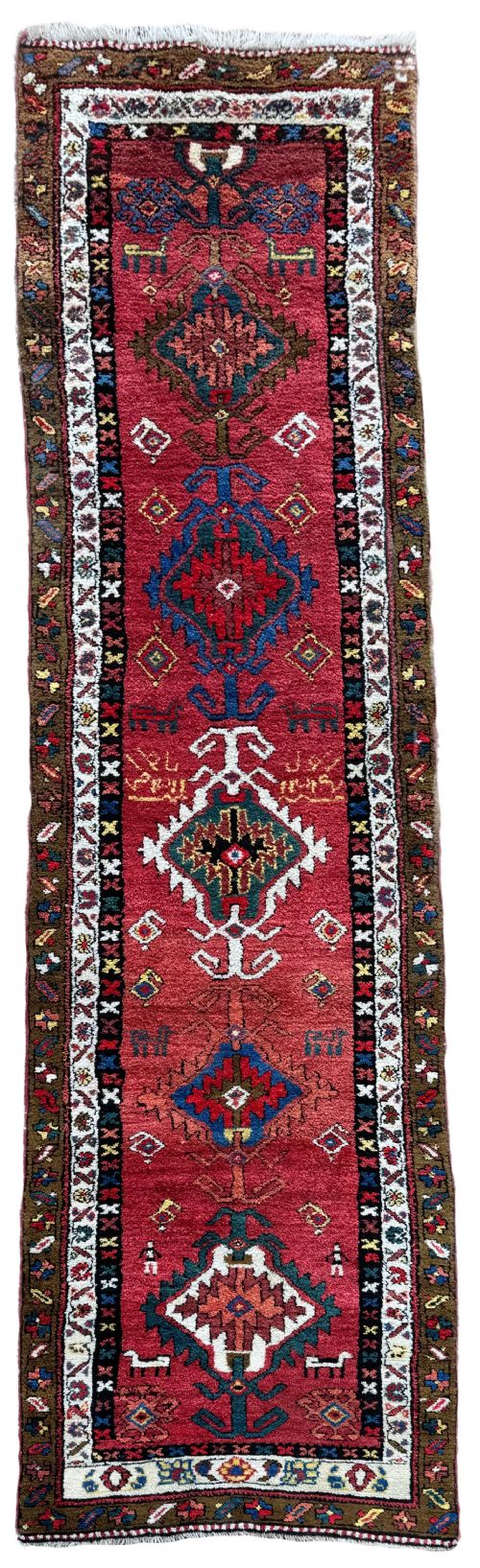
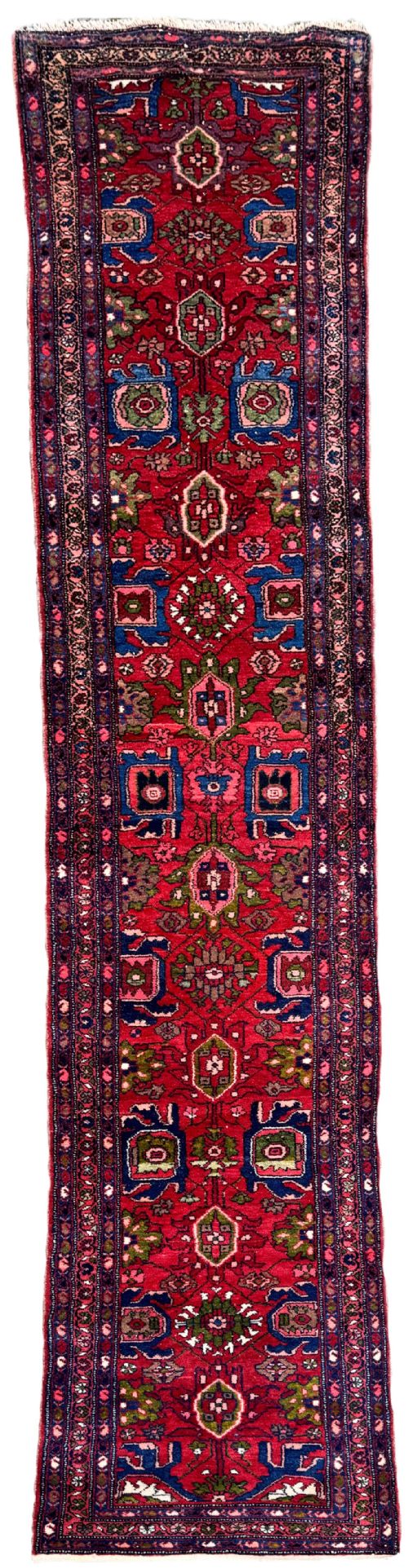
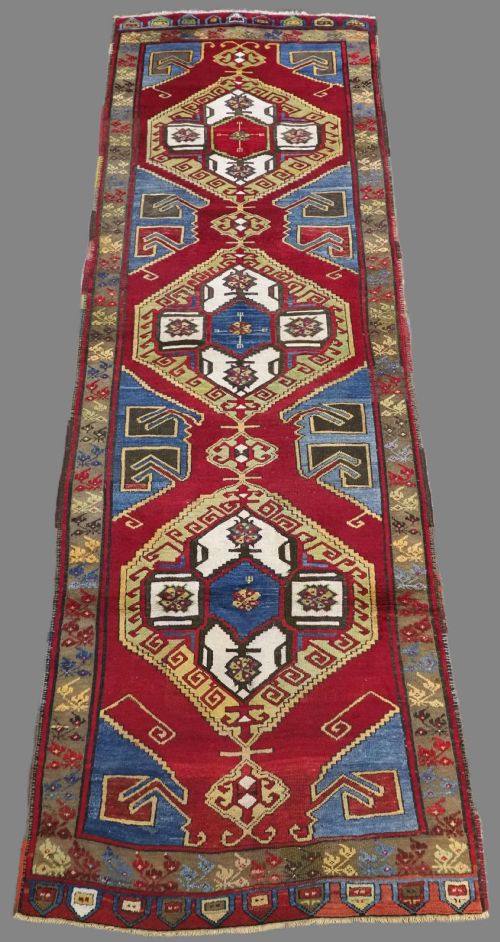

Red Wool Hallway Rug
A red wool hallway rug brings warmth and traditional pattern to a narrow space using durable natural materials.
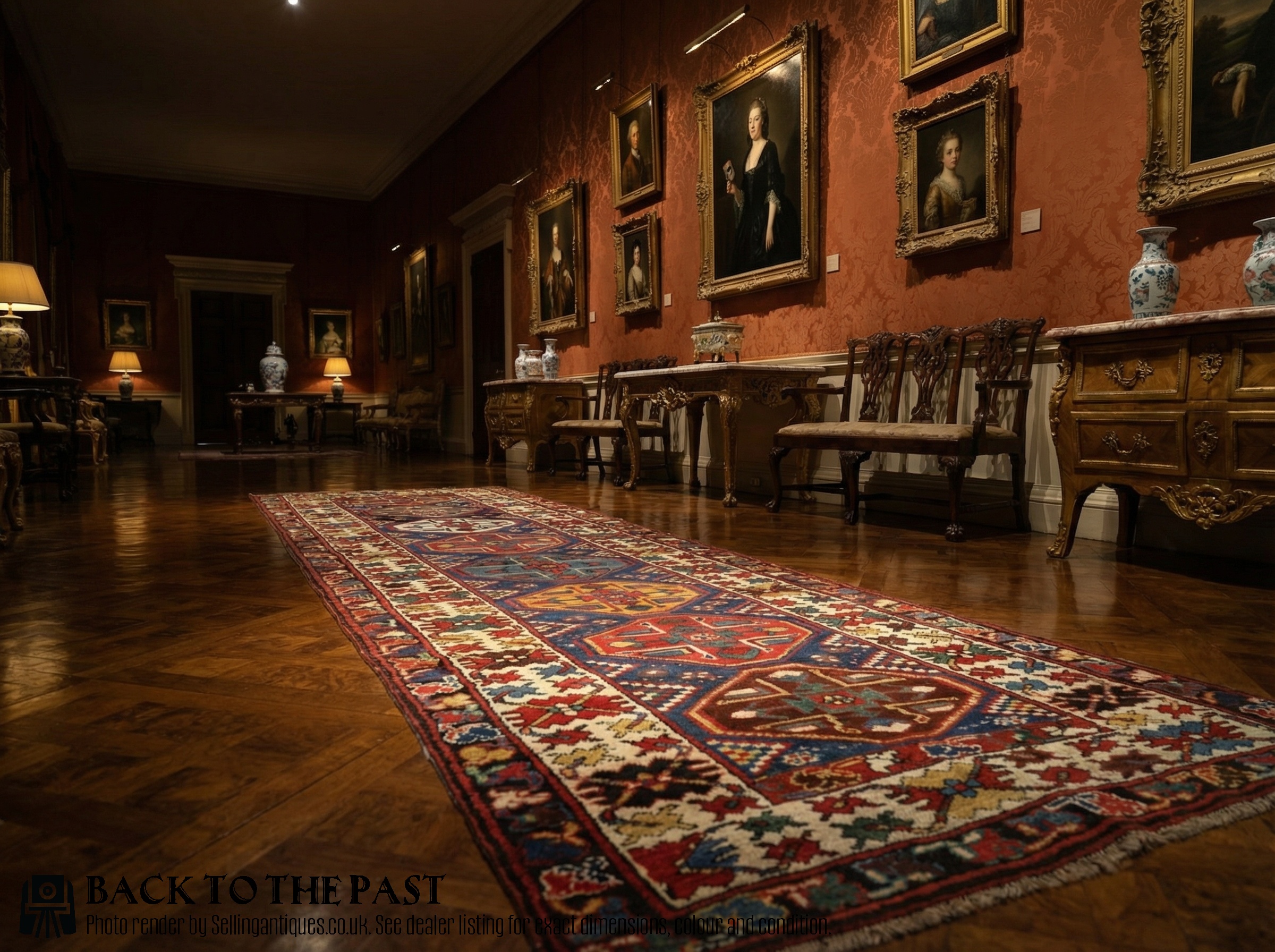
Red Wool Hallway Rug
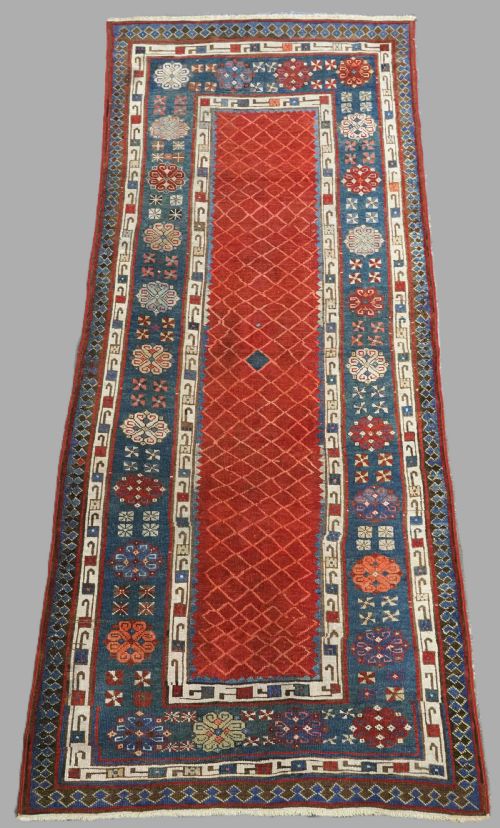
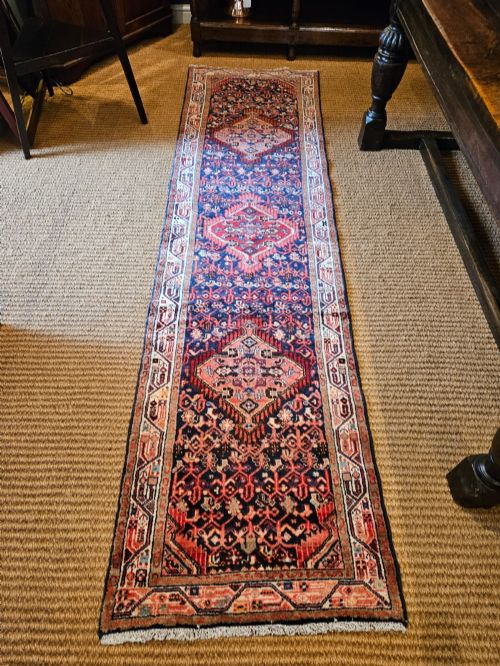
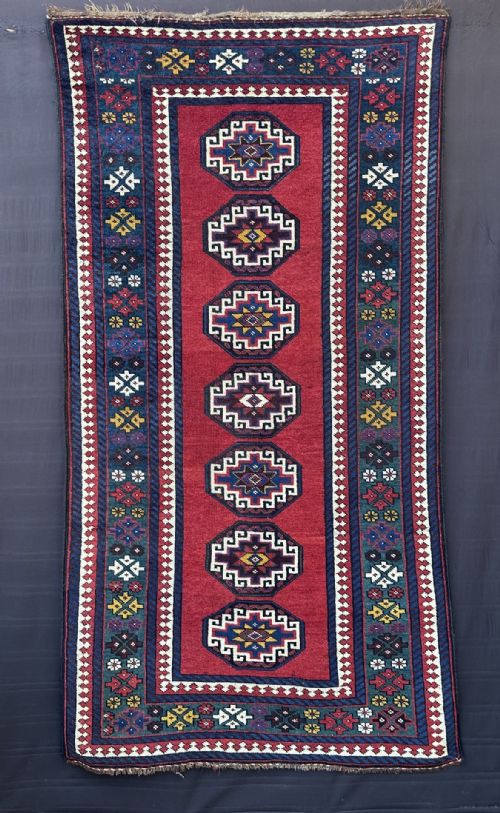
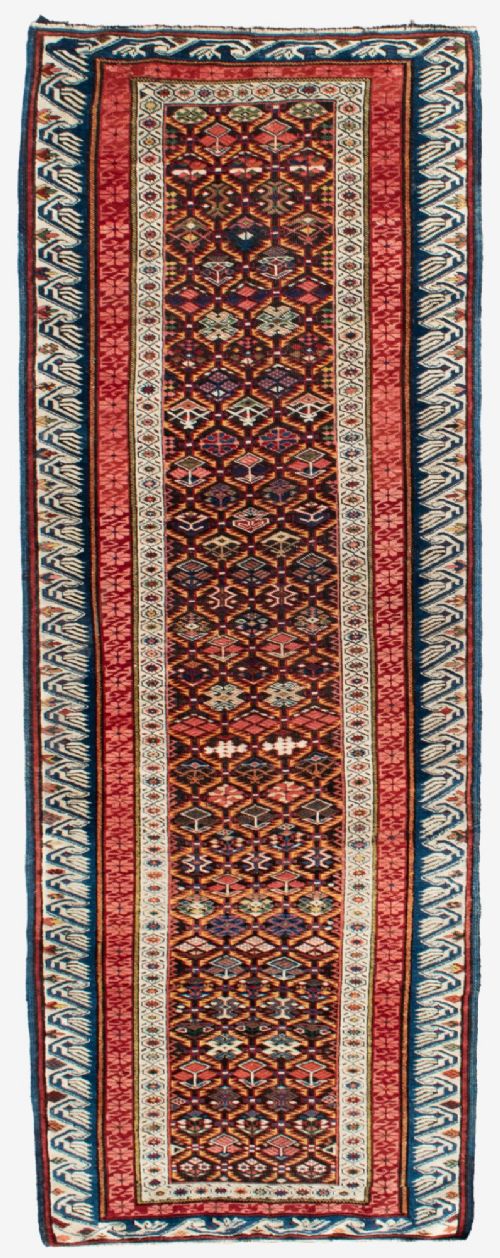
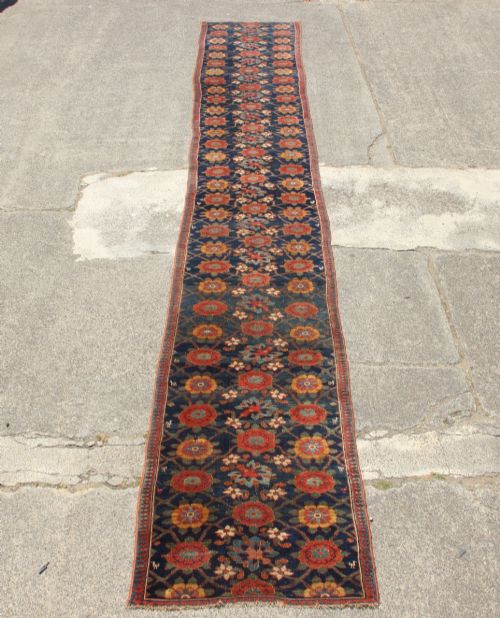
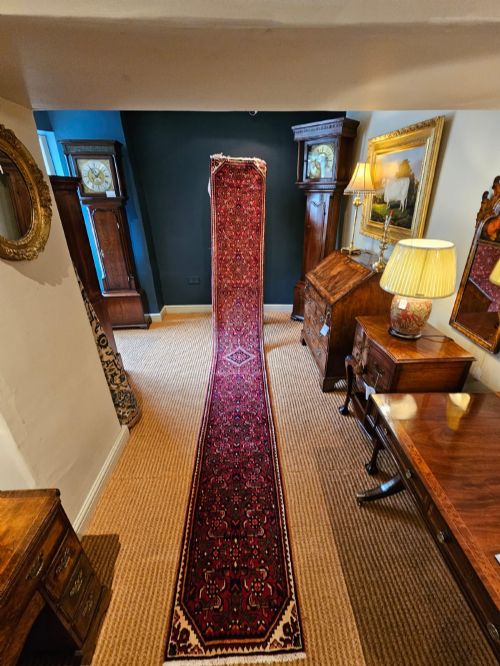
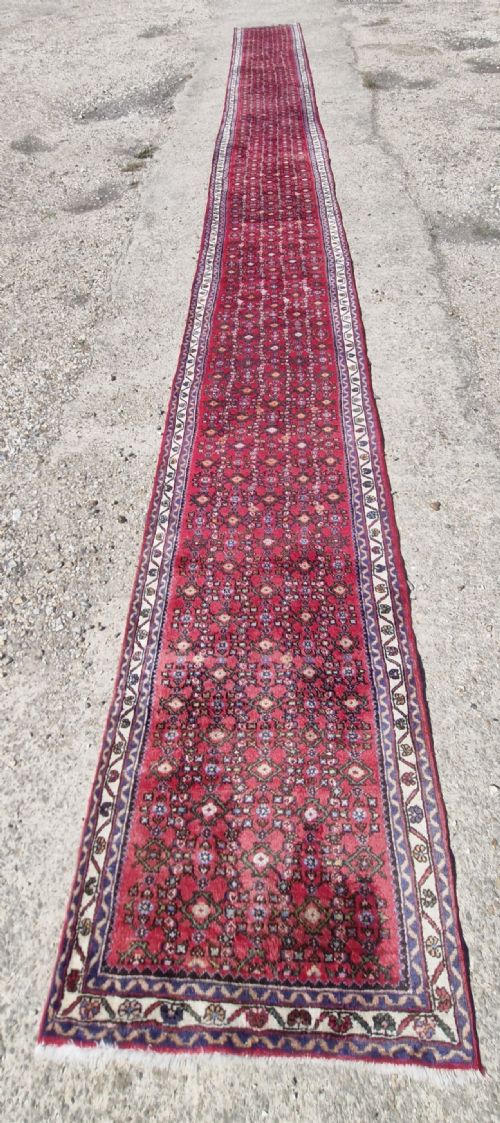
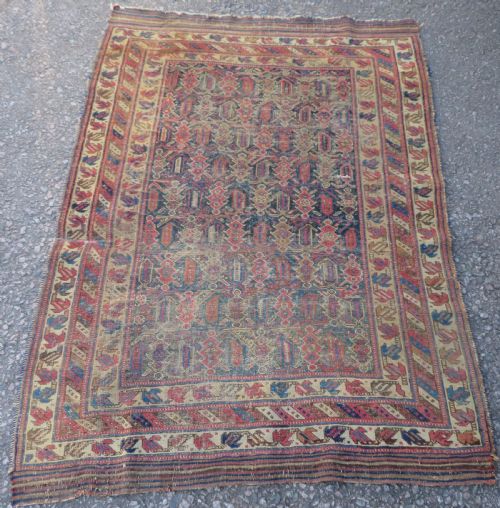
When you search for a red wool hallway rug, you encounter long, narrow floor coverings designed specifically for corridors and landings. The selection comprises pieces originating from Persian, Caucasian, Anatolian, and tribal workshops across the nineteenth and early twentieth centuries.
The dominant forms are runners and long rugs varying from compact lengths to extensive formats exceeding three metres. These textiles serve to protect high-traffic floors while introducing rich reds and complex geometric or floral motifs to domestic interiors.
How they were made
The construction relies predominantly on wool pile knotted onto cotton or wool foundations, utilising hand-spun materials in many traditional examples. Weavers employed vegetable and natural dyes to achieve the characteristic deep red tones seen across Persian and tribal pieces.
The techniques involve hand-knotting methods passed down through generations in regions such as Heriz, Hamadan, and Kurdistan. Each runner is built to withstand heavy daily use through dense knotting and robust edge finishing.
Listings span from the 1860s through to the 1920s, featuring traditional styles from Persian, Caucasian, and Anatolian weaving regions.
What varies in quality
The distinction between tiers of quality rests on the density of the knotting and the fineness of the wool used in the pile. Tightly packed knots allow intricate details in patterns like lattice designs or tribal medallions to remain sharp and clear.
Purity of materials also marks the division, with hand-spun wool offering superior resilience and depth of colour compared to standard yarns. Structural integrity, including the survival of original outer cords and ends, determines the preservation state of older runners.
The Red Wool Hallway Rug Glossary
- Runner
- A long, narrow carpet format intended for corridors, staircases, and hallways. These pieces balance the proportions of confined architectural spaces.
- Pile
- The upright yarn surface of a rug formed by individual knots tied to the warp threads. Pile depth and density dictate the plushness and durability of the textile.
- Warp
- The vertical foundation threads stretched tightly on the loom before knotting begins. Visible warp ends often fringe the extremities of antique rugs.
- Weft
- The horizontal threads passed back and forth across the warp threads to secure the rows of knots. Together, warp and weft form the structural grid of the weaving.
Red Wool Hallway Rug: Frequently Asked Questions
Are these rugs suitable for heavy traffic?
Traditional wool runners handle regular footfall well due to the natural resilience and lanolin content of the fibre. Wool fibres resist crushing and bounce back after compression.
Using an appropriate underlay helps absorb impact and prevents the runner from slipping on hard floors.
How do I identify a tribal rug?
Tribal pieces often display geometric motifs, repeating medallions, and asymmetrical local designs rather than formal court patterns. The colours tend to be bold and saturated, reflecting regional dye traditions.
Weavers working independently in village settings produced these textiles for domestic use or local trade.
How do I clean an antique wool rug?
Vacuum gently using suction only without a rotating brush roll to protect the vintage pile and foundation. Address spills immediately by blotting with a clean cloth rather than rubbing.
Professional specialist cleaning is recommended for thorough maintenance to preserve the integrity of natural dyes.