


Narrow Oriental Runner
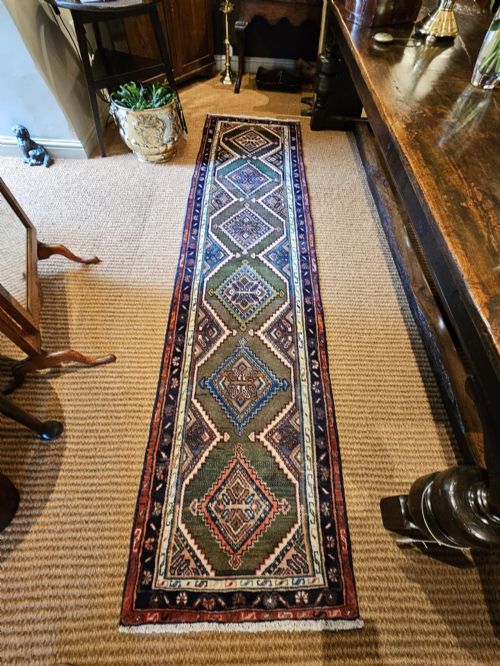
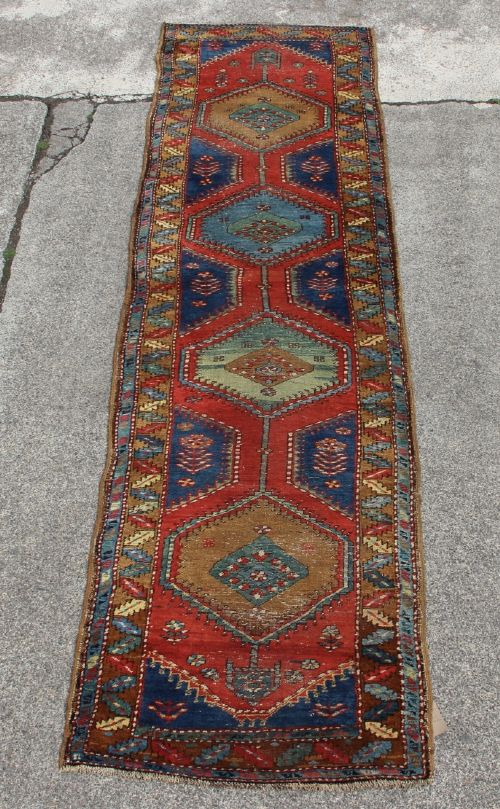
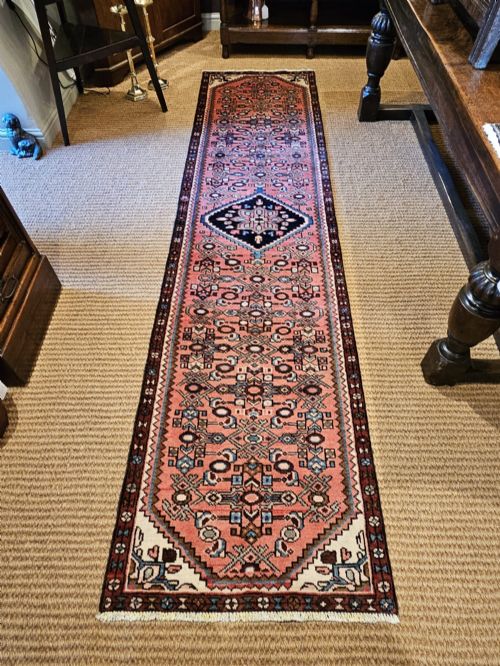
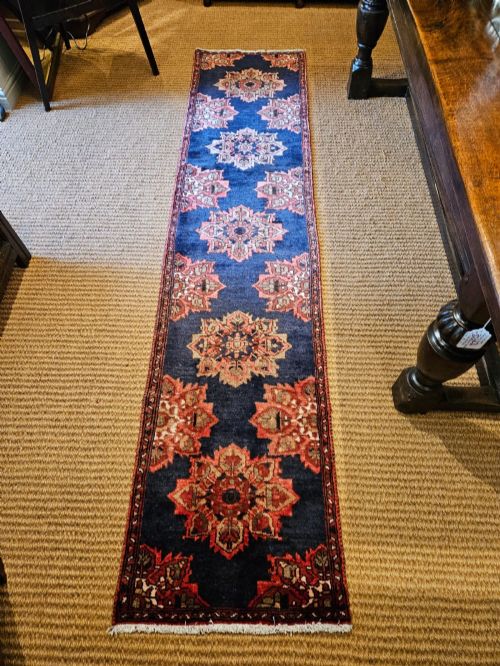
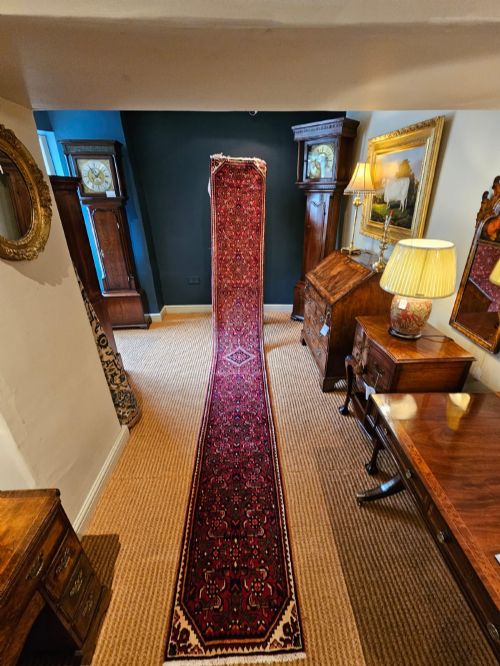
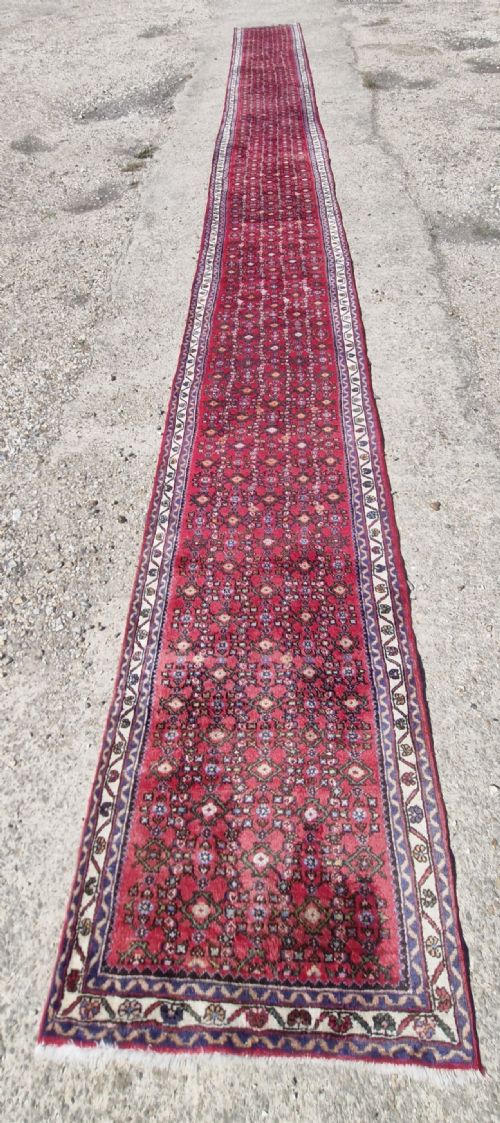
A narrow oriental runner spans a corridor or hall with geometry, warmth and history.
Narrow Oriental Runner
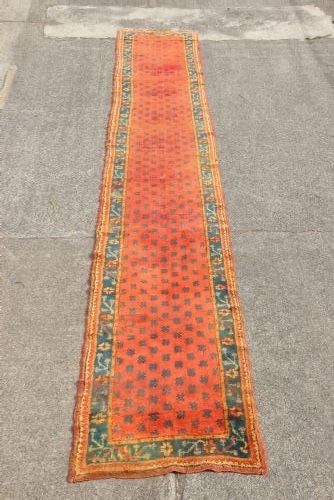
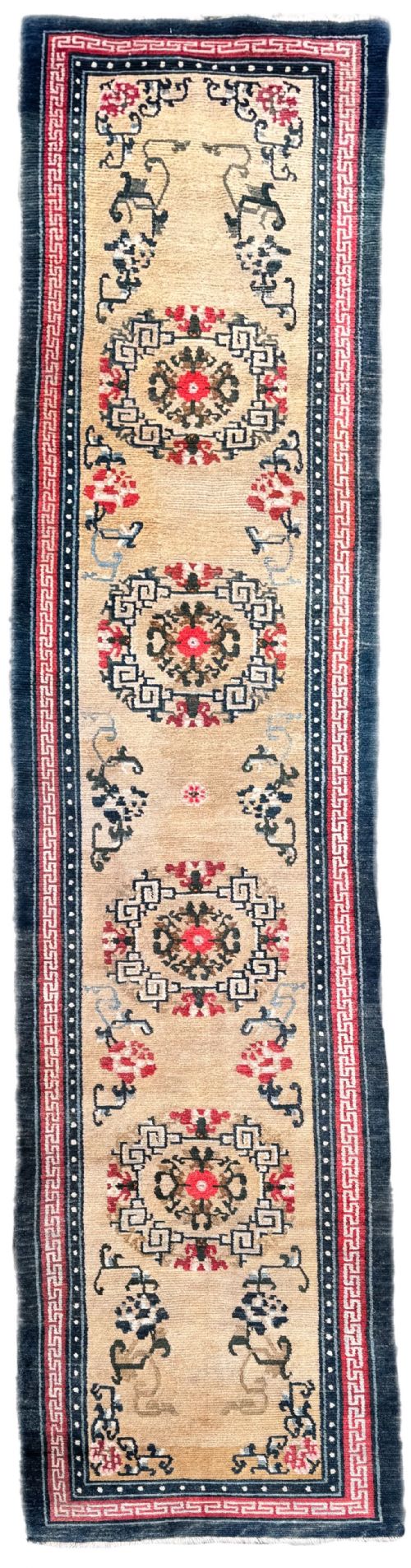
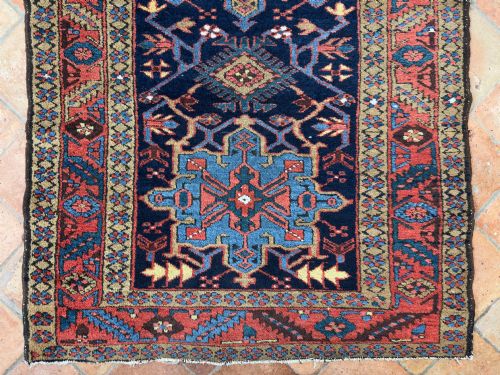
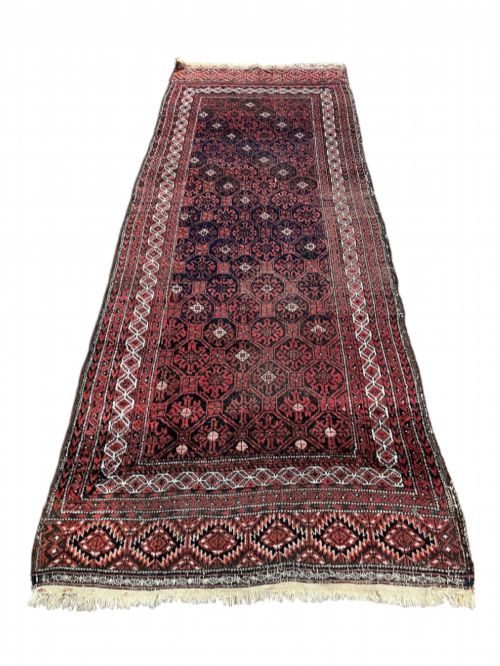
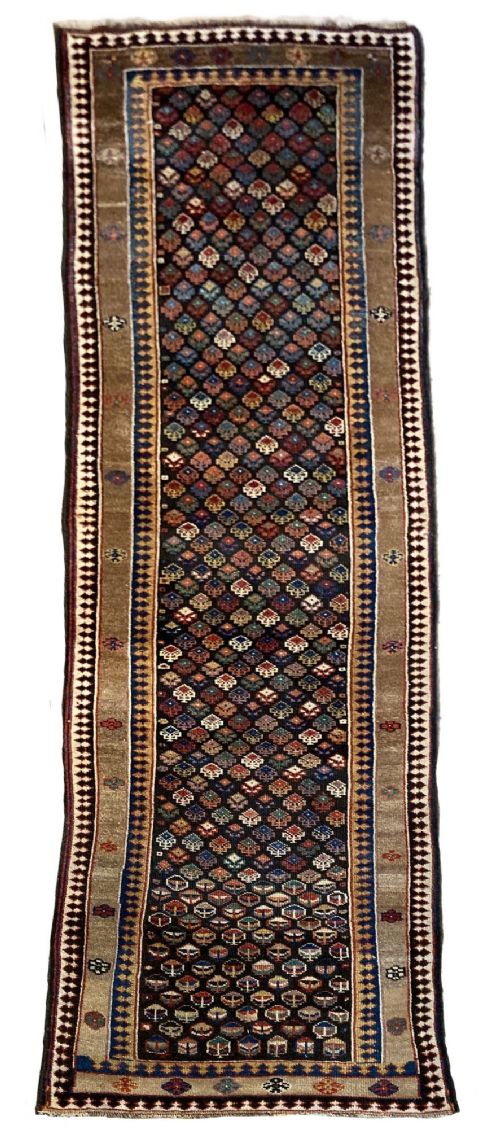
When you search for a narrow oriental runner, you examine elongated woven floor coverings designed specifically for hallways, stairs and landings. The pieces listed here span origin points across Persia, Turkey, the Caucasus, Tibet and Afghanistan, reflecting diverse regional aesthetics.
Most examples you encounter on this page date from the late nineteenth century through to the early decades of the twentieth century. These items were woven to withstand high-traffic domestic environments while bringing intricate tribal and traditional patterns into narrow domestic spaces.
How they were made
The materials recorded in these pieces rely predominantly on natural wool, occasionally incorporating hand-spun wool, cotton foundations and camel hair. These resilient fibres provided the tensile strength needed for long, narrow floor coverings placed in busy passageways.
Weavers knotted or flat-wove these materials by hand, utilising natural dyes derived from plants and minerals to achieve lasting red, blue, green and neutral tones. The resulting structures combine dense pile with sturdy warp and weft foundations.
The listings feature pieces spanning from the 1870s to the 1960s, constructed from wool, cotton and camel hair.
What varies in quality
The refinement of a narrow oriental runner depends on knot density and the precision of the geometric or floral layout. Tighter knots allow for sharper definition in complex medallions and borders.
Variations also emerge in the choice of wool quality and the depth of the palette. Softer, lustrous hand-spun wool and deeply saturated natural dyes elevate the texture and visual persistence of the weave.
Heriz·Hamadan·Sarouk·Bidjar
The Narrow Oriental Runner Glossary
- Runner
- An elongated rug format intended for hallways, corridors and staircases. It measures significantly longer than it is wide.
- Pile
- The upright cut or looped yarn forming the functional surface of the rug. It provides softness and protects the structural foundation.
- Warp
- The stationary vertical strings stretched across the loom before weaving begins. Weft threads pass horizontally through them to secure the knots.
- Kilim
- A flat-woven carpet or runner produced without a pile. These pieces rely on tightly interlocked warp and weft threads.
- Medallion
- A central ornamental design motif placed symmetrically within the field of the rug. It often anchors the surrounding geometric or floral patterns.
Narrow Oriental Runner: Frequently Asked Questions
Where should I place a narrow oriental runner?
These pieces suit high-traffic transitional zones such as hallways, corridors, landings and galley kitchens. Their elongated proportions guide movement and add warmth to otherwise bare floors.
Ensure you measure both the length and width of your space carefully before selecting a runner. Account for door clearance and skirting boards to achieve a balanced fit.
How do I care for an antique wool runner?
Vacuum your runner regularly with the suction attachment rather than a rotating brush roll to protect the pile. Address spills immediately by blotting gently with a clean, dry cloth.
Professional cleaning tailored to antique textiles helps preserve natural wool fibres and dyes. Avoid harsh chemical detergents and excessive moisture.
How do I identify different regional rug styles?
Regional styles reveal themselves through specific colour palettes, motif geometry and weaving structures. Pieces from Heriz often feature bold geometric medallions, while Hamadan runners display varied village patterns.
Examining the knots, fringe construction and wool texture provides further clues to origin. Comparing pieces side by side clarifies these distinct regional traditions.
Are these runners made with natural materials?
The listings consist of natural fibres including wool, hand-spun wool, cotton and camel hair. These materials were chosen for their durability and resilience in domestic settings.
Natural dyes complement these organic fibres, creating harmonious tones that mellow gracefully over decades of use.