






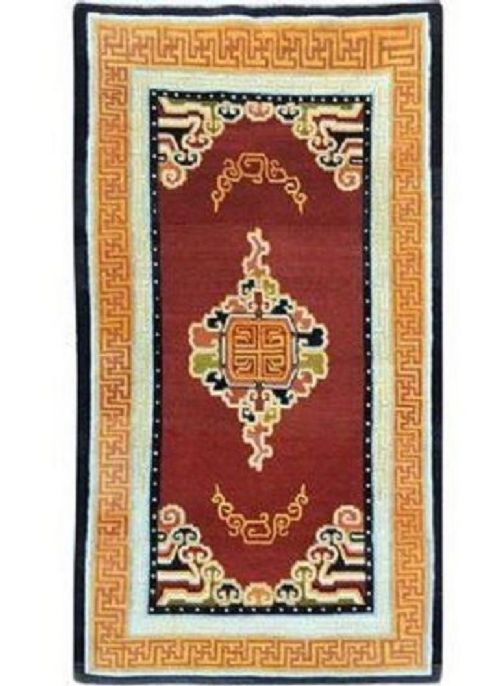
Wool Runner Carpet
When you search for wool runner carpet, you enter a field of woven floor coverings dating from the mid-nineteenth century to the mid-twentieth century.
Wool Runner Carpet
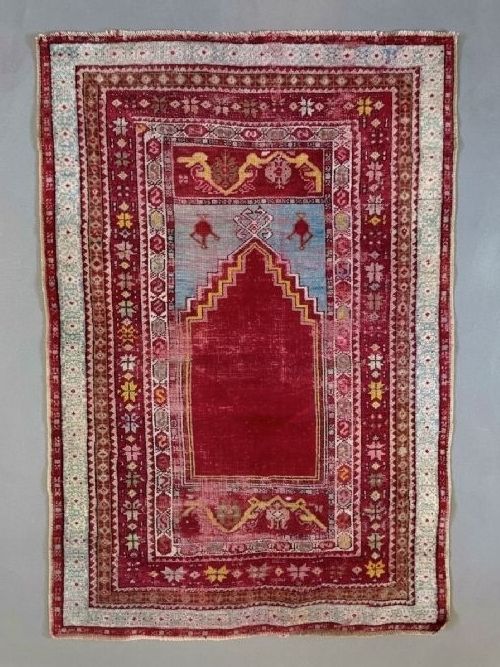
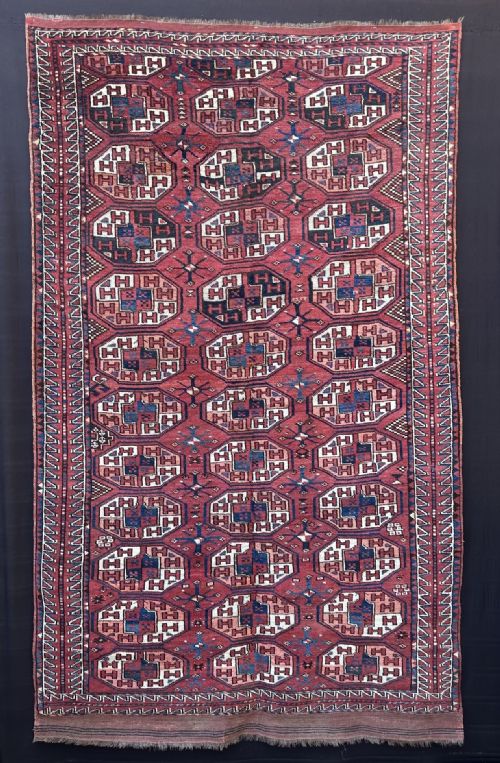
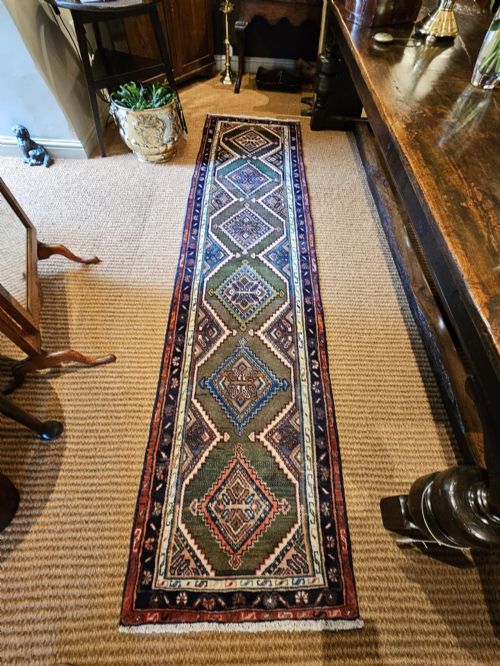
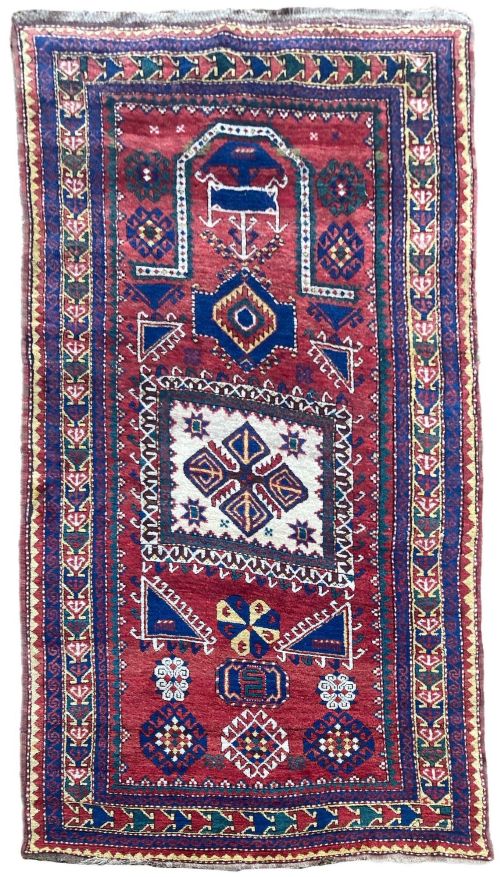
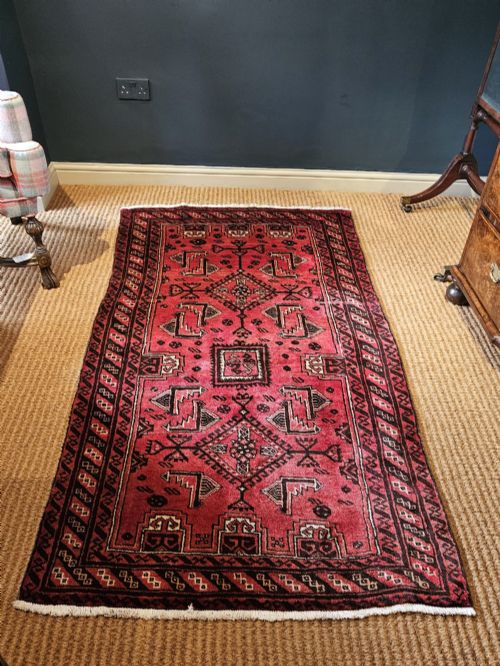
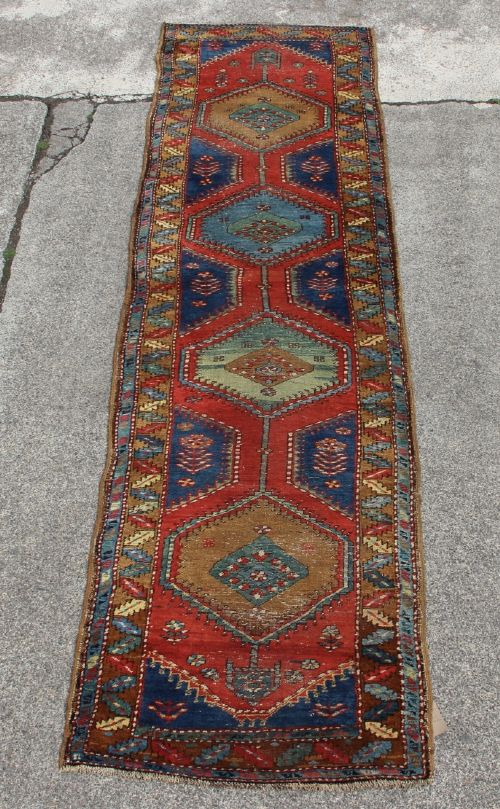
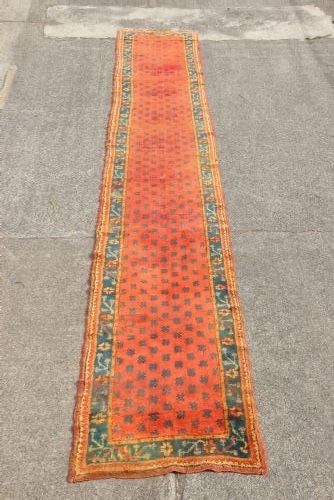
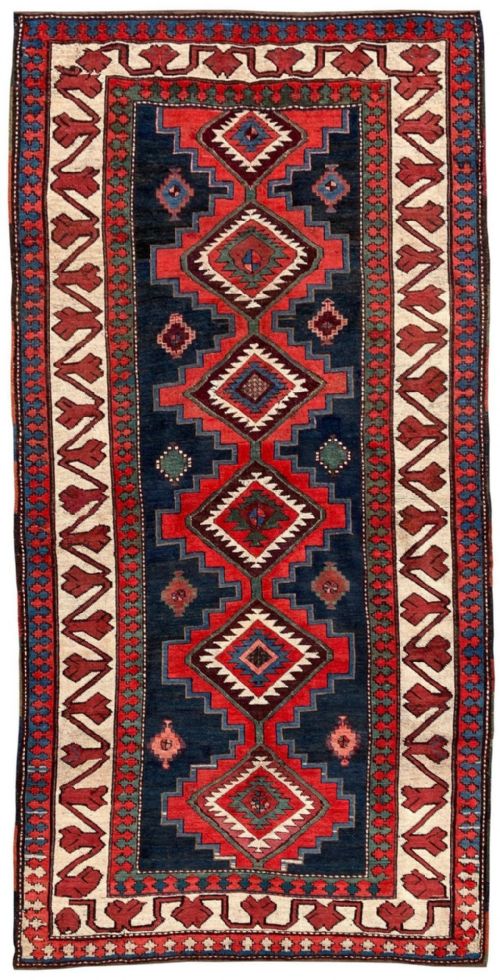
A wool runner carpet is a long, narrow textile designed for hallways, corridors and passage spaces, constructed primarily during the nineteenth and twentieth centuries. These pieces originate from Persian, Caucasian, Turkish, Afghan, Turkmen, and Tibetan weaving traditions, reflecting distinct regional designs and tribal patterns.
The selection here encompasses antique and vintage formats ranging from geometric village rugs to long, narrow corridor carpets. Common stylistic groups include Heriz, Kazak, Ushak, Baluch, and Kurdish pieces, alongside plain pure wool formats produced in the early twentieth century.
Buyers encountering this category will find pieces spanning from the 1850s to the 1930s, utilising traditional knotting and flatweaving techniques. Each region contributes specific structural characteristics, from the heavy wool pile of Caucasian runners to the lighter handling of Tibetan examples.
How they were made
These floor coverings are constructed using wool pile knotted onto foundations of wool or cotton, occasionally incorporating camel hair for natural tone and durability. The materials reflect pastoral economies where sheep and goat wool provided resilient fibre for heavy domestic wear.
Weavers utilised natural dyes to achieve rich colour palettes across Persian, Caucasian, and Anatolian workshops, creating enduring depth in blues, reds, and earth tones. Flatwoven kilim structures and pile-woven carpets alike depended on hand-spun yarn and vertical wooden looms operated within village and tribal communities.
Nomadic weavers frequently incorporated minor irregularities in border symmetry to ward off the evil eye, ensuring no carpet was too perfect.
What varies in quality
Quality in these textiles rests upon the density of the knotting, the integrity of the wool foundation, and the persistence of the original dyestuffs. Tighter construction and finely spun yarn yield greater resilience against foot traffic in narrow spaces.
The distinction between standard village production and finer workshop pieces lies in the precision of the geometric or floral layout and the harmonious saturation of the palette. Variations in pile retention and edge binding dictate the structural survival of long corridor formats over decades of use.
The Wool Runner Carpet Glossary
- Runner
- A long, narrow carpet format specifically proportioned for corridors, hallways, and stairs. These pieces measure significantly longer than they are wide.
- Kilim
- A flatwoven carpet or runner produced without a pile by tightly interweaving warp and weft threads. This technique creates a lightweight, reversible textile with sharp geometric patterns.
- Pile
- The upright loops or cut ends of yarn that form the soft surface of a knotted carpet. Pile depth varies according to regional tradition and intended domestic function.
- Mihrab
- An architectural niche motif depicted on prayer rugs, representing the direction of prayer. This arched design frequently appears in Caucasian and Anatolian examples.
- Gul
- A medallion or repeating octagonal motif used extensively in Turkmen and Baluch weaving traditions. These tribal emblems identify specific weaving groups and lineages.
Wool Runner Carpet: Frequently Asked Questions
Where should I place a runner?
These narrow textiles suit hallways, corridors, staircases, and narrow passages where floor protection is required without bulk. Their elongated proportions match linear architectural spaces.
Traditional runners function effectively in entrance halls and galleries, anchoring high-traffic areas while introducing historical pattern and texture to bare floorboards.
How do I care for a wool carpet?
Regular gentle vacuuming without a rotating brush bar prevents dirt accumulation within the wool pile. Professional cleaning suited to antique textiles preserves the integrity of the natural dyes.
Using an appropriate underlay prevents slipping and cushions the foundation fibres against hard flooring surfaces, extending the active lifespan of the textile.
What is the difference between pile and kilim?
Pile carpets feature knotted wool yarn standing upright from a woven foundation, creating a thick and textured surface. They offer substantial cushioning underfoot.
Kilims are flatwoven without pile, resulting in a thin, flexible fabric that lies completely flat on the floor. Both techniques utilise wool and cotton materials across different regional traditions.
How can I tell the age of a runner?
Dating relies on stylistic analysis of the motifs, structural materials, and dye characteristics observed in the weave. Nineteenth-century examples often display saturated natural palettes and irregular hand-spun foundations.
Twentieth-century pieces generally show more uniform spinning and brighter synthetic or transitional dye formulas, helping establish an approximate period of manufacture.