

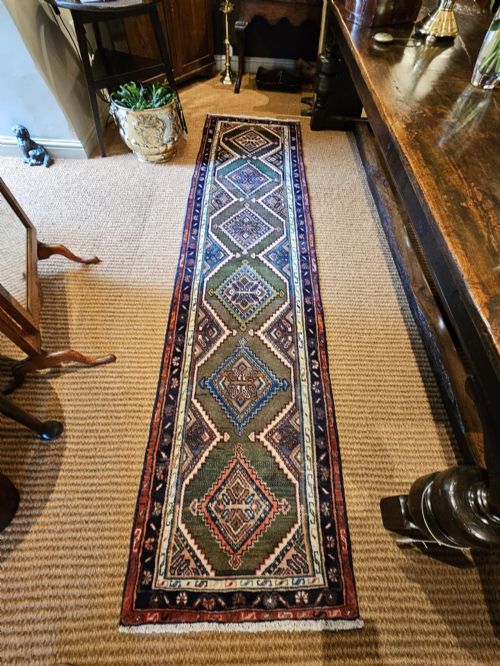



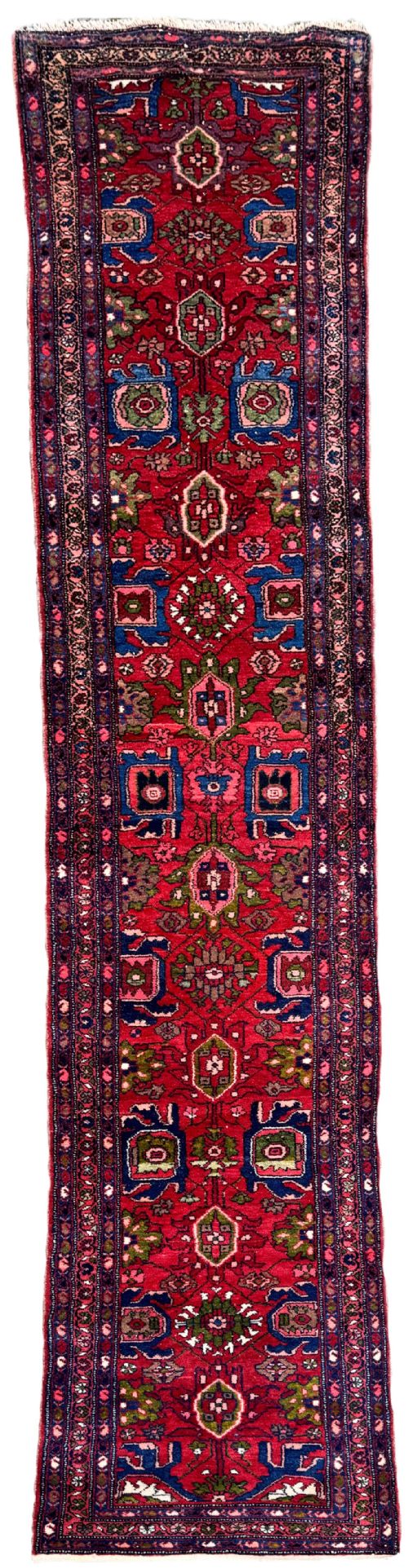

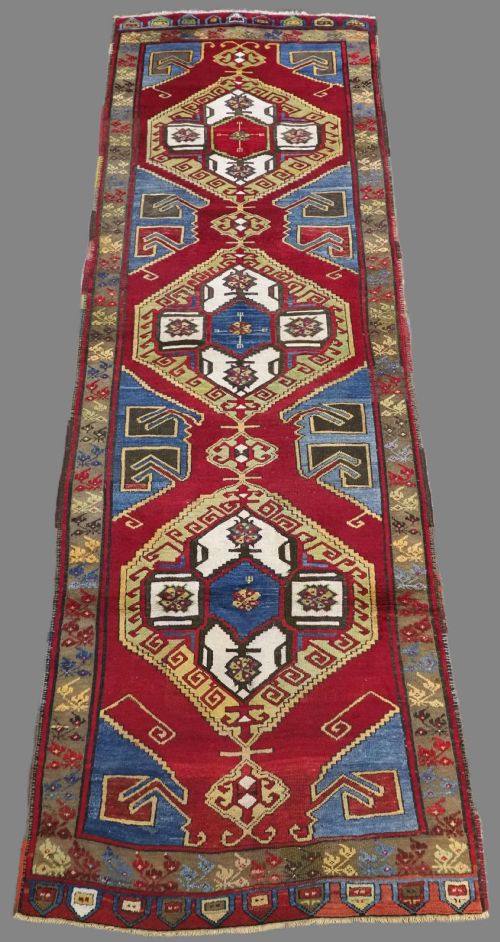
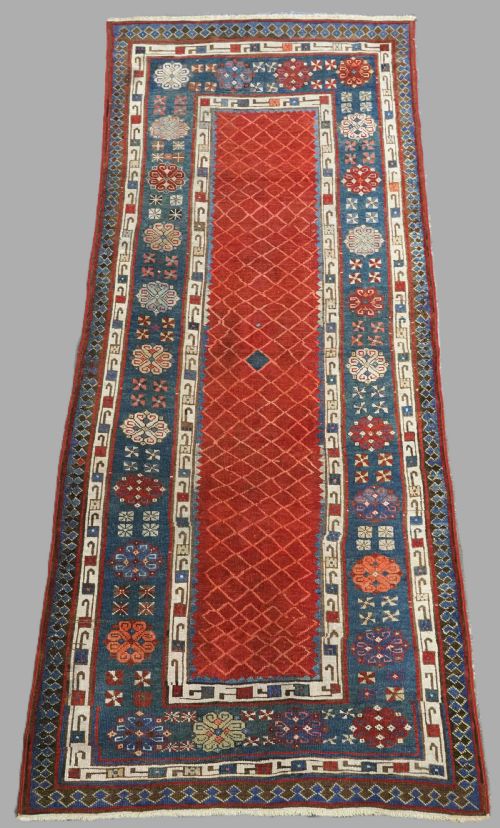

Long Tribal Hallway Runner
A long tribal hallway runner brings texture and grounded heritage beneath your feet.
Long Tribal Hallway Runner
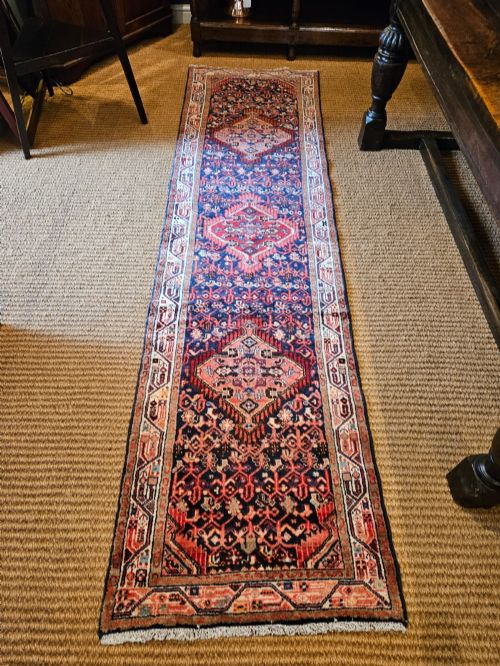
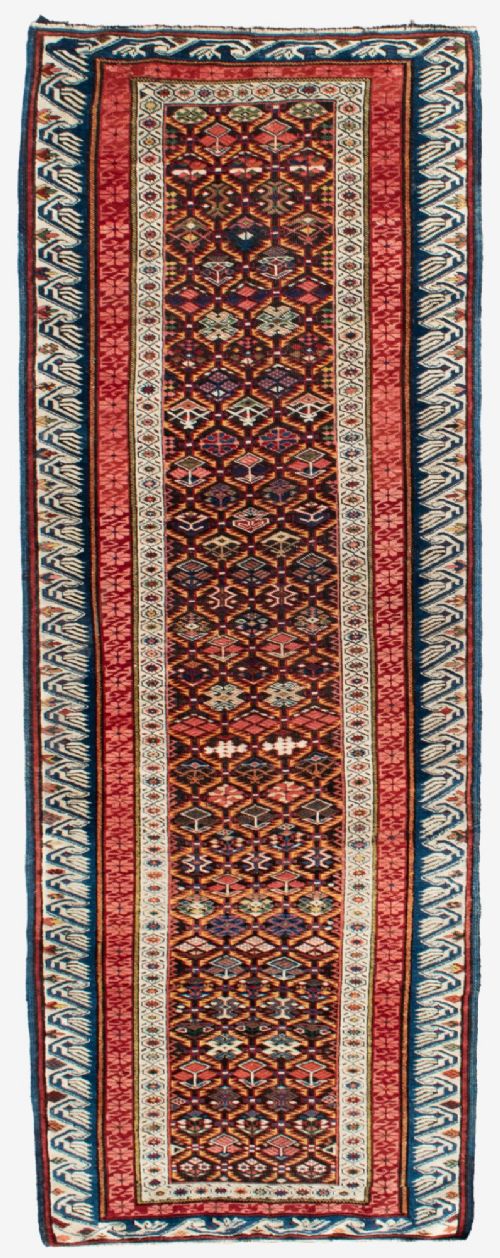
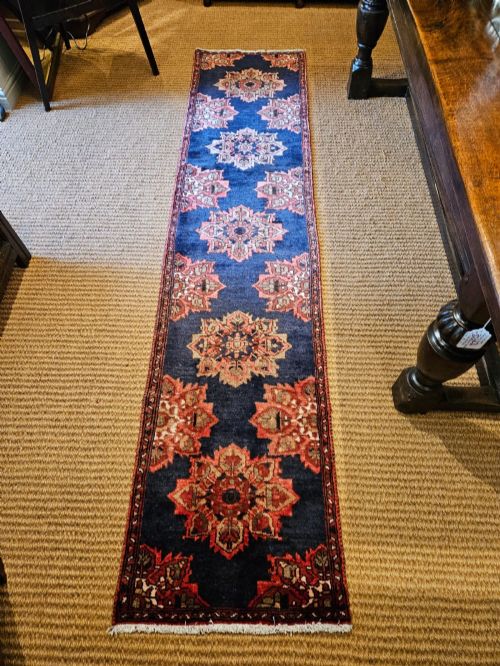
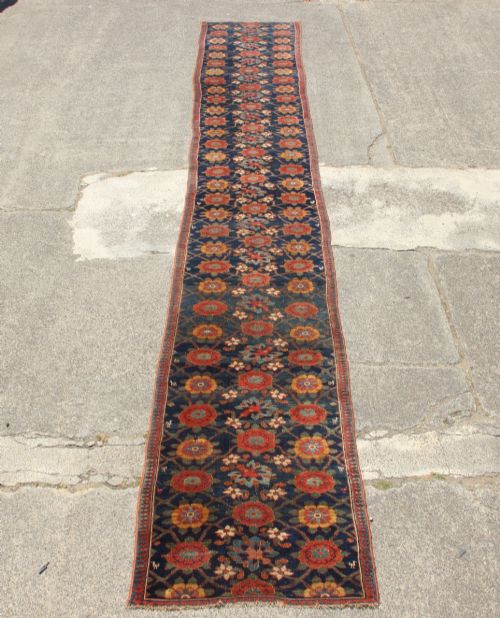
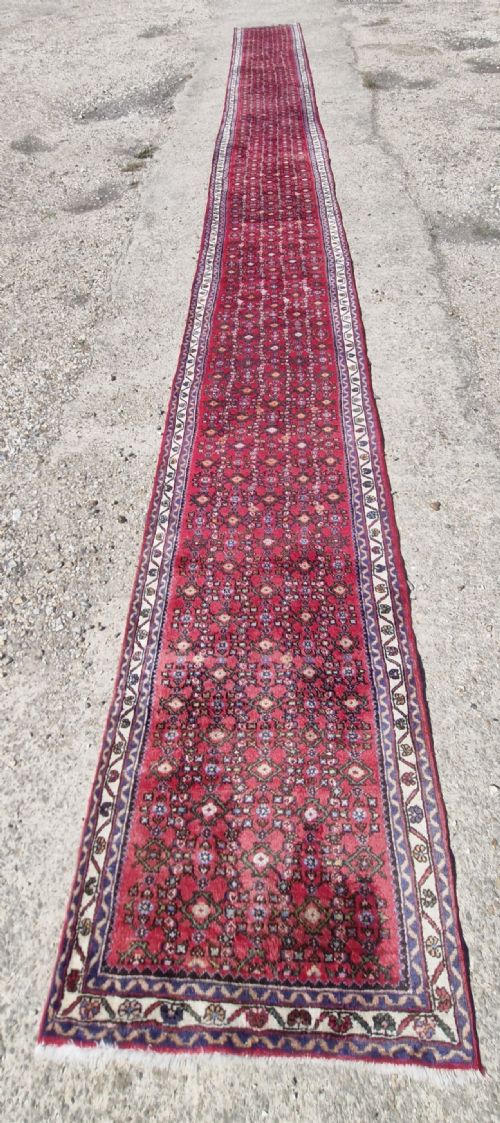
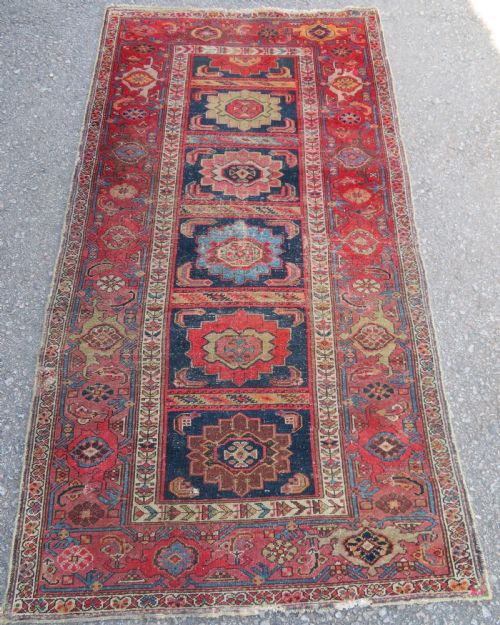
A long tribal hallway runner provides a narrow, elongated format designed specifically for corridors, halls, and landings. These pieces originate from various regional traditions including Persian, Anatolian, Caucasian, Kurdish, and Turkish tribal weavers.
The selections available here span from the late nineteenth century into the early decades of the twentieth century. They present narrow dimensions intended to traverse long domestic spaces while displaying distinct geometric, floral, or lattice patterns.
Buyers seeking this phrase encounter formats ranging from concise proportions to exceptionally extended lengths. They function practically as floor coverings while establishing a strong visual anchor in high-traffic transition areas.
Materials and Construction
The pieces documented in these listings rely predominantly on wool and hand-spun wool fibres knotted or woven alongside cotton foundations. These natural materials provide the tensile strength required for heavy use in narrow domestic passages.
Traditional weavers employed regional dyeing methods to establish deep backgrounds in olive green, navy blue, and neutral tones. The resulting textiles demonstrate the durability inherent in traditional handwoven construction techniques.
Some runners stretch to an astonishing thirty-two feet, requiring a marathon effort from the original weaver.
Distinctions in Quality
Quality within these textiles rests upon the fineness of the knotting and the tightness of the weave across the foundation. Denser knot structures allow intricate patterns, such as lattice and Mina Khani designs, to retain their definition.
The integrity of the hand-spun wool and the consistency of the pile depth determine how well the runner withstands foot traffic over decades. Uniformity in the field execution and the balance of the borders separate standard tribal weaving from finer regional examples.
The Long Tribal Hallway Runner Glossary
- Runner
- A long, narrow carpet format designed for hallways, corridors, and stairs. These pieces measure significantly longer than they are wide to fit restricted floor spaces.
- Kurdish
- Pertaining to rugs woven by Kurdish nomadic or village communities, often characterised by robust wool and geometric motifs. These textiles frequently display strong saturated colours and durable structures.
- Heriz
- A style of Persian rug originating from the Heris region, known for bold geometric medallions and strong structural integrity. They utilise durable wool suited to heavy domestic use.
- Kilim
- A flatwoven carpet or runner made without a pile by tightly interweaving warp and weft strands. This technique produces a thin, reversible textile with sharp geometric patterns.
- Pile
- The vertical or diagonal loops of yarn that stand up from the woven foundation to form the usable surface of the rug. Variations in pile height affect the texture and softness underfoot.
Long Tribal Hallway Runner: Frequently Asked Questions
Where do I put a long hallway runner?
These narrow formats suit long corridors, entrance halls, and connecting landings where floors require protection and visual warmth. Their extended proportions fit linear spaces that standard area rugs cannot accommodate.
Placing them in high-traffic zones allows the durable wool construction to manage daily movement while framing the architectural pathway of the home.
How do I identify a tribal rug?
Tribal rugs typically feature geometric motifs, memory-driven designs, and tribal symbols rather than rigid urban workshop patterns. They reflect the cultural traditions of specific village or nomadic weavers.
Materials often include hand-spun wool with expressive colour variations across the field and borders, distinguishing them from mass-produced commercial carpets.
Are these runners durable for heavy traffic?
The historic wool and cotton construction of these pieces provides natural resilience against regular footsteps in busy hallways. Natural fibres bend under pressure rather than breaking, maintaining their structural integrity over generations of use.
Placing a suitable underlay beneath the runner prevents slipping and cushions the weave, reducing friction between the floorboards and the foundation.
How are different regional styles distinguished?
Regional styles reveal themselves through specific colour palettes, border arrangements, and motifs native to areas like Heriz, Hamadan, or the Caucasus. Kurdish runners often display robust geometric lattices, while Anatolian pieces utilise distinct village iconography.
Examining the handling of the wool and the specific knotting density further clarifies the geographic origin of each runner.