



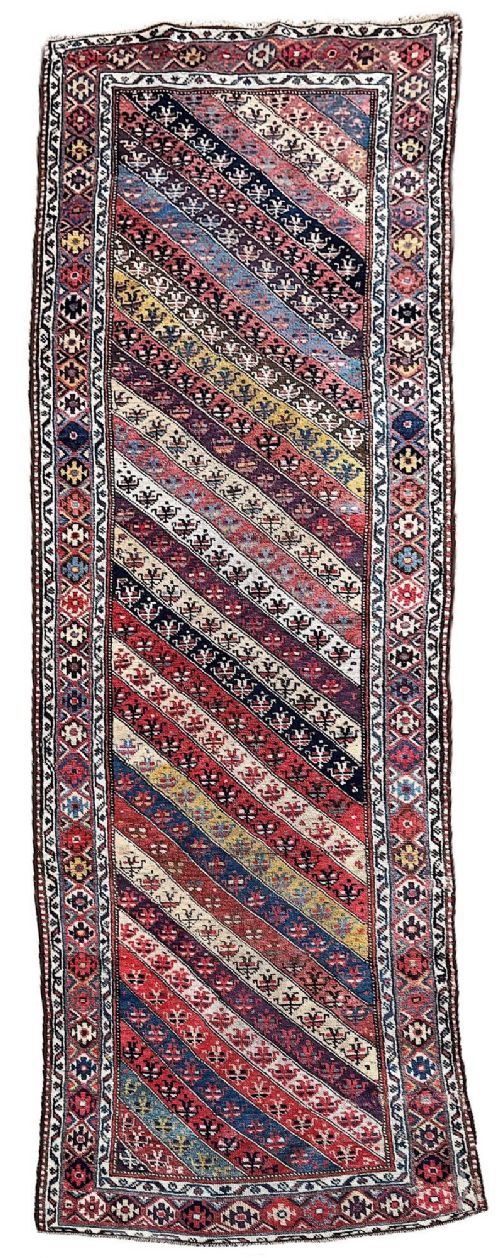
Geometric Corridor Rug
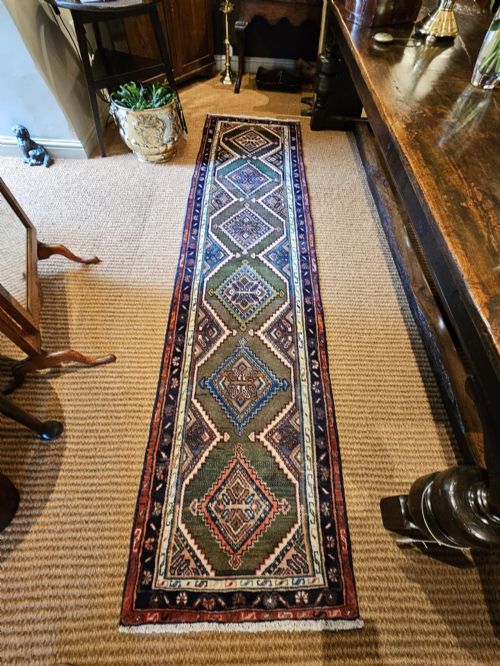
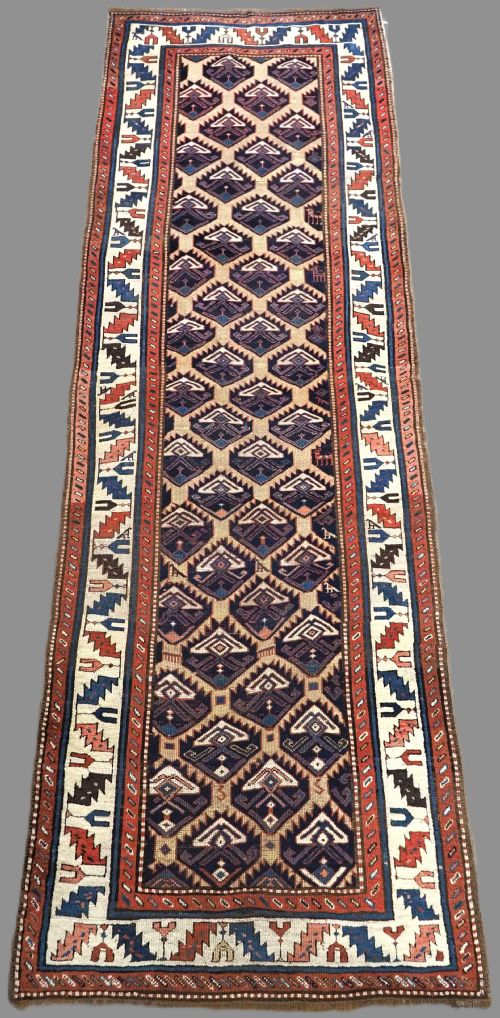
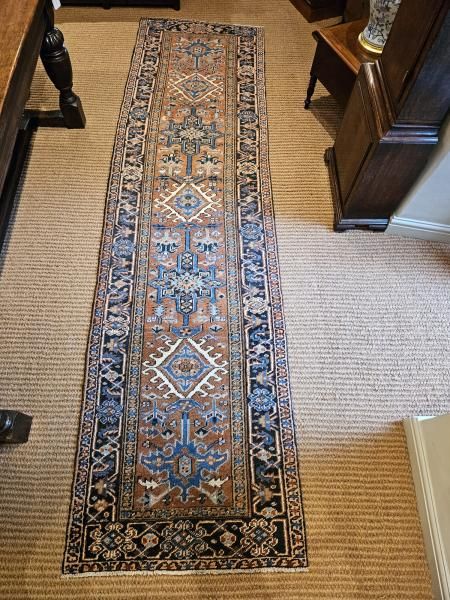
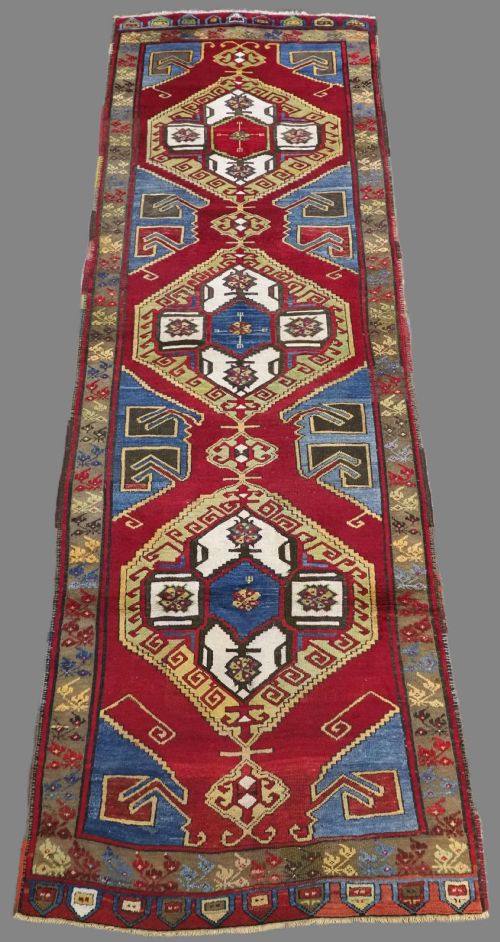
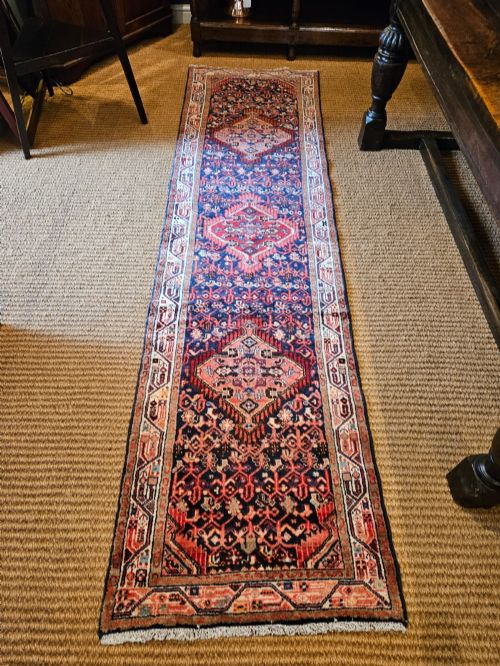
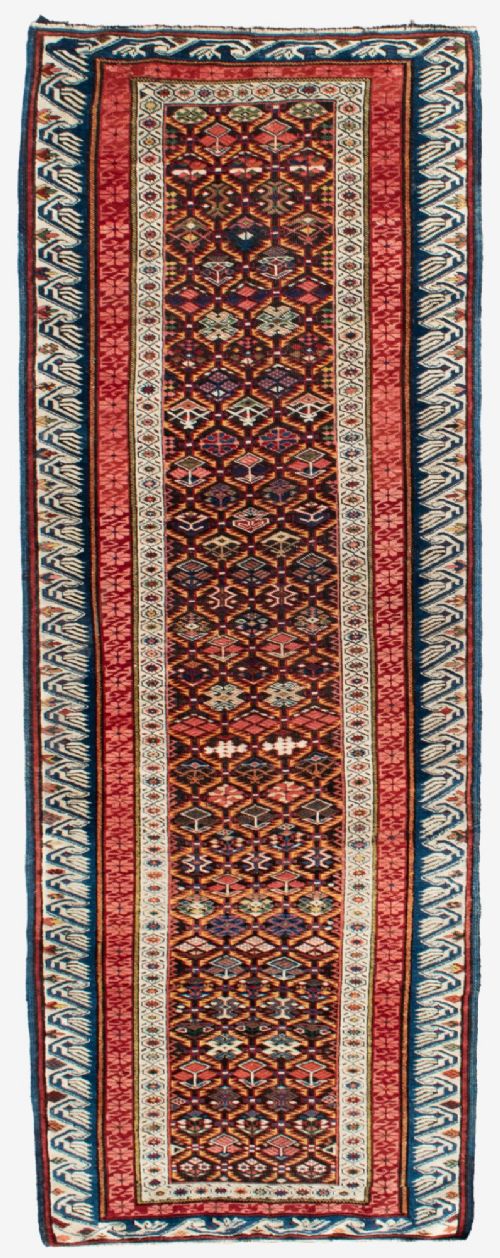
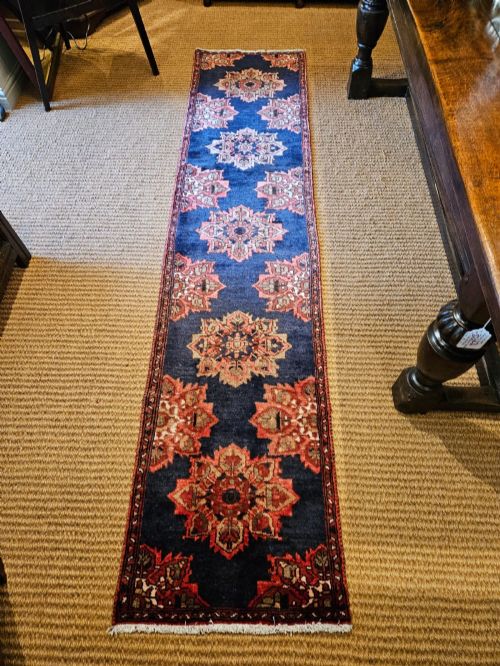
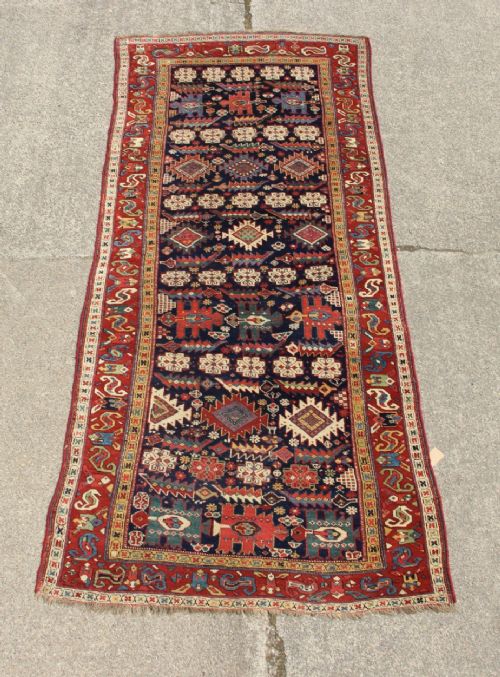
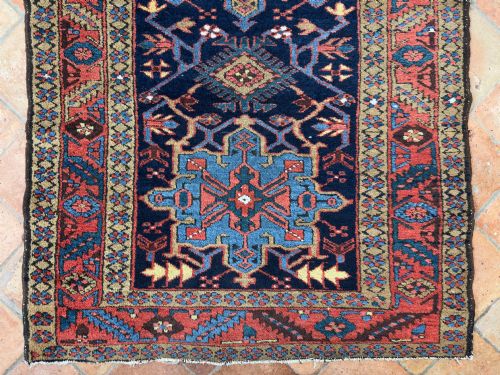
A geometric corridor rug brings linear structure and earthy tones to a long hallway, offering hard-wearing tribal designs woven over a century ago.
Geometric Corridor Rug
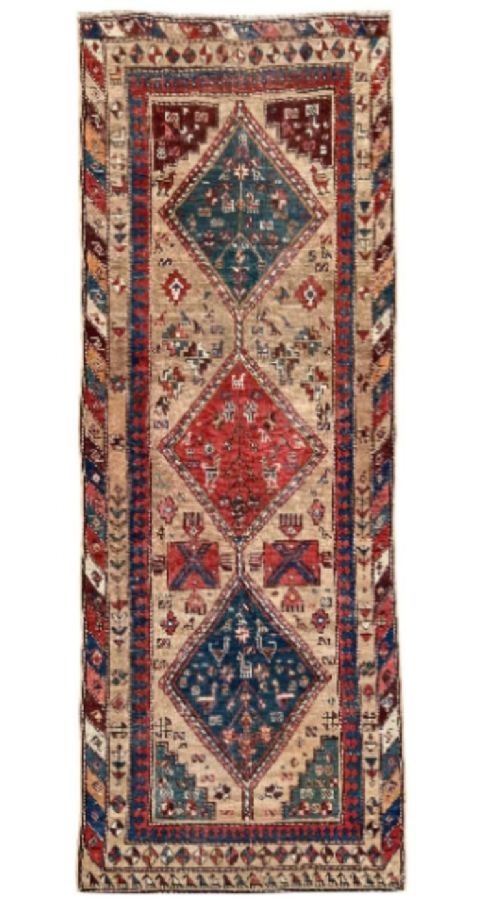
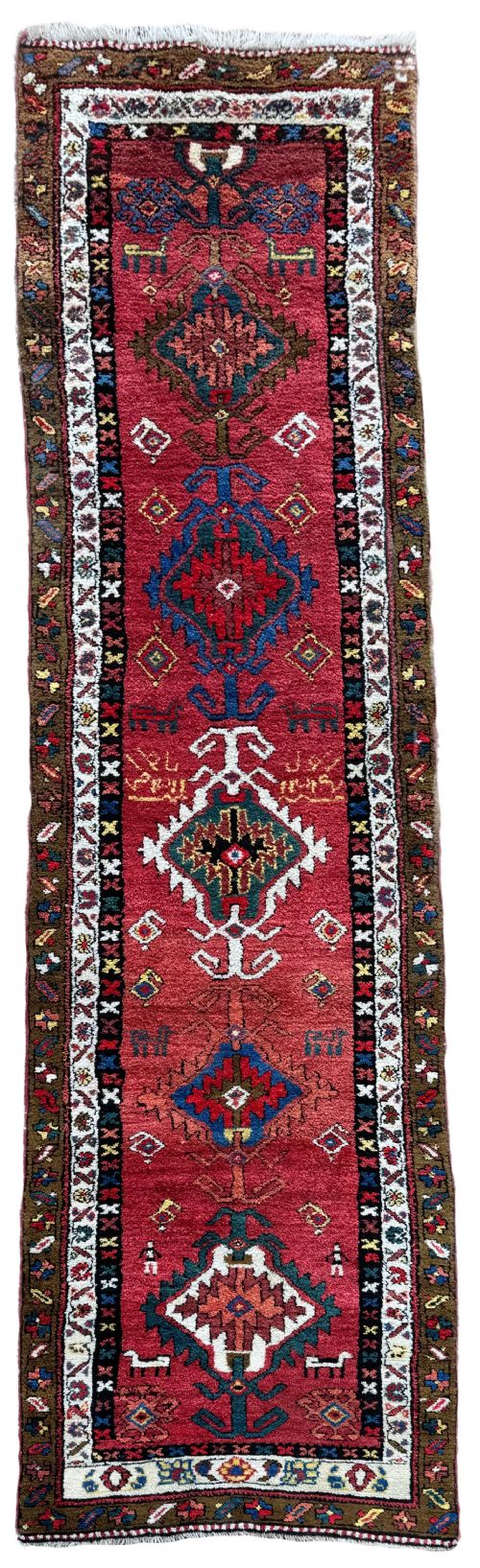
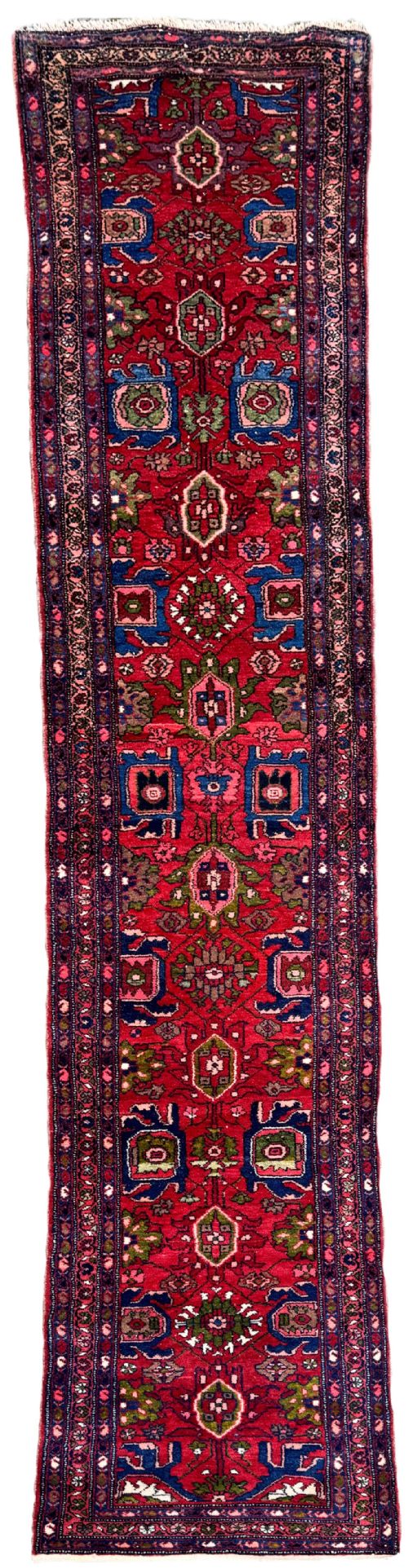
A geometric corridor rug typically manifests as a long, narrow runner designed specifically for hallways and corridors. Buyers seeking a geometric corridor rug encounter formats originating from Persian, Caucasian, Anatolian, and Kurdish workshops, spanning periods from the nineteenth century into the 1930s.
The aesthetic relies heavily on lattice patterns, medallions, and angular motifs rather than floral curves. These pieces serve practical thoroughfare functions while introducing historical textiles into domestic interiors.
Materials and Construction
Makers utilised wool and cotton, often employing hand-spun wool for the pile to achieve durability and rich texture. Foundation warps and wefts generally consist of cotton or wool, supporting dense knotting traditions passed down through tribal and regional weavers.
Natural dyes provide the palette, ranging from deep navy blues and olive greens to warm terracotta hues. These traditional dyeing methods allow the colours to soften gracefully over decades of use.
Some antique runners arrive with delightfully crooked borders, proving that weavers occasionally enjoyed a gentle curve.
Factors of Quality
Quality rests in the tightness of the weave, the clarity of the angular motifs, and the integrity of the foundation. Finer knot counts allow complex lattice and medallion designs to hold sharp, clean lines along the length of the runner.
Condition and pile retention also dictate the standing of a piece. Uniform wear across a runner indicates even usage in past corridors, whereas robust wool density preserves the structural strength of the rug.
The Geometric Corridor Rug Glossary
- Runner
- A long, narrow carpet format intended for hallways, corridors, and stairs. These pieces balance length with restricted widths to fit architectural passageways.
- Kelim
- A flat-woven carpet or runner produced without a pile. These items rely on interlocking warp and weft threads to form crisp, geometric patterns.
- Kelleh
- A large format rug that typically measures longer and wider than a standard corridor runner. It provides substantial floor coverage for expansive rooms or broad halls.
- Medallion
- A central ornamental motif set within the field of the rug. It anchors the symmetrical composition of angular designs.
- Lattice
- An open network of repeating geometric shapes or intersecting diagonal lines across the field. This framework organises the secondary motifs within the weave.
Geometric Corridor Rug: Frequently Asked Questions
How do I clean an old runner?
Vacuum gently using a suction-only attachment without rotating brushes to protect the historic wool pile.
Professional specialist cleaning remains essential for removing deep dust and protecting natural dyes from running.
Can I place these in high-traffic hallways?
Traditional tribal rugs woven with dense wool pile withstand regular foot traffic quite effectively.
Using a quality underlay prevents slippage and absorbs impact, extending the active lifespan of the textile.
How do I identify a tribal design?
Tribal designs feature angular geometry, repeating medallions, and stylized animal or plant motifs.
These patterns reflect regional weaving traditions passed down through specific communities rather than formal urban court workshops.
Why do some runners have slight irregularities?
Hand-knotted textiles display natural variations in width and straightness resulting from manual loom work.
These subtle shifts confirm genuine antique production rather than modern machine-made uniformity.