








Red Textile Runner
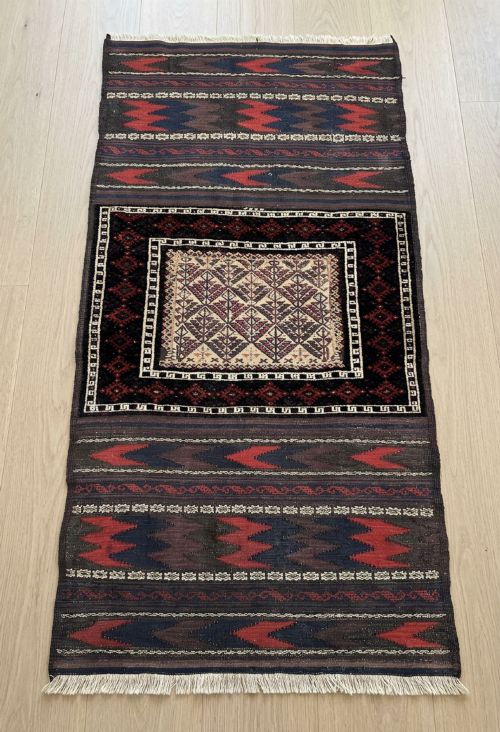
When you want a red textile runner, you are looking at narrow tribal and regional weavings, embroideries, and fragments ranging from Central Asia to Persia.
Red Textile Runner
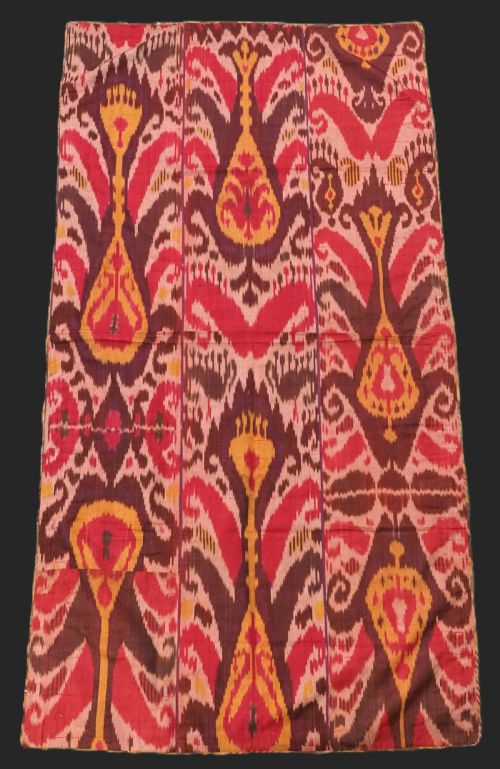
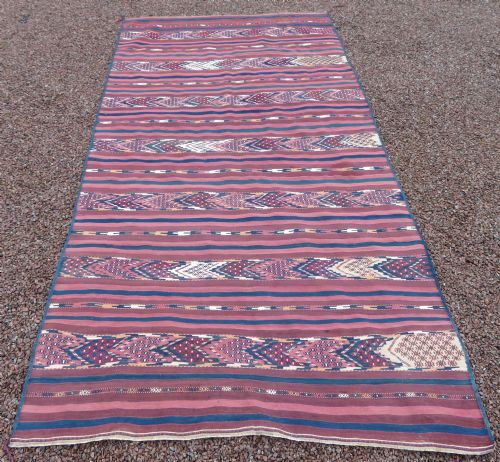
A red textile runner brings together elongated regional weavings and panels designed for specific domestic or nomadic functions, often taking the form of narrow floor coverings, storage bag faces, or decorative borders. These pieces encompass items such as Uzbek kilim panels, Turkmen torbas, Persian sofreh, and embroidered fragments originating from tribal workshops across Central Asia, the Caucasus, and Persia.
Makers focused on utility and tribal identity, producing long strips and panels that functioned as tent bands, animal trappings, or floor runners. These formats naturally lend themselves to modern hallways and table surfaces, offering deep madder-dyed grounds and graphic patterns that reflect their specific regional provenances.
How they were made
Weavers utilised hand-spun wool, cotton, and silk, anchoring structural warps and wefts with natural dyes derived from local plants and minerals. Many pieces incorporate supplementary metallic thread or silk embroidery laid over wool or felt grounds, creating textural contrast across the surface of the runner.
Techniques vary from flat-woven kilim and cicim structures to pile weaving and complex needlework embroidery, particularly seen in Uzbek suzani panels and Persian Rasht work. Artisans constructed larger panels by joining multiple narrow woven strips together, a practical method that resulted in the characteristic elongated runner proportions.
Red Textile Runner Retail Price Guide 2026
Typical asking prices for red textile runner among the pieces listed under this phrase on Sellingantiques today, from the lower quarter to the upper quarter. They describe what is for sale here now, not the wider market.
Camels wore their best embroidery for weddings, leaving behind heavily decorated trappings that now double as narrow hallway runners.
What varies in quality
Quality rests in the integrity of the natural dyes, the fineness of the spin and knotting or embroidery density, and the survival of the original edges. Pieces displaying rich, saturated madder reds and complex secondary palettes command greater interest than those with faded or chemically altered tones.
Structural completeness also defines a textile's standing, distinguishing intact panels and complete runners from heavily compromised fragments. While fragments retain historical value for their iconography and material evidence, whole pieces with preserved selvedges and untouched ends demonstrate superior structural endurance.
The Red Textile Runner Glossary
- Sofreh
- A spread or cloth used for dining, kneading bread, or serving food in Persian and tribal households. These utilitarian textiles often feature striking geometric fields suitable for runner placement.
- Torba
- A small storage bag or bagface produced by Turkmen and other Central Asian tribes. They were traditionally hung inside felt tents to hold personal possessions.
- Madder
- A natural red dye extracted from the roots of the Rubia plant, widely used across Persia and Central Asia. It yields deep, light-fast reds that develop a rich patina over time.
- Cicim
- A flat-weaving technique where supplementary weft threads are wrapped around the warp to create raised patterns. This method adds tactile texture to tribal runners and bag faces.
Red Textile Runner: Frequently Asked Questions
Where were these runners made?
The pieces originate from nomadic and settled tribal regions across Central Asia, Persia, the Caucasus, and adjacent territories. This includes work by Turkmen, Uzbek, Baluch, and Shahsavan weavers.
Production centres spanned specific provinces and borderlands, reflecting local materials, dye recipes, and weaving traditions passed down through generations.
How were long textile runners used originally?
Many elongated textile panels served as tent bands, animal trappings for camels or horses, or utility cloths for dining and storage. Narrow formats were dictated by the width of portable looms.
Domestic uses included placing cloths on the ground for meals or hanging storage bags along the interior lattice walls of nomadic tents.
How do I care for a textile runner at home?
Protect antique textiles from direct sunlight to prevent natural dyes from fading over time. Gentle vacuuming with a low suction setting and no beater bar helps remove dust.
Keep the textile in a stable environment away from excess moisture and consult a professional textile conservator for any cleaning requirements.