




Red Porcelain Table Lamp
These red porcelain table lamp pieces bring historic ceramic bodies into domestic lighting, offering rich colour and tactile presence for any room.
What these pieces are
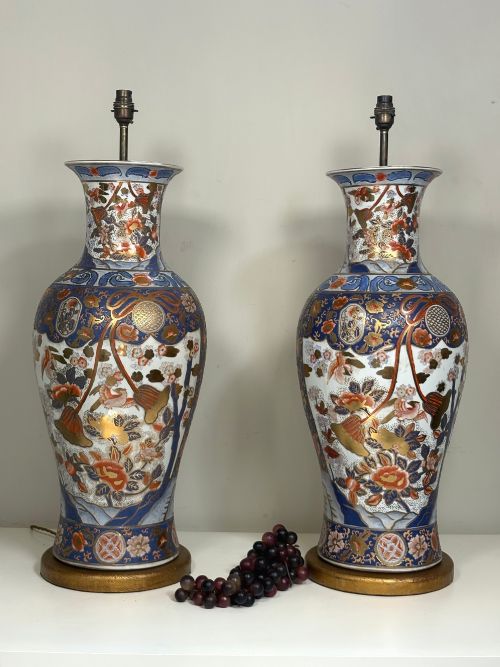
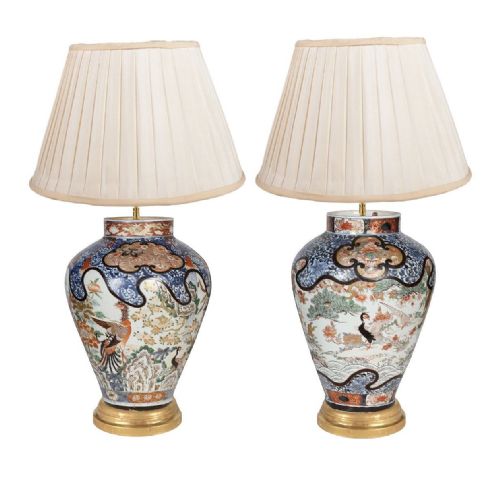
When you search for a red porcelain table lamp, you encounter items built from earlier ceramic vessels mounted for modern illumination. The listings span Japanese Arita Imari, Chinese Qing style, and flambe pieces, alongside French floral ceramics and Maling ware.
The forms range from traditional vases adapted into lamps to items created or rewired in the twentieth century. These objects combine historical ceramic production with functional lighting for interior placement.
How they were made
The construction brings together fired ceramic bodies with brass, wood, silk, and fabric components. Master potters shaped and glazed the porcelain before mounting and wiring took place in later periods.
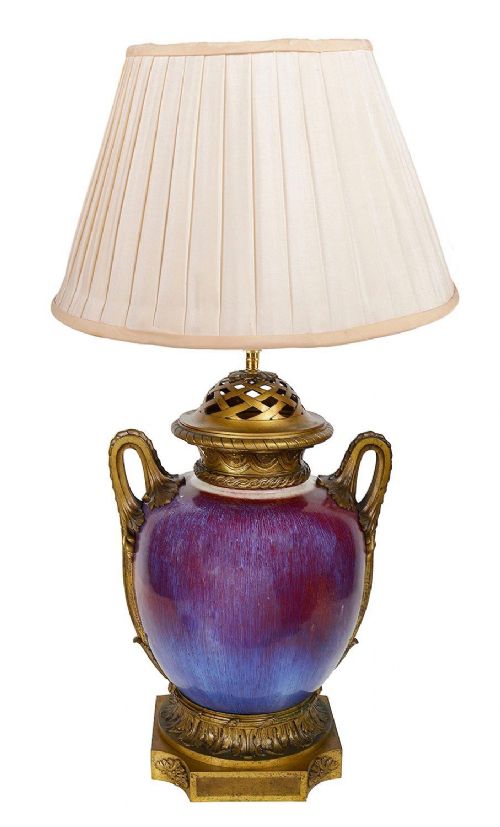
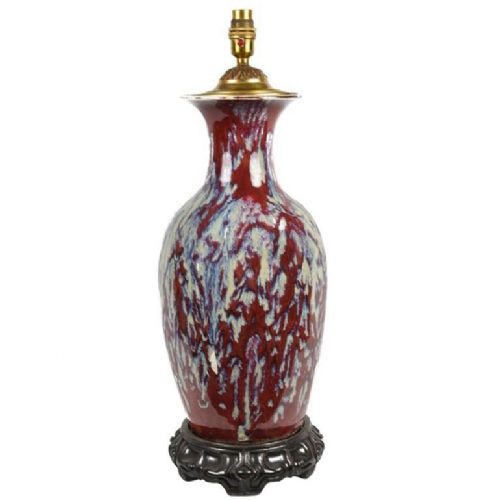
Vessels feature specialised red glazes, such as sang de boeuf and flambe effects, achieved through careful kiln firing and mineral oxides.
Some cherubs found themselves guarding nineteenth-century blue and white vases long before anyone thought to wire them for a bedside read.
What varies in quality
Quality rests in the depth and control of the ceramic glaze, from the rich tones of sang de boeuf to the streaked complexity of flambe surfaces. The finesse of the original vase potting and painting dictates the baseline refinement of the piece.
The integration of metal mounts, timber bases, and wiring assemblies determines how successfully a historic vessel functions as a stable, balanced light source.
The Red Porcelain Table Lamp Glossary
- Sang De Boeuf
- A deep red, copper-based porcelain glaze developed in China, prized for its ox-blood coloration and subtle tonal variations. The finish requires precise reduction firing in the kiln.
- Flambe
- A streaked or mottled high-fired glaze featuring dramatic runs of red, purple, and blue tones. It results from complex chemical reactions during the firing process.
- Arita Imari
- Japanese porcelain decorated in underglaze blue and iron red, often highlighted with gold. Production centred on the town of Arita for both domestic use and export.
- Rewired
- A descriptor indicating that the internal electrical components have been replaced for modern safety standards. This ensures the historic body can be used safely with current fittings.
Frequently Asked Questions
Are these lamps converted from old vases?
Many examples are historic vessels that have been fitted for electrical wiring and lampshades. This practice preserves decorative ceramic forms while giving them a functional role in a room.
Makers often selected balanced proportions so the resulting lamp remains stable and visually harmonious on a table or sideboard.
How do I care for a porcelain lamp?
Dust the ceramic body gently with a soft cloth and avoid harsh chemical cleaners that might affect the glaze. Inspect the electrical fittings periodically to ensure they remain secure.
Keep the lamp away from edges where it might be knocked, given the fragile nature of porcelain and its mounted components.
What materials are used alongside the porcelain?
Pieces frequently incorporate brass fittings, wooden bases, and shades constructed from silk or fabric. These supplementary materials support the ceramic body and house the electrical components.
Each material contributes to the overall height, weight, and aesthetic balance of the assembled table lamp.