


Red Pine Blanket Box
A red pine blanket box gives rustic storage and folk art colour, forged from utilitarian timber and finished with pigment or fabric.
Red Pine Blanket Box
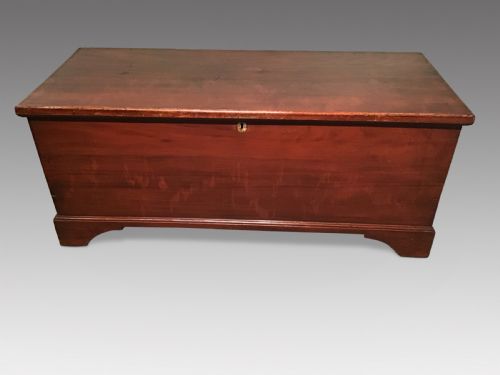
When you search for a red pine blanket box, you encounter sturdy timber chests fashioned for domestic storage across the nineteenth century. These utilitarian vessels served households for linens, garments, and dowries, taking forms such as coffers, mule chests, and strong boxes.
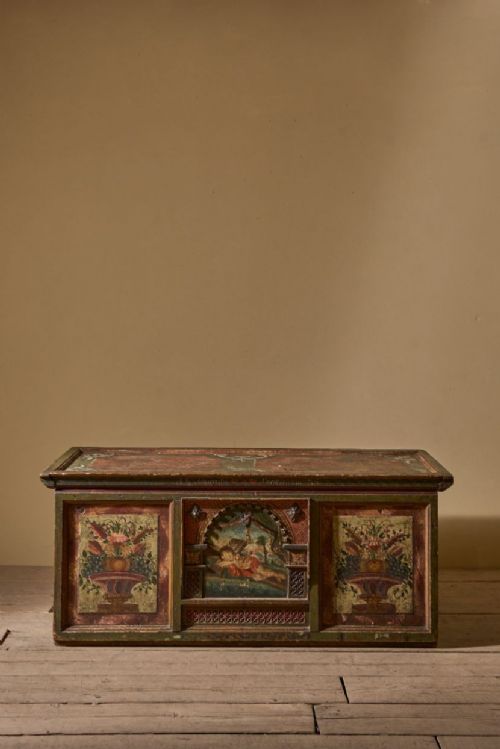
You are most likely to meet painted examples originating from continental workshops, particularly Hungarian, Scandinavian, and Spanish traditions. Many retain their original polychrome pigments, floral motifs, or bracket feet, bridging the gap between functional storage and folk art.
How they were made
Joiners constructed these pieces primarily from solid pine timber, utilising durable board construction reinforced with iron hinges, brackets, and carrying handles. The wood provided a stable surface suited for heavy daily use in farmhouses and domestic interiors.
Surfaces were frequently sealed with layers of paint, mineral pigment, or occasionally covered in velvet and baize fabric. Artisans applied hand-painted folk decorations directly onto the pine, creating vibrant finishes that endure beneath subsequent patination.
One marriage trunk preserves a painted date from eighteen thirty-seven, proving folk artists rarely let a good dowry go undocumented.
What varies in quality
The integrity of the original paint surface dictates the distinction between standard utilitarian trunks and finer folk art pieces. Examples preserving untouched historical pigment and undisturbed decorative motifs command greater interest than those stripped or heavily repainted.
Structural preservation also marks the range, from simple nailed boxes to sophisticated dovetailed chests with integral stands or mule drawers. The survival of period hardware, interior baize lining, and original feet elevates the overall execution.
The Red Pine Blanket Box Glossary
- Mule chest
- A storage chest featuring one or more drawers beneath the main compartment. This form bridges the traditional blanket box and the modern chest of drawers.
- Coffer
- A heavy wooden chest traditionally used for holding valuables or documents. These pieces often feature sturdy iron hardware and robust pine construction.
- Baize
- A coarse woolen material resembling felt, historically used to line the interiors of storage chests and trunks. It protects delicate garments from snagging against bare pine.
- Dowry chest
- A decorative box prepared for a bride to hold her household linens and personal possessions. These objects frequently display regional folk art and specific family dates.
Red Pine Blanket Box: Frequently Asked Questions
Where were these boxes made?
The pieces originate from various European and international regions, including Hungary, Scandinavia, Spain, and domestic British workshops.
Craftsmen in these diverse locales utilised local pine to build sturdy storage vessels suited to regional aesthetic traditions.
How do I clean a painted pine box?
Maintain the surface using a dry, soft cloth to remove dust without disturbing delicate historical pigments.
Avoid harsh chemical cleaners or excessive moisture, which can strip original paints and soft pine substrates.
Can I use these chests for seating?
While sturdily built from solid timber, many antique chests feature delicate hinges, bracket feet, or domed lids not engineered for heavy daily seating.
Assessing the internal bracing and structural stability helps determine whether a specific box safely accommodates occasional sitting.
What is the difference between a trunk and a coffer?
Trunks generally denote travel or transport containers, frequently outfitted with metal side handles for movement.
Coffers typically describe stationary domestic storage units designed to remain in a fixed room for linens or valuables.