






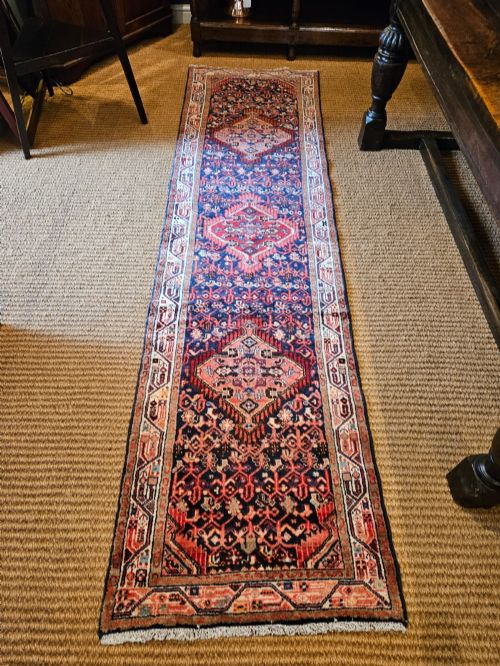
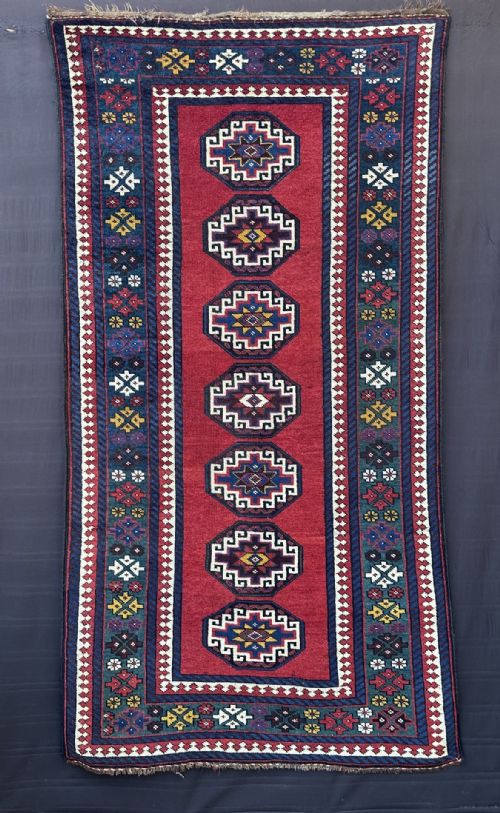
Red Persian Carpet Runner
A red persian carpet runner brings warmth and depth to long corridors, woven by traditional makers across villages and tribes.
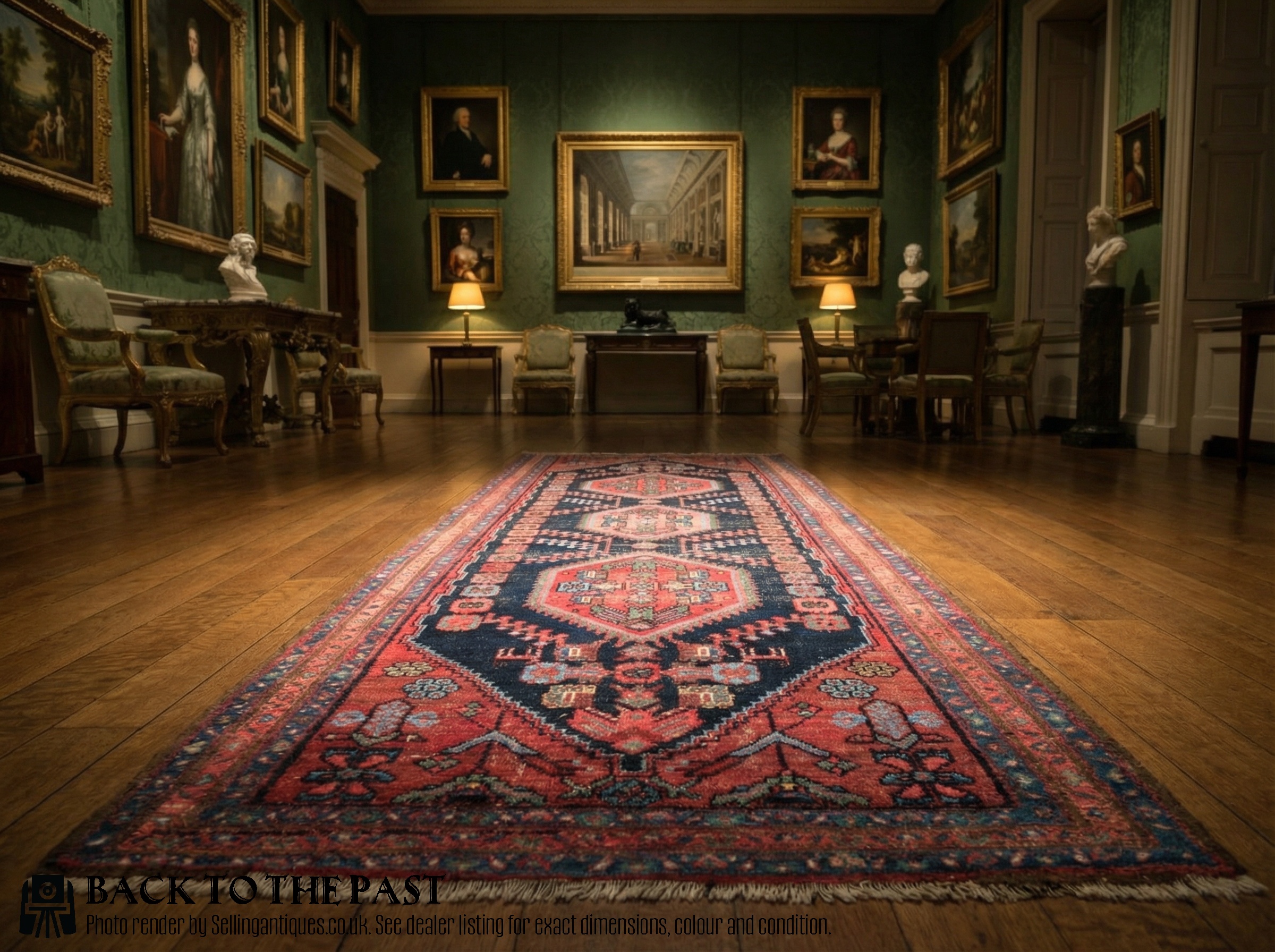
Red Persian Carpet Runner
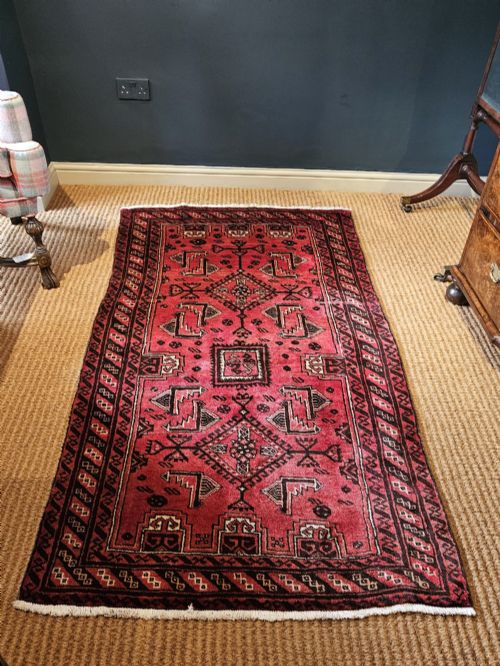
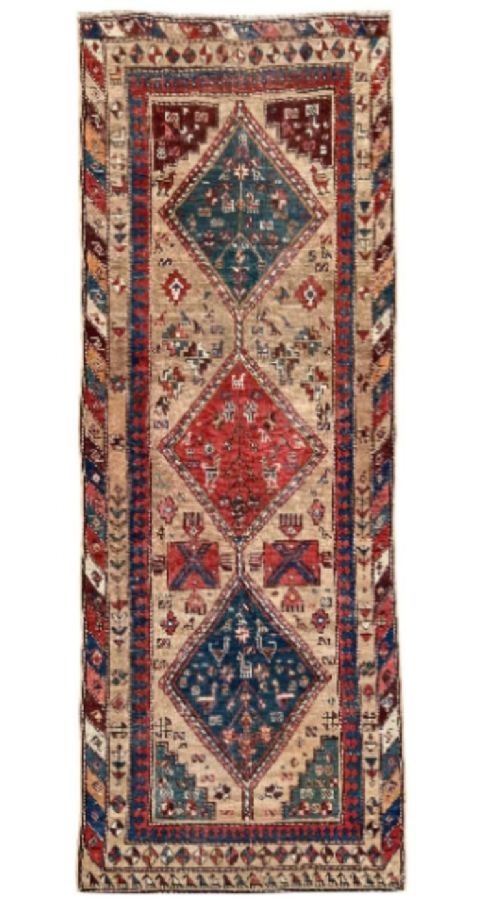
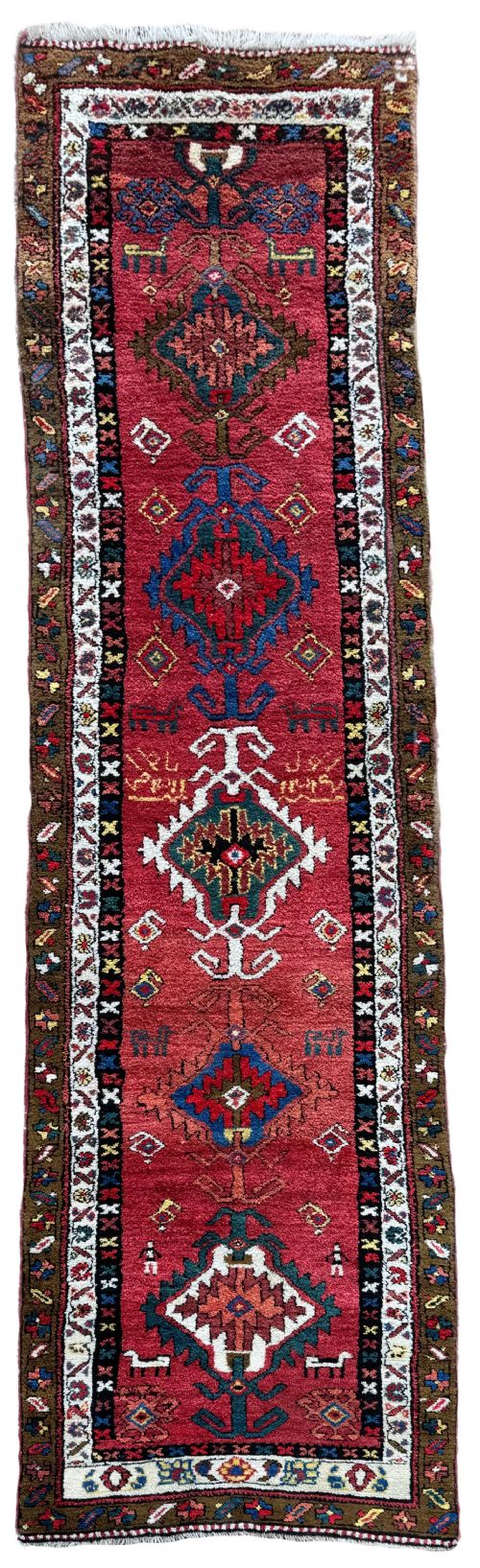
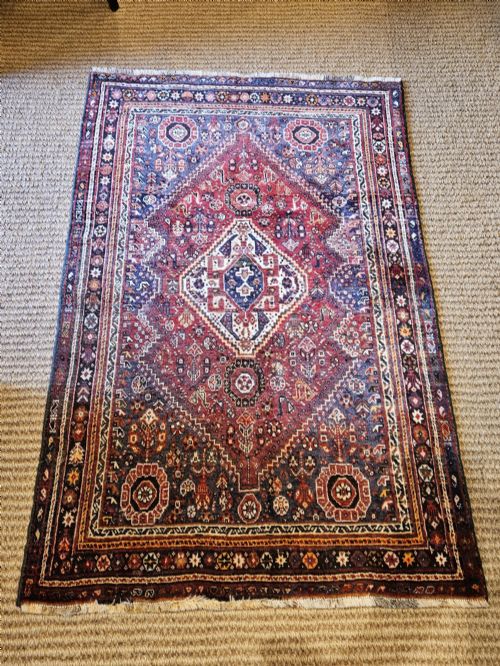
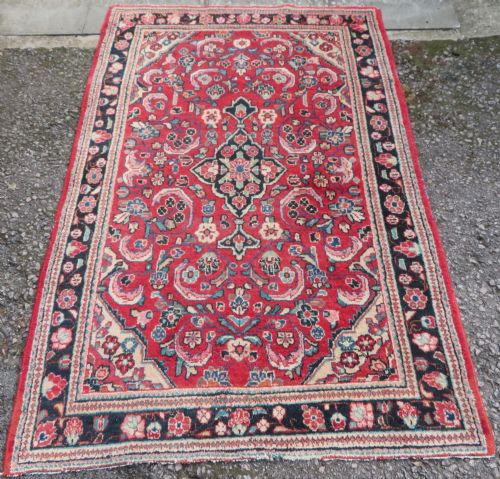
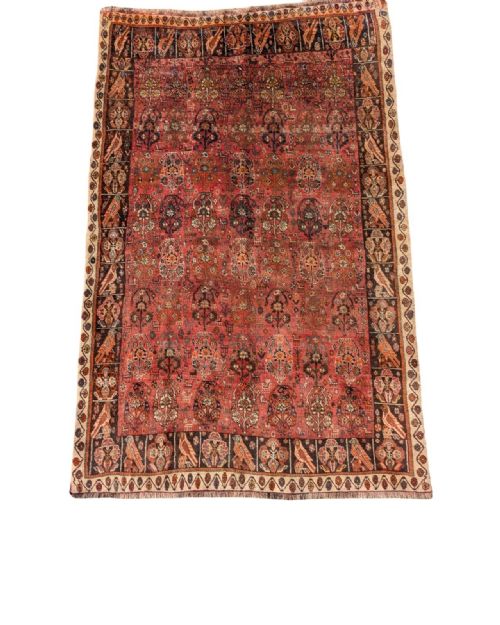
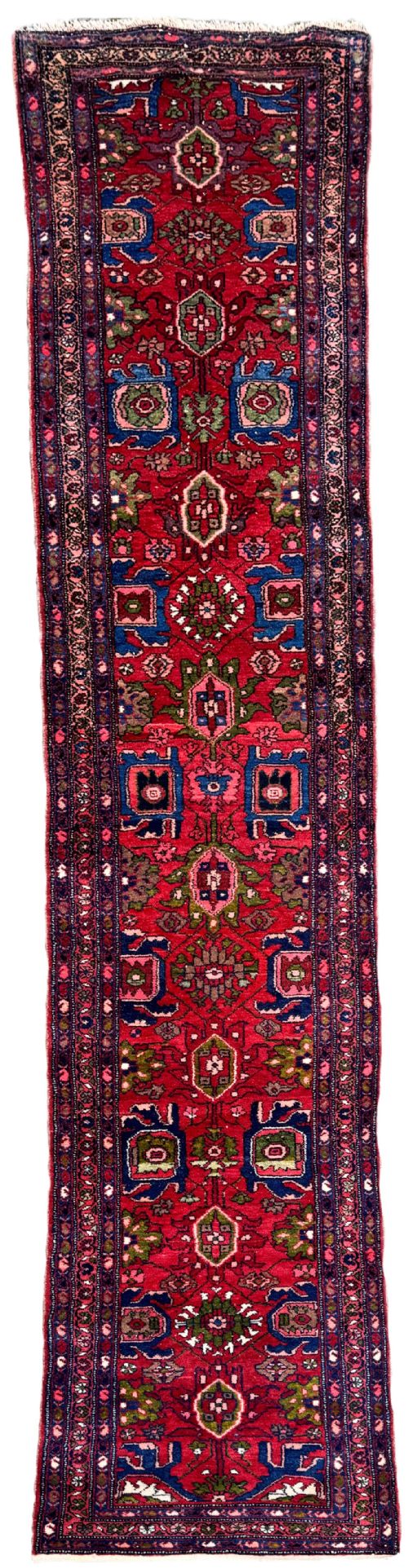
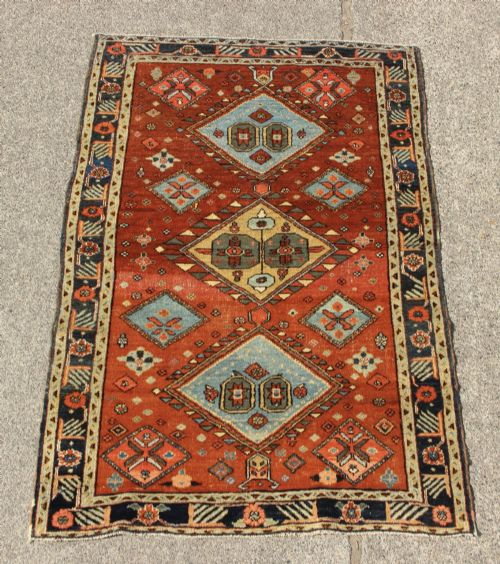
A red persian carpet runner is a long, narrow textile designed for hallways, landings and narrow spaces. These pieces span periods from the nineteenth century through the early decades of the twentieth century. They originate from various regions including Heriz, Hamadan, Saroukh and Kurdish or Baluch tribal areas.
The format focuses on linear utility, framing corridors with rich reds, rust backgrounds and intricate motifs. Buyers encounter traditional Persian designs, tribal patterns and geometric layouts handed down through generations of weavers. Each runner reflects the specific heritage of its weaving community.
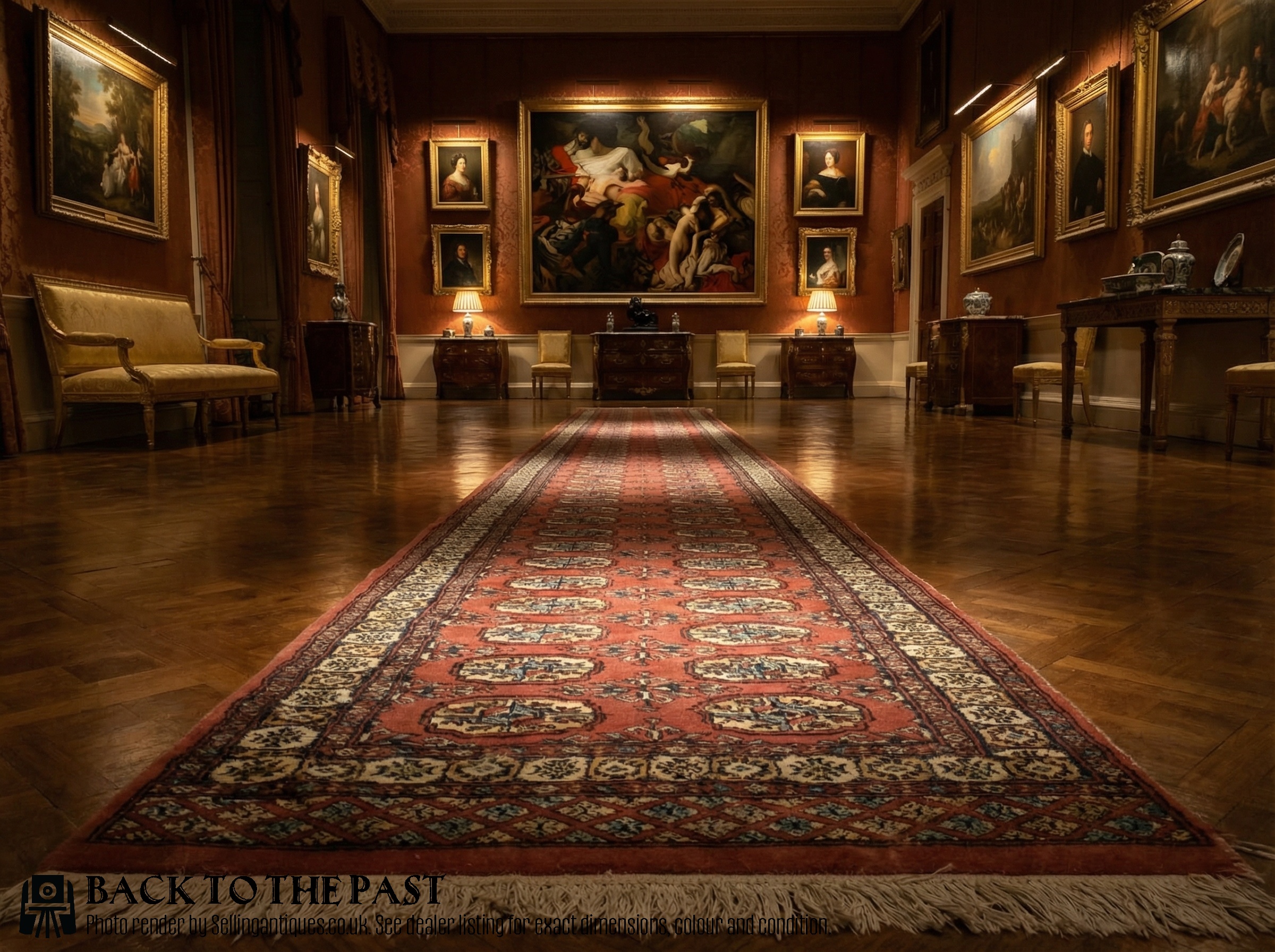
What varies in quality
Knot density and precision of execution distinguish finer village and tribal pieces from standard production. The clarity of geometric or floral motifs and the depth of the red dye affect the overall visual impact.
Condition plays a role, with some runners showing patinated wear or distress from age. The handling of borders and the balance of the central field design indicate the weaver's skill.
Listings feature wool and cotton materials across periods spanning from the nineteenth century to the mid-twentieth century.
The Red Persian Carpet Runner Glossary
- Runner
- A long, narrow carpet format specifically suited for hallways, stairs and corridors. This shape guides movement through domestic spaces.
- Pile
- The upright yarn surface of a carpet formed by knotted wool fibres. A dense pile provides durability underfoot.
- Boteh
- A traditional almond-shaped or paisley motif representing a floral shoot or cypress tree. This pattern appears frequently in traditional designs.
- Foundation
- The underlying structure of warp and weft threads that supports the knotted pile. Cotton is commonly utilised for this structural grid.
- Tribal
- Describing pieces made by nomadic or semi-nomadic groups rather than urban workshops. These items often display geometric memory patterns.
Red Persian Carpet Runner: Frequently Asked Questions
Where should I place a runner?
These long carpets suit narrow spaces such as hallways, corridors and long landings where linear textiles soften wooden floors. They protect high-traffic areas while introducing traditional pattern and colour.
Ensure the dimensions match your floor space, leaving a uniform margin of exposed floorboards or tiles on either side.
How do I date these carpets?
Dating relies on stylistic markers, structure, dye types and regional weaving characteristics recorded in the listings. Pieces span from the nineteenth century into the early twentieth century.
Examine the construction materials and wear patterns to understand the age and origin of each individual textile.
Are these runners durable?
Hand-knotted wool construction provides natural resilience, making these textiles suitable for domestic corridors and stairways. The materials withstand regular walking when properly maintained with an appropriate underlay.
Professional cleaning and careful placement preserve the integrity of the wool pile over years of daily use.
What causes colour variation?
Natural dyes react to light, wool quality and time, creating subtle tonal shifts known as abrash across the red fields. These variations occur naturally in traditional dyeing processes.
Such shifts indicate organic dye methods rather than uniform chemical colouring.