
Red Oil on Canvas
When you search for red oil on canvas, you encounter centuries of portraiture and still life driven by rich crimson pigments.
Red Oil on Canvas
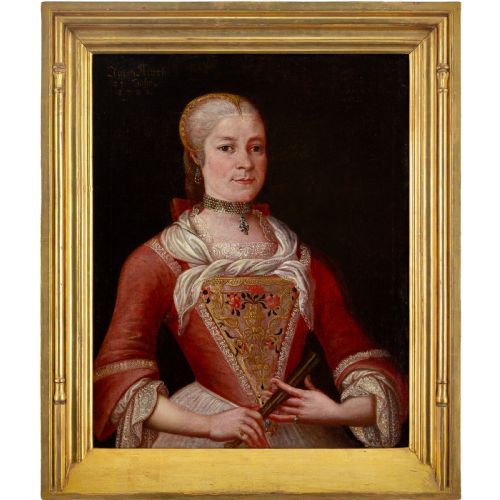
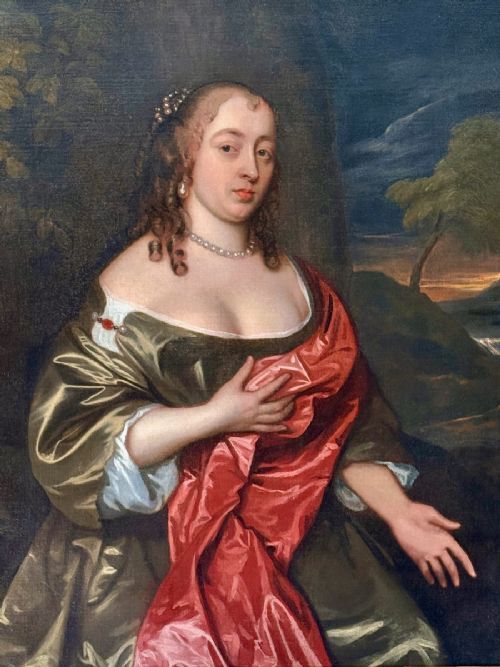
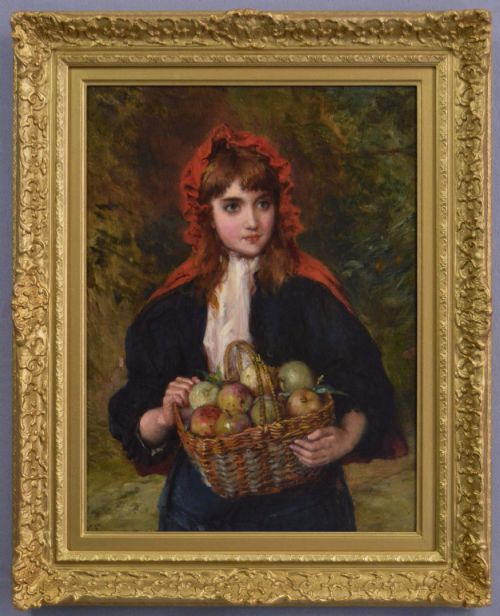
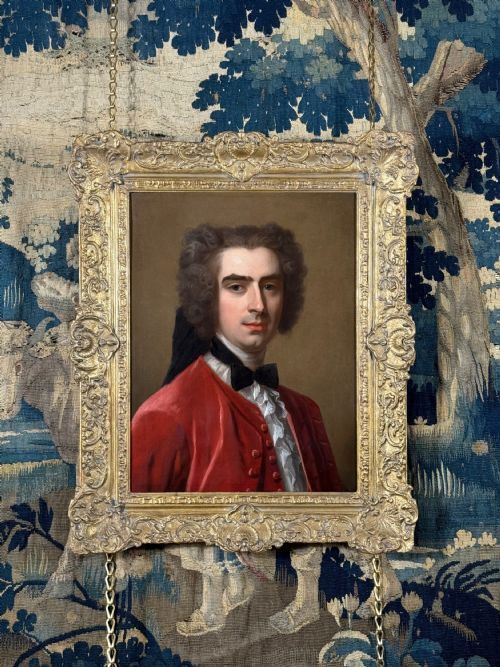
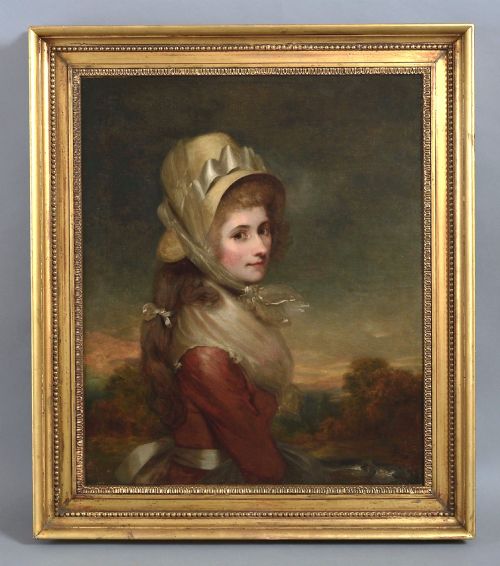
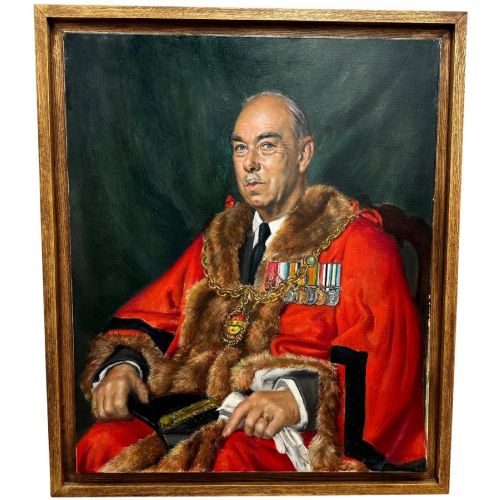
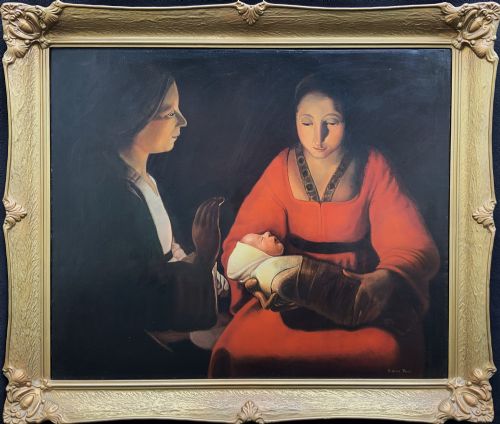
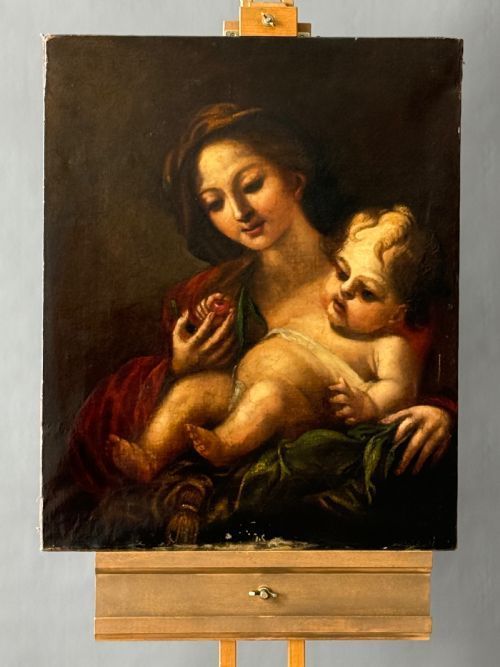
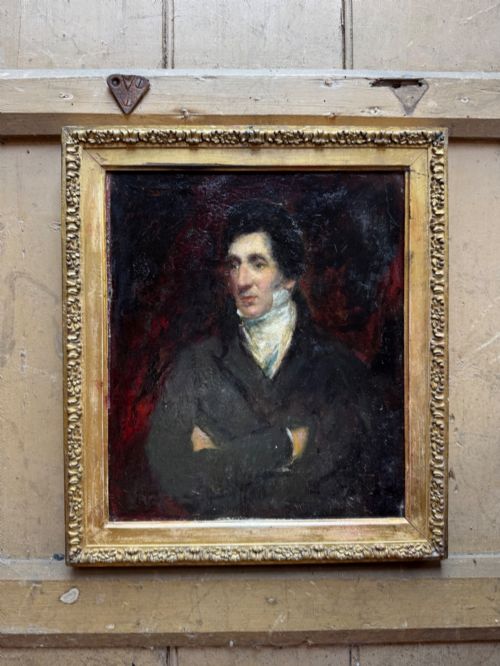
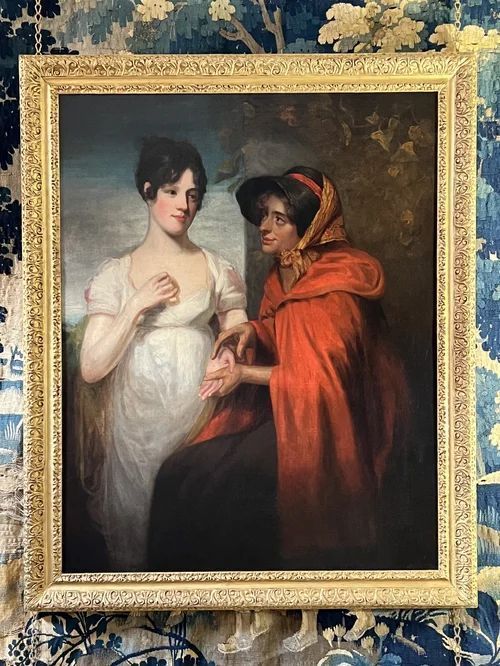
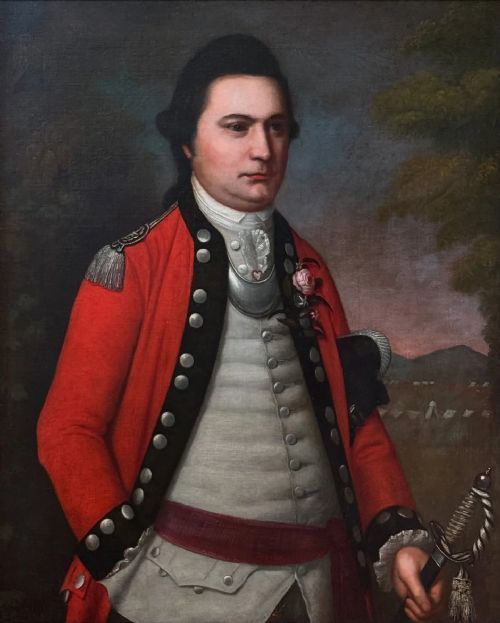
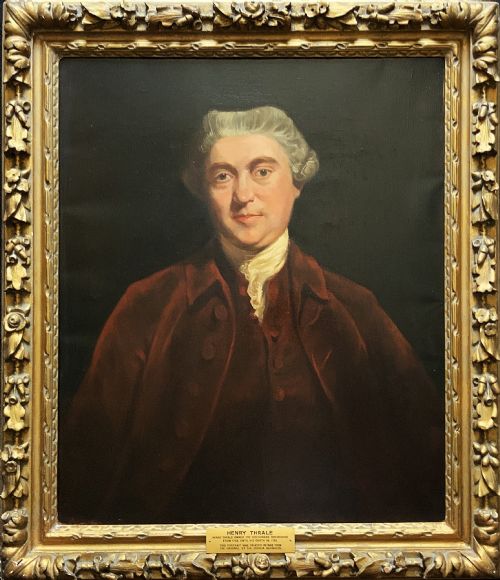
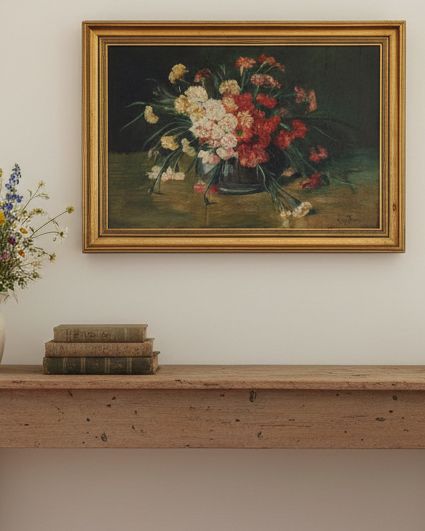
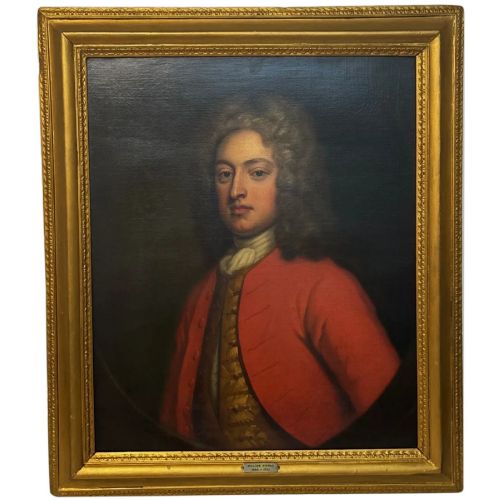
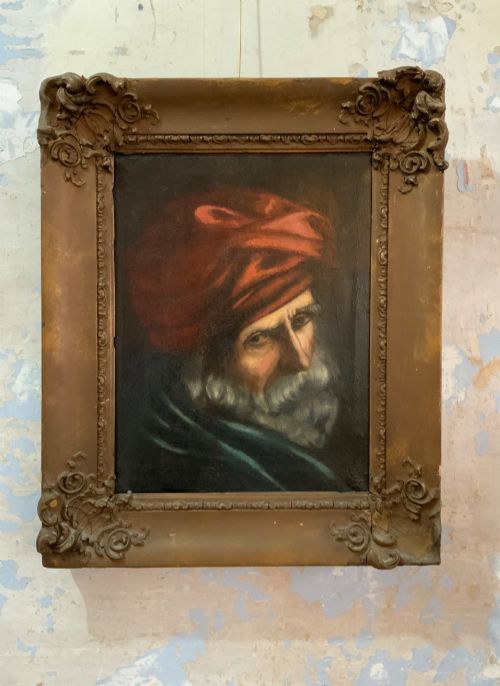
The works gathered here under red oil on canvas span from the seventeenth century through to the mid twentieth century, encompassing formal portraits, genre scenes, and still lifes. You will frequently encounter military officers in scarlet coats, noble subjects draped in crimson velvet, and floral studies dominated by bold red blooms.
Portraiture forms the backbone of these listings, often capturing subjects from the British, French, and Italian schools. Alongside these human subjects, you find landscapes and maritime views where artists utilise red elements, from rustic red brick buildings to the red sails of fishing boats.
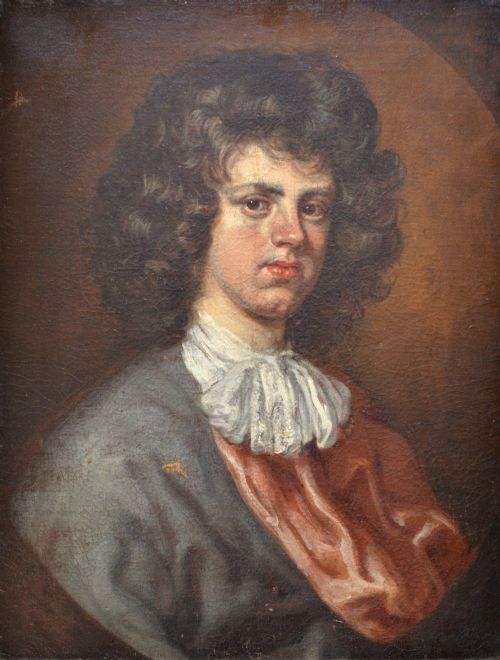
The selection ranges from early eighteenth century old masters to modern British and surrealist compositions. Whether viewing a naive depiction of a child in a red dress or a grand baroque portrait, each piece displays the enduring appeal of oil paint on a woven fabric support.
How They Were Made
Artists built these paintings upon a stretched canvas support, applying layers of oil paint mixed from ground pigments and drying oils. This medium allowed painters to achieve deep translucent glazes, particularly effective when rendering the rich reds of garments, drapery, and floral arrangements.
Many of these works retain their original wood or giltwood frames, which often complement the warm tones within the painted surface. The physical structure relies on traditional stretcher frames that hold the woven canvas taut over the centuries.
Listings feature canvases spanning from the seventeenth century through the modern era, employing oil paint on woven supports.
What Varies in Quality
The distinction between standard works and masterworks rests upon the confidence of the brushwork and the depth of the pigment layering. Superior pieces display a sophisticated handling of light across red drapery, whereas lesser examples rely on flat tones without transitional shading.
Anatomical precision and the liveliness of expression separate workshop productions from prime examples by named painters. The preservation of the original canvas surface, free from heavy overpainting, dictates the enduring visual strength of the piece.
John Hayls·William Oliver·Jean-Baptiste Van Loo·Sir Martin Archer Shee·Bernard Hailstone·Georges de La Tour·John Opie·Stickland Lowry·Mary Beale·Sir Joshua Reynolds·Sir James Campbell·Charles-Antoine Coypel·John Wootton·Thomas Hudson·Sir Thomas Lawrence·John Greenhill·Allan Ramsey·Anton Weiss·Bernardino Luini·Charles Jervas·Lucy Pratt·Ian Parker·Vladimir Aldoshin·Sir Peter Lely·Robert Cleminson
The Red Oil on Canvas Glossary
- Canvas
- A heavy woven fabric, usually linen or cotton, stretched tightly over a wooden frame to serve as the foundation for painting. It provides a textured surface that interacts with layers of oil paint.
- Giltwood
- Wood carved and coated with a thin layer of gold leaf or gold paint. This finish frequently adorns the ornate frames housing historic oil paintings.
- Old Master
- A European painter of skill who worked before about eighteen hundred. These artists established the classical composition and glazing techniques seen in early portraiture.
- Genre Painting
- A pictorial work depicting scenes from everyday life, ordinary people, or domestic settings rather than grand historical or mythological subjects. These often capture subjects engaged in common daily tasks.
Red Oil on Canvas: Frequently Asked Questions
What subjects appear most often?
Portraits of military officers, nobility, and ladies dominate the selections, alongside still lifes featuring red flowers and fruit. Artists frequently used crimson garments to draw the eye.
You also find landscapes incorporating red architectural elements or boats against coastal backdrops.
How should I care for these paintings?
Keep the canvas away from direct sunlight and sudden temperature shifts to protect the oil medium and prevent wood frame warping. Display them in stable indoor environments.
Dust the surface gently with a soft dry brush and avoid using chemical cleaning liquids on the paint.
How are periods told apart?
Seventeenth and eighteenth century works lean towards formal posture, dramatic drapery, and rich glazing. Twentieth century examples introduce looser brushwork and modern colour palettes.
Costume details, periwigs, and framing styles also offer clear indicators of the era.
What defines a portrait study?
A portrait study focuses primarily on capturing the likeness and expression of an individual, often concentrating on the head and shoulders. These works showcase the artist's ability to render skin tones and lighting.
Many historic studies served as preliminary work for larger commissioned paintings or as standalone records.