


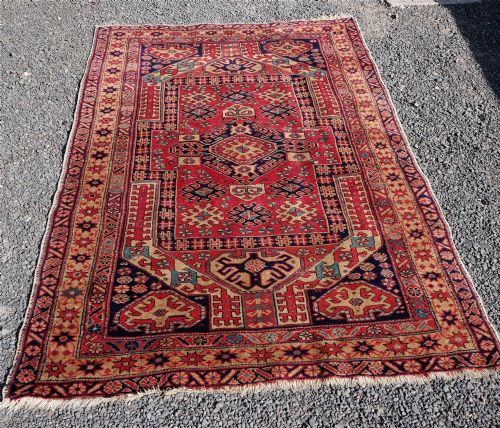
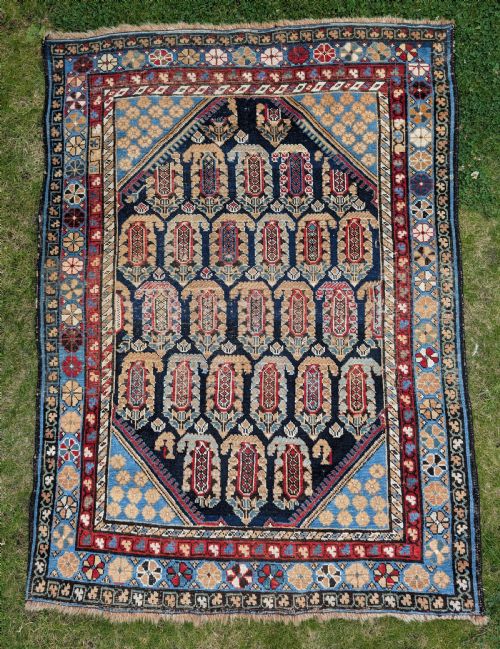
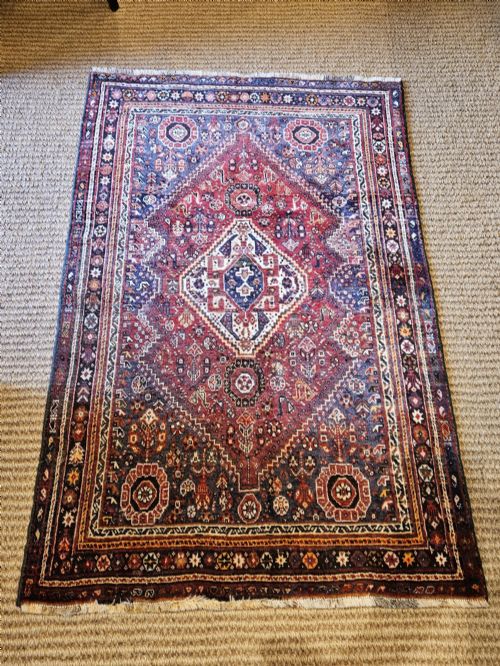
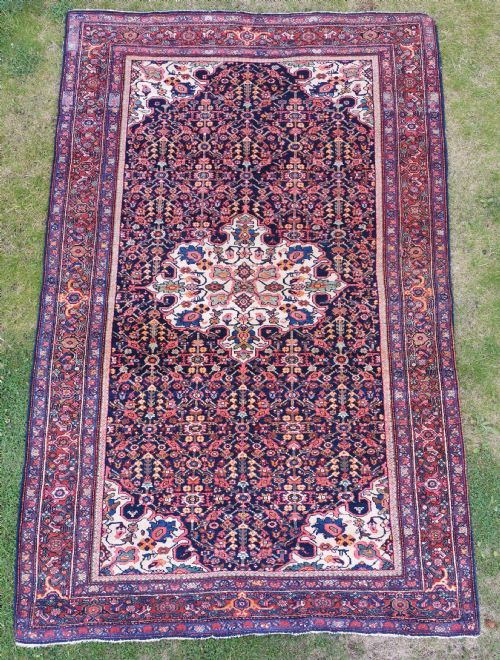
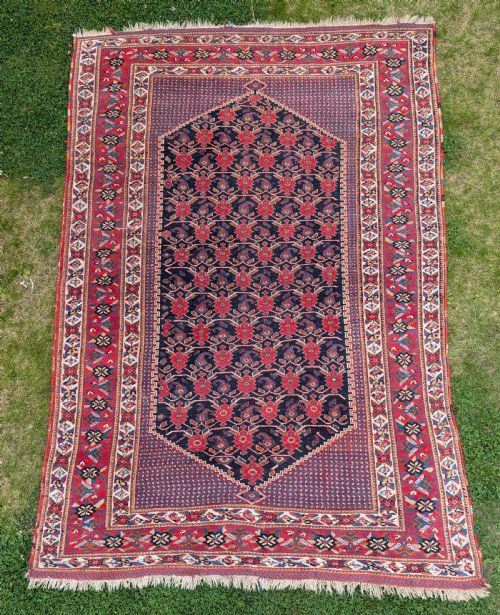
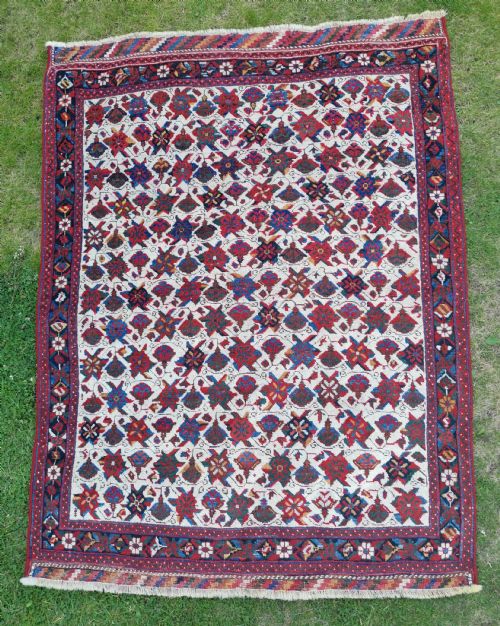
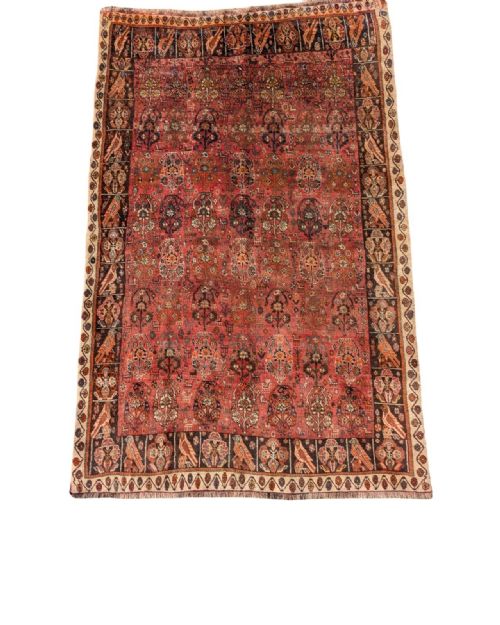
Red Navy Wool Rug
These red navy wool rug pieces bring rich colour and tribal character to a floor, offering warmth and genuine history.
Red Navy Wool Rug
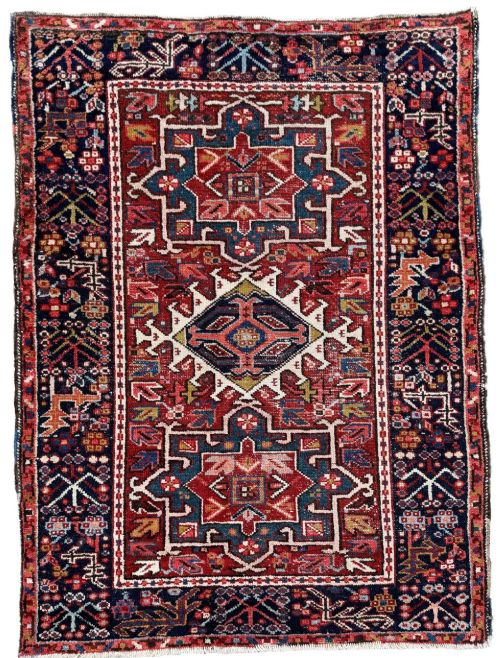
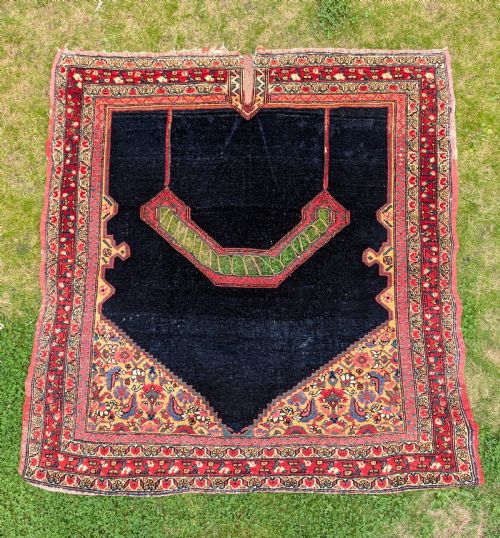
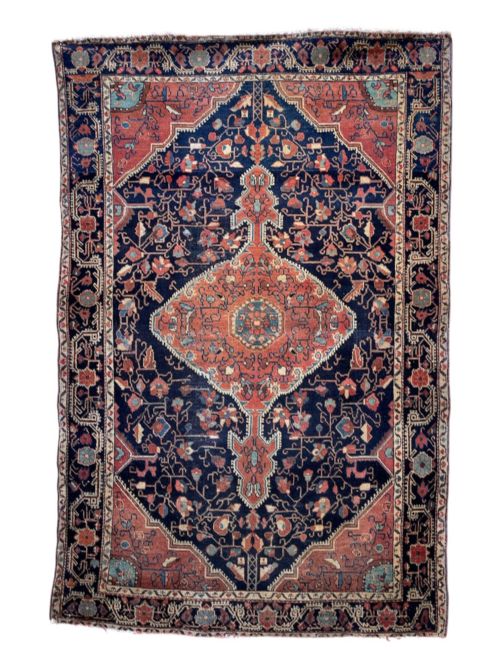
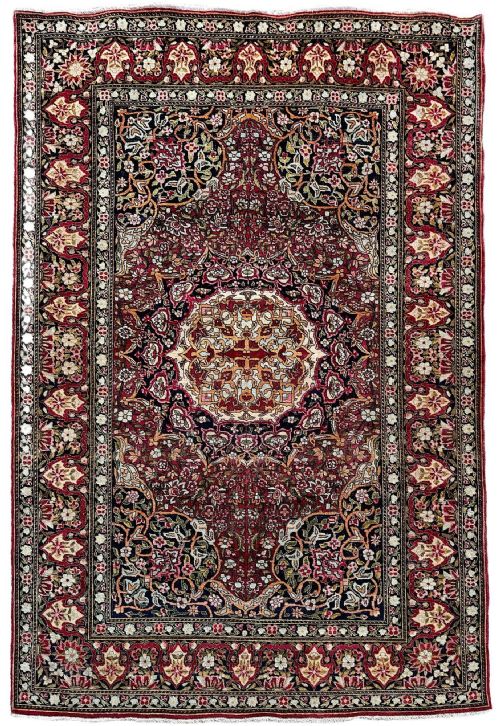
A red navy wool rug selection brings together floor coverings from Persian tribal, Caucasian, and Balkan Ottoman traditions. These pieces span from the late nineteenth century through to the early decades of the twentieth century, covering varied regional designs.
The most common forms you will encounter here include scatter rugs, room-size carpets, saddle covers, and kilims. Each example reflects the distinct weaving heritage of its particular provenance, such as Baluch, Shirvan, Qashqai, or Senneh.
Construction and materials
Makers utilised natural wool for the primary pile, often combining it with cotton foundations or incorporating camel hair for specific background tones and texture. Selected pieces also integrated silk elements to add subtle sheen and detail to the woven surface.
Weavers employed traditional knotting and flatweaving techniques passed down through generations within tribal and village workshops. These artisanal methods ensured durable structures designed to withstand daily use while maintaining intricate geometric and floral patterns.
Red Navy Wool Rug Retail Price Guide 2026
Typical asking prices for red navy wool rug among the pieces listed under this phrase on Sellingantiques today, from the lower quarter to the upper quarter. They describe what is for sale here now, not the wider market.
Current listings span the nineteenth century through to the nineteen-twenties, incorporating wool, cotton, silk, and camel hair materials.
Assessing quality and merit
Quality rests in the precision of the knotting, the saturation and depth of the natural dyes, and the clarity of the design motifs such as latch hooks and boteh patterns. Finer examples display superior wool preparation and tighter structural tension across the foundation.
The artistic expression of the weaver dictates the upper tier of the range, where individual character elevates a standard tribal pattern into a compelling visual work. Balance in composition and harmonious colour transitions distinguish the more accomplished village and nomadic pieces.
The Red Navy Wool Rug Glossary
- Kilim
- A flatwoven carpet or rug produced without a pile by tightly interweaving warp and weft strands. This technique creates a lightweight, reversible textile with sharp geometric motifs.
- Boteh
- A traditional Persian motif resembling a almond, pear, or curved pine cone. It appears frequently in tribal and village weaving as a symbol of life and eternity.
- Latch hook
- A stepped geometric embellishment attached to the edges of medallions or borders. This common tribal design device adds visual dynamism to central fields.
- Warp
- The vertical threads stretched taut on a loom before weaving begins. The foundation yarns hold the entire structural integrity of the knotted pile.
Red Navy Wool Rug: Frequently Asked Questions
Where should I place a tribal rug?
These pieces suit low-traffic living areas or studies where their rich palette and historical character can be appreciated without excessive wear. Using a proper underlay helps protect the natural fibres.
Position them on wooden floors or neutral carpets to allow the distinct red and navy tones to anchor the room's decorative scheme.
How do I clean an old wool rug?
Gentle surface brushing and regular light vacuuming without a rotating beater bar remove embedded dust and prevent fibre damage. Professional specialist cleaning remains essential for deep maintenance.
Avoid chemical spot treatments or soaking the foundation, as traditional natural dyes can bleed when exposed to excessive moisture.
How can I tell a tribal rug's origin?
Look to the specific structural traits, palette choices, and recurring motifs such as latch hooks or specific floral lattices. Baluch and Qashqai pieces often display distinct regional colour combinations and wool qualities.
Examining the selvedges and fringe finishes also provides clues regarding the nomadic or village workshop where the weaving took place.
What does camel hair add to a rug?
Untreated camel hair provides a characteristic warm, golden-brown background ground colour that differs from standard dyed wool. It offers a soft handle and natural durability.
Weavers utilised this material in specific regional pieces, such as Baluch rugs, to create subtle tonal contrast against deeper red and navy elements.