


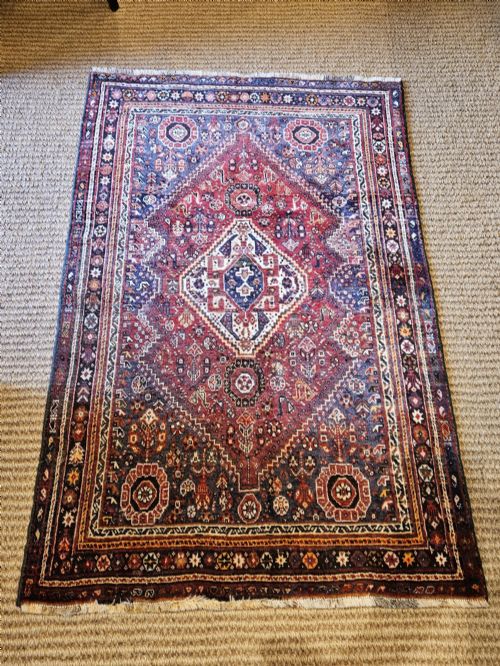
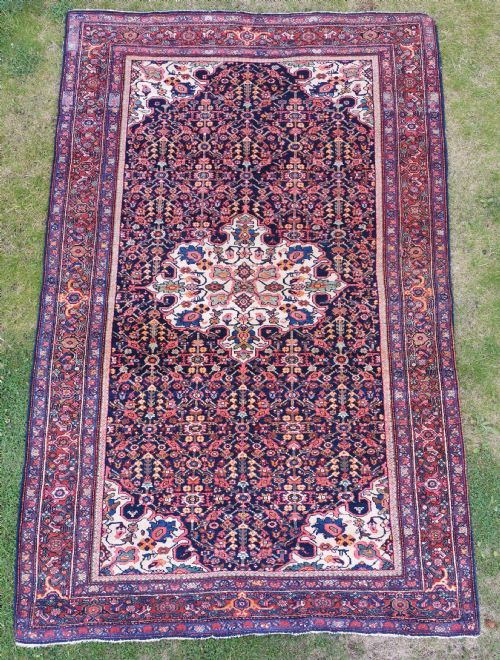
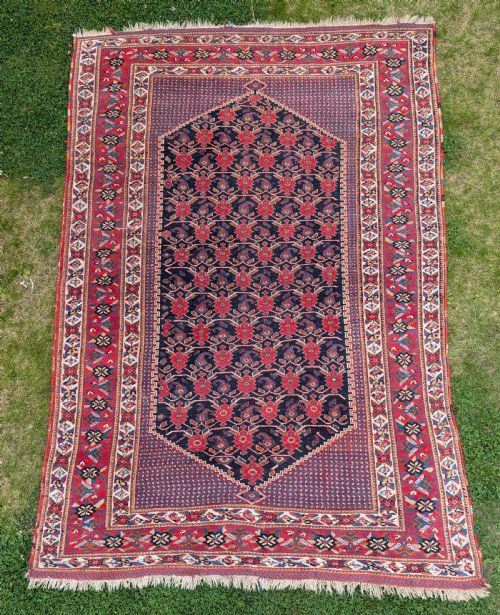
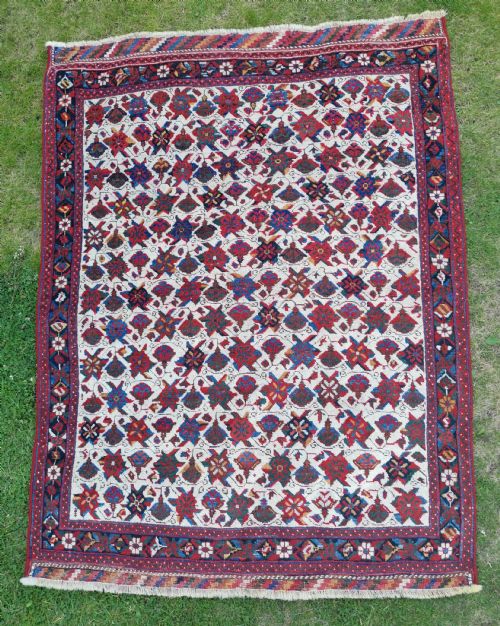
Red Navy Oriental Carpet
A red navy oriental carpet brings deep indigo and crimson tones to a floor, offering durable wool and intricate hand-knotted patterns.
Red Navy Oriental Carpet
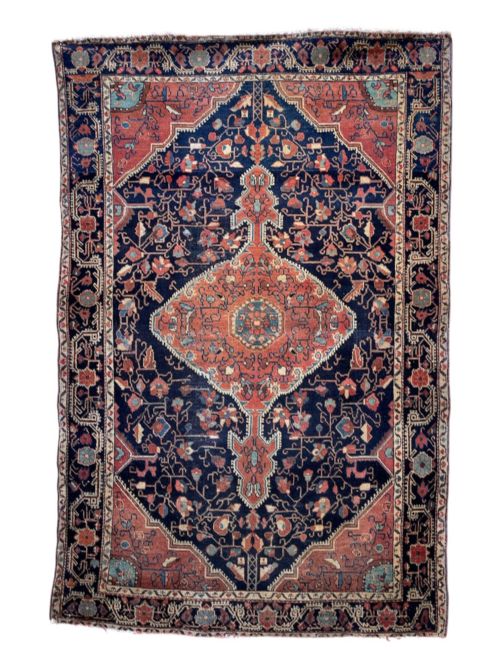
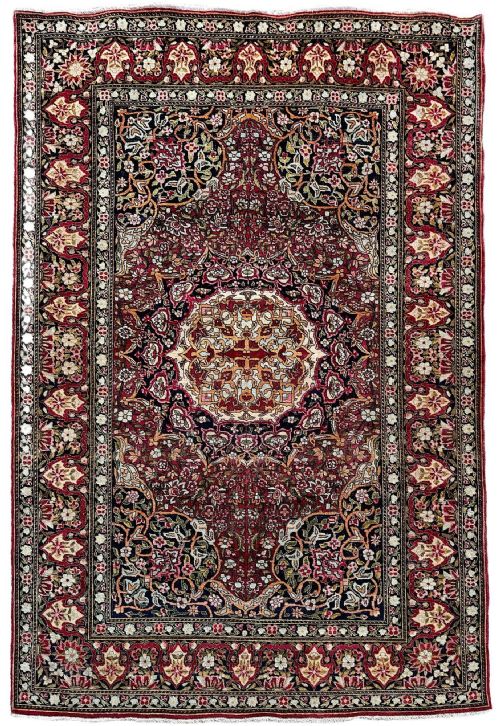
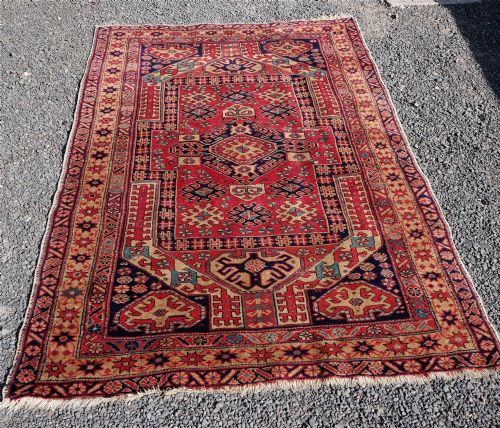
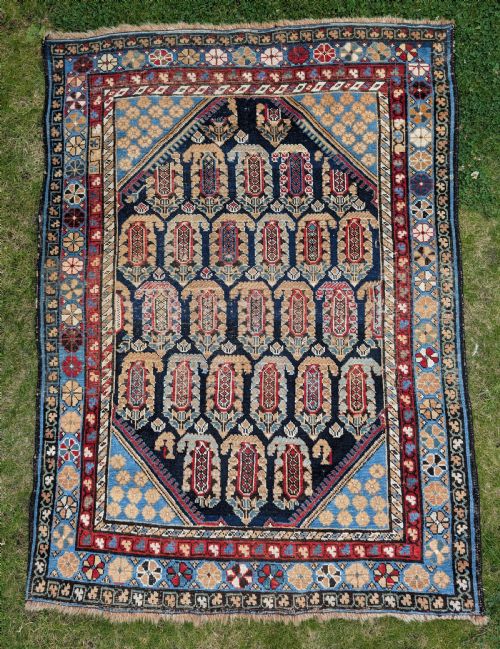
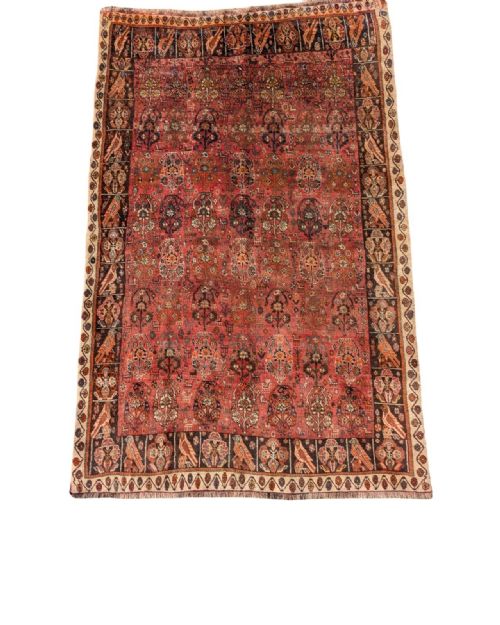
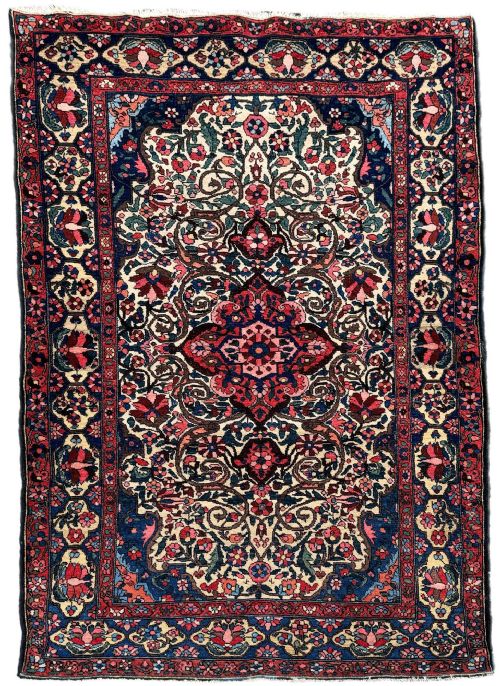
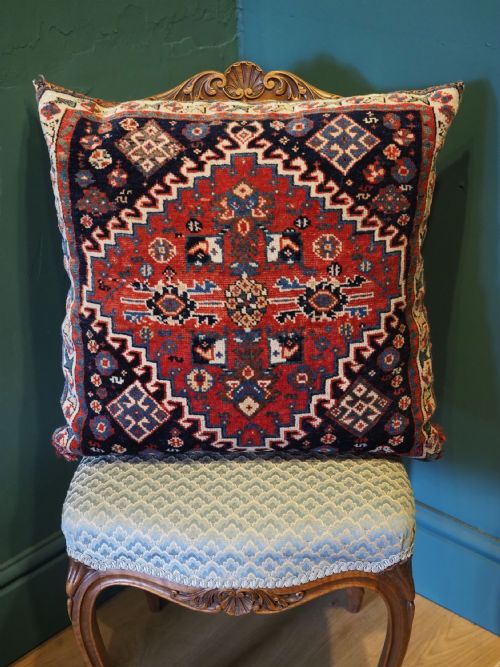
When you search for a red navy oriental carpet, you encounter hand-knotted floor coverings spanning the nineteenth and twentieth centuries. The selection encompasses large area carpets, hallway runners, scatter rugs, and occasional cushions from Persian and Caucasian traditions.
You meet pieces originating from tribal workshops and village centres, including Heriz, Afshar, Bakhtiar, and Baluch weaves. These items range from compact prayer rugs to very large room-sized carpets dating back to eighteen-fifty.
How they were made
The weavers utilised wool, cotton, and occasionally silk, hand-knotting the pile onto sturdy foundation warps and wefts. This construction method creates a dense, resilient textile designed to withstand generations of daily use.
Natural dyestuffs provided the characteristic deep red and navy blue tones that define these oriental carpets. Hand-weaving techniques ensured that geometric medallions and floral motifs remained crisp and permanent within the fabric.
Listings span from eighteen-fifty through the nineteen-sixties, incorporating wool, cotton, and silk materials across Persian and Caucasian styles.
What varies in quality
Knot density and structural tightness dictate the durability and refinement of an oriental carpet. Finer examples display precise geometric symmetry and smooth, even pile wear across the entire surface.
The sophistication of the design, whether a complex Serapi medallion or a tribal prayer layout, separates standard utility rugs from exceptional collector pieces. Original edge bindings and intact fringes also elevate the status of an antique carpet.
Saroukh·Heriz·Isfahan·Kashan·Bakhtiar
The Red Navy Oriental Carpet Glossary
- Medallion
- A central decorative motif placed in the middle of the carpet field. It usually adopts a geometric or floral shape.
- Prayer rug
- A small format textile featuring a mihrab or arch design indicating the direction of prayer. These pieces were often used for personal devotion.
- Runner
- A long, narrow carpet format designed specifically for hallways and corridors. They guide movement through domestic spaces.
- Pile
- The vertical tufts of wool or silk that form the soft surface of the rug. It is created by knotting yarn onto the foundation.
- Warp
- The longitudinal threads stretched tightly on the loom before knotting begins. The fringe of a finished rug is typically formed from these extended threads.
Red Navy Oriental Carpet: Frequently Asked Questions
How do I clean a wool carpet?
Vacuum gently without a rotating brush roll to remove everyday grit and dust.
Professional specialist cleaning is recommended for deep washing to protect the natural wool fibres.
Can I place these rugs in hallways?
Many examples are specifically woven as runners or narrow formats suited for heavy foot traffic.
Using an appropriate underlay prevents slipping and cushions the wool pile against hard floors.
How do I tell Heriz and Serapi carpets apart?
Serapi carpets represent an earlier, coarser, and bolder geometric style originating from the Heriz region.
They typically feature more open fields and softer, muted vegetable dyes compared to later Heriz productions.
What is a prayer rug used for?
These smaller pieces were traditionally used by individuals for daily ritual prayers in homes or travels.
The distinctive arch design or mihrab points toward Mecca when the textile is laid flat.