




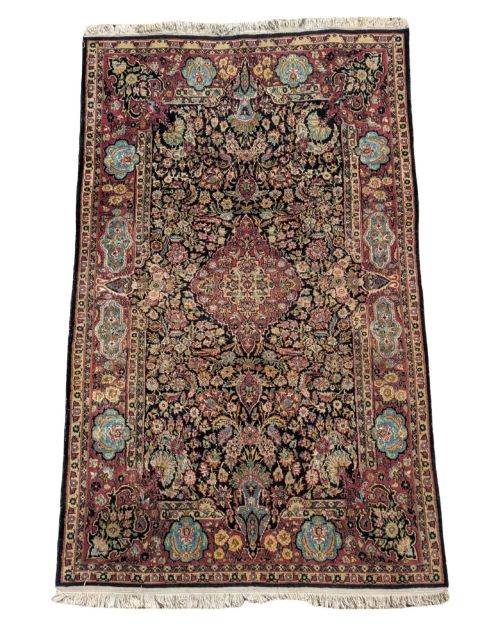
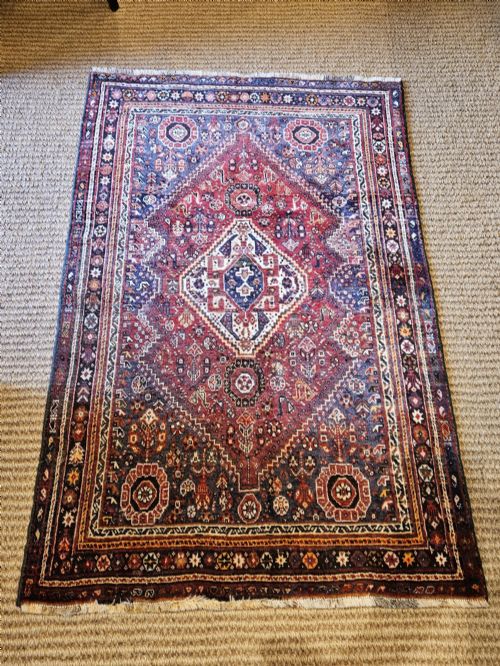
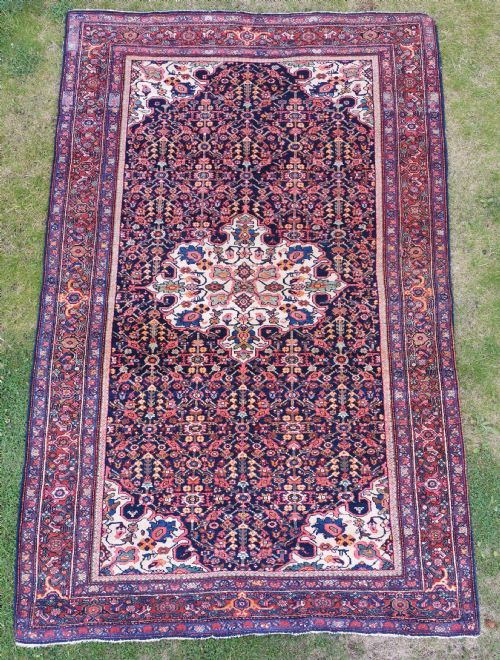
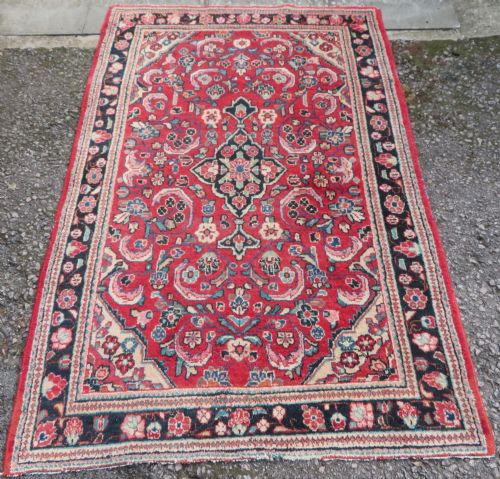
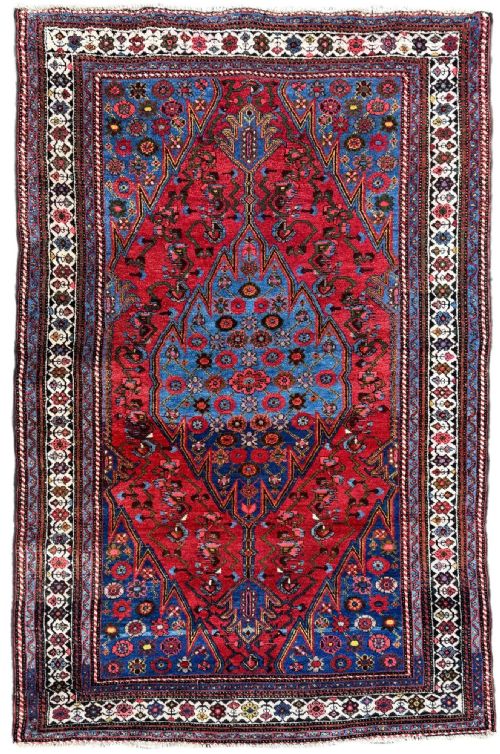
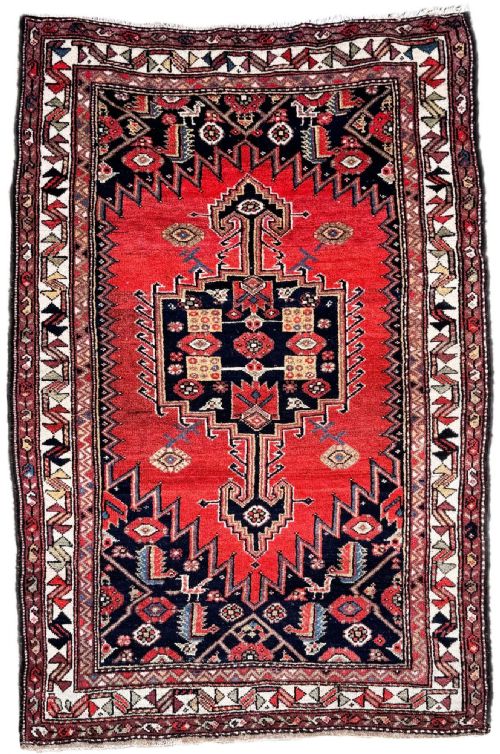
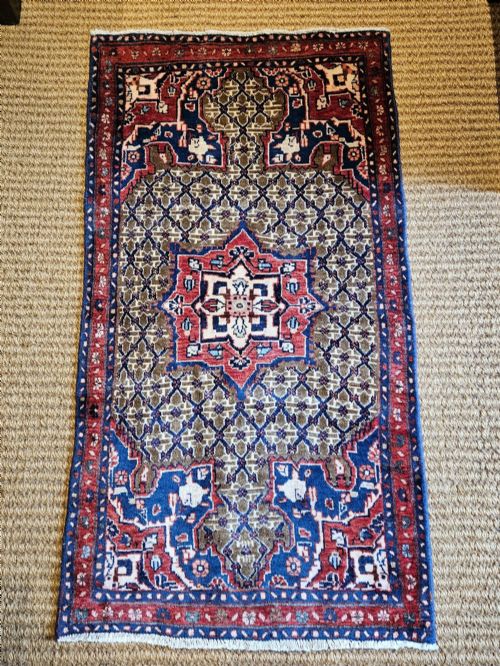
Red Medallion Persian Rug
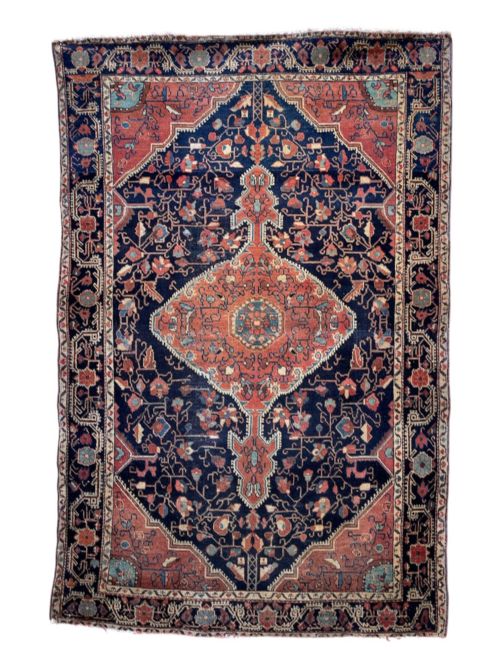
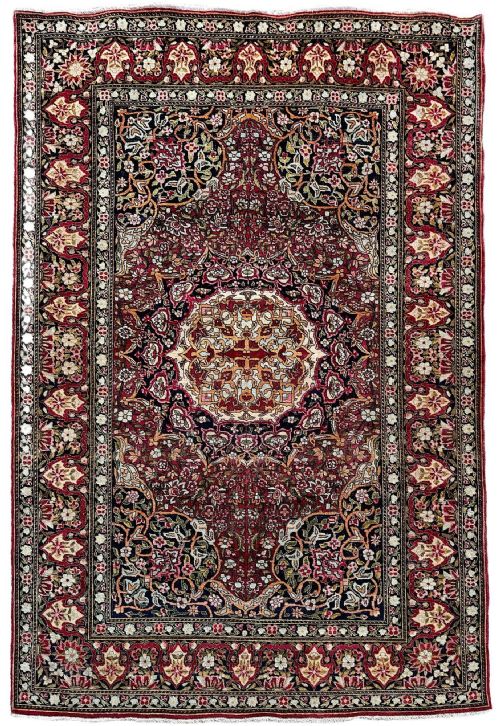
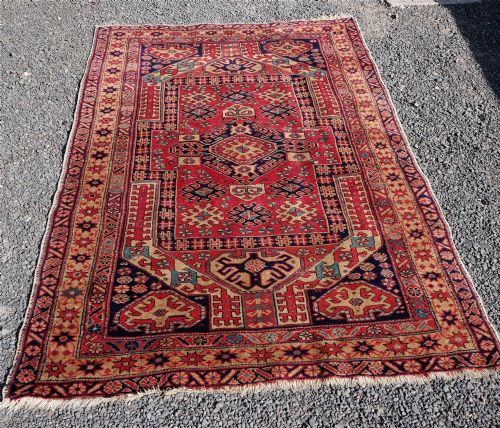
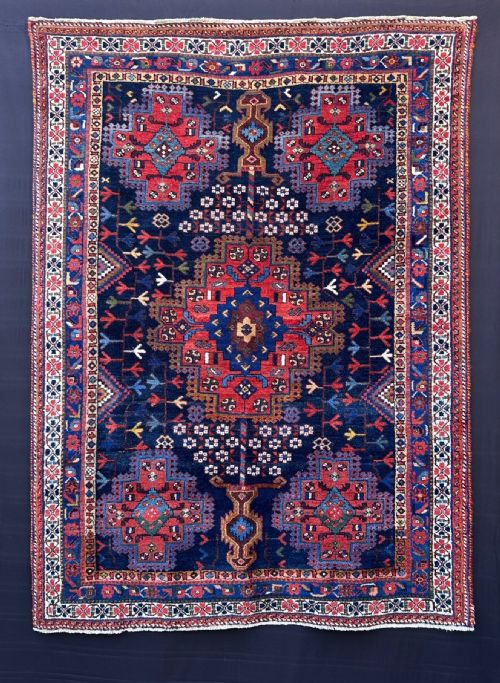
A red medallion persian rug brings centuries of village weaving tradition and rich central motifs directly onto your floor.
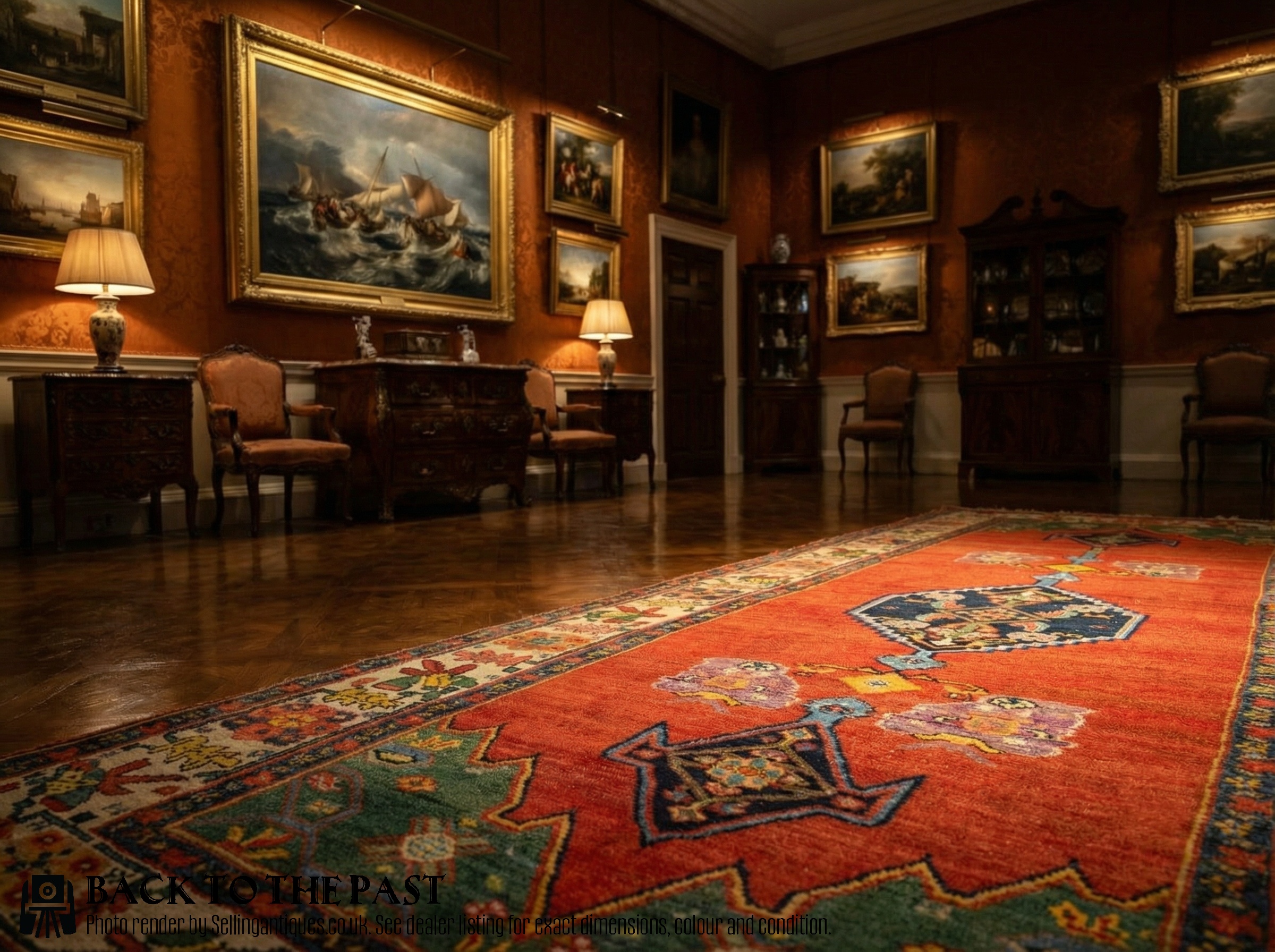
Red Medallion Persian Rug
A red medallion persian rug gathers woven traditions from specific regions and villages across Persia, spanning the nineteenth and twentieth centuries. These floor coverings arrive in forms ranging from small hearth sized mats and bagfaces to large carpets and long runner rugs. Styles stretch across Persian tribal, Heriz, Bijar, Bakhtiar, and traditional Anatolian classifications.
Most examples encountered here date from the late nineteenth century through to the 1940s, encompassing named village workshops such as Saroukh, Heriz, Khamseh, and Afshar. Buyers select these pieces for their enduring geometry, regional colour palettes, and historic hand-knotted construction.
How They Were Made
Makers utilised natural materials including wool, cotton, and occasionally silk highlights to build these textiles by hand. Wool provided the durable pile for warmth and heavy foot traffic, while cotton supplied a stable foundation for warp and weft threads.
Weavers knotted the pile yarn by hand around the foundation threads, occasionally incorporating techniques that produced geometric medallions or curved floral motifs. Finished edges and secured ends protected the structural integrity of each rug through generations of domestic use.
Several nomadic weavers tucked tiny protective amulets directly into the wool pile to ward off bad luck.
What Varies in Quality
The density and fineness of the hand knotting determine the clarity of the central medallion design and overall handling weight. Tighter knots allow intricate geometric precision and finer pattern details to emerge across the field.
The choice of wool and the depth of dye saturation dictate how gracefully the rug ages under foot. Superior materials maintain resilience and visual depth, whereas varying degrees of wear alter the pile texture and surface patina over time.
The Red Medallion Persian Rug Glossary
- Medallion
- A central ornamental design motif placed in the middle of the rug field. It forms the primary focal point of the composition.
- Warp
- The vertical foundation threads stretched lengthwise on the loom. Weft threads pass horizontally through them to secure the knots.
- Pile
- The upright cut or looped wool fibres forming the usable surface of the rug. Its height and density dictate the plushness.
- Bagface
- The decorated front panel of a storage bag produced by nomadic tribes. These smaller textiles were later adapted for wall or floor display.
- Runner
- A long and narrow carpet format designed for hallways and corridors. Dimensions emphasise length over width.
Red Medallion Persian Rug: Frequently Asked Questions
Where were these rugs made?
These pieces originated in various towns, villages, and nomadic regions across Persia and Anatolia. Specific production areas include Heriz, Saroukh, Khamseh, and Afshar.
Each region developed distinct weaving traits, colour combinations, and geometric vocabulary that identify their geographical roots.
How do I care for my rug?
Protect the textile by vacuuming gently without a rotating brush head and using a breathable rug underlay. Professional cleaning preserves the natural wool fibres.
Keep the piece out of direct sunlight to prevent uneven fading of natural dyes across the red background.
What periods do these pieces span?
The available selection primarily covers the late nineteenth century through the early decades of the twentieth century. Dates range from the 1880s up to the 1940s.
Older examples exhibit traditional regional dyeing methods and hand-spun materials characteristic of village workshops.
How are different regional types distinguished?
Distinctions rely on the specific geometric arrangements, structural density, and palette choices characteristic of different weaving centres. Heriz pieces often display bold architectural medallions, while tribal examples show looser village patterns.
Examining the weave structure on the reverse side reveals specific regional knotting habits and foundation materials.