



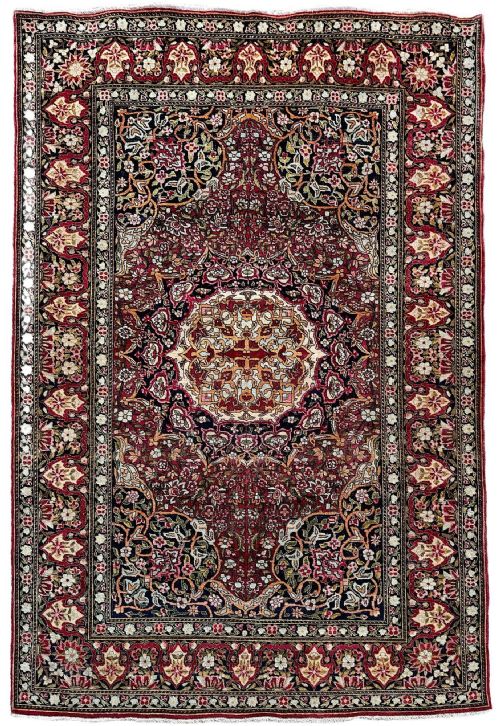
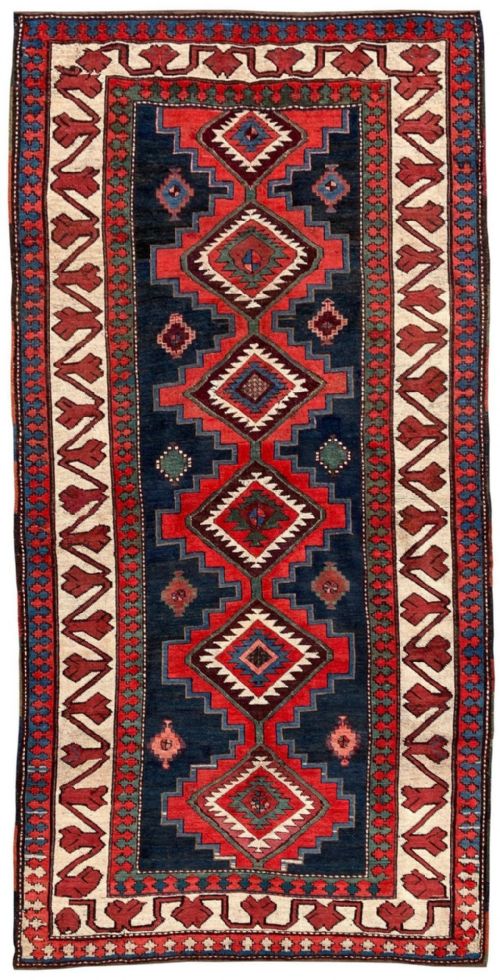
Traditional Knotted Area Carpet
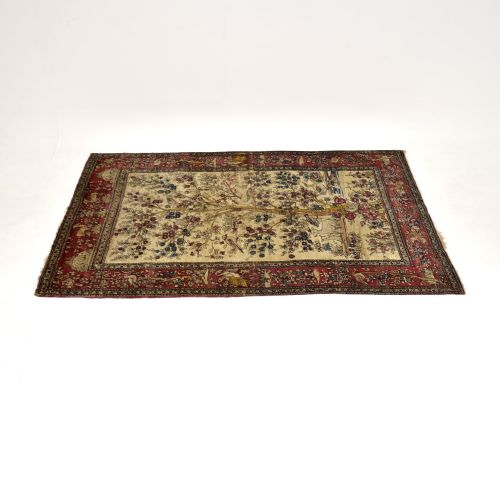
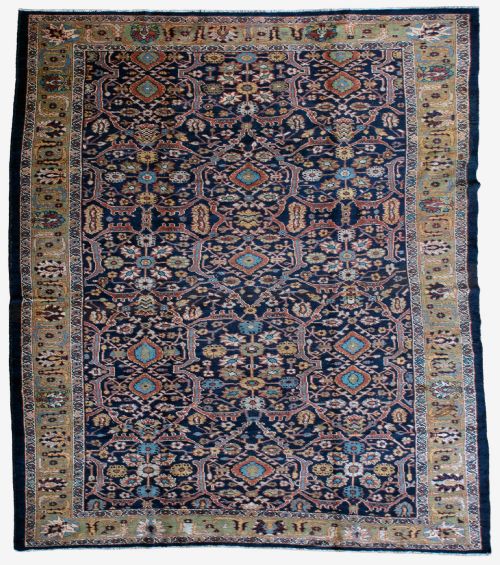
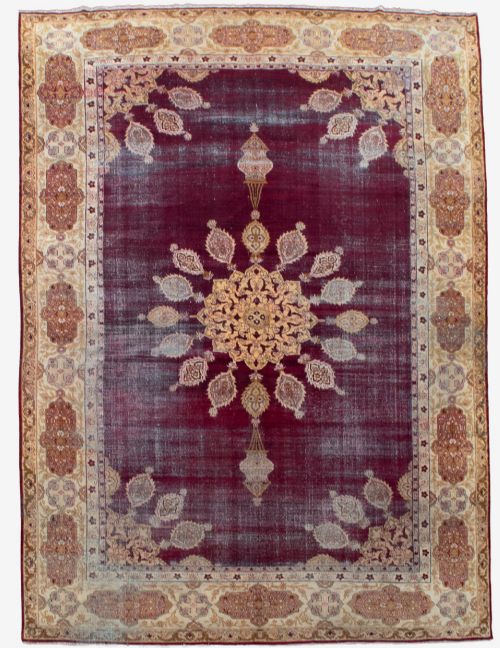
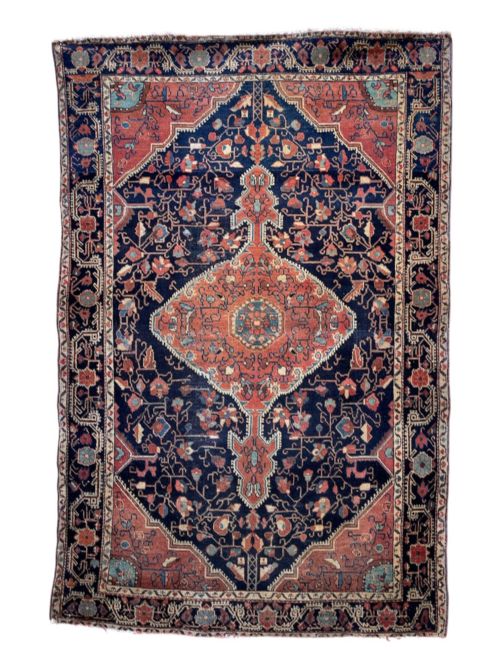
A traditional knotted area carpet brings centuries of regional weaving heritage straight to the floor, offering heavy wool construction and intricate geometric or floral patterns.
Traditional Knotted Area Carpet
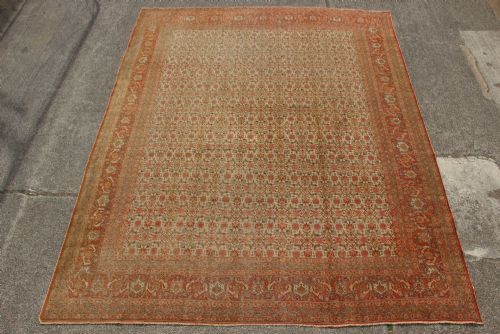
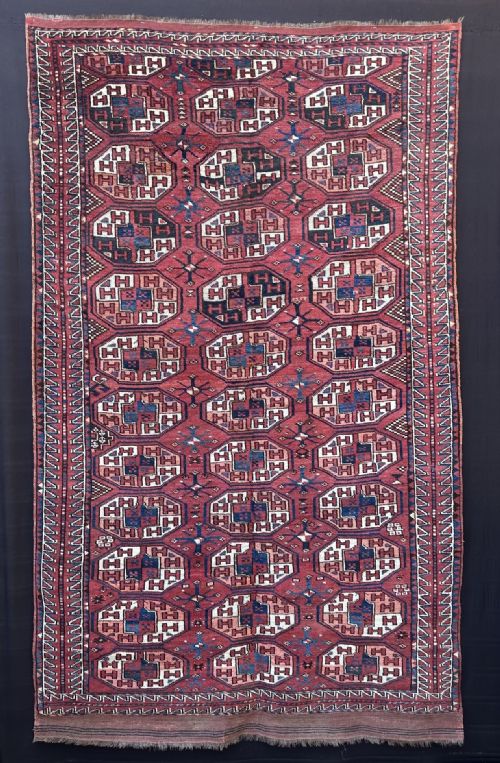
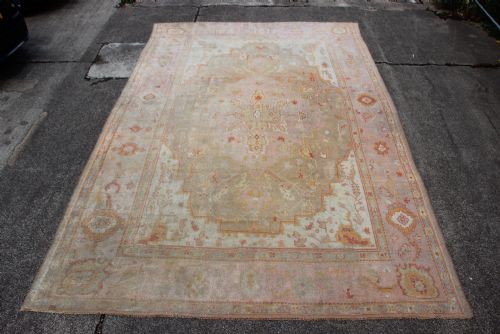
When you search for a traditional knotted area carpet, you encounter hand-woven floor coverings originating from Persia, the Caucasus, Turkmenistan, Turkey, and Tibet. These pieces date primarily from the nineteenth century up through the nineteen-thirties.
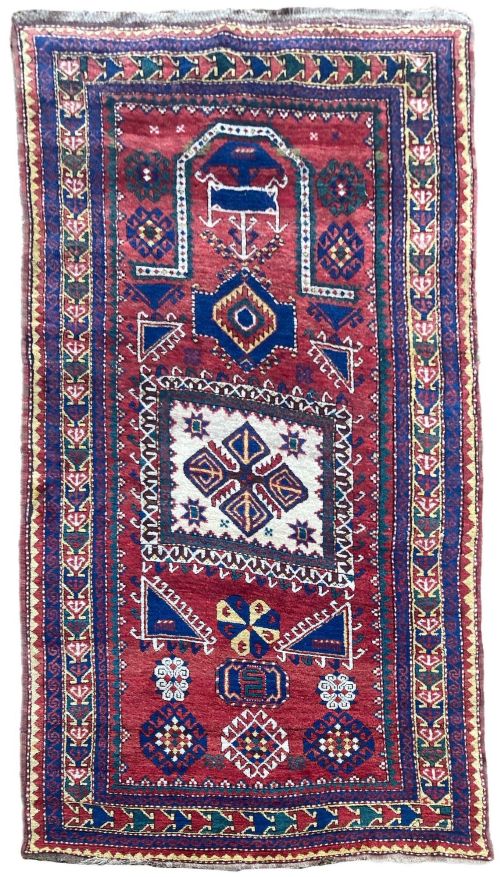
The inventory on this page spans large country house carpets down to hearth-sized prayer rugs and long runners. Persian workshops and tribal weavers from regions such as Heriz, Tabriz, and Kazak dominate the selection.
Buyers select these items to anchor a room with distinct historical character. The range includes large scale floral carpets and tribal geometric village rugs alike.
How they were made
Construction relies primarily on wool, occasionally supplemented by cotton foundations and highlights of silk. Weavers utilised hand-spun wool fibres paired with natural dyes to build deep, enduring colour palettes.
Every piece is hand-knotted, creating a dense pile built to withstand generations of domestic use. Artisans tied individual knots onto warp and weft foundations before securing the ends.
Several nomadic Turkmen and Baluch rugs include deliberate weaver errors or 'lucky breaks' in the border geometry to ward off the evil eye.
What varies in quality
Knot density and structural integrity dictate the upper tier of these textiles. Finer knots permit more intricate curved designs, particularly in workshop carpets from centres like Isfahan or Tabriz.
The purity and richness of the natural dyes influence visual longevity. Even wear across the wool pile and the survival of original outer selvedges mark superior examples.
The Traditional Knotted Area Carpet Glossary
- Prayer rug
- A smaller format rug featuring a mihrab or arch design, traditionally used for daily prayers. These pieces often display specific regional iconography.
- Mihrab
- The niche design found on prayer rugs that points toward Mecca. It forms the focal architectural motif of the field.
- Warp
- The vertical foundation threads stretched tightly on the loom before knotting begins. The fringe of the carpet typically consists of extended warp threads.
- Weft
- The horizontal threads passed alternately over and under the warp threads to bind the knots in place. Proper tension here ensures a flat, stable rug.
- Natural dyes
- Colourants derived from plants, insects, and minerals rather than synthetic chemicals. They produce softer, more harmonious tones that age gracefully.
Traditional Knotted Area Carpet: Frequently Asked Questions
How do I clean an antique rug?
Vacuum gently without using a rotating brush bar to protect the wool pile from unnecessary friction and pull.
Professional specialist cleaning is recommended for deep washing to preserve natural dyes and hand-knotted foundations.
Where were these rugs made?
Production spans traditional weaving centres and nomadic tribal regions across Persia, the Caucasus, Turkey, Turkmenistan, and Tibet.
Specific towns and tribes, such as Heriz, Kazak, and Yomut, developed distinct patterns and colour combinations.
Are these rugs suitable for heavy traffic?
Traditional knotted area carpets utilise dense hand-spun wool and sturdy foundations designed for decades of domestic use.
Placing a proper underlay beneath the rug prevents sliding and absorbs footstep impact to reduce fibre wear.
How do I date an older carpet?
Dating relies on stylistic analysis, material composition, structural clues, and the chemical signatures of natural dye palettes.
Nineteenth-century pieces often display specific tribal motifs and softer vegetable dye hues distinct from later productions.