

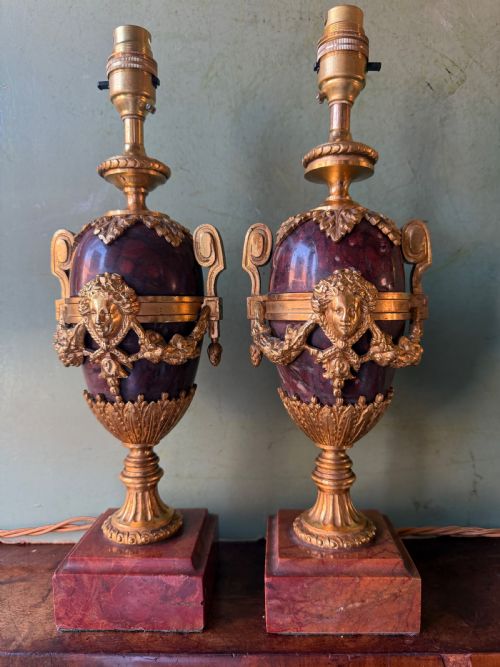
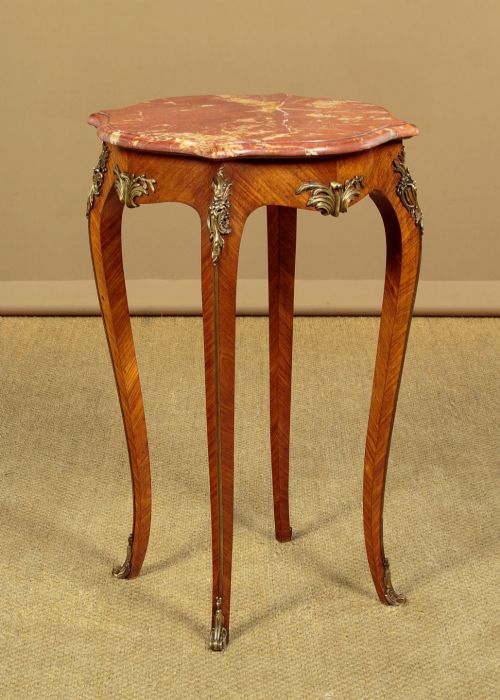

Red Marble Table
A red marble table brings rich mineral colour and a polished, cool-to-touch surface into a room.
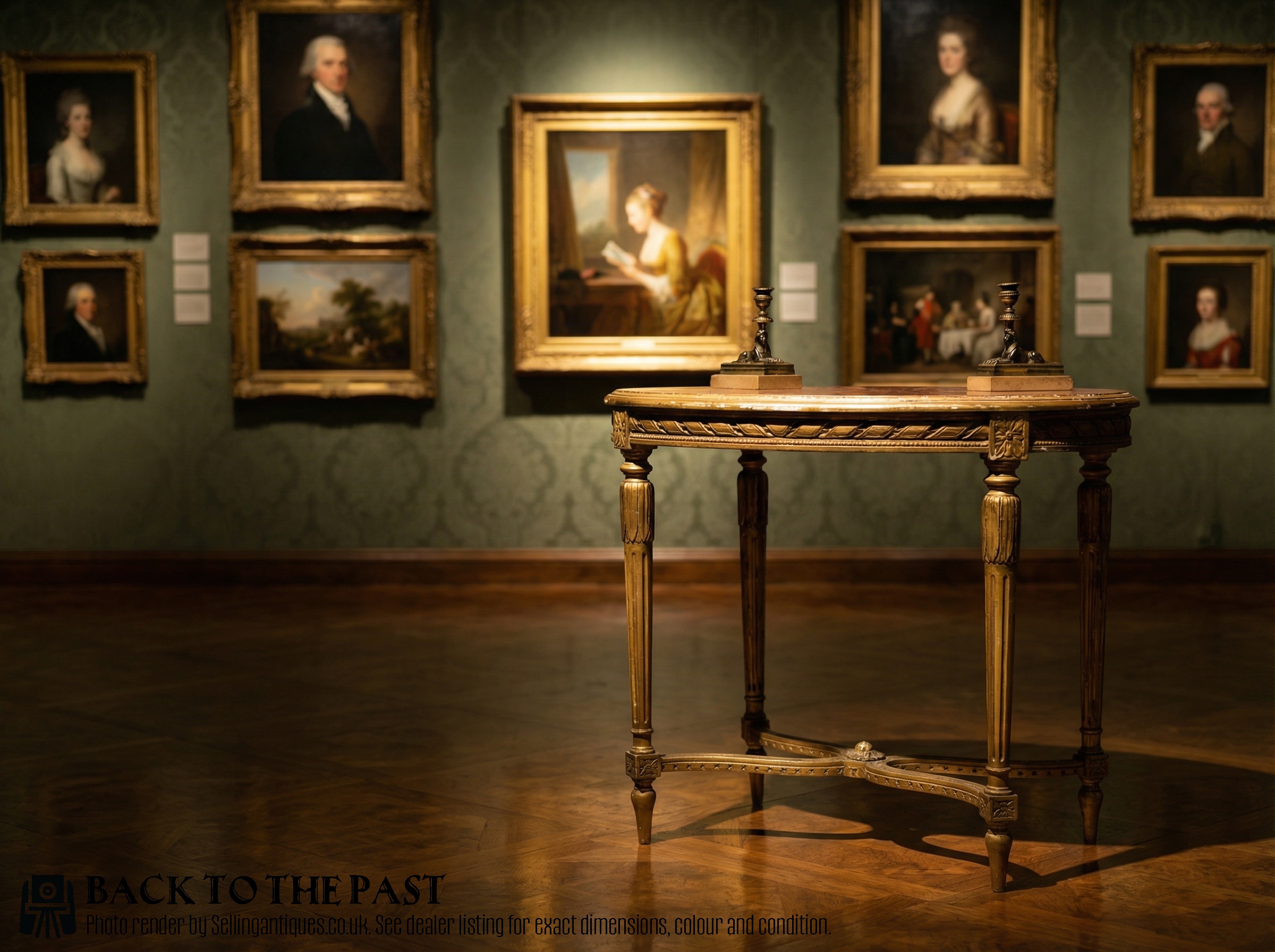
Red Marble Table
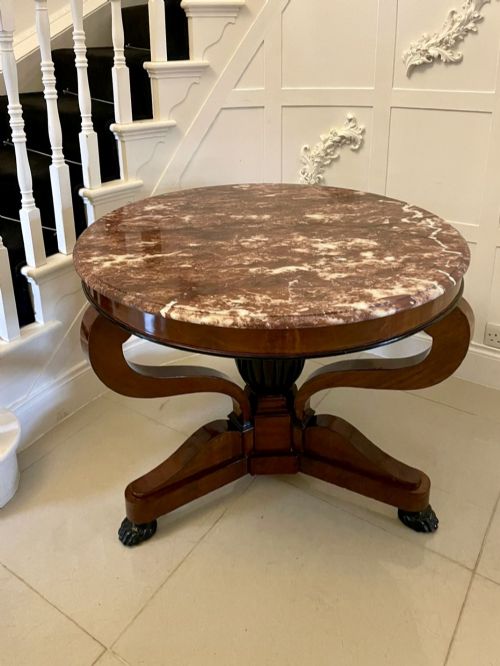
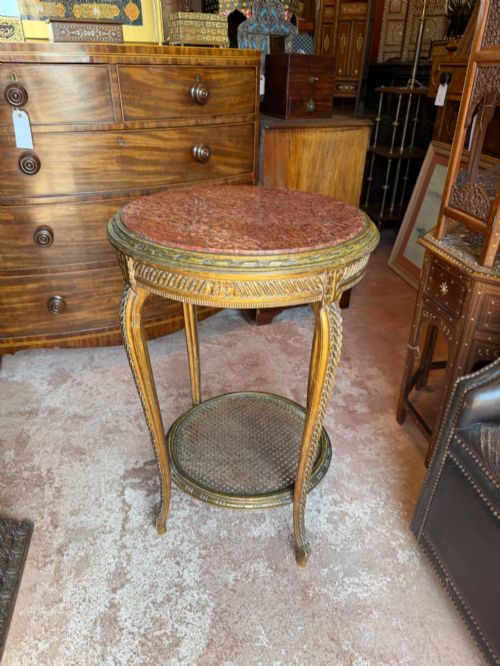
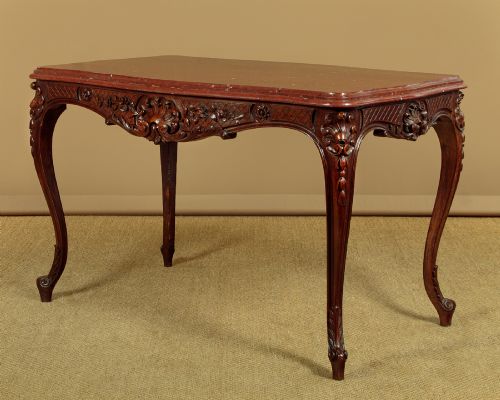
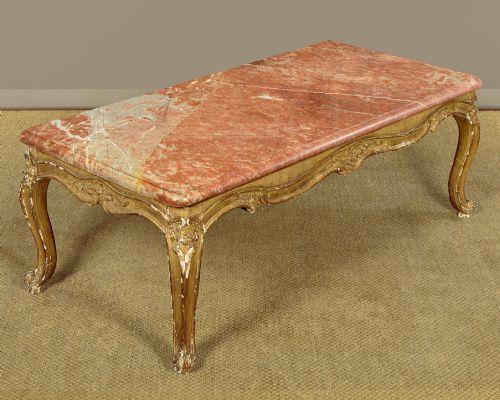
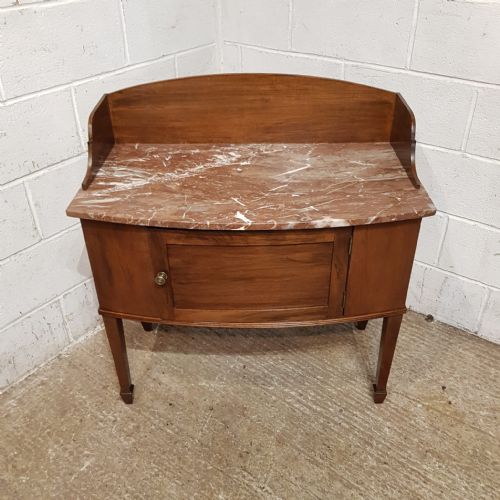
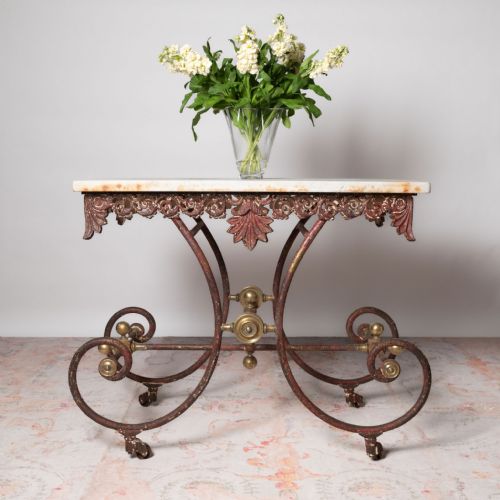
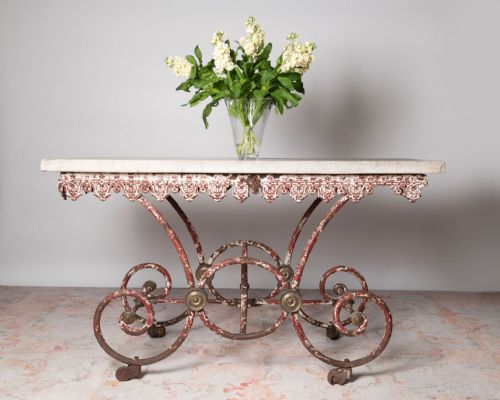
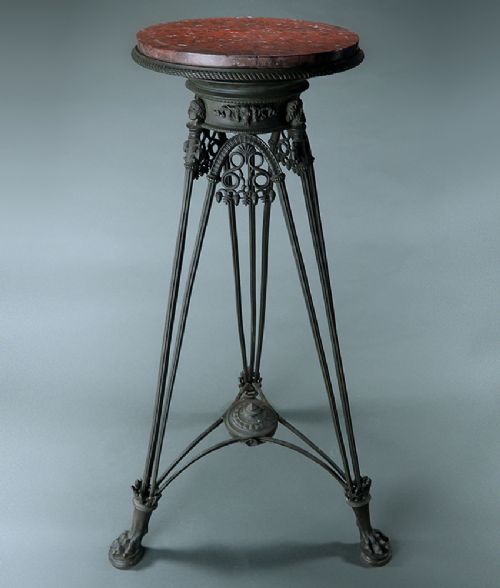
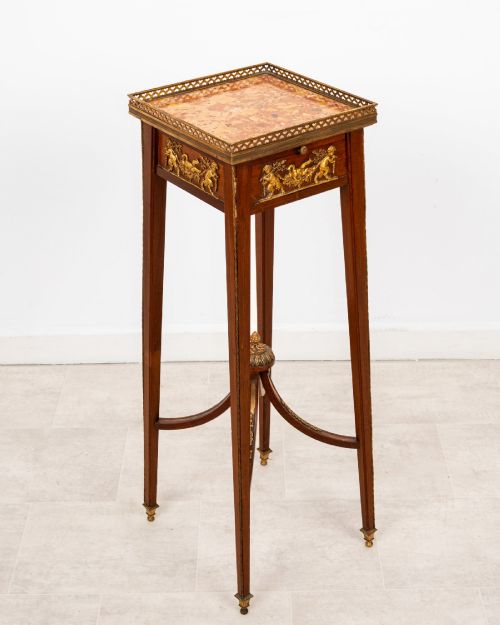
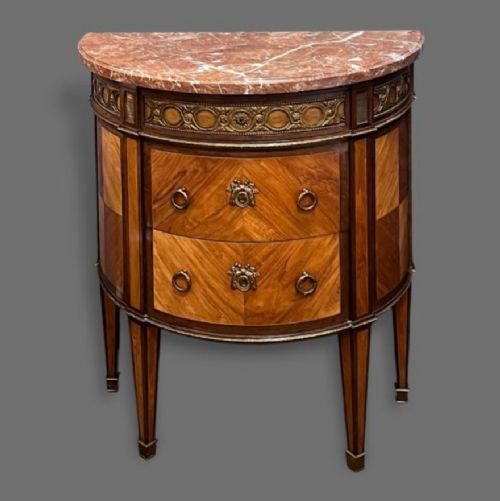
When searching for a red marble table, buyers encounter a variety of nineteenth-century and early twentieth-century forms, predominantly French and Italian centre tables, washstands, and occasional tables. These pieces combine heavy stone tops in rouge or serpentine varieties with wooden frames fashioned from mahogany, walnut, or giltwood.
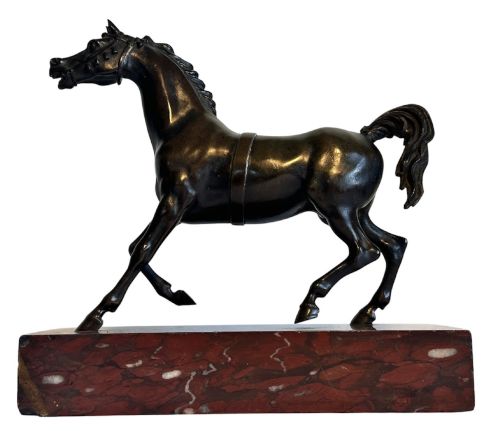
The selection frequently includes smaller lamp tables and bedside cabinets alongside grander console tables and gueridons designed for formal reception rooms. The red marble provides a striking visual contrast to dark timbers and gilded metal mounts.
How they were made
Cabinetmakers constructed the supportive frames using dense hardwoods like mahogany and walnut, often applying elaborate veneers or hand-carved details in the Neoclassical, Louis XV, or Empire styles. Heavy stone tops were painstakingly sawn, ground, and polished by hand to reveal the natural figuring and rich iron-oxide hues of the limestone.
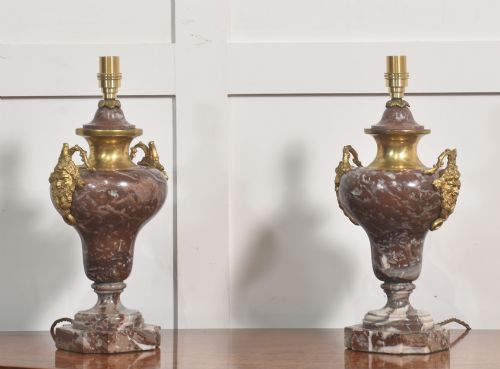
Metal ornamentation played a crucial role in construction, with bronze, brass, and ormolu mounts cast, chased, and secured to the timber and stone joints. Gilt bronze accents were frequently employed to frame the edges of the marble slabs and accent the structural legs.
Some nineteenth-century tables arrived home via the Grand Tour, where travellers discovered that heavy stone survived bumpy carriage rides better than luggage.
What varies in quality
Quality rests upon the depth of figure within the stone slab and the precision with which it meets the wooden apron. Superior examples feature seamlessly integrated marble tops with rich, uninterrupted clouding and crystalline structures.
The standard of timber framing and metal mounting dictates the hierarchy of these tables. Hand-chiselled ormolu mounts, tight joinery in the substructure, and balanced proportions separate ambitious workshop pieces from standard domestic furniture.
François Linke·L.Martin of Paris·A. D. Mougin
The Red Marble Table Glossary
- Guéridon
- A small French round table, typically supported by a central pillar or three legs. These versatile tables frequently feature inset marble tops.
- Rouge Marble
- A rich red limestone featuring white, grey, and dark veining. It was extensively quarried in France and Italy for high-end furniture.
- Ormolu
- Finely chopped and amalgamated gold applied to a bronze base. It provides a bright golden decorative finish on mounts and hardware.
- Console Table
- A table designed to stand against a wall, frequently secured with brackets. They often showcase elaborate carved wood and marble tops.
Red Marble Table: Frequently Asked Questions
How do I clean a red marble table?
Use a soft, damp cloth with neutral soap to wipe the surface gently. Avoid acidic cleaners that etch the polished stone.
Dry the marble immediately with a clean microfiber cloth to prevent water spots and preserve the natural sheen.
Were these tables used as washstands?
Many nineteenth-century examples served utilitarian roles in bedrooms and dressing rooms. The impervious nature of stone made it practical for holding washbasins and pitchers.
Today, these surviving pieces function easily as side tables or hallway furniture while retaining their original stone inserts.
How can I identify French styles?
French tables often display distinct regional traits such as cabriole legs, gilt bronze mounts, and carved walnut or mahogany frames. Styles range from restrained Neoclassical lines to ornate Louis XV curves.
Examining the underside of the timber frame and the fastening methods for the marble top helps confirm the period of origin.
Is red marble delicate?
Marble is a natural sedimentary stone that is susceptible to scratching and staining from acids, oils, and wine. Using coasters and protective mats preserves the polished top.
Despite these sensitivities, thick historical slabs withstand regular daily use when treated with sensible domestic care.