


Red Mahogany Cupboard
When shopping for a red mahogany cupboard, you are looking at practical timber storage pieces shaped across centuries of British and continental design.
Red Mahogany Cupboard
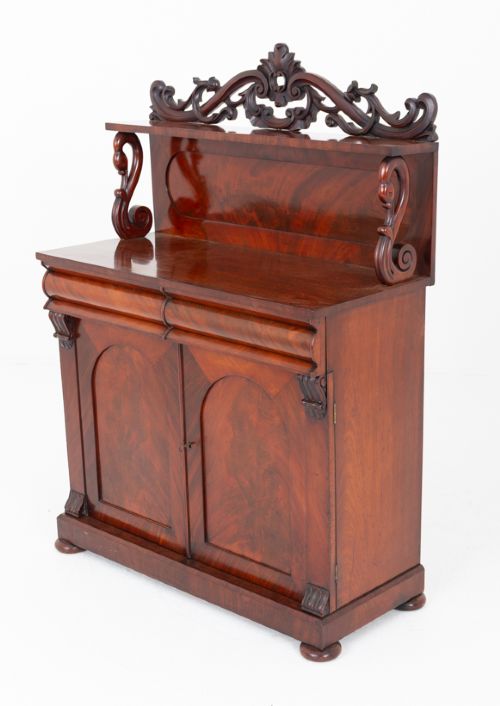
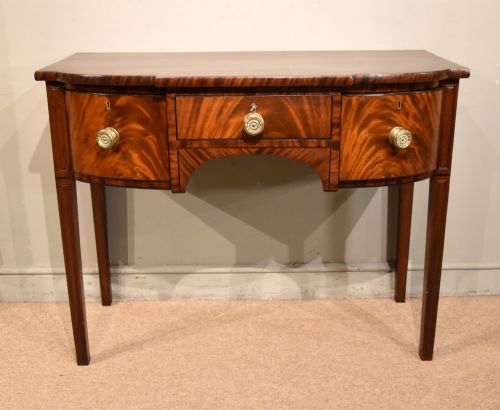
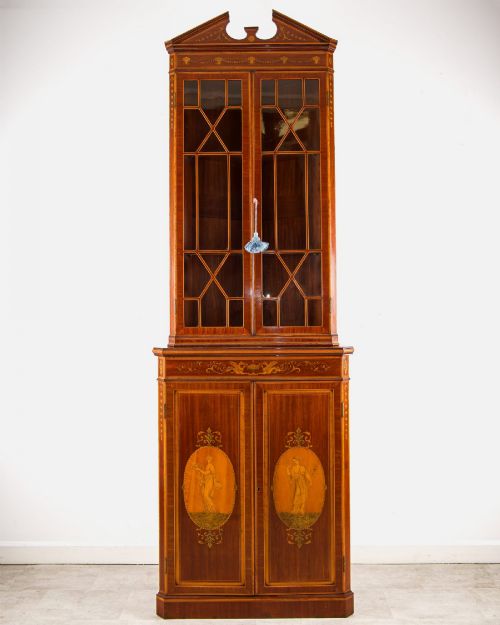
A red mahogany cupboard encompasses a broad spectrum of timber storage forms, ranging from compact bedside cabinets and corner units to large library bookcases and chiffoniers. These storage pieces appear across multiple eras, including the Georgian, Regency, Victorian, and Edwardian periods.
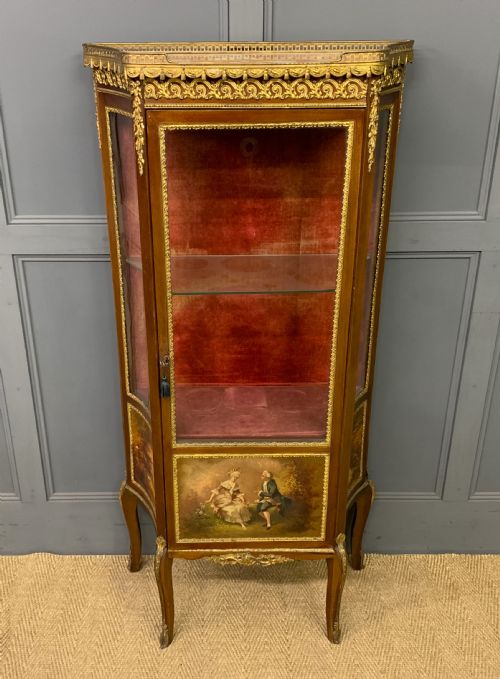
The inventory on this page shows domestic utilitarian furniture designed for organising interiors, such as bedside tables, side cabinets, wardrobes, and glazed display vitrines. Buyers find both simple, clean-lined functional items and more ornamental showroom pieces intended for formal reception rooms.

Materials and construction
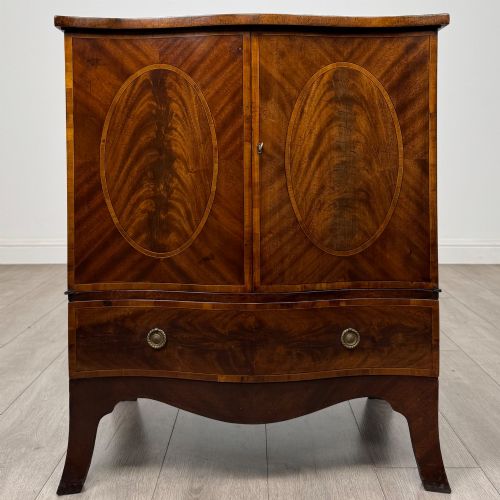
Cabinet makers utilised solid mahogany alongside decorative veneers such as flame mahogany, curl mahogany, and figured timber to create rich, varied surface grain patterns. Structural integrity relied on traditional joinery techniques, while secondary materials like brass hardware, glass panels, marble tops, and ormolu mounts added functional and decorative contrast.
Surface finishes varied from plain polished wood to specialised continental techniques like Vernis Martin lacquer and hand-painted panels. Interior layouts frequently incorporated adjustable shelving, fitted drawers, and compartmentalised storage suited to the specific domestic function of the cabinet.
Red Mahogany Cupboard Retail Price Guide 2026
Typical asking prices for red mahogany cupboard among the pieces listed under this phrase on Sellingantiques today, from the lower quarter to the upper quarter. They describe what is for sale here now, not the wider market.
One unexpected Victorian cabinet bears public house sign-writing for the Red Lion.
Assessing quality and craftsmanship
Quality in a red mahogany cupboard rests upon the selection of timber, particularly the depth and movement visible in figured, curl, or flame veneer selections. Superior examples display careful grain matching across doors and drawer fronts rather than random timber placement.
Construction details also dictate standard, including the neatness of internal dovetailing, the weight and original state of brass handles or hinges, and the crispness of applied mouldings or hand-painted details. Better pieces maintain harmonious proportions and balanced scale, whether built as a diminutive bedside table or a large breakfront bookcase.
The Red Mahogany Cupboard Glossary
- Flame mahogany
- A veneer cut from timber where the grain creates a flickering, flame-like pattern across the surface. This figuring was highly prized for principal display panels.
- Chiffonier
- A low sideboard or cabinet featuring enclosed lower storage cupboards, often topped with a shelf or a raised back gallery. They gained popularity during the Regency and Victorian eras for dining and living rooms.
- Vitrine
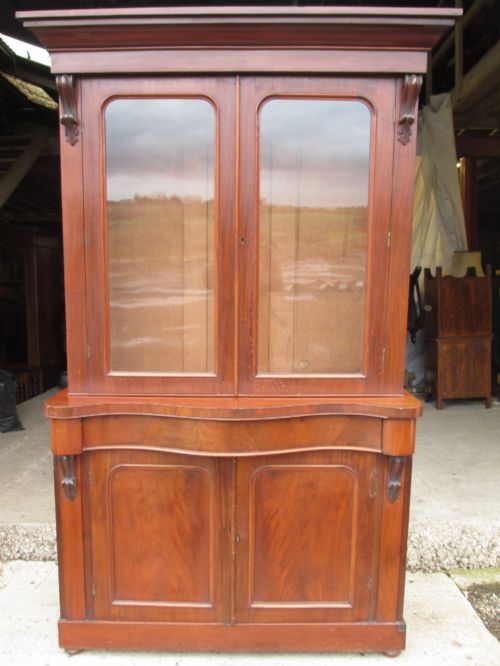
- A glass-fronted display cabinet designed for showing porcelain, books, or curiosities. These pieces frequently incorporate glazed doors and delicate framing.
- Vernis Martin
- A simulated Japanese or Chinese lacquer technique developed in Europe during the eighteenth century. It produced lustrous, durable decorative surfaces often seen on continental cabinets.
- Ormolu
- Gilt-bronze mounts applied as decorative ornamentation to furniture frames and corners. This technique added metallic contrast to polished timber surfaces.
Red Mahogany Cupboard: Frequently Asked Questions
What is the difference between a chiffonier and a standard cupboard?
A chiffonier typically combines enclosed lower storage with a raised shelf or gallery back, functioning as a sideboard variant. Standard cupboards focus purely on internal shelving or hanging space behind doors.
Chiffoniers emerged primarily as dining room or parlour furniture designed for serving and display, whereas simpler cupboards served general household storage needs.
How do I date a mahogany cabinet?
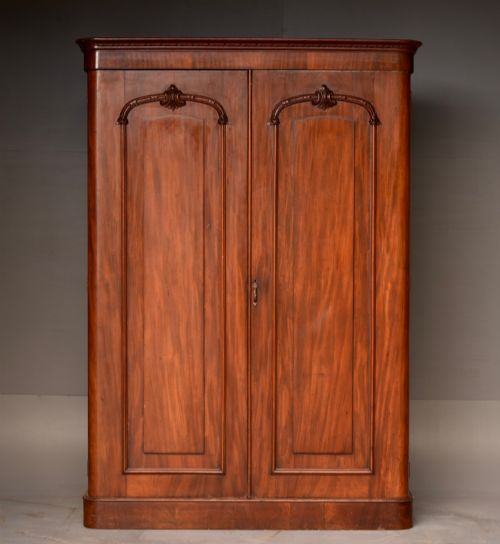
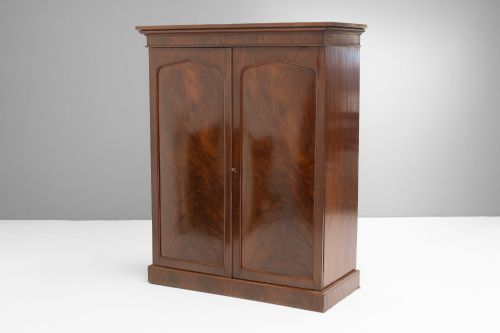
Dating relies on observing structural proportions, timber thickness, handle hardware types, and decorative stylistic markers. Georgian and Regency pieces tend to show cleaner architectural lines, while Victorian examples often feature heavier proportions and rich figured veneers.
Comparing construction methods inside drawers and cabinet backs helps verify the manufacturing period alongside external design traits.
Where were bedside cupboards placed in period homes?
Bedside cabinets and pedestals stood directly beside sleeping berths to hold chamber pots, night lighting, or personal items. Compact forms ensured they fitted neatly within smaller bedroom spaces.
Many examples survive as matched pairs, though single bedside tables also appear frequently in domestic inventories.
How should I care for a mahogany surface?
Maintenance involves dusting with a soft, dry cloth and avoiding excessive moisture or direct sunlight that might fade the red timber tones. Natural waxes help nourish the wood grain without building up heavy chemical residues.
Keeping timber pieces away from direct heat sources prevents veneer lifting and wood splitting over time.