


Red Lakai Ilgich
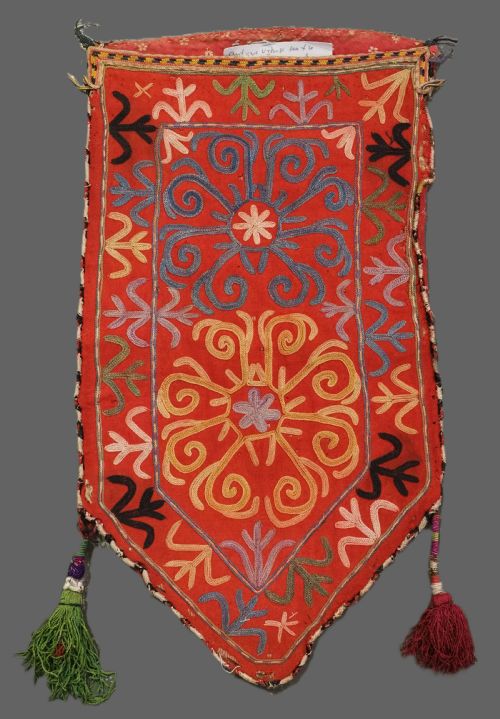
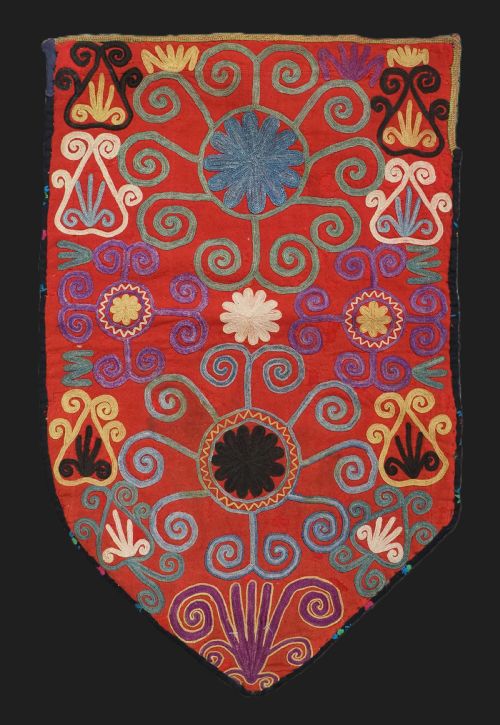
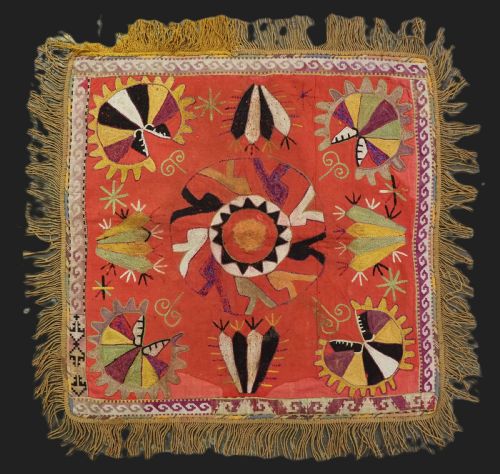
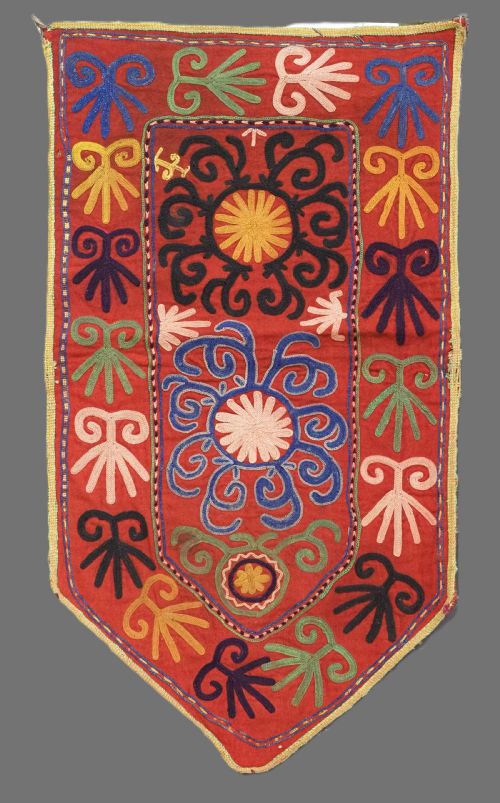
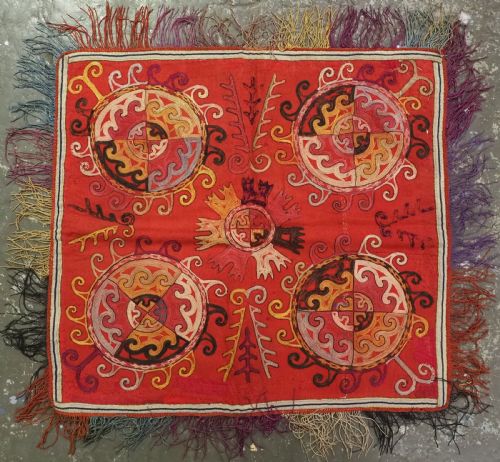
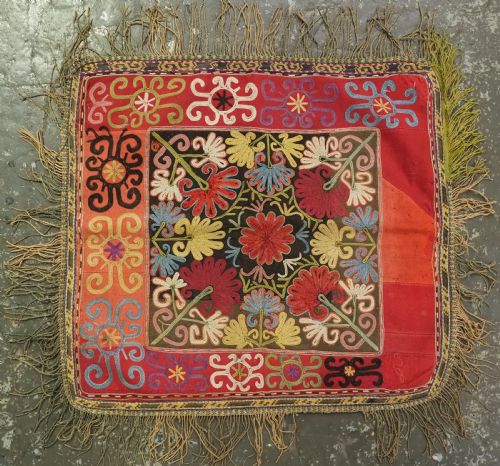
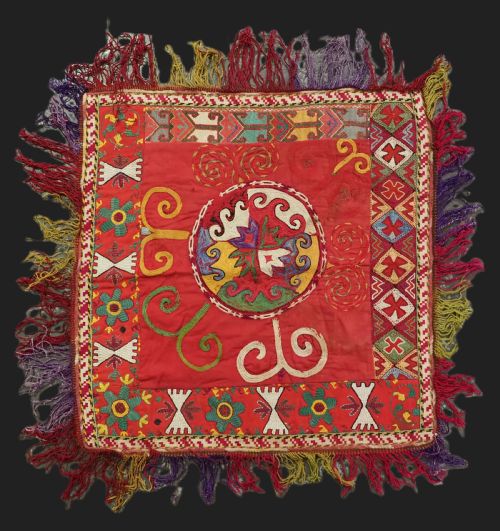
These red lakai ilgich textiles are Central Asian tribal wall hangings created as dowry embroidery, offering bold decorative presence for a wall.
Red Lakai Ilgich
When you search for red lakai ilgich, you encounter Central Asian tribal needlework originating from the Uzbek Lakai tribes of Shakrisabz. These pieces function primarily as dowry embroidery intended for wall hanging, including specific forms such as uut kap and at torba ilgich.
The versions most commonly met on this page date from the late nineteenth century around eighteen eighty up to nineteen hundred. They embody the distinctive Central Asian tribal aesthetic through textile art designed to adorn nomadic interiors.
Makers produced these works as wall hangings and textile art utilising traditional tribal motifs. Each piece reflects the specific cultural output of the Lakai Uzbek tribes within Uzbekistan.
How They Were Made
These textiles rely on a combination of cotton, wool, and silk materials worked into elaborate embroidered surfaces. Artisans stitched intricate patterns onto textile wall hangings, incorporating diverse thread types to achieve rich tactile depth.
The construction methods reflect Central Asian tribal traditions of needlework, with certain examples featuring double-faced designs. These techniques allowed makers to produce durable and visually dense dowry embroideries.
Listings feature cotton, wool, and silk materials across periods spanning eighteen eighty to nineteen hundred.
What Varies in Quality
The distinction across these pieces lies in the complexity of the embroidery work and the handled materials. Finer examples display meticulous needle control and sophisticated arrangement of cotton, wool, and silk threads.
Structural variation also appears between standard single-faced wall hangings and double-faced uut kap ilgich examples. The visual impact depends on the clarity of the Central Asian tribal motifs and the preservation of the textile art.
The Red Lakai Ilgich Glossary
- Ilgich
- A Central Asian embroidery type often used for wall hangings and dowry furnishings. These textiles display distinct tribal patterns characteristic of Uzbek makers.
- Lakai
- An Uzbek tribal group known for distinctive Central Asian embroidery and textile art. Their work often employs bold geometric and symbolic forms.
- Uut kap
- A specific form of tribal bag or hanging associated with nomadic furnishings. Examples appear in nineteenth-century Central Asian textile collections.
- At torba
- A horse gear bag or hanging produced by tribal groups in Uzbekistan. These items share decorative vocabularies with other dowry embroideries.
- Shakrisabz
- A geographic region in Uzbekistan associated with the production of Lakai tribal textiles. Pieces originating here exhibit recognised regional needlework styles.
Red Lakai Ilgich: Frequently Asked Questions
How were these wall hangings used?
Nomadic families utilised these embroideries as decorative wall hangings and functional storage bags within traditional interiors.
They formed an essential part of a bride's dowry and reflected the cultural identity of the tribe.
Where do these textiles come from?
The pieces originate from Central Asia, specifically associated with Lakai Uzbek tribes in Shakrisabz, Uzbekistan.
Makers in this region produced distinct forms such as at torba and uut kap ilgich.
How do I date an antique ilgich?
Dating relies on stylistic analysis, material composition, and the recorded period of nineteenth-century production seen in surviving examples.
Most items encountered date from around eighteen eighty to nineteen hundred.