
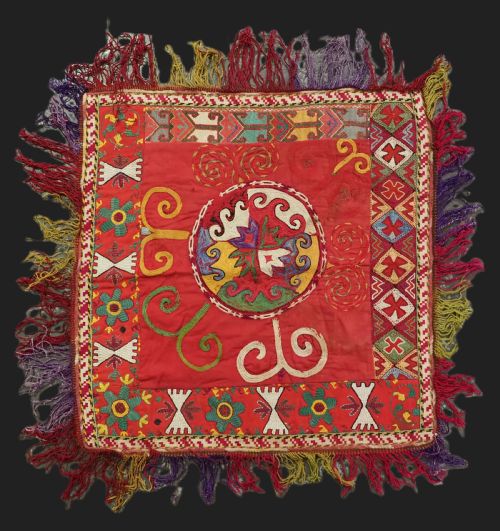


Antique Lakai Ilgich
These Central Asian textile works known as an antique lakai ilgich bring vibrant tribal artistry and tactile depth to any interior wall.
Antique Lakai Ilgich
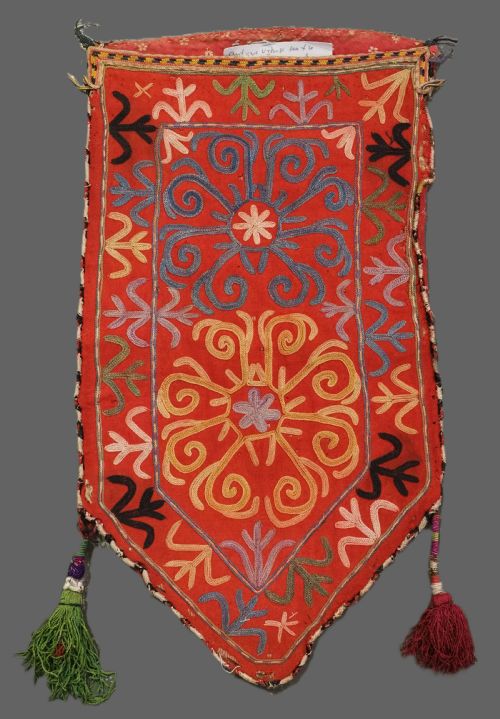
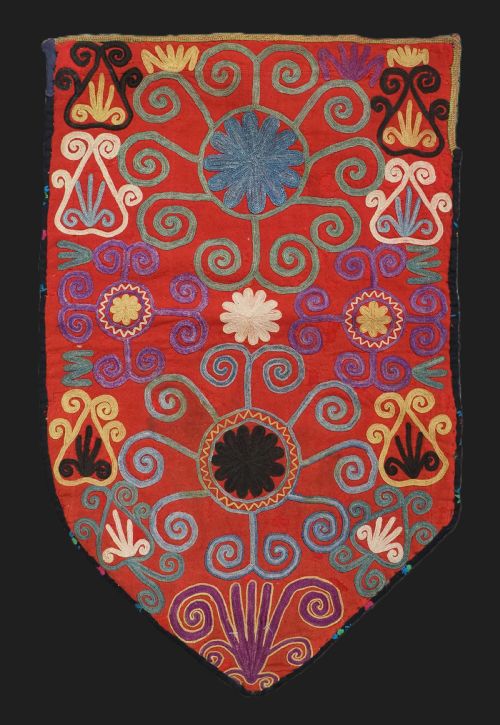
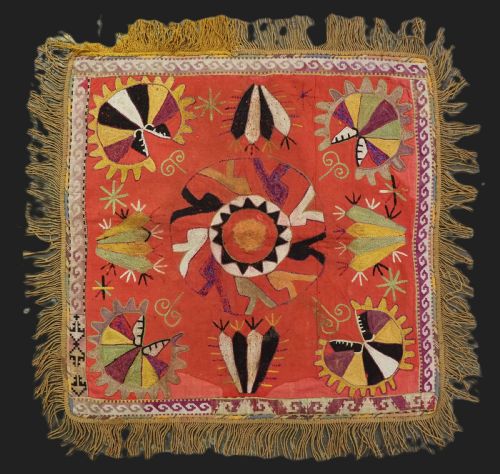
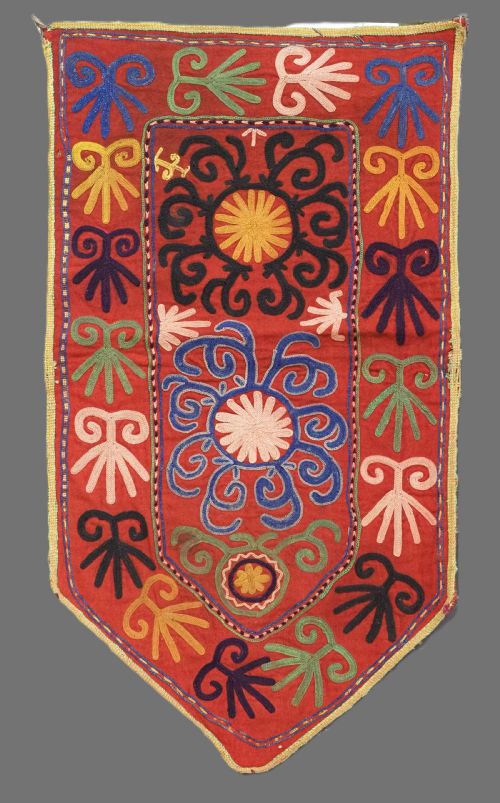
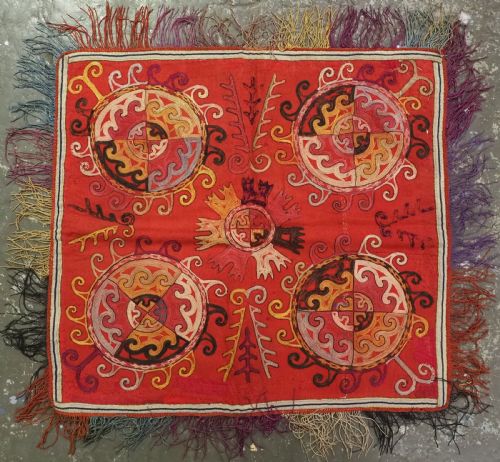
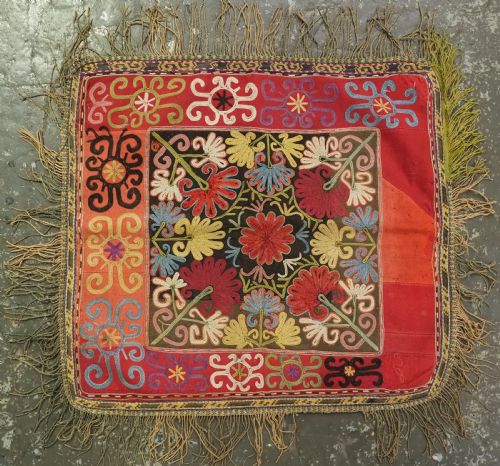
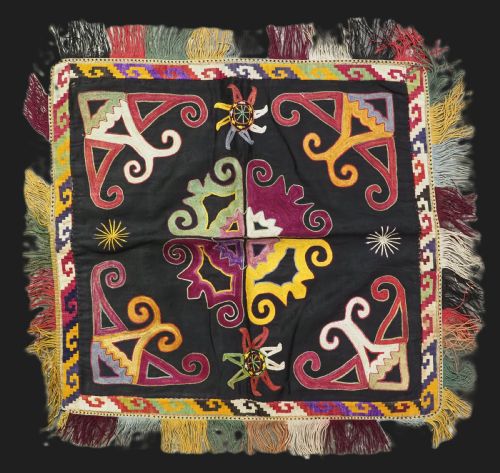
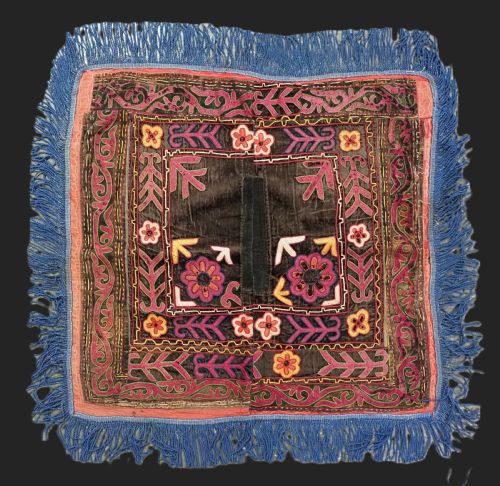
When you search for an antique lakai ilgich, you encounter Central Asian tribal needlework created by the Uzbek Lakai tribe. These pieces primarily function as dowry embroideries and wall hangings, originating from regions such as Shakrisabz in Uzbekistan. The most common form met here is the uut kap ilgich, often associated with talismanic shields.
The objects date from the late nineteenth century, specifically spanning the periods around eighteen eighty, eighteen ninety, and nineteen hundred. Collectors encounter various formats including double-faced examples and specialised torba pieces. Each item represents traditional nomadic textile art meant for domestic display.
Materials and construction
The construction relies on textiles built from cotton, wool, and silk. Artisans apply intricate embroidery onto grounds of cotton or green velvet, creating dense surface textures. Silk threads provide the primary medium for the characteristic geometric and figurative tribal motifs.
Makers construct these items as functional dowry components or wall panels using traditional needlework techniques. The combination of sturdy cotton foundations with lustrous silk embroidery defines the physical structure of each surviving piece.
Listings feature cotton, silk, wool, and velvet across pieces dated to nineteen hundred, eighteen ninety, and eighteen eighty.
Distinctions in quality
Quality rests upon the density of the embroidery and the precision of the tribal motifs. Pieces featuring double-faced execution or complex silk work on specialised grounds display superior craftsmanship. The handling of the central Asian design vocabulary dictates the visual strength of the object.
The choice of foundation material, such as rich velvet grounds versus standard cotton, influences the overall presence of the piece. Superior examples exhibit exceptional control over colour and thread work within the Central Asian tribal tradition.
The Antique Lakai Ilgich Glossary
- Ilgich
- A Central Asian hanging or wall embroidery. These textile works originate from tribal groups in regions like Uzbekistan.
- Uut kap
- A specific bag or hanging associated with nomadic tent furnishings. They form a primary category among Lakai tribal pieces.
- Torba
- A small storage bag or hanging piece. These items are frequently encountered alongside larger dowry embroideries.
- Shakrisabz
- A historic town in Uzbekistan associated with the production of these tribal textiles. It serves as a key geographic origin for specific pieces in the archive.
Antique Lakai Ilgich: Frequently Asked Questions
What is an ilgich used for?
An antique lakai ilgich serves primarily as a decorative wall hanging or a dowry embroidery within Central Asian nomadic culture. These textiles reflect the cultural traditions and artistic heritage of the Uzbek Lakai tribe.
Families created or commissioned these pieces as part of traditional dowries and domestic furnishings. Today, collectors display them on interior walls to appreciate their intricate tribal needlework and historical significance.
Where do these pieces originate?
These textiles originate from Central Asia, specifically associated with the Lakai Uzbek tribes. Many examples trace their geographic roots to Shakrisabz in Uzbekistan.
Production occurred during the late nineteenth and early twentieth centuries, specifically across periods from eighteen eighty to nineteen hundred. The tribal makers worked within distinct regional traditions of nomadic embroidery.
What materials are used in lakai pieces?
The construction involves a combination of cotton, silk, wool, and velvet. Artisans embroidered silk threads onto sturdy foundations of cotton or green velvet.
These materials provide the physical support for the dense needlework and vibrant surface patterns characteristic of Central Asian tribal art. The choice of textiles contributes to the durability and tactile quality of each hanging.
How do I identify an uut kap ilgich?
An uut kap ilgich is identified by its specific form as a tribal hanging or bag face originating from the Lakai Uzbeks. Many examples feature specialised formats such as double-faced execution or talismanic shield designs.
They date predominantly to the late nineteenth century and around nineteen hundred. The combination of specific Central Asian motifs and textile construction distinguishes them from other regional embroideries.