
Embroidered Wool Wall Hanging
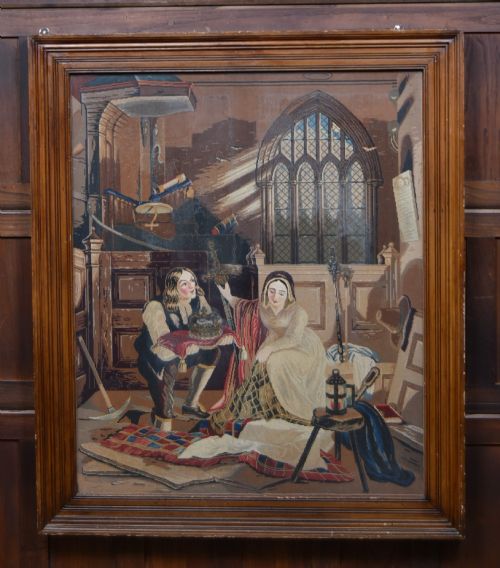
When shopping for an embroidered wool wall hanging, collectors encounter diverse textile traditions ranging from Central Asian tribal panels to early English crewelwork.
Embroidered Wool Wall Hanging
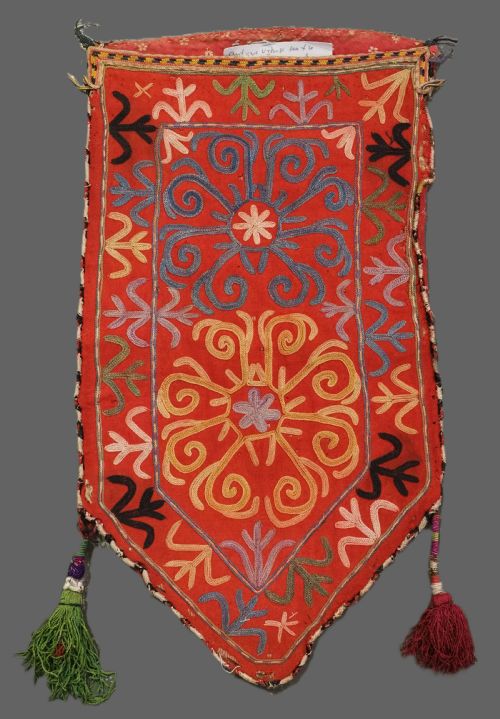
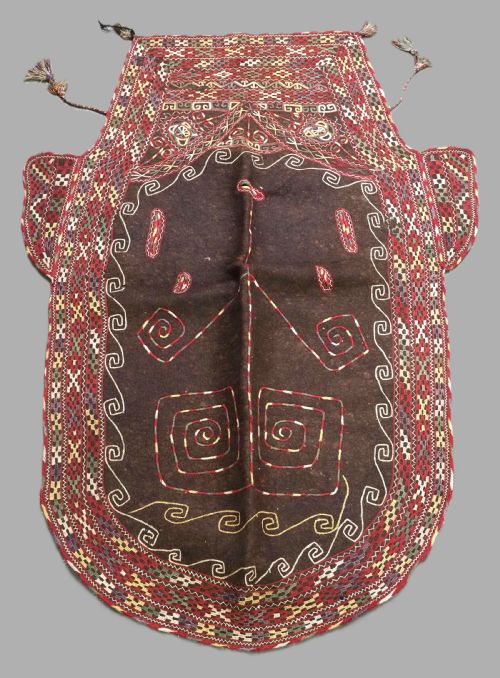
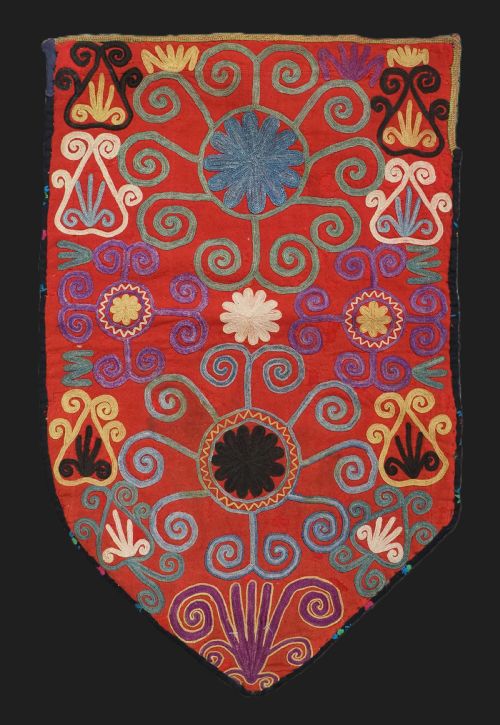
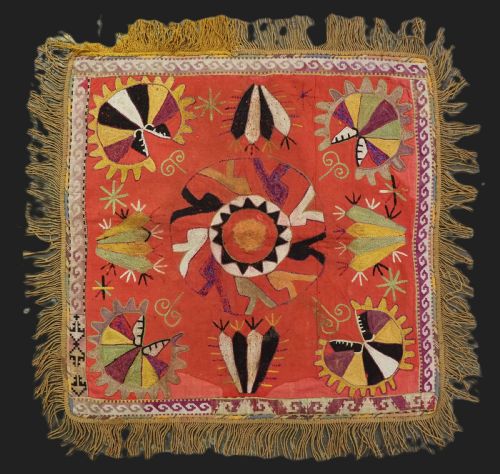
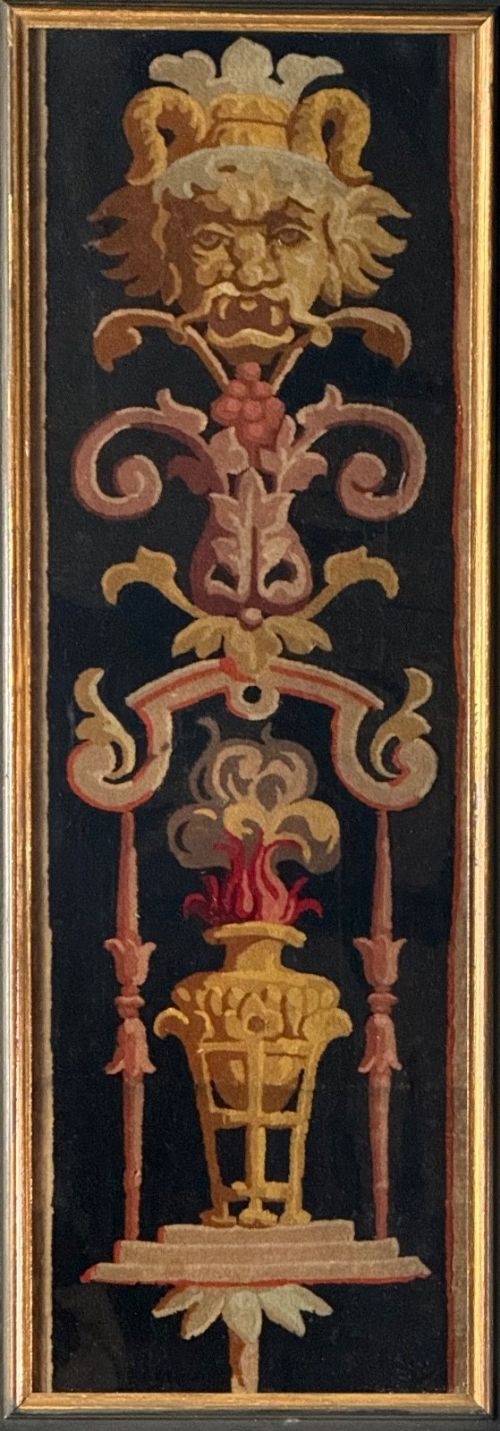
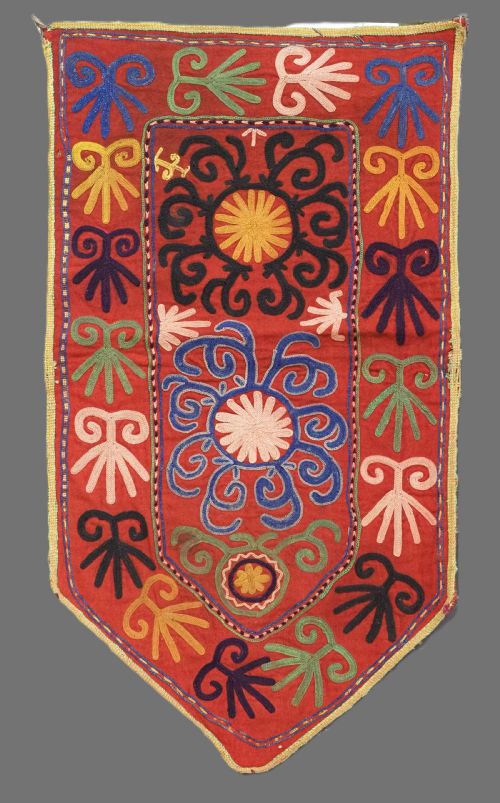
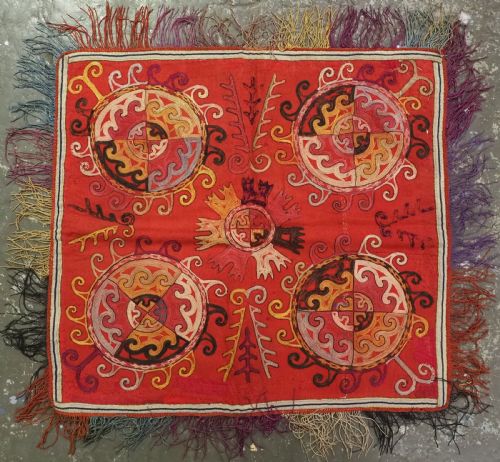
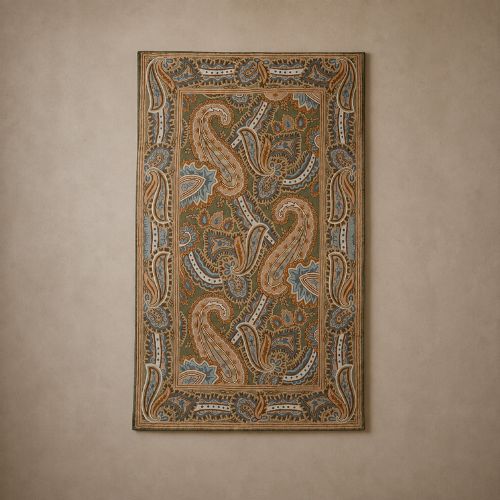
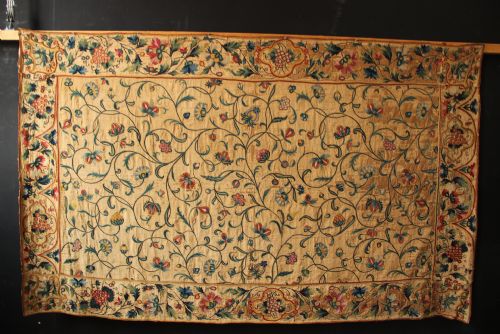
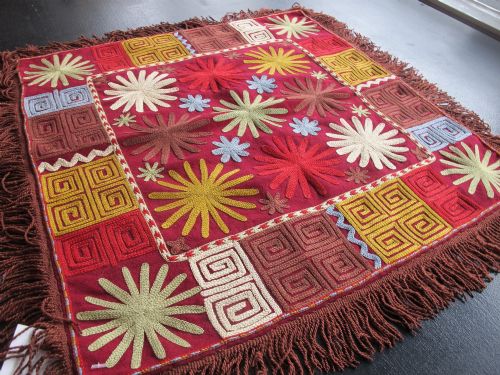
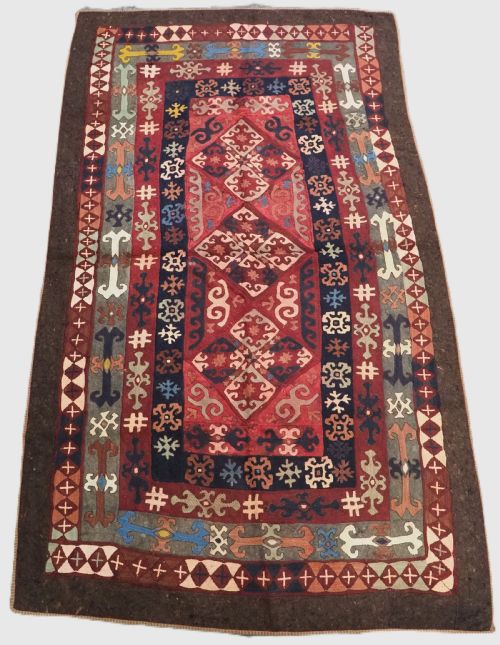
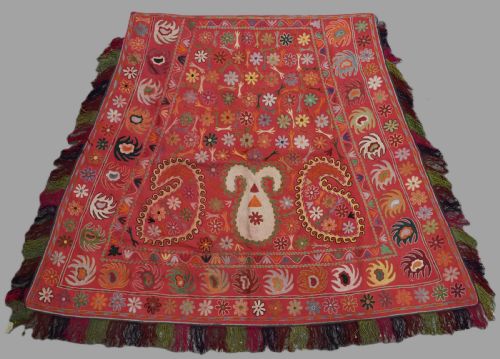
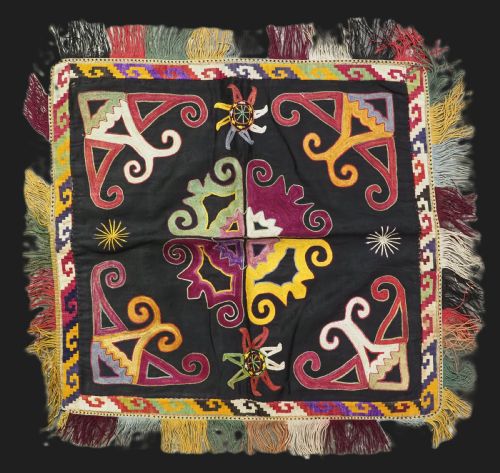
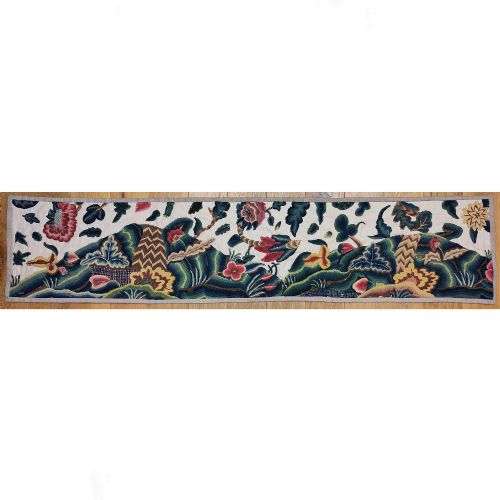
An embroidered wool wall hanging encompasses various textile forms, including dowry bags, ceremonial horse covers, yurt decorations, and classical European panels. Buyers exploring this category frequently discover Central Asian tribal pieces, notably Uzbek Lakai and Turkmen trappings alongside English and continental crewelwork.
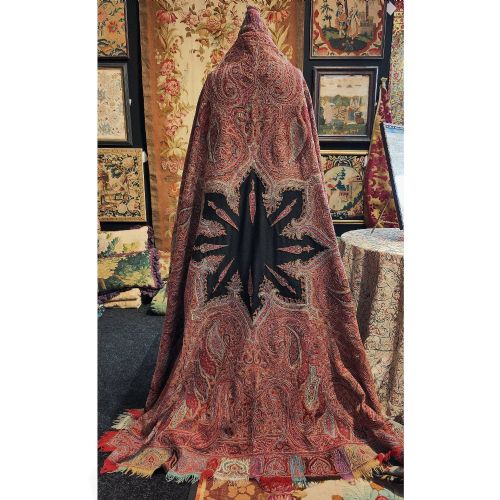
The selection spans centuries of needlework traditions, stretching from seventeenth-century panels to twentieth-century nomadic embroideries. These textiles functioned originally as domestic furnishings, horse trappings, or architectural hangings within nomadic tents and country houses before transitioning into decorative wall art.
What Varies in Quality
Quality rests upon the precision of the needlework, the complexity of the design, and the integrity of the ground textile. Superior examples display tight, uniform stitching and dynamic composition that retain their visual impact.
The choice of materials and the vibrancy of surviving dye colours further distinguish finer pieces. Original structural survival, minimal intervention, and the complexity of tribal or classical motifs separate standard examples from the finest works.
Several nomadic pieces started life on the back of a horse before earning a permanent retirement indoors.
The Embroidered Wool Wall Hanging Glossary
- Crewelwork
- Traditional embroidery executed with wool yarn on a linen or cotton ground. This technique creates textured, heavy-relief patterns often seen in English panels.
- Ilgich
- A Central Asian dowry embroidery created by Lakai and Uzbek tribes. These pieces typically feature dynamic geometric appliqués and vibrant silk detailing on wool or felt grounds.
- Suzani
- A traditional embroidered textile originating from Central Asia, usually worked in silk on a wool or cotton foundation. They frequently display large medallion or floral repeat designs.
- Torba
- A small Turkmen wall hanging or storage bag traditionally displayed inside a tent. They feature detailed face embroidery and structured tribal iconography.
Embroidered Wool Wall Hanging: Frequently Asked Questions
How were these wall hangings originally used?
Many pieces served practical and ceremonial functions in domestic or nomadic settings. They adorned tent interiors, functioned as dowry pieces, or decorated European country houses.
Nomadic communities utilised horse covers and storage bags as part of daily tribal life and ceremonial processions. Over time, these functional textiles transitioned into decorative wall art.
How do I care for an antique wool textile?
Protect antique textiles from direct sunlight to prevent dye fading and fibre degradation. Gentle vacuuming through a mesh screen helps remove dust without damaging delicate embroidery.
Avoid hanging heavy pieces by a single point to prevent structural distortion. Professional textile conservationists should handle any necessary cleaning or mounting.
How do I distinguish Central Asian tribal work from European crewelwork?
Central Asian pieces, such as Lakai and Turkmen trappings, typically feature bold geometric appliqués, felt grounds, and vibrant silk highlights. They reflect nomadic iconography and utilitarian origins.
European crewelwork relies on wool yarn stitched onto linen or canvas grounds with flowing floral or classical motifs. These pieces reflect formal interior decoration styles of the period.