
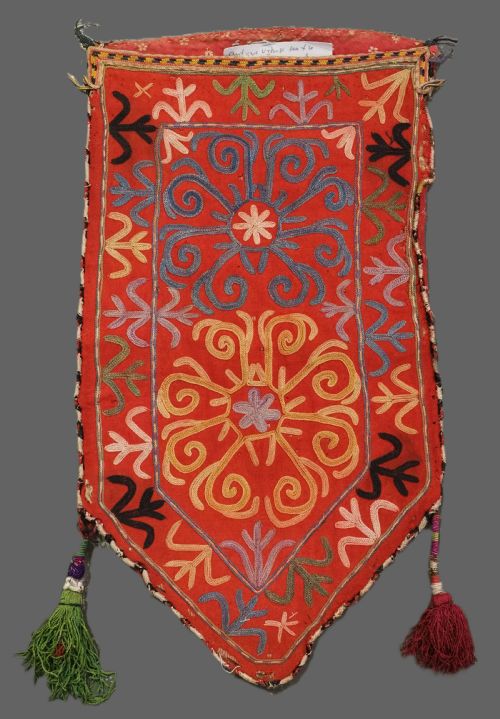
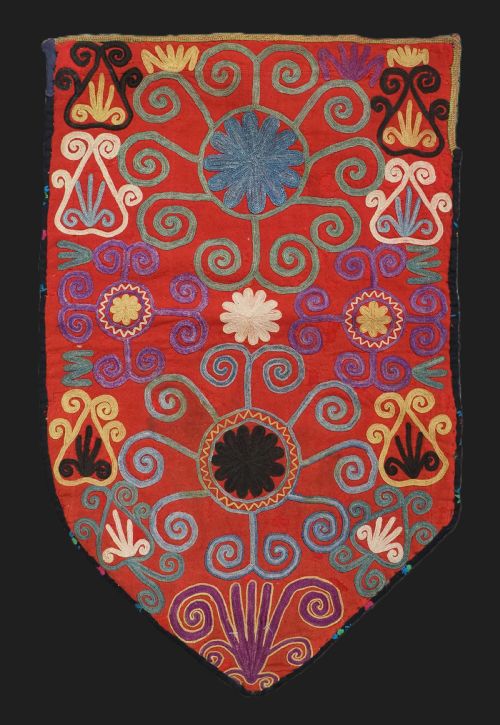
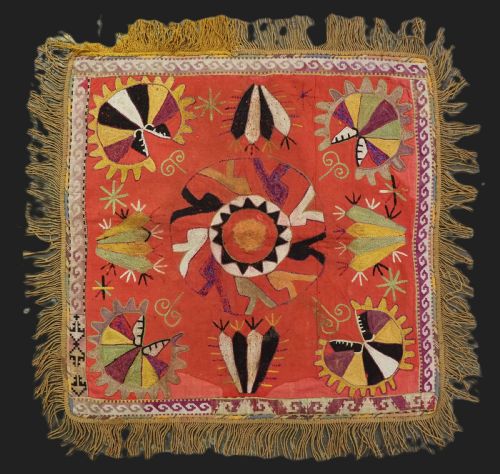
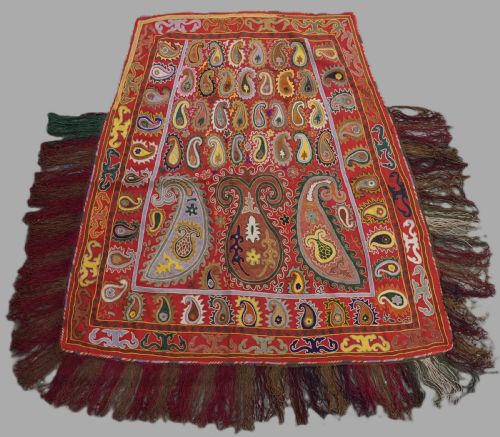


Uzbekistan Tribal Embroidery
These vibrant textile panels carry the bold geometric motifs and rich heritage of Central Asian nomadic life.
Uzbekistan Tribal Embroidery
When you search for uzbekistan tribal embroidery, you encounter historic textiles created across Central Asia during the nineteenth and early twentieth centuries. These pieces span periods from the eighteen-fifties to the nineteen-twenties, originating from regions such as Shakrisabz and Tashkent.
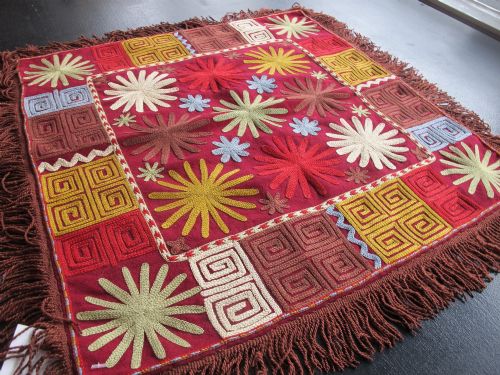
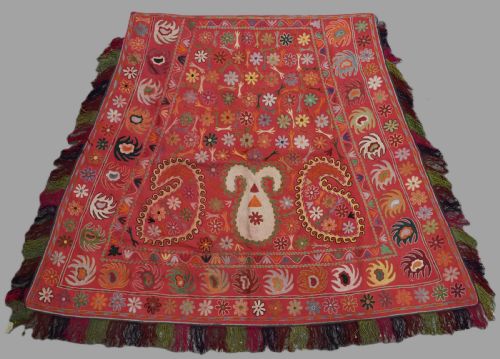
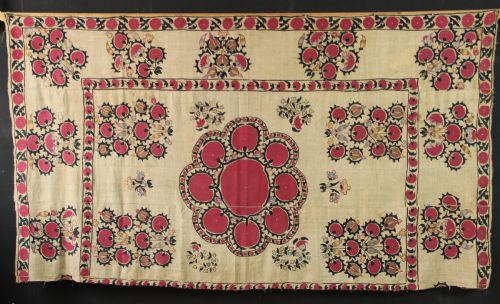
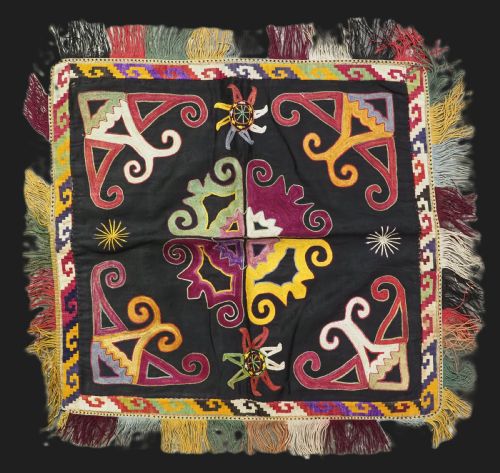
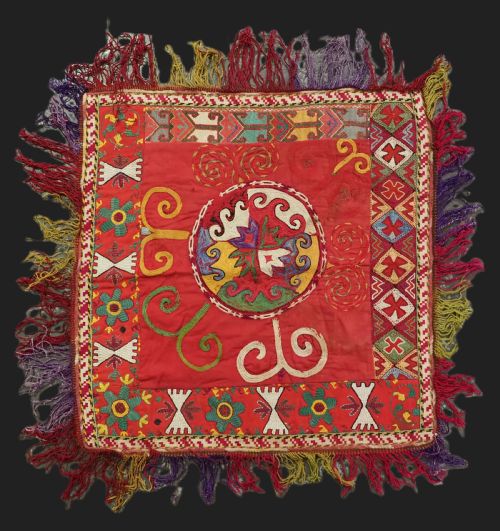
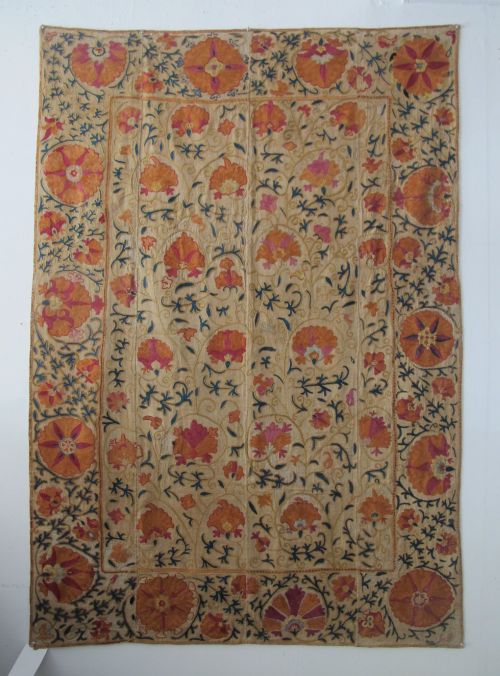
The items you meet on this page take several distinct forms, most commonly wall hangings, dowry embroideries, and ceremonial horse covers. Many examples originate from the Lakai tribe, reflecting nomadic traditions through specialised formats like the ilgich, torba, and suzani panel.
These textiles served ceremonial and domestic roles within Central Asian communities, functioning as decorative furnishings and dowry pieces. The surviving examples demonstrate traditional Central Asian folk art through diverse formats, including smaller amulets alongside large wall textiles.
Materials and Construction
The makers utilised natural textiles as a foundation, constructing pieces primarily from cotton, wool, and silk. Artisans applied fine stitching directly onto these woven grounds to build dense pictorial and geometric patterns.
Silk thread provides the characteristic lustrous finish seen on these embroidered surfaces. Working by hand, craftspeople executed intricate needlework in regional styles specific to Uzbek and Central Asian traditions.
The listings span from the eighteen-fifties to the nineteen-twenties, incorporating cotton, wool, silk, and silk thread across various textile formats.
Assessing Quality
Quality rests upon the density of the needlework and the complexity of the design layout. Finer examples display meticulous execution across the embroidered surface, maintaining tight stitches and balanced composition.
The vibrancy and preservation of the materials dictate the visual impact of each piece. Intact silk threads and strong colour retention separate superior examples from more heavily worn textiles.
Lakai Tribe·Uzbek Tribes
The Uzbekistan Tribal Embroidery Glossary
- Suzani
- An embroidered textile panel originating from Central Asia, traditionally created as part of a bride's dowry. These large pieces feature elaborate floral and geometric motifs worked in silk thread on a cotton or linen ground.
- Ilgich
- A specific form of hanging embroidery used within nomadic households. These pieces often incorporate bold tribal designs and were frequently produced by the Lakai tribe.
- Torba
- A decorative bag or trapping used in nomadic tent interiors for storage or ceremonial display. They display characteristic regional patterns associated with Uzbek tribal groups.
- Nim suzani
- A smaller scale embroidered panel, representing a half-size version of the full suzani. These compact hangings were utilised for specific domestic spaces within Central Asian homes.
- Amulet
- A small protective textile charm created to ward off misfortune. These portable items often feature symbolic embroidered motifs.
Uzbekistan Tribal Embroidery: Frequently Asked Questions
What is an ilgich?
An ilgich is a traditional embroidered hanging produced for domestic and ceremonial use by Central Asian groups. These textiles formed part of a bride's dowry.
They display distinctive tribal patterns worked in silk thread on a foundation fabric. Families hung these panels inside nomadic dwellings as decorative furnishings.
How were suzani panels used?
Suzani panels functioned primarily as wall hangings and ceremonial covers within traditional Central Asian homes. They also served as essential components of a traditional dowry.
Nomadic and settled communities valued these textiles for both their visual beauty and their cultural significance. Today, collectors typically display them as wall art.
How do I date an antique suzani?
Dating relies on examining the natural dyes, the type of silk thread, and the structure of the foundation cloth. Stylistic motifs also provide clues regarding the period of origin.
Pieces originating in the nineteenth century often show specific regional colour palettes and handspun textiles. Comparing stitch work helps distinguish mid-century examples from later twentieth-century pieces.
Where did Lakai embroideries originate?
Lakai embroideries originate from the Lakai people, a Turkic-speaking group settled in Central Asia. Their traditional territories included regions within modern Uzbekistan.
These makers developed a highly distinct visual vocabulary separate from settled urban workshops. Their work is celebrated for dynamic geometric abstraction and bold use of silk embroidery.