



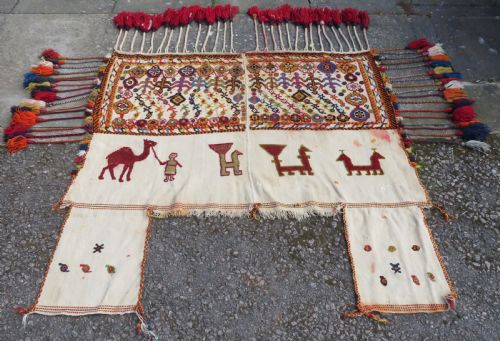
Antique Equestrian Textile Cover
An antique equestrian textile cover brings the rich tribal weaving traditions of Central Asia and Persia directly into your home.
Antique Equestrian Textile Cover
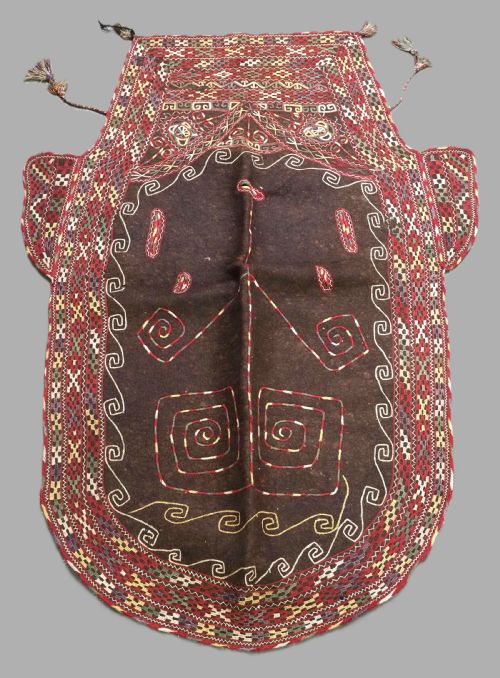
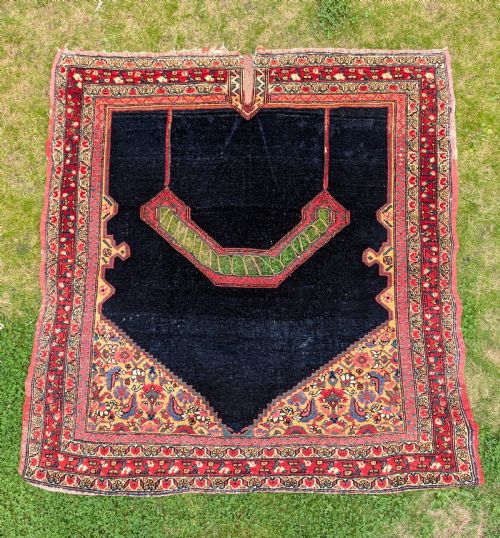
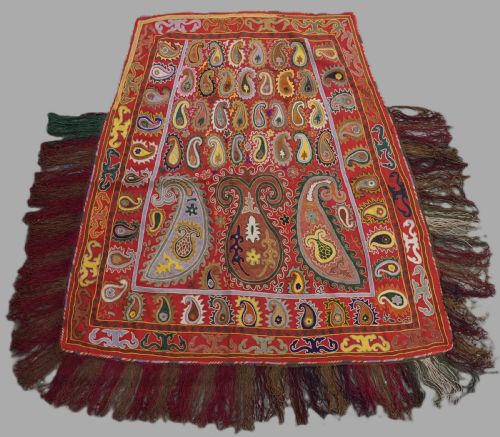
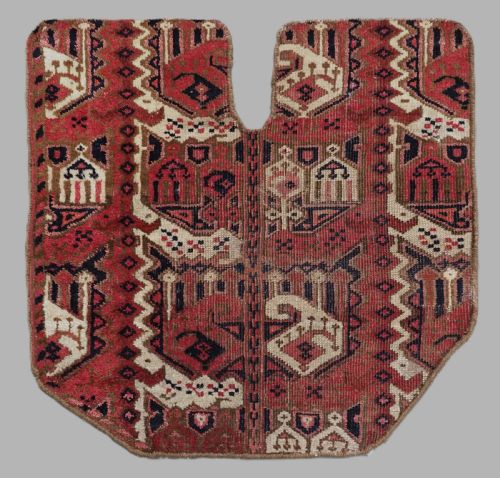
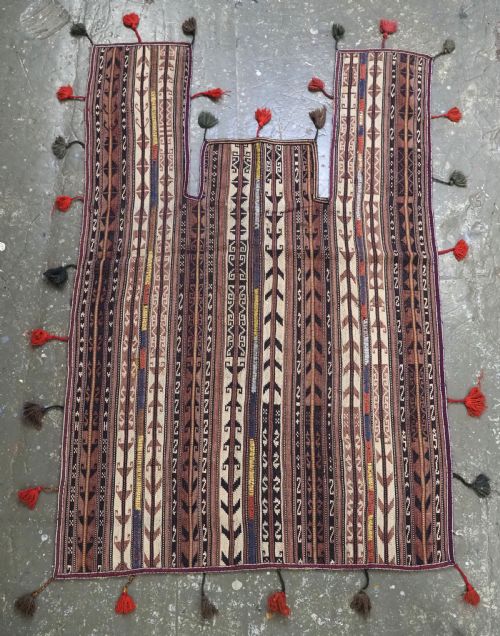
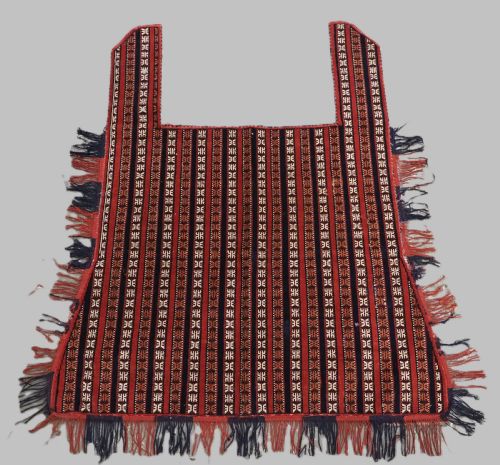
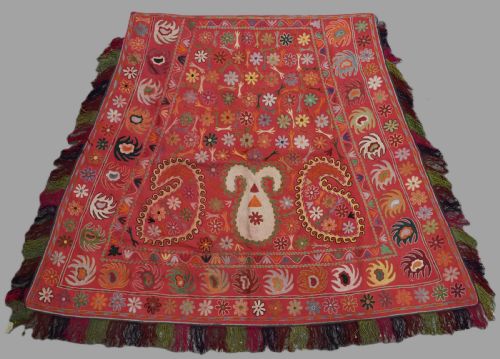
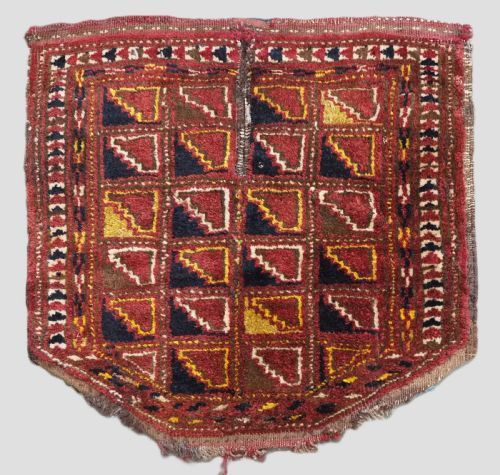
An antique equestrian textile cover serves as a striking window into tribal cultures from the nineteenth and early twentieth centuries. These pieces encompass saddle covers, saddle rugs, and ceremonial horse blankets originating from regions such as Uzbekistan, Turkmenistan, Tibet, and Persia.
Makers designed these heavy textiles to rest beneath or upon a saddle, or to drape over a horse during important tribal ceremonies. Today, collectors often display them as textile wall art or floor pieces.
What varies in quality
The sophistication of the tribal design and the density of the weave set finer examples apart from simpler pieces. Master weavers achieved greater harmony in natural dye colours and more intricate geometric or figurative patterns.
The preservation of the original felted wool, leather elements, and delicate threadwork determines the overall integrity of the textile. Pieces that retain their structural strength and vibrant natural hues represent the peak of tribal craftsmanship.
Antique Equestrian Textile Cover Retail Price Guide 2026
Typical asking prices for equestrian textile cover among the pieces listed under this phrase on Sellingantiques today, from the lower quarter to the upper quarter. They describe what is for sale here now, not the wider market.
Object types span saddle covers, horse blankets, and textile wall art from Turkmen, Uzbek, and Qashqai traditions.
The Antique Equestrian Textile Cover Glossary
- Saddle cover
- A textile specifically shaped to fit over a horse saddle. These items often double as decorative tribal rugs.
- Natural dyes
- Colourants derived from plants, insects, and minerals before the widespread adoption of synthetic alternatives. They yield deep, harmonious tones that age gracefully.
- Felted wool
- Wool fibres matted and pressed together into a dense, sturdy fabric. This material provided heavy-duty protection and warmth for working horses.
- Central Asian tribal
- Design traditions originating from nomadic groups across regions like Turkmenistan and Uzbekistan. These motifs typically feature bold geometric and symbolic patterns.
- Ceremonial horse blanket
- A large textile created for display during important tribal rituals rather than daily riding. They frequently display exceptionally fine embroidery and rich materials.
Antique Equestrian Textile Cover: Frequently Asked Questions
How were antique equestrian textile covers originally used?
These textiles served practical and ceremonial roles among nomadic tribes in Central Asia and Persia. Riders placed them under saddles for cushioning or draped them over horses during community celebrations.
Over time, wealthy families commissioned highly decorative examples to signal status during gatherings. Today, they transition easily from historical artefacts to striking decorative wall hangings.
How do I care for a wool horse blanket?
Protect antique wool and felt from direct sunlight to prevent natural dyes from fading over the years. Gentle vacuuming through a mesh screen helps remove dust without disturbing delicate threadwork.
Avoid hanging heavy textiles by a single point to prevent stretching the historic fabric. Professional textile conservation cleaning is recommended if deep maintenance becomes necessary.
How can I tell different tribal styles apart?
Tribal origins reveal themselves through distinct colour palettes, weaving structures, and recurring geometric motifs. Yomut and Ersari pieces often showcase characteristic Turkmen guls and deep reds.
Lakai embroideries from Uzbekistan frequently feature vibrant silk thread motifs on dark felted wool grounds. Comparing structural details helps pinpoint whether a piece hails from Persia, Tibet, or Central Asia.
Are these covers meant for the floor or the wall?
Smaller saddle rugs can function as floor coverings in low-traffic areas where they face minimal friction. More delicate embroidered ceremonial blankets suit wall display where their intricate threadwork remains safe from foot traffic.
Both applications allow collectors to appreciate the rich textures and historical significance of the weaving. Proper mounting ensures the textile supports its own weight securely.